 Baimaoxing
Baimaoxing
Baimaoxing
In the contemporary industrial landscape, Stainless Steel Sheet Metal Manufacturers represent the backbone of global infrastructure, aerospace, and medical innovation. As the world moves toward sustainable development and precision engineering, the demand for high-performance alloys—particularly those exhibiting extreme corrosion resistance and structural integrity—has reached unprecedented levels. This white paper explores the critical dynamics of the stainless steel market, the efficiency of Chinese manufacturing hubs, and the technological shifts defining the industry in 2024 and beyond.
Executive Insight: The shift from traditional grade 304 to specialized alloys like 316L, 904L, and Duplex steel reflects a global trend toward "Lifetime Value" engineering, where material longevity out prioritizes initial procurement costs.
The global stainless steel sheet metal market is currently valued at over $100 billion, with a projected CAGR of 5.8% through 2030. Key drivers include the rapid urbanization of Southeast Asia, the revitalization of North American manufacturing through the "Infrastructure Investment and Jobs Act," and Europe's stringent "Green Deal" requirements which favor recyclable materials like stainless steel. Manufacturers are no longer just "suppliers"; they are strategic partners in the global supply chain, integrating IoT and AI-driven quality control to meet the zero-defect standards required by the semiconductor and aerospace sectors.
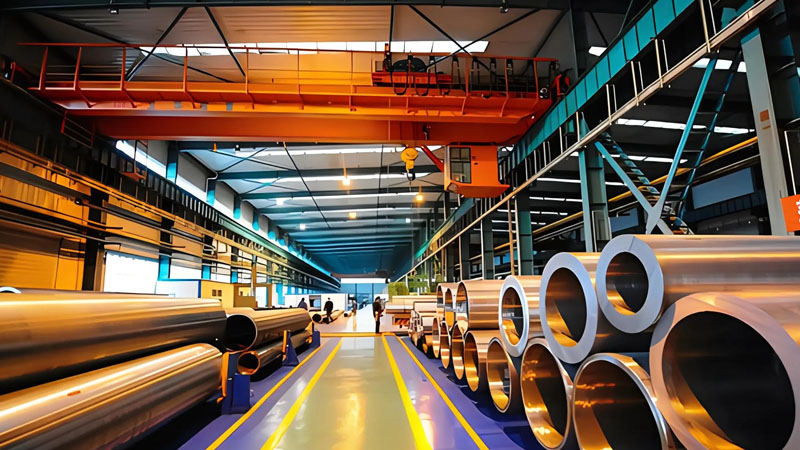
Why do global enterprises look toward China for stainless steel solutions? It transcends simple labor costs. The efficiency of a leading manufacturer like Shandong Baimaoxing Iron and Steel Co., Ltd. is rooted in three core pillars:
Proximity to raw material refineries and integrated logistics hubs reduces lead times by 30-40% compared to fragmented Western supply chains.
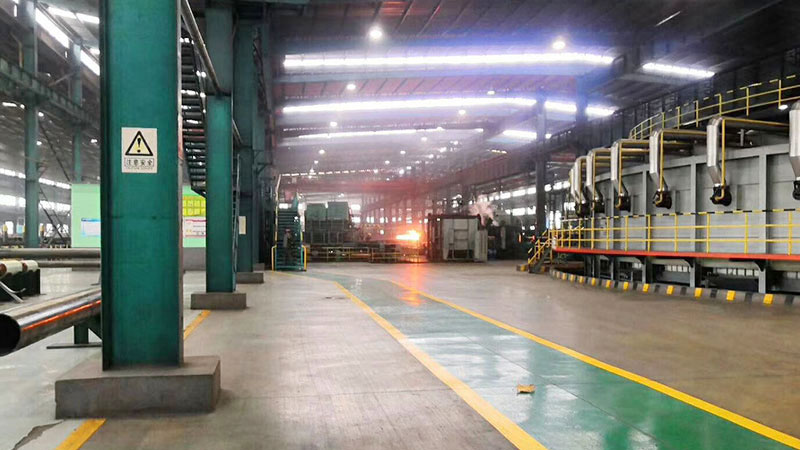
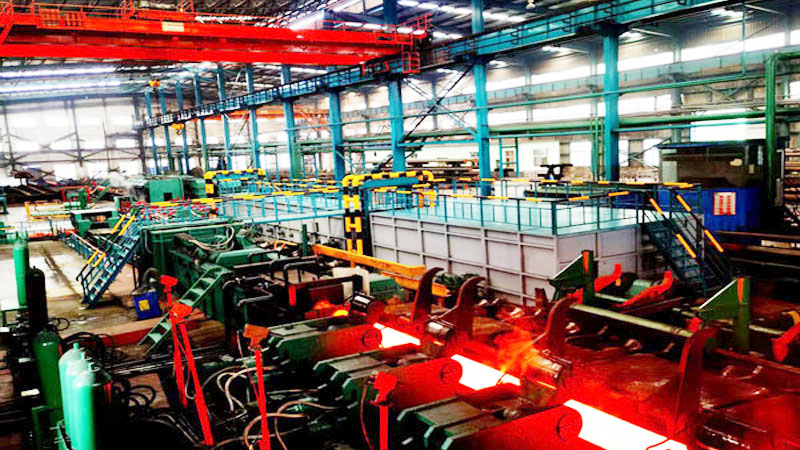
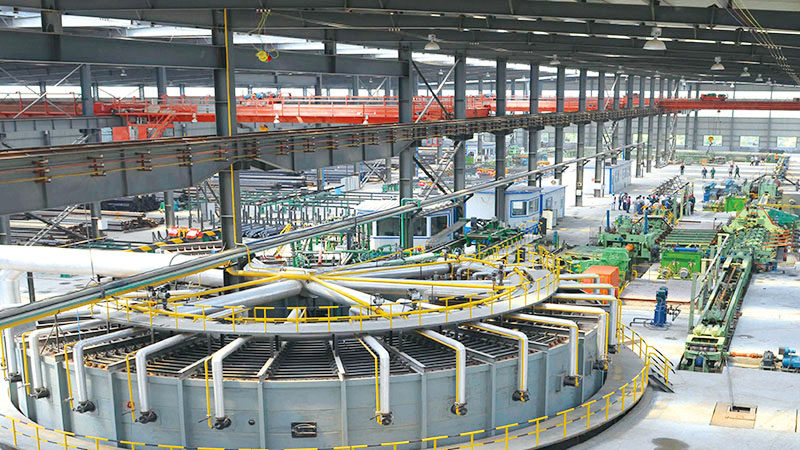
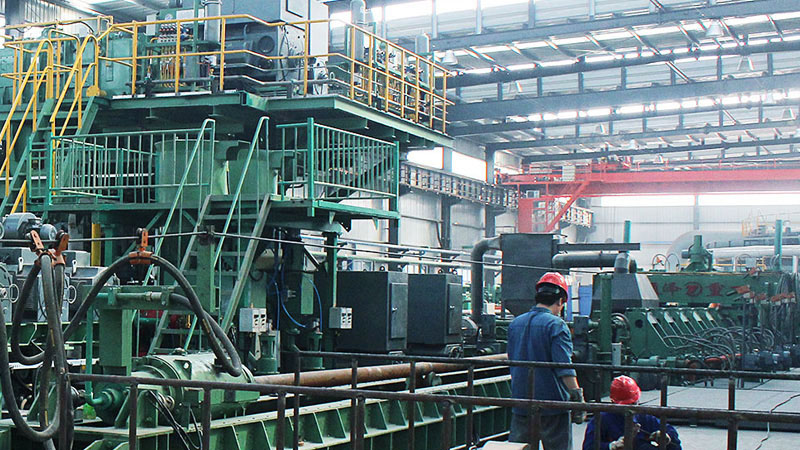
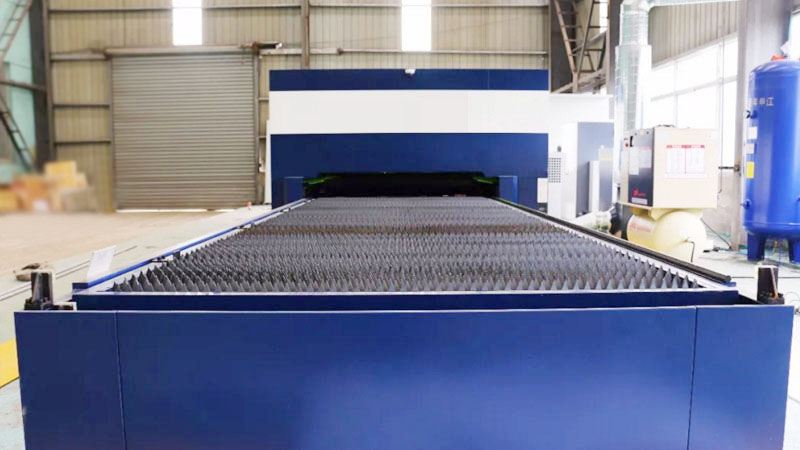
Chinese factories have aggressively adopted Industry 4.0 standards, utilizing automated cold-rolling mills and laser-precision cutting that ensure micron-level accuracy across large-scale batches.
By centralizing production in industrial clusters like Shandong, manufacturers can offer competitive pricing without compromising on international standards like ASTM, AISI, or EN.
High-quality stainless steel sheet metal is not a "one-size-fits-all" product. Its application is highly localized based on environmental and regulatory needs:
The industry is undergoing a paradigm shift. We are seeing the rise of "Digital Material Passports," where each sheet of metal is tracked via blockchain for its carbon footprint and chemical composition. Furthermore, "Green Steel"—produced using hydrogen-based reduction rather than coal—is becoming a procurement requirement for Fortune 500 companies committed to ESG (Environmental, Social, and Governance) goals. Leading manufacturers are investing heavily in closed-loop recycling systems, where 80-90% of scrap metal is reintroduced into the melting process.
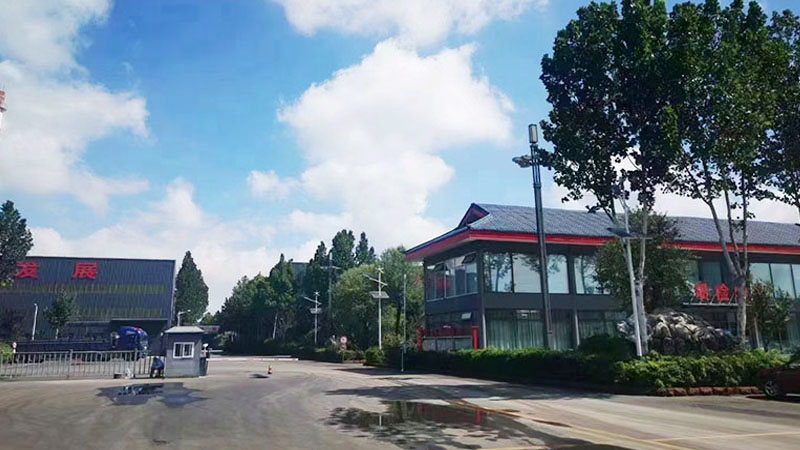
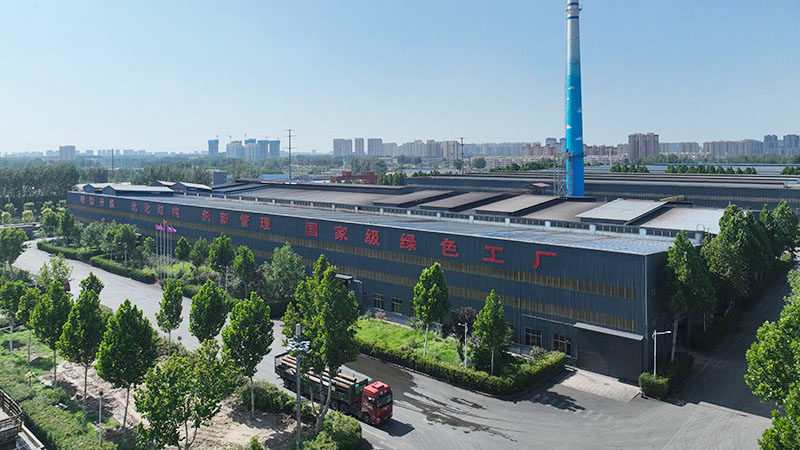
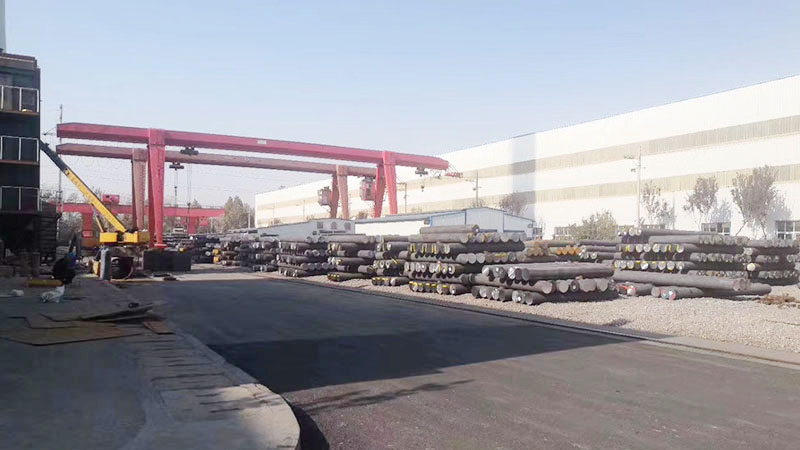
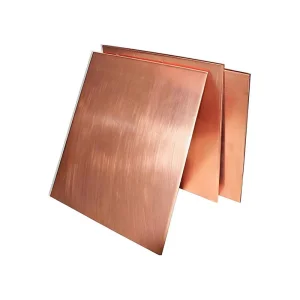
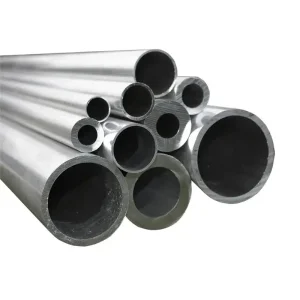
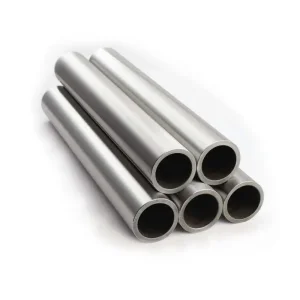
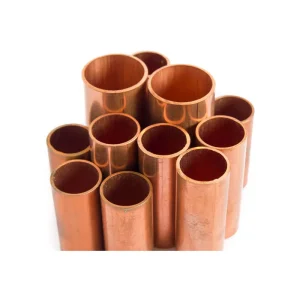
Located in Liaocheng City, Shandong Province, we are a premier steel supplier specializing in R&D, processing, and technical services. Our portfolio includes everything from stainless steel plates and coils to specialized copper and titanium products. We adopt a scientific management model that serves high-stakes industries such as aerospace, military equipment, and precision machining.
ISO9001:2015 certified. Our products undergo rigorous SGS environmental testing, ensuring compliance with the EU ROHS standards. Reliability is our primary export.
Sourcing from a Stainless Steel Sheet Metal Manufacturer requires a deep understanding of metallurgical properties. Modern procurement officers are no longer focusing solely on price per ton; they are evaluating "Total Cost of Ownership."
By utilizing cold-rolled high-strength 301 stainless steel sheets, one of our clients in the aerospace sector reduced component weight by 15% while maintaining the same structural load capacity. This is the power of Information Gain in material selection.