1 / 5
 Baimaoxing
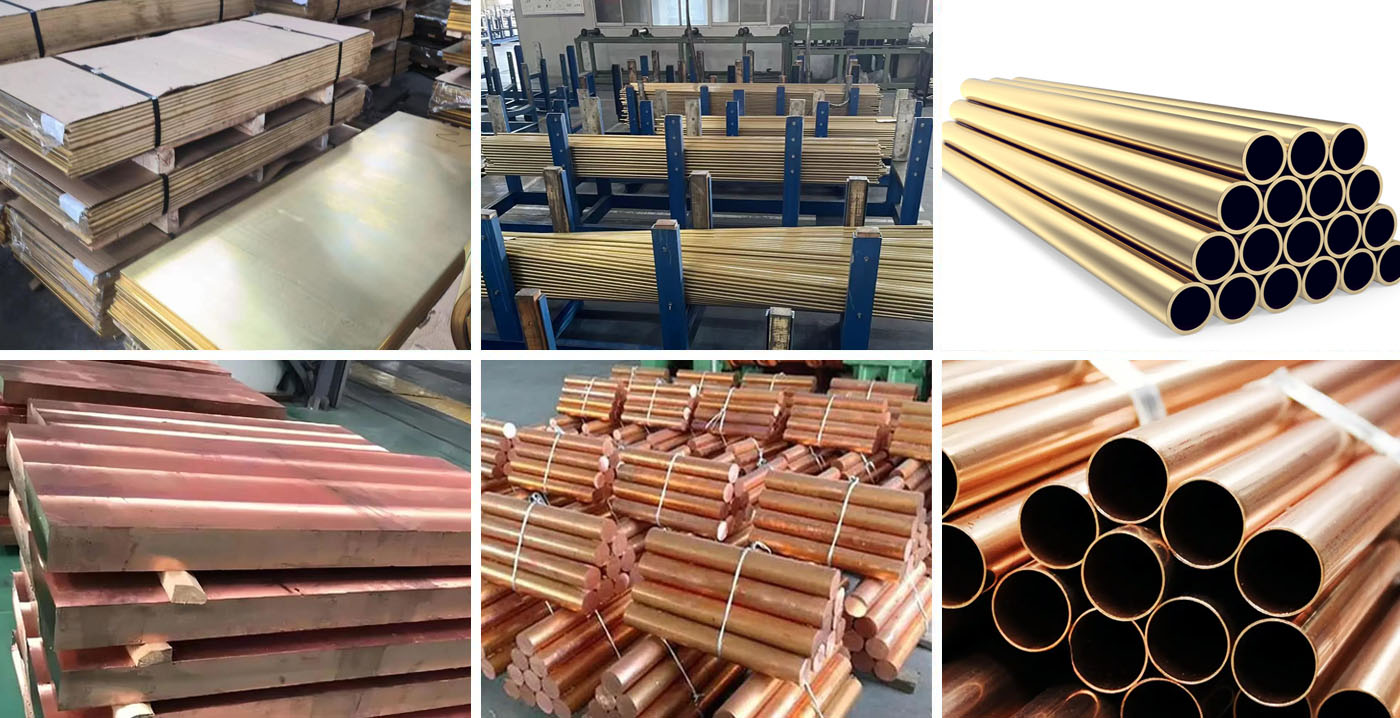
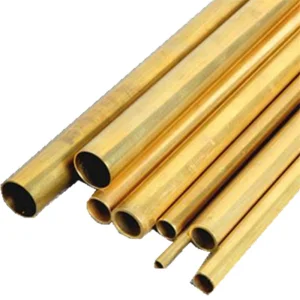
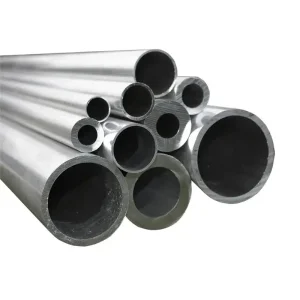
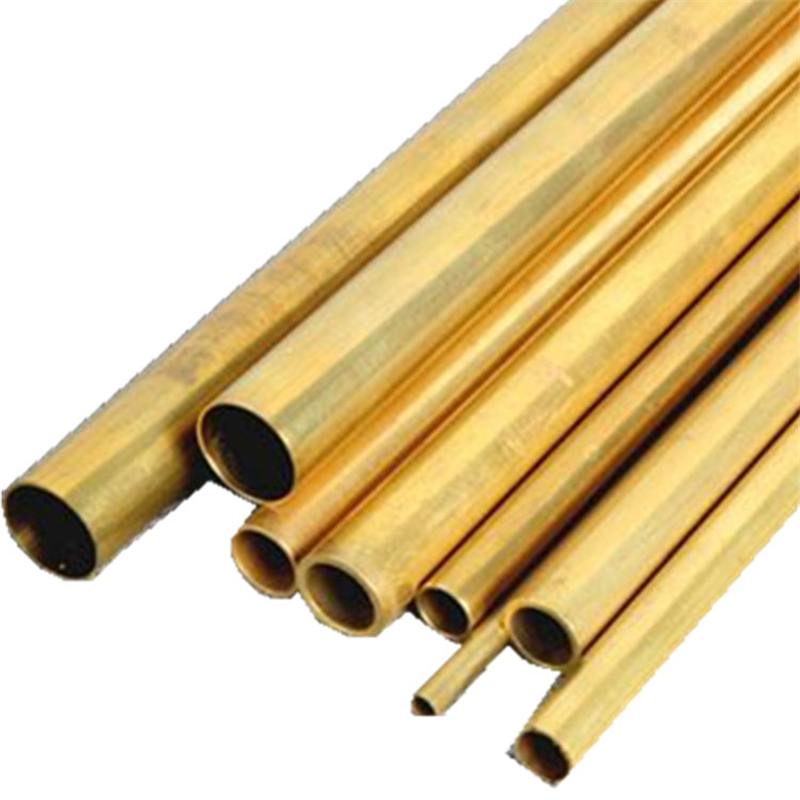
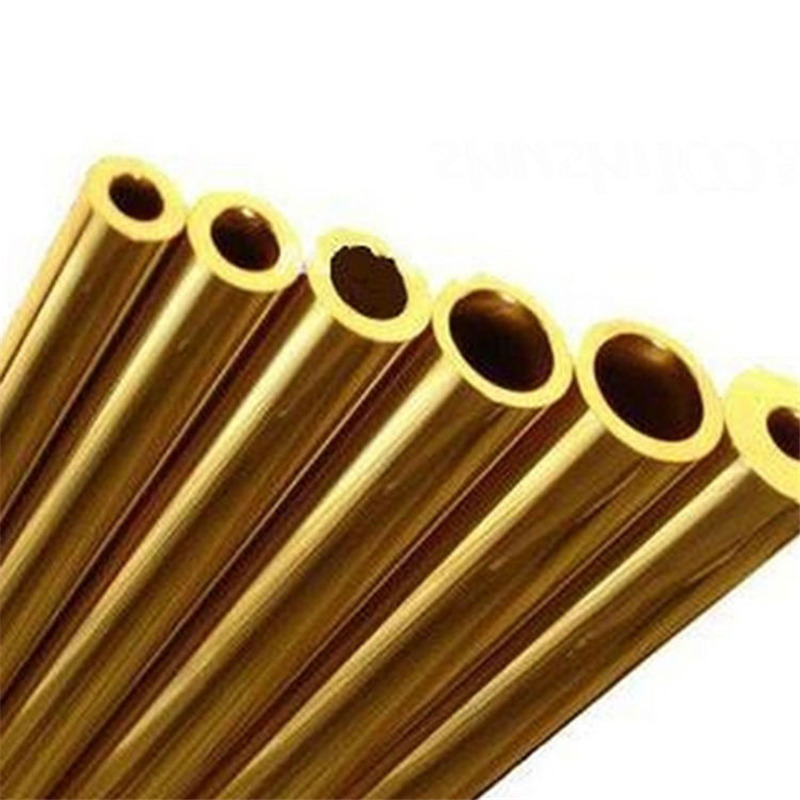
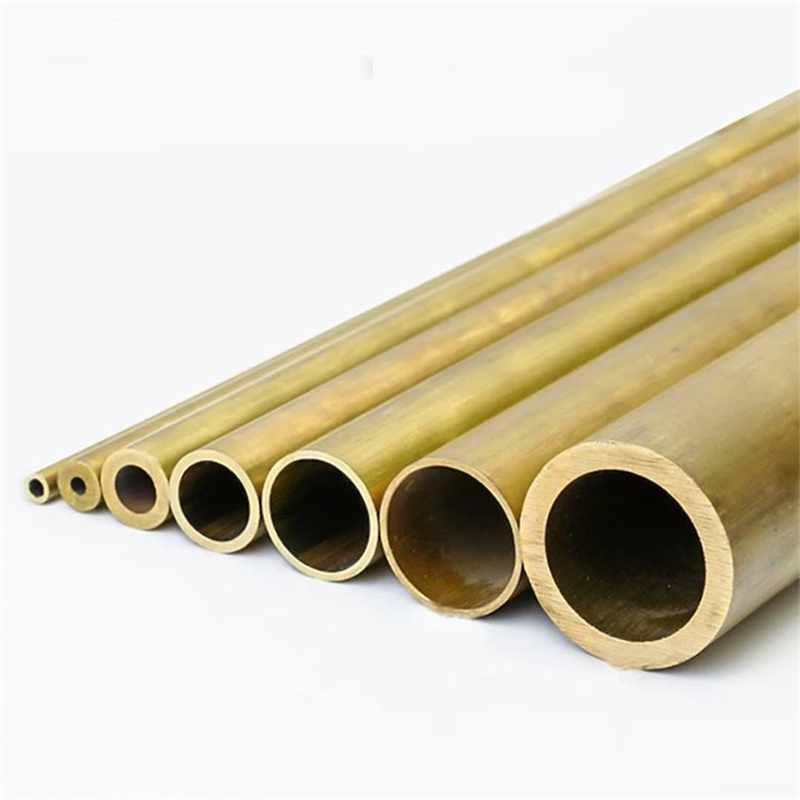
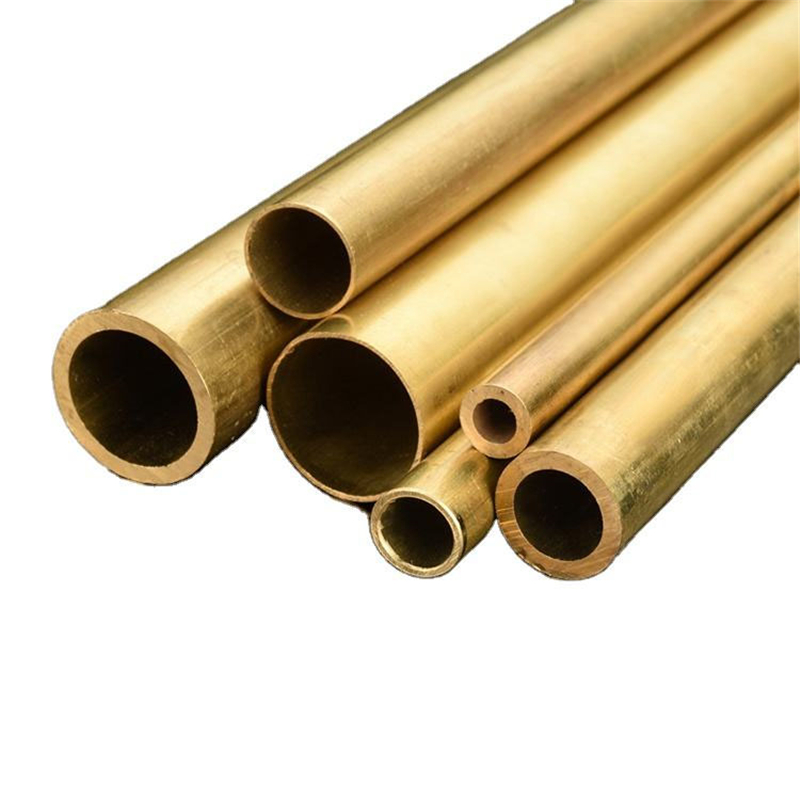
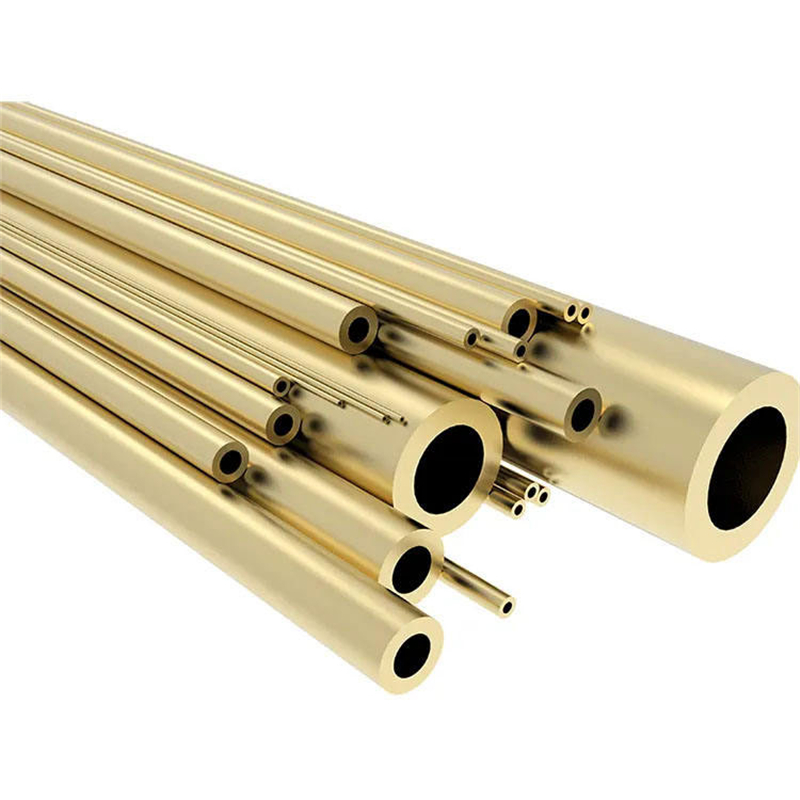
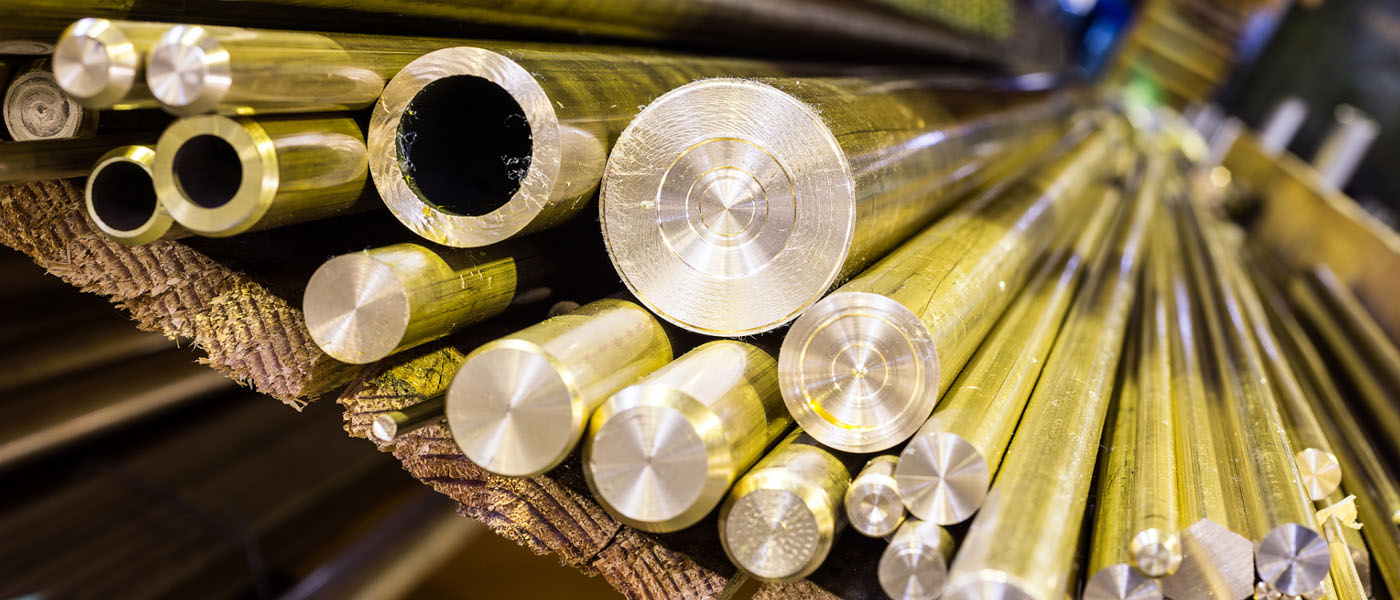
Brass tubing is lightweight, has good thermal conductivity, and high low-temperature strength. It is commonly used in the manufacture of heat exchange equipment (such as condensers) and in the assembly of cryogenic pipelines in oxygen production equipment. Small-diameter copper tubing is often used to transport pressurized liquids (such as in lubrication systems and hydraulic systems) and as pressure measuring tubes in instruments. Brass tubing is robust and corrosion-resistant.
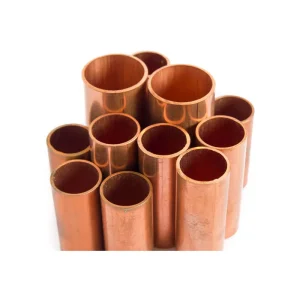
Its main advantages include: copper tubing is hard, not easily corroded, and resistant to high temperatures and pressures, allowing it to be used in various environments. Compared to brass tubing, many other tubing materials have obvious disadvantages. For example, galvanized steel pipes, commonly used in residential buildings in the past, are extremely prone to corrosion, leading to problems such as yellowing tap water and reduced water flow after a short period of use. Some materials also experience a rapid decrease in strength at high temperatures, posing safety hazards when used in hot water pipes. However, because copper has a melting point as high as 1083 degrees Celsius, the temperature effect of hot water systems on brass tubing is negligible. Common brass tubing includes brass tubing for electrical appliances, brass tubing for refrigeration, high-pressure resistant brass tubing, corrosion-resistant brass tubing, brass tubing for connections, brass tubing for water pipes, brass tubing for electric heating, and brass tubing for industrial applications.
| Type | Straight Copper Pipe | Application | Water tube, Air Condition or Refrigerator, Water heater, Oil cooler pipe |
| Specification | OD: 2mm~914mm, WT: 0.5mm~80mm | Grade | C21000, C2200, C23000, C2800, C2700, C26800 |
| Length | 1m, 2m, 3m, 4m, 6m, or as required | Cu (Min) | 59% |
| Alloy Or Not | Non-Alloy | Ultimate Strength (≥ MPa) | 205 |
| Elongation (≥ %) | 40 | Wall Thickness | 0.5mm~80mm |
| Outside Diameter | 2mm~914mm | Model Number | ASTM, JIS, DIN, GB, EN |
| Processing Service | Bending, Decoiling, Welding, Punching, Cutting | Price term | Ex-work, CIF, FOB, CFR, CNF, etc. |
| Export to | Korea, India, UK, Singapore, Dubai, etc. | Length | 6m, 5.8m, 4m or as required |