1 / 5
 Baimaoxing
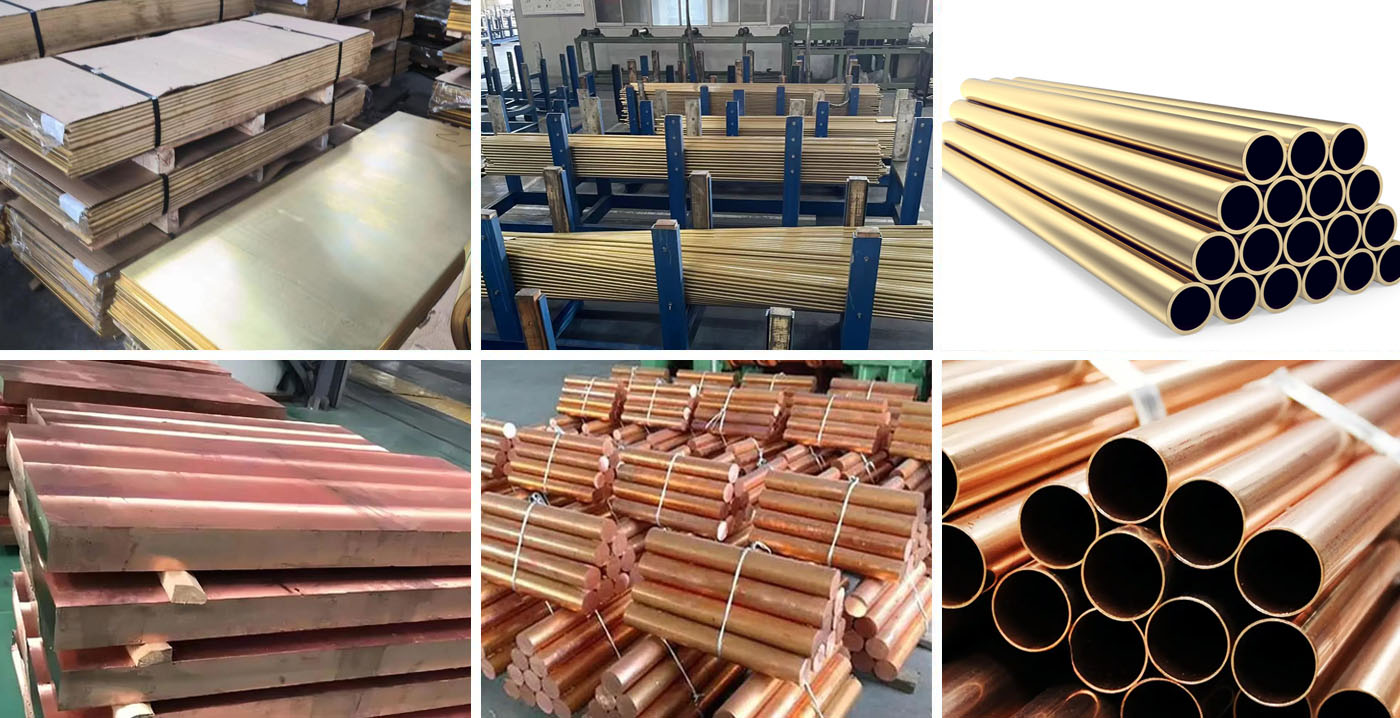
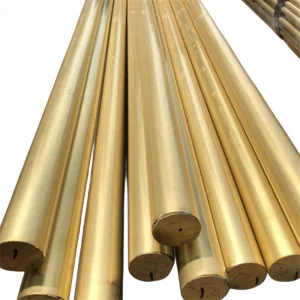
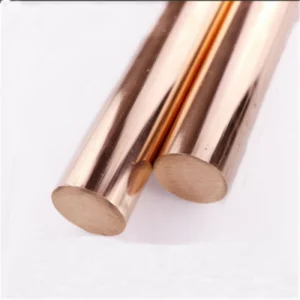
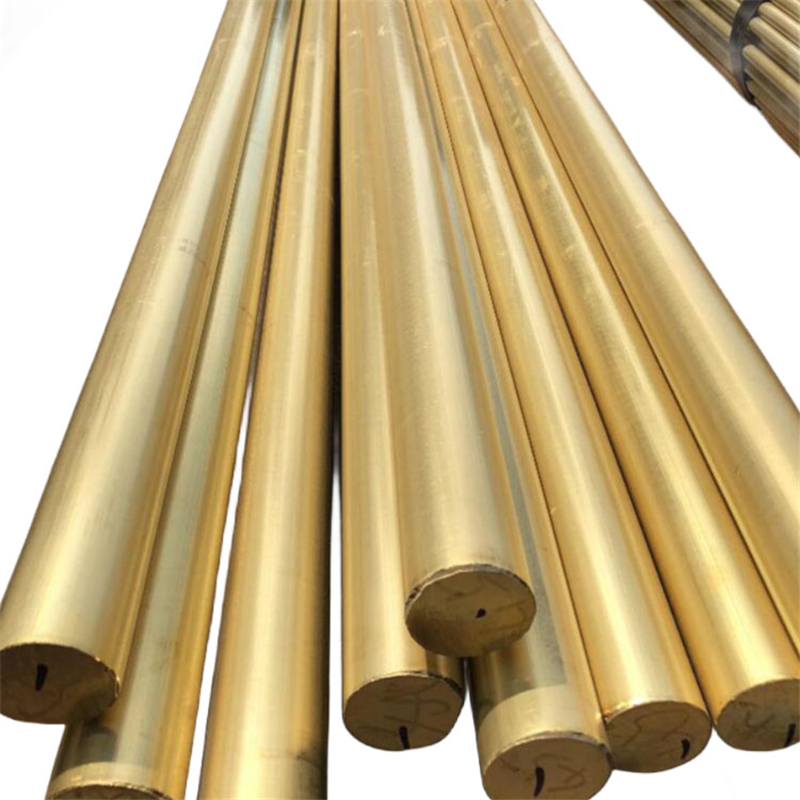
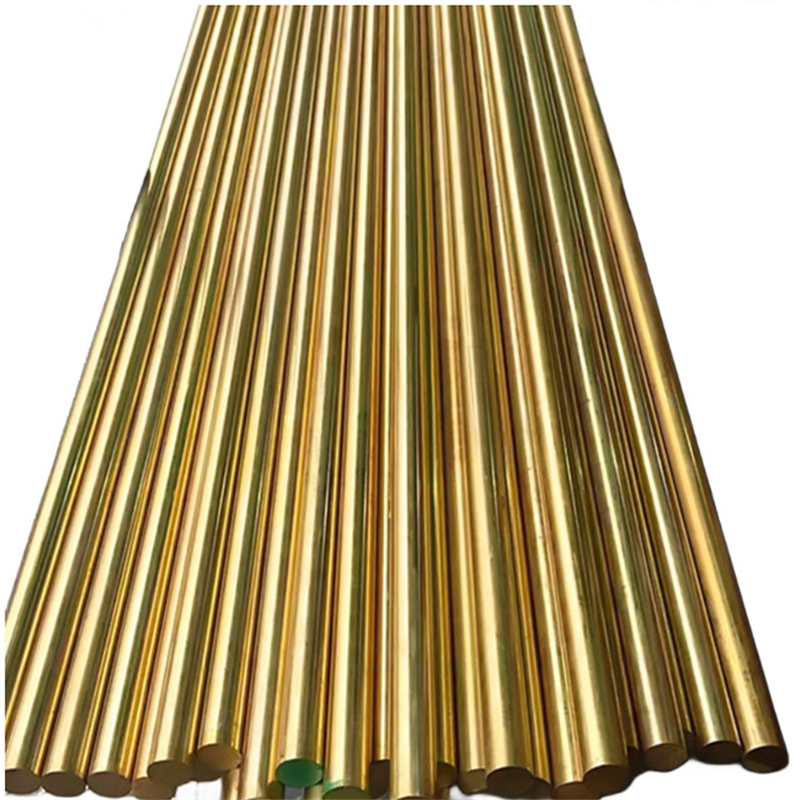
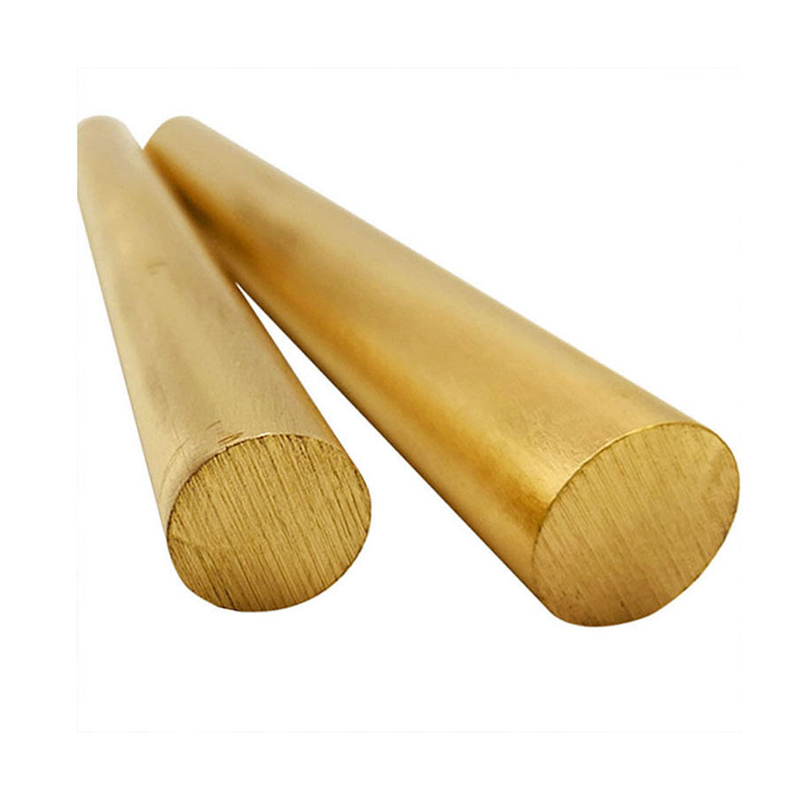
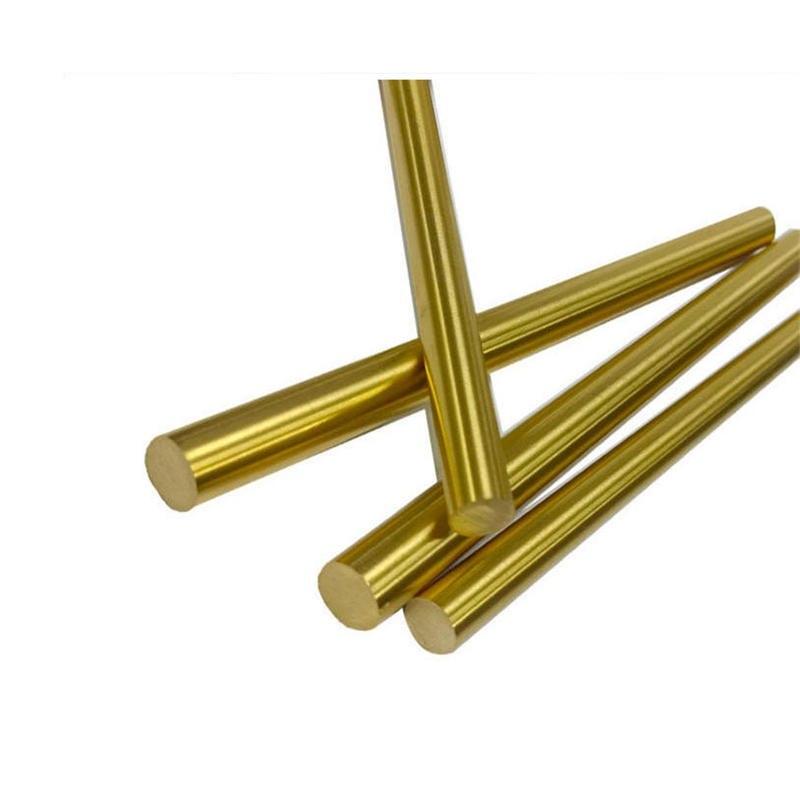
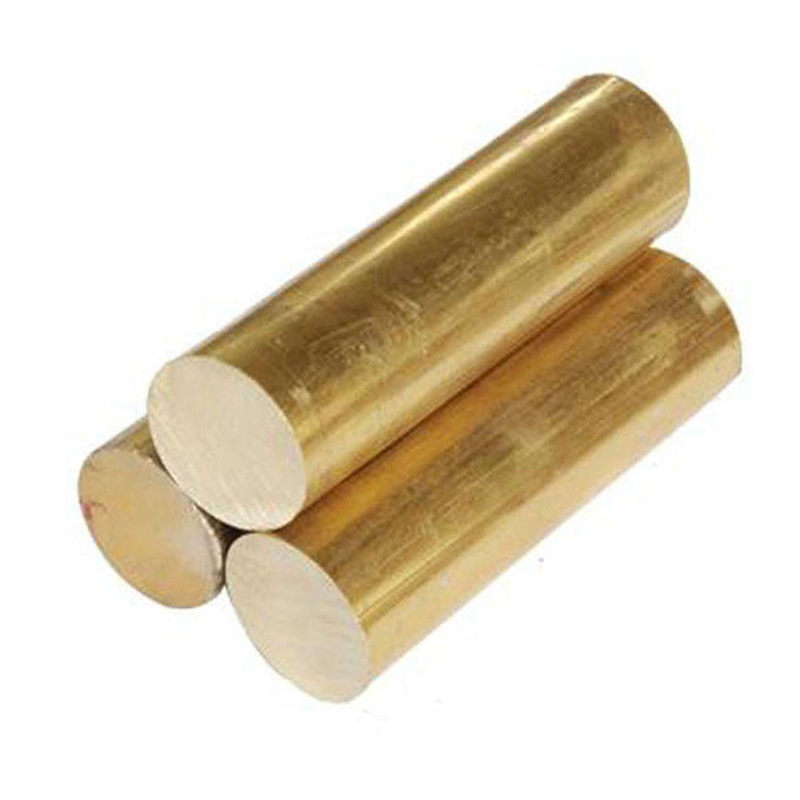
Introduction: Copper rods are a type of non-ferrous metal processing rod, possessing good machinability and high electrical conductivity. They are mainly divided into brass rods (copper-zinc alloy, relatively inexpensive) and red copper rods (higher copper content).
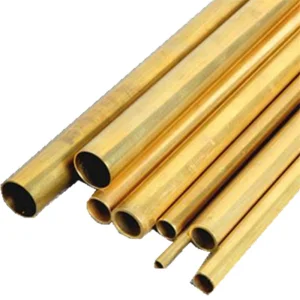
Characteristics: Brass rods are rod-shaped objects made of an alloy of copper and zinc, named for their yellow color. Brass with a copper content of 56%~68% has a melting point of 934~967 degrees Celsius. Brass has excellent mechanical properties and wear resistance, and can be used to manufacture precision instruments, ship parts, and gun cartridges.
Different zinc contents result in different colors; for example, a zinc content of 18%-20% produces a reddish-yellow color, while a zinc content of 20%-30% produces a brownish-yellow color. Additionally, brass produces a unique sound when struck, hence its use in the making of gongs, cymbals, bells, horns, and other musical instruments.
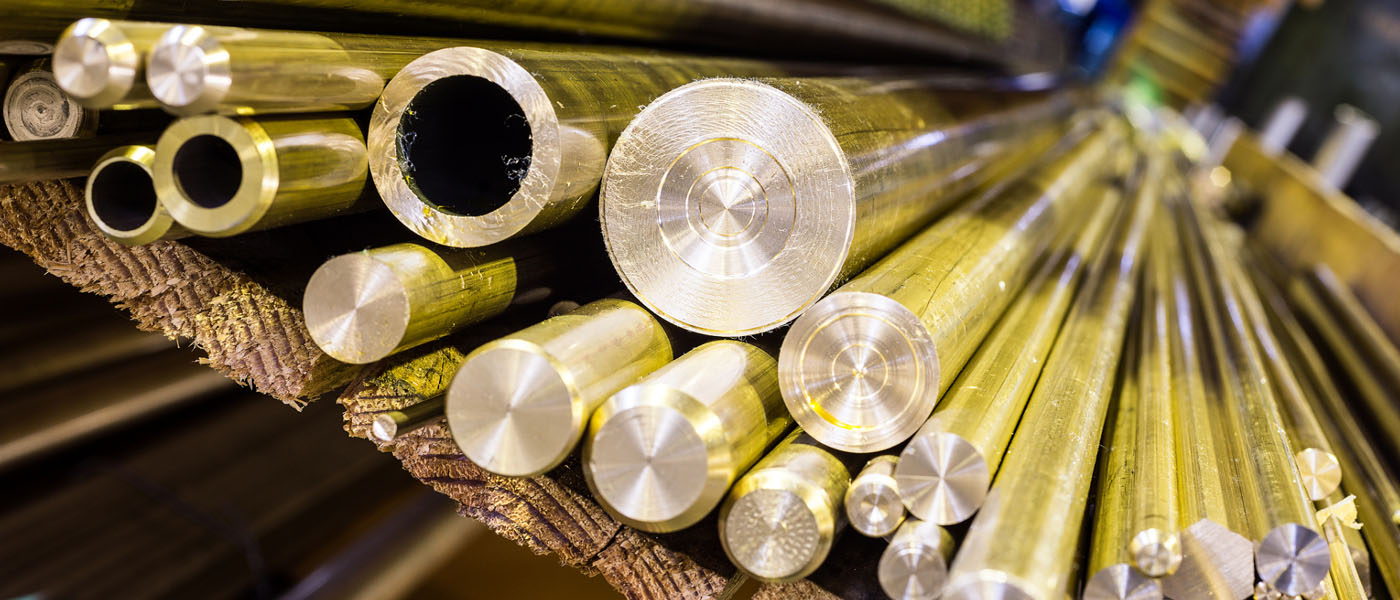
Materials include: H59, H59-1, H59-2, H59-3, H60, H60-2, H62, H63, H65, H68, H70, H80, H90; C1100, C1020, C2680, C2800, C2600, C2801, C5191, C5210, C2200, C7521, C7541, C17200, C1070, C7701, QSn6.5-0.1, QSn8-0.3, QSn4-0.3, BZn18-18, BZn15-20, CuBe2, and many more.
58-3 copper rods and 59-1 copper rods belong to free-machining brass and are available in environmentally friendly brass rods and ordinary brass rods. Genuine 58-3 and 59-1 copper bars are typically produced through extrusion. Copper bars made from ordinary continuous casting cannot achieve the same performance characteristics. Extruded copper bars possess superior tensile strength, high hardness, and high straightness. They are widely used in precision copper parts for automotive components, medical devices, and electrical appliances.
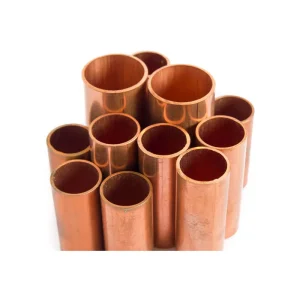
Brass rods are essential in various sectors, including: Air conditioning pipes, refrigerator pipes, oil pipes, water supply pipes, various mechanical components, automotive synchronizer gear rings, marine pumps, valves, structural parts, and friction accessories.
| Model Number | C11000, C10200, C27400, C28000, etc. | Application | Industry, Construction, decoration, etc. |
| Shape | Round | Length | 1000mm-3000mm, as request |
| Grade | copper alloy, Pure Copper | Cu (Min) | 99, 99.99% |
| Alloy Or Not | Is Alloy | Processing Service | Bending, Welding, Decoiling, Cutting, Punching |
| Surface | bright | MOQ | 500 KG |
| Certificate | ROHS / ISO9001:2008 / ISO900014001:2004 | Type | Round Straight Rod |
| Keywords | Copper Bar | Payment Term | 30%TT+70% Balance |