1 / 5
 Baimaoxing
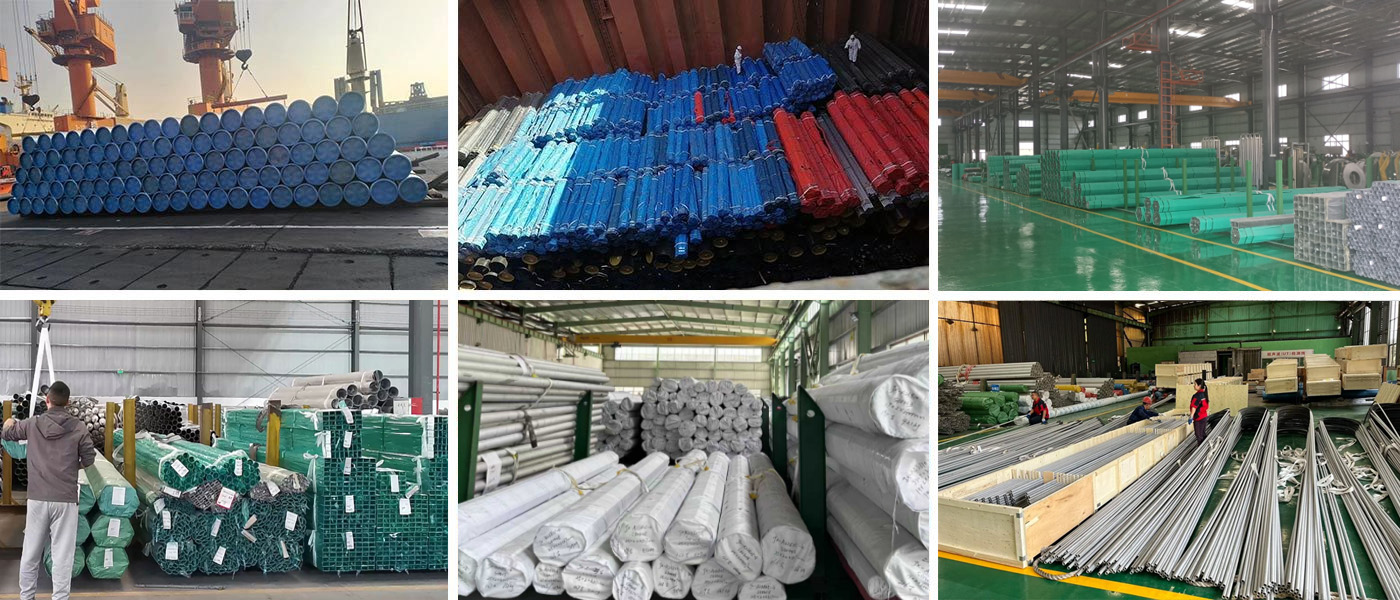
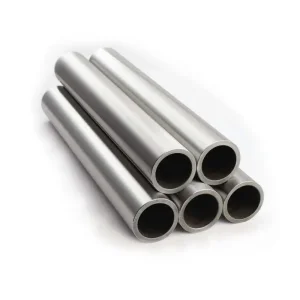
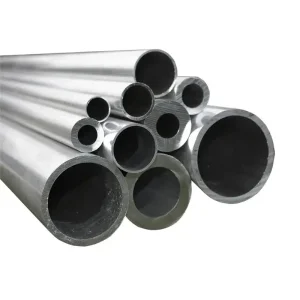
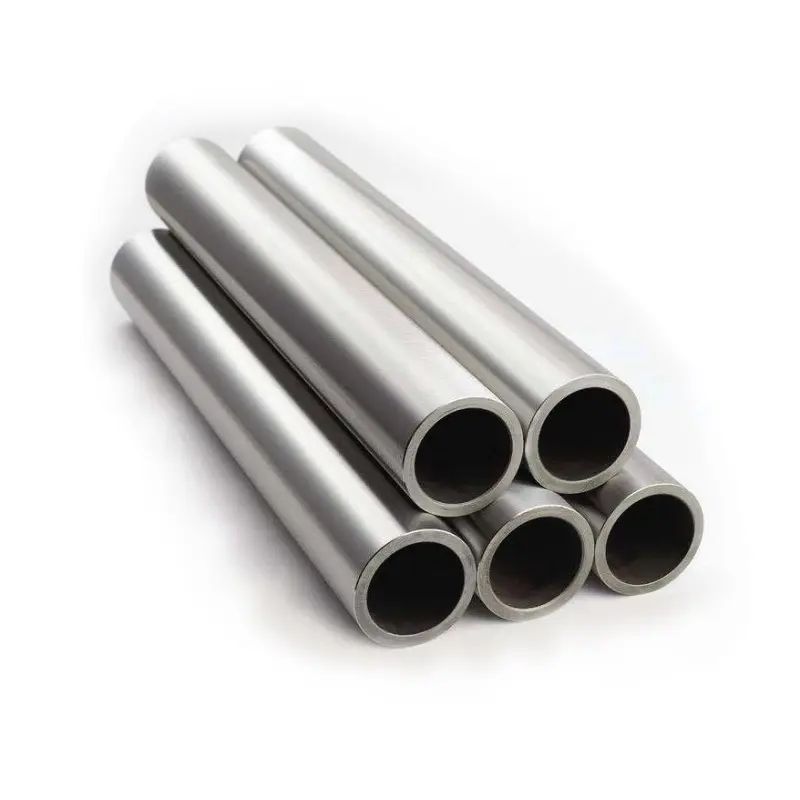
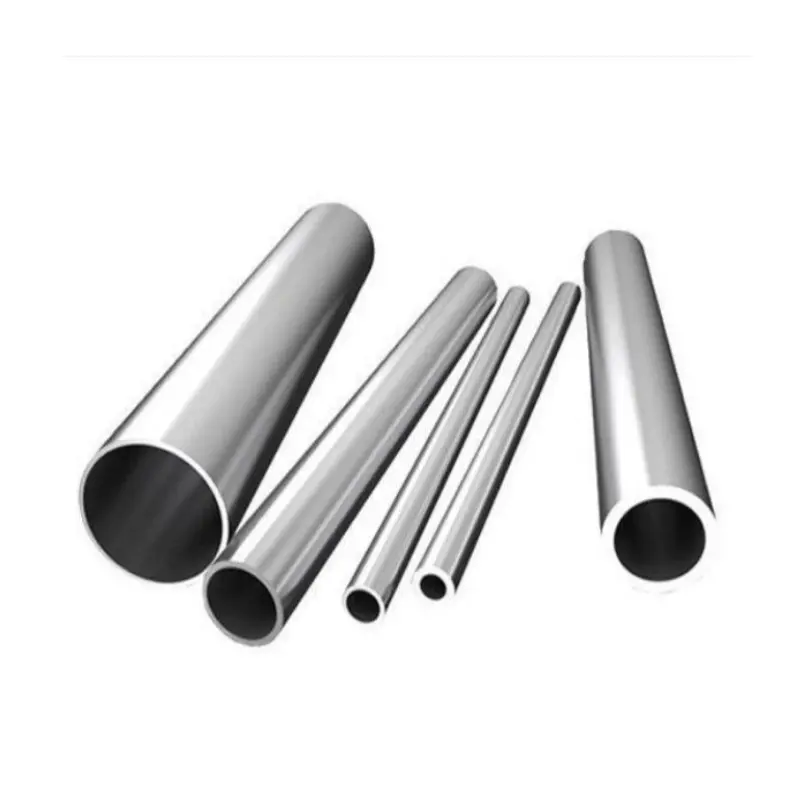
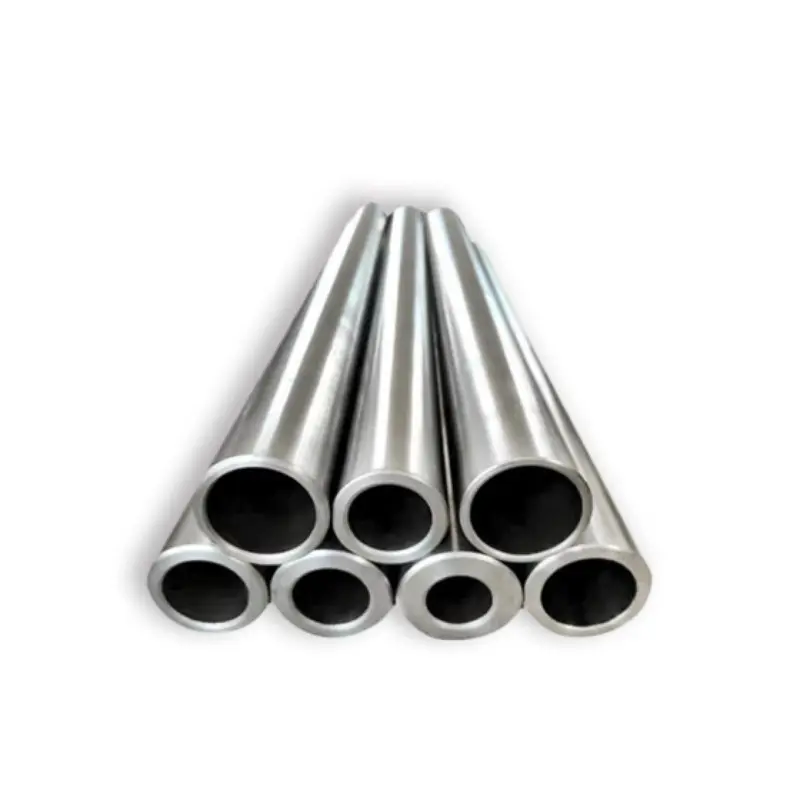
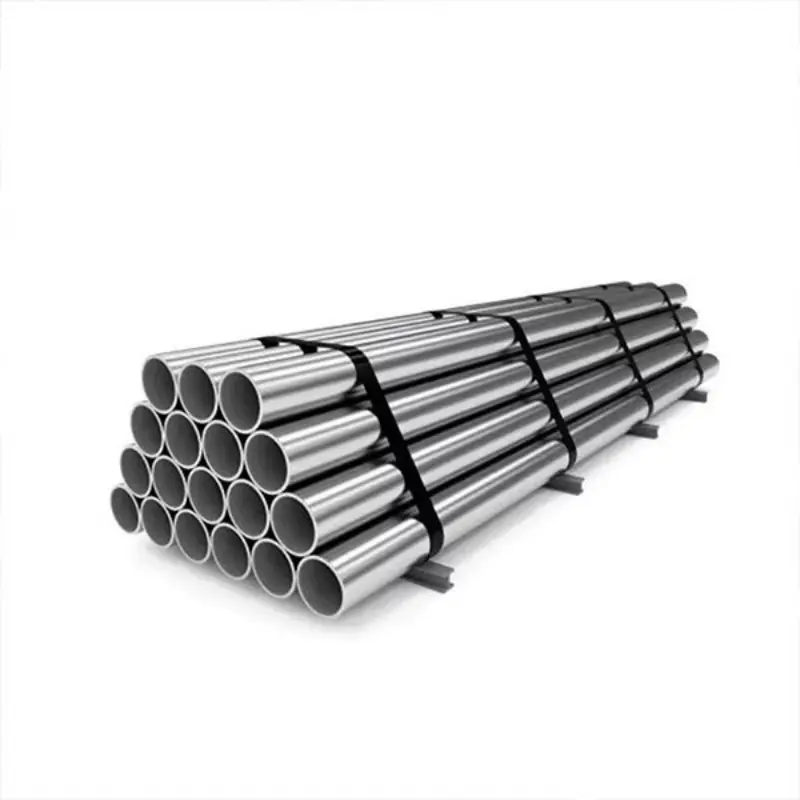
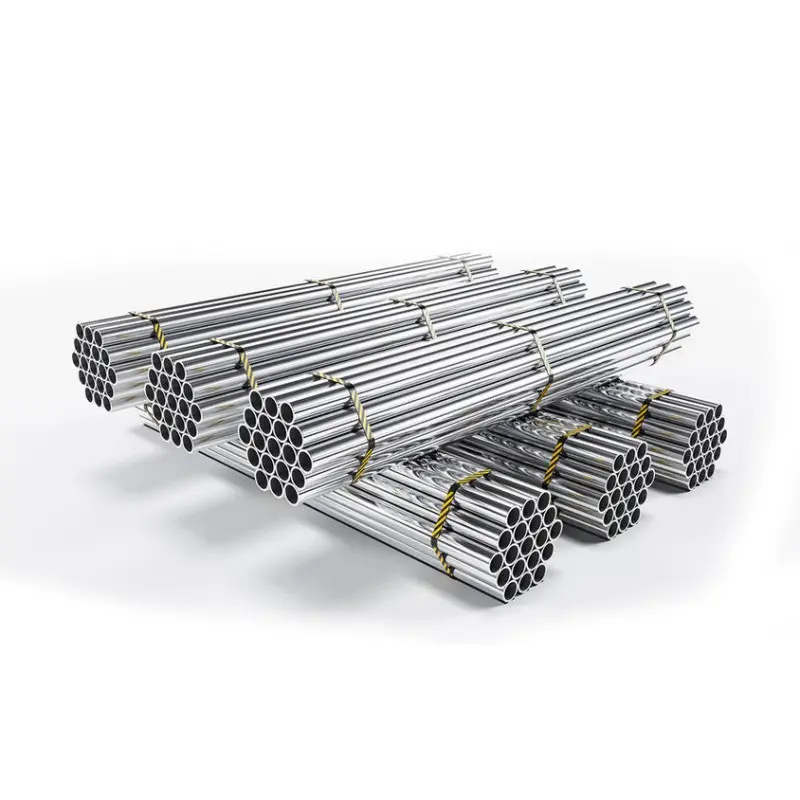
Stainless steel pipes, including round, square, and rectangular types, are essential in diverse industries, with mainstream grades 201, 304, and 316L. Grade 316L excels in corrosion resistance for harsh environments. Their core advantages lie in strong corrosion resistance, high tensile strength, and good ductility—able to withstand pressure, moisture, and temperature fluctuations. They are also easy to cut, weld, or bend for customization, with sleek finishes (2B, brushed, mirror) blending functionality and aesthetics, boasting a longer service life than carbon steel pipes.
Used for curtain wall supports, handrails, and architectural structures.
Relied upon for water, oil, or chemical pipelines, especially corrosive fluids.
Employed as equipment frames and high-strength mechanical components.
Installation requires pre-treatment, including degreasing and derusting the surface. Connection methods depend on scenarios: welding for high-pressure pipelines, threaded joints for easy disassembly, and flanges for chemical systems to prevent leaks. In use, avoid direct contact with carbon steel to prevent galvanic corrosion; outdoor pipes need expansion joints for thermal expansion and contraction.
| Item Category | Specifications & Details |
|---|---|
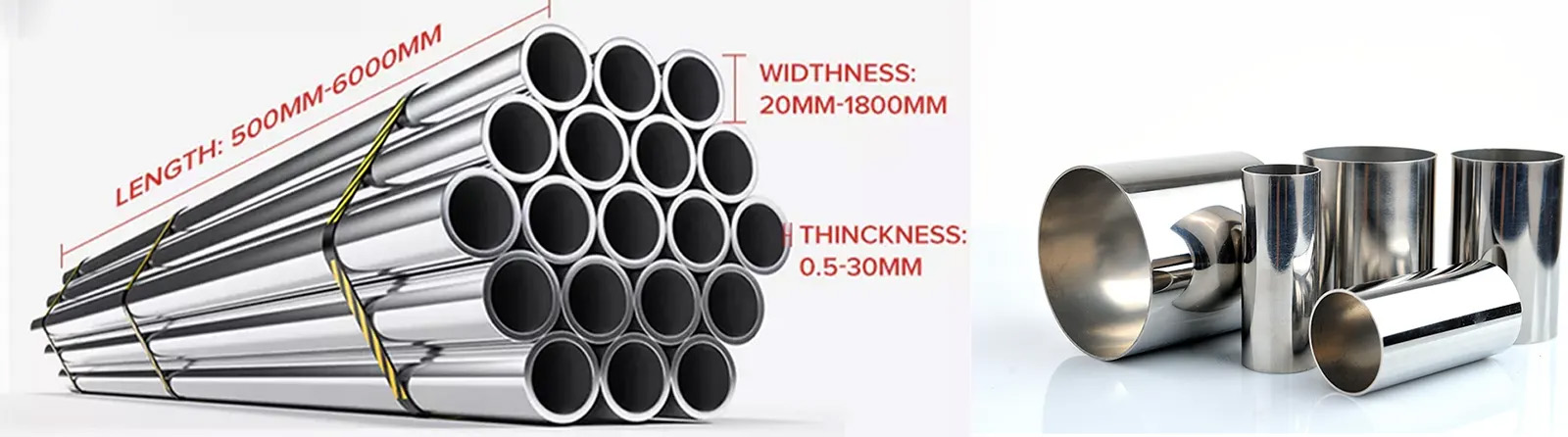
| Material Type | Stainless steel square tube pipe |
| Shapes | Square tubes, rectangular tubes, round tubes |
| Thickness | 0.08mm - 100mm |
| Size Range | Round: 2mm-20320mm; Square: 5mm-2000mm; Rectangular: 10x20mm to 120x180mm |
| Surface Finish | Polishing, annealing, pickling, bright |
| Technology | Hot rolling / Cold rolling |
| Steel Grade | 304, 304L, 309S, 310S, 316, 316Ti, 317, 317L, 321, 347, 201, 202, etc. |
| Standard | ASTM A213, A312, A269, DIN 17456, JIS G3459, EN10216, GB13296 |
| Tolerance | OD: +/- 0.5mm; Thickness: +/- 0.05mm; Length: +/- 5mm |
| Testing | Squash test, extended test, water pressure test, crystal rot test |
| MOQ | 1 Ton |
| Applications | Decoration, Construction, Upholstery, Water supply, Furniture |
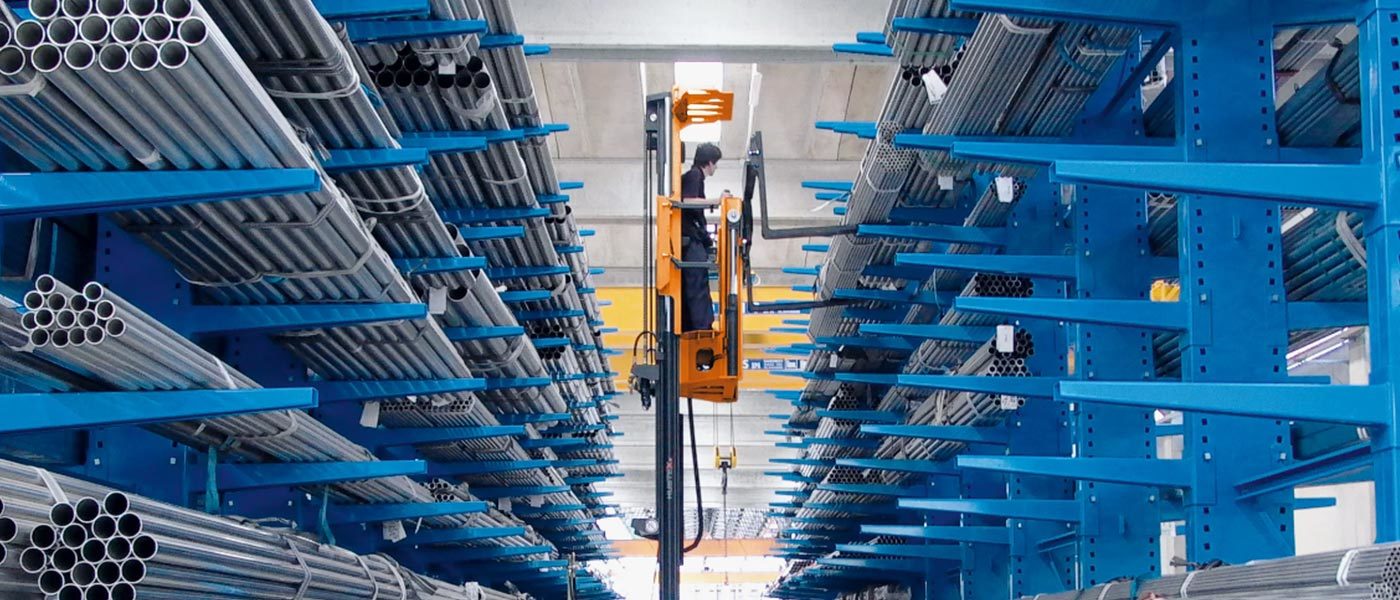
Maintenance is straightforward: clean with neutral detergent daily; remove minor rust with specialized removers then re-passivate; check connections quarterly for tightness. Store in dry, ventilated areas to avoid moisture-induced rust, ensuring long-term reliable performance.