Baimaoxing Baimaoxing

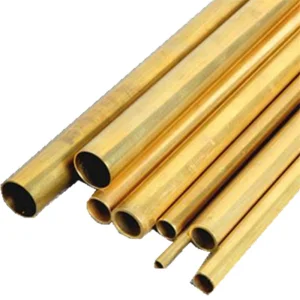
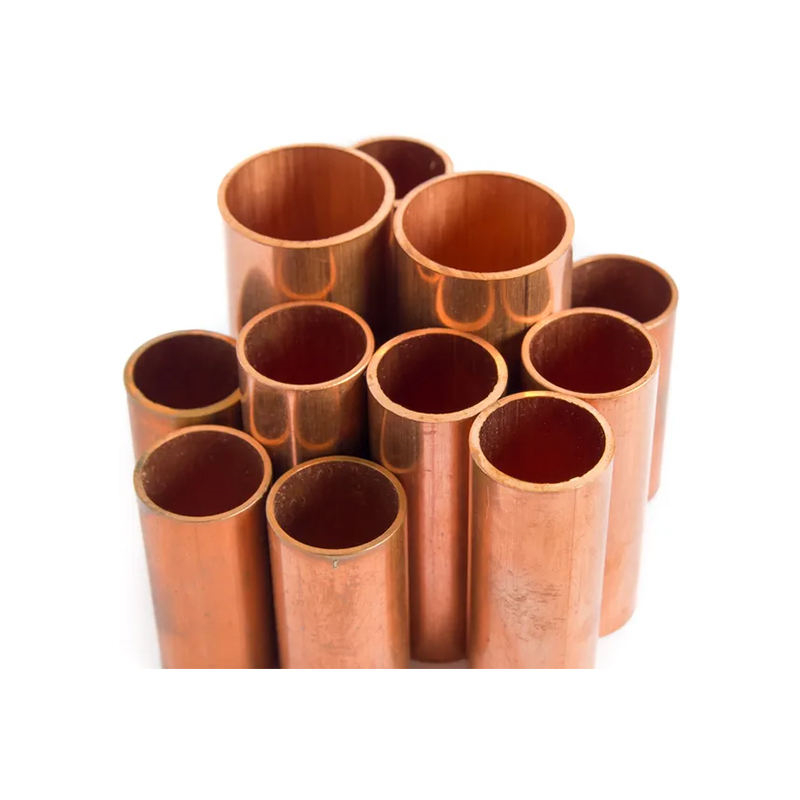
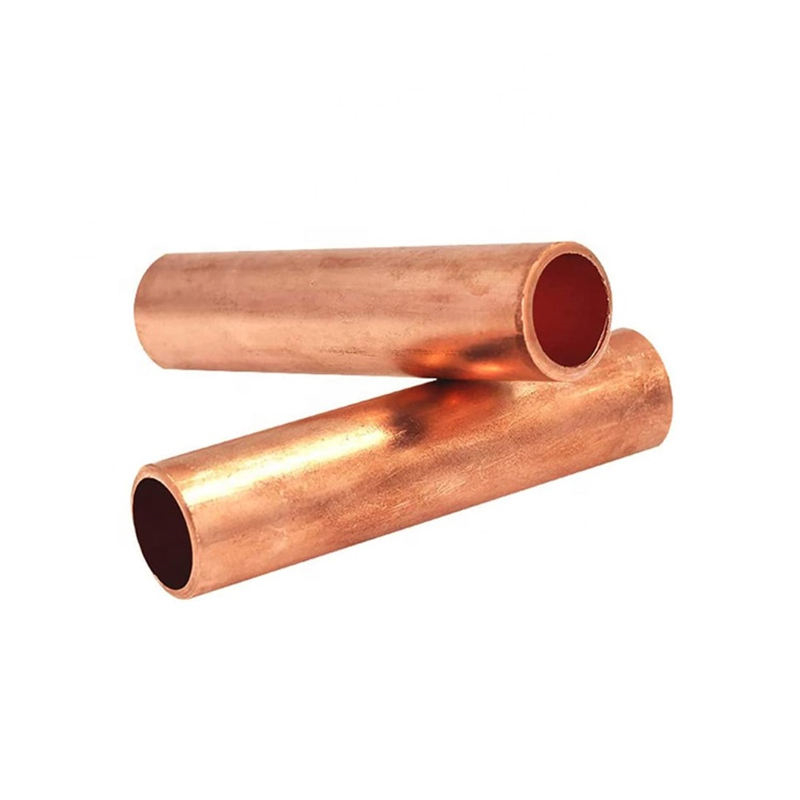
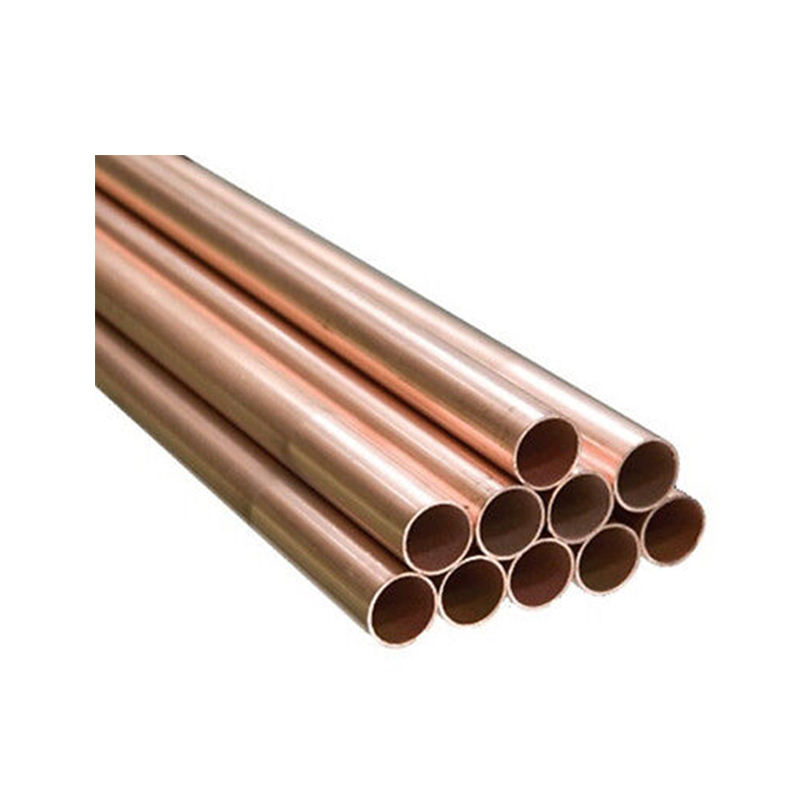
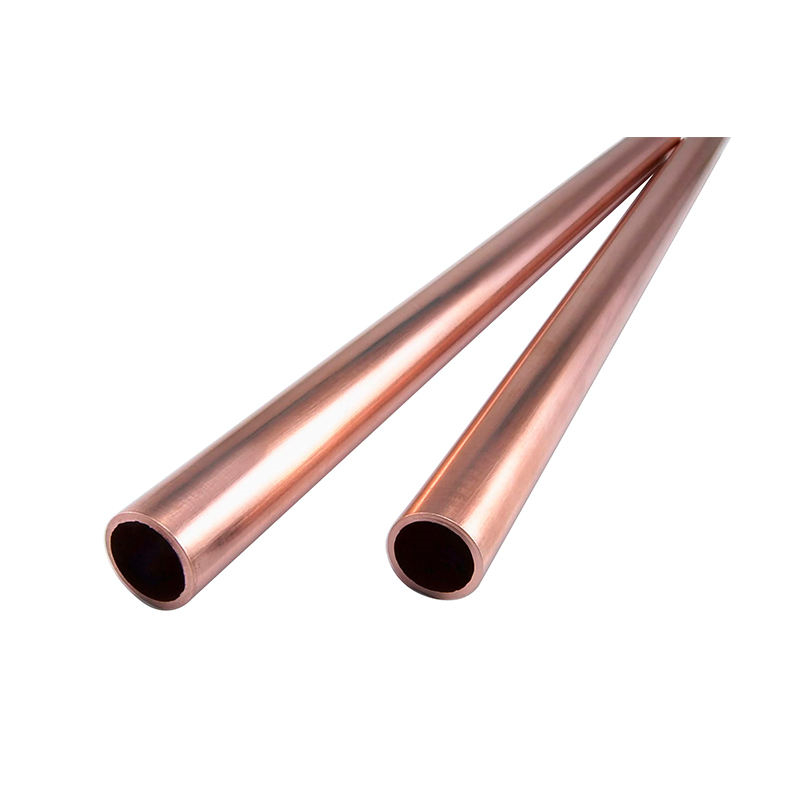
High-quality C122 seamless copper tubing, conforming to ASTM B280 standard

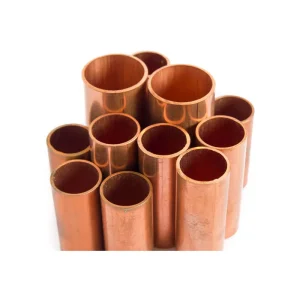
Copper pipe is a non-ferrous metal pipe, belonging to the category of seamless pipes produced by compression drawing. Copper pipe possesses excellent electrical and thermal conductivity, making it a primary material for conductive and heat dissipation components in electronic products. It has become the preferred material for water supply, heating, and cooling pipeline installations in modern residential and commercial buildings. Copper pipe is highly corrosion-resistant, does not easily oxidize, and does not readily react chemically with certain liquids. It is also easy to bend and shape.

Product Description

Copper Pipe Highlights

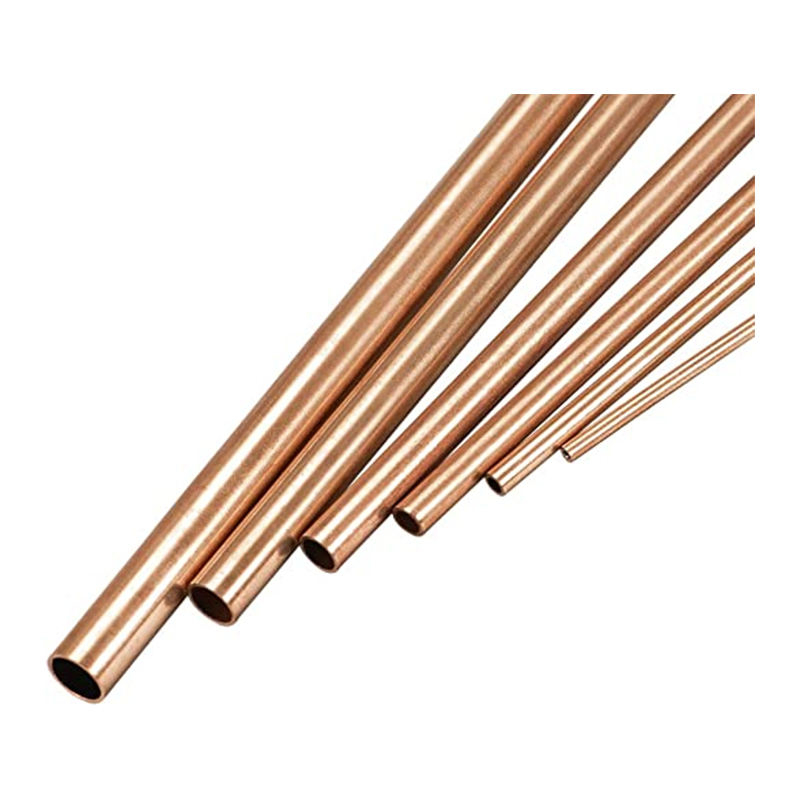
High strength at low temperatures. Commonly used in the manufacture of heat exchange equipment (such as condensers). Also used in the assembly of low-temperature pipelines in oxygen production equipment. Small-diameter copper pipes are often used to transport pressurized liquids (such as lubrication systems, hydraulic systems, etc.) and as pressure measuring pipes for instruments. Copper pipes are robust and corrosion-resistant, making them the first choice for modern contractors in the installation of water supply, heating, and cooling pipes in all residential and commercial buildings.

1. Economical: Due to the ease of processing and connection, copper pipes can save on materials and overall costs during installation, offering stability and reliability, and eliminating the need for maintenance.
2. Lightweight: For internally threaded pipes of the same inner diameter, copper pipes do not require the thickness of ferrous metals. During installation, copper pipes have lower transportation costs, are easier to maintain, and occupy less space.
3. Deformable: Because copper pipes can be bent and deformed, they can often be made into elbows and joints, and smooth bends allow copper pipes to bend at any angle.
4. Easy to connect: Simplified installation processes save time and labor.
5. Safe: Leak-proof, non-combustible, does not produce toxic gases, and is corrosion-resistant.

Copper pipes are hard, resistant to corrosion, and withstand high temperatures and pressures, making them suitable for use in various environments. In comparison, the disadvantages of many other pipe materials are obvious. For example, galvanized steel pipes, commonly used in older residences, are extremely prone to rust, leading to problems such as yellowing tap water and reduced water flow after a short period of use. Some materials also experience a rapid decrease in strength at high temperatures, posing safety hazards when used in hot water pipes. Copper, however, has a melting point as high as 1083 degrees Celsius, making the temperature of hot water systems negligible for copper pipes. Archaeologists have discovered copper water pipes dating back 4500 years inside the Egyptian pyramids, which are still usable today.
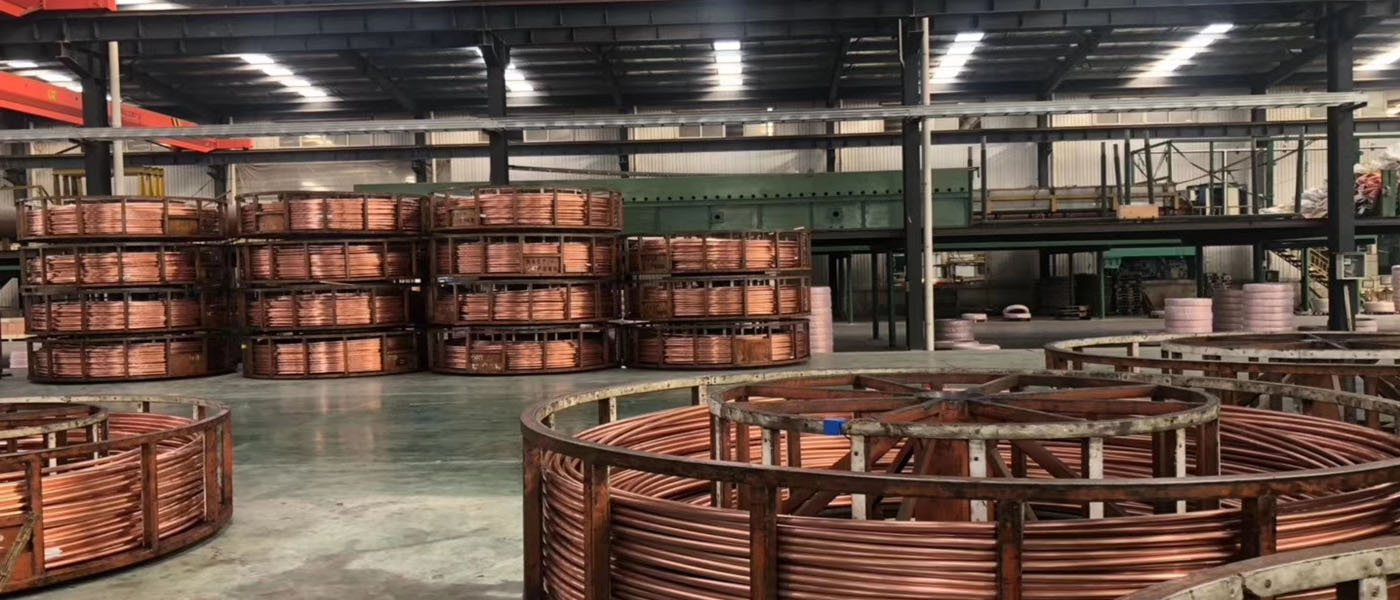
High-quality copper tubing

Product Parameters

Type Straight Copper Pipe Application Water tube, Air Condition or Refrigerator, Water heater, Oil cooler pipe
Specification OD:2mm~914mm, WT:0.5mm~80mm Grade T1, T2, T3, TU1, TU2, TU3
Length 1m, 2m, 3m, 4m, 6m, or as required. Cu (Min) 59%
Alloy Or Not Non-Alloy Ultimate Strength (≥ MPa) 205
Elongation (≥ %) 40 Wall Thickness 0.5mm~80mm
Outside Diameter 2mm~914mm Model Number ASTM, JIS, DIN, GB, EN
Processing Service Bending, Decoiling, Welding, Punching, Cutting Price term Ex-work, CIF, FOB, CFR, CNF, etc.
Export to Korea, India, UK, Singapore, Dubai, etc. - -

Packing And Shipping

Packing and Shipping details 1
Packing and Shipping details 2
Frequently Asked Questions
What are the primary advantages of using copper pipes in construction?
Copper pipes are highly durable, corrosion-resistant, and can withstand extreme temperatures and pressures. They are also economical due to their ease of installation and low maintenance requirements.
Are copper pipes suitable for hot water systems?
Yes, copper has a very high melting point (1083°C). Unlike some materials that lose strength at high temperatures, copper remains stable and safe for hot water applications.
Can copper pipes be customized for specific layout needs?
Absolutely. Copper is highly deformable, meaning it can be bent and shaped into elbows and joints, allowing for flexible installation at various angles.
How do copper pipes compare to galvanized steel pipes?
Copper pipes do not rust, whereas galvanized steel pipes are prone to corrosion over time, which can lead to yellow water and restricted flow.
What applications are these copper pipes used for?
They are commonly used for water supply, HVAC systems (air conditioning/refrigeration), heat exchangers, oil coolers, and specialized low-temperature oxygen production equipment.
Is copper tubing safe for the environment and residential use?
Yes, copper is leak-proof, non-combustible, and does not release toxic gases, making it one of the safest choices for residential and commercial plumbing.

Related Products