1 / 5
 Baimaoxing
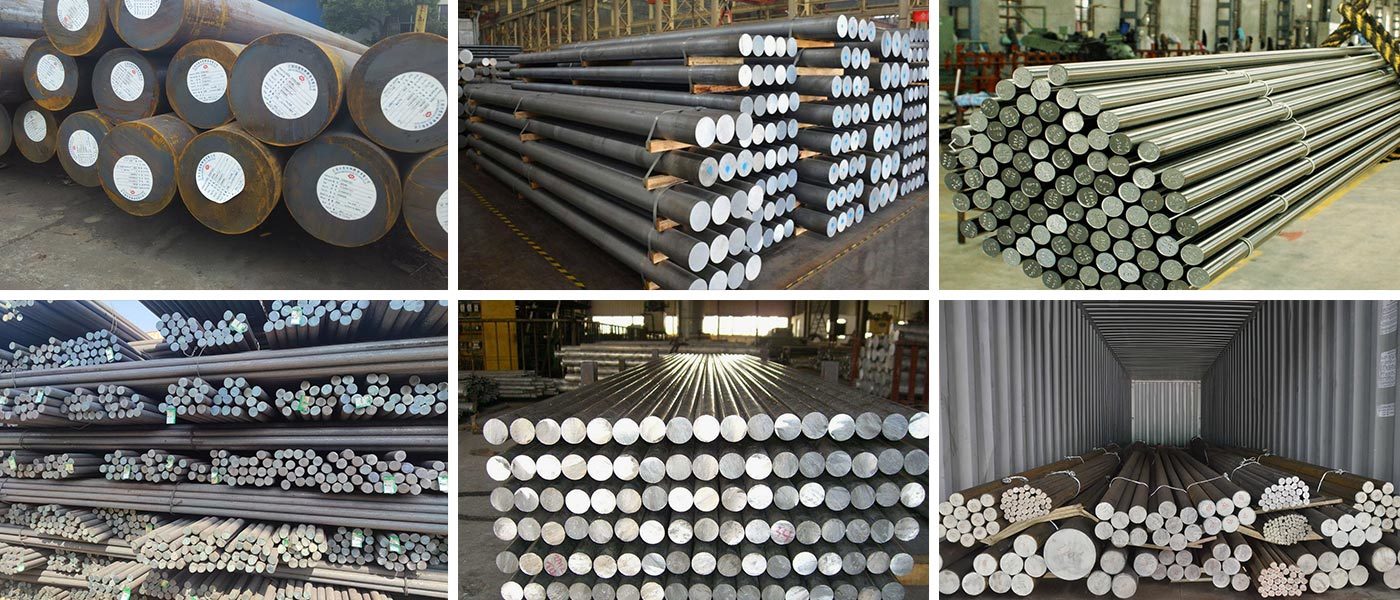
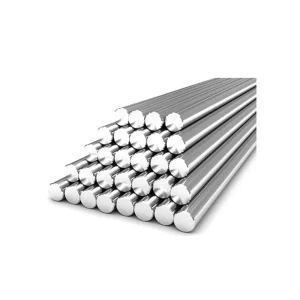
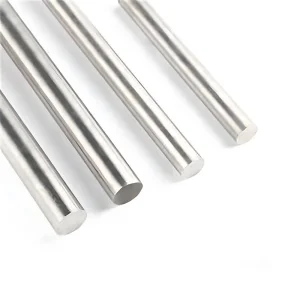
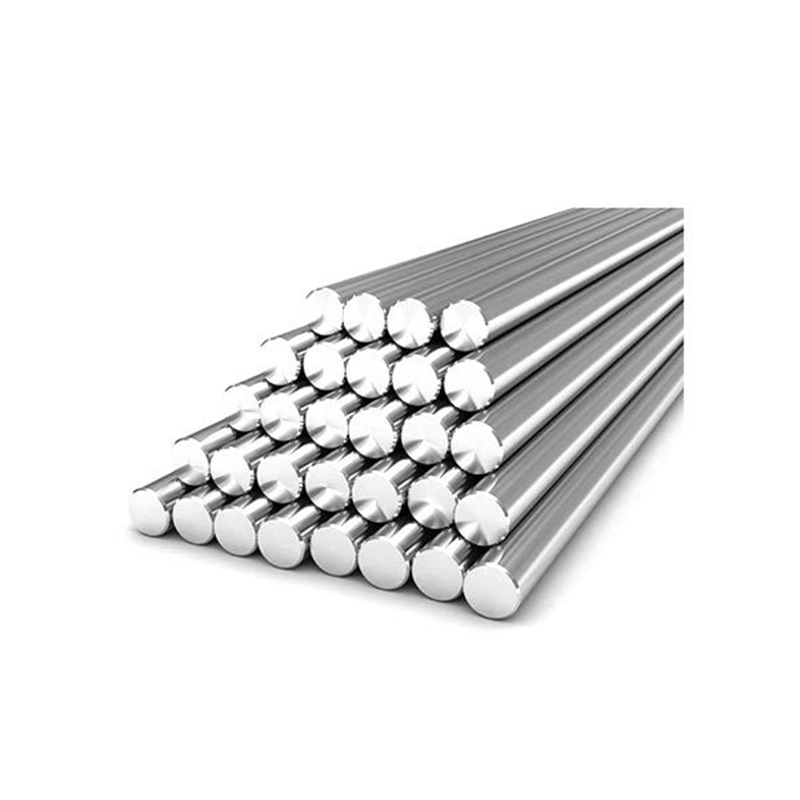
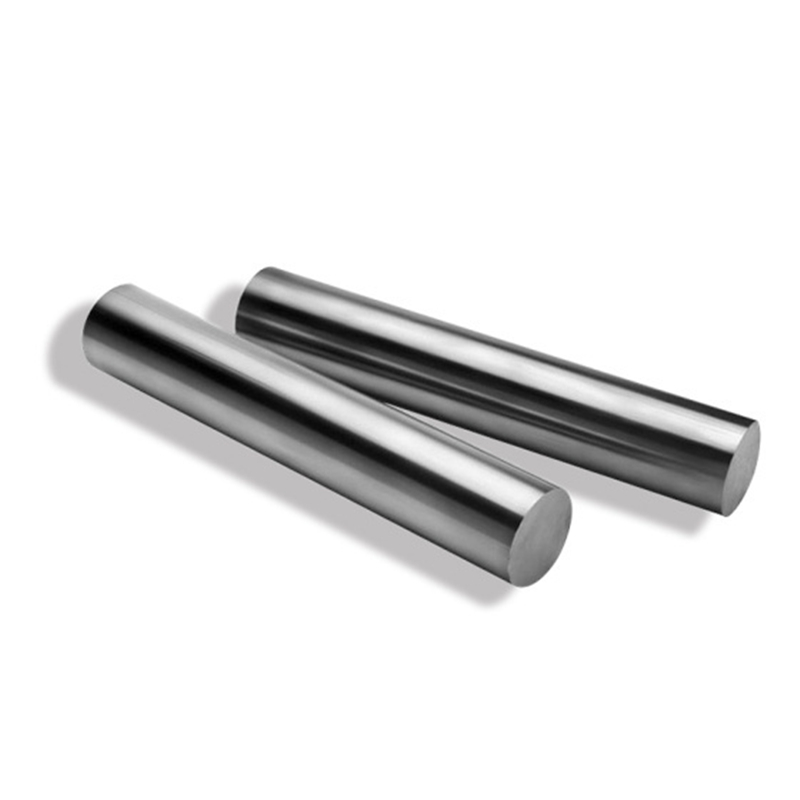
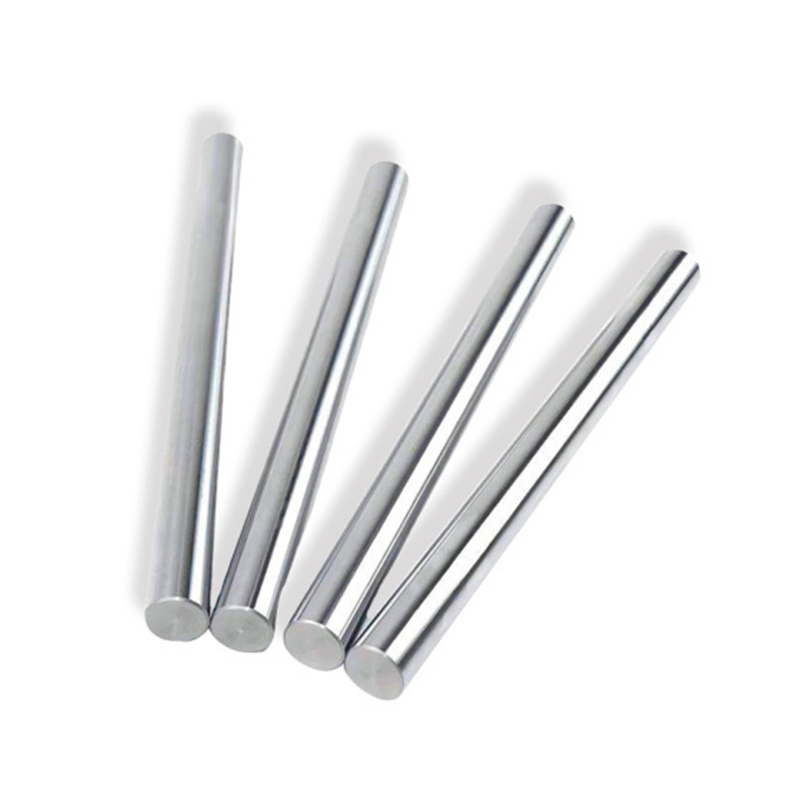
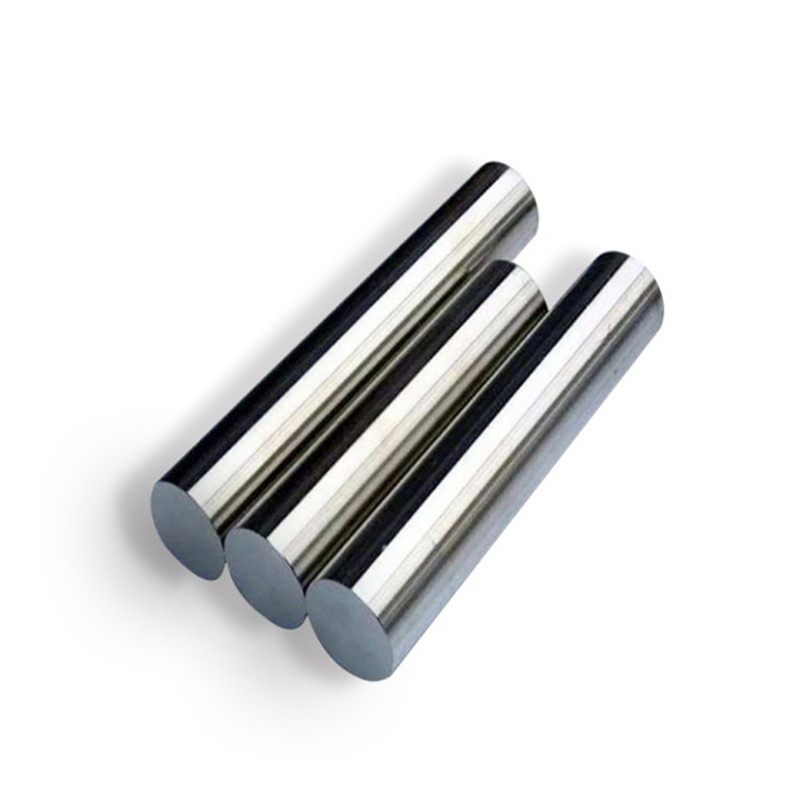
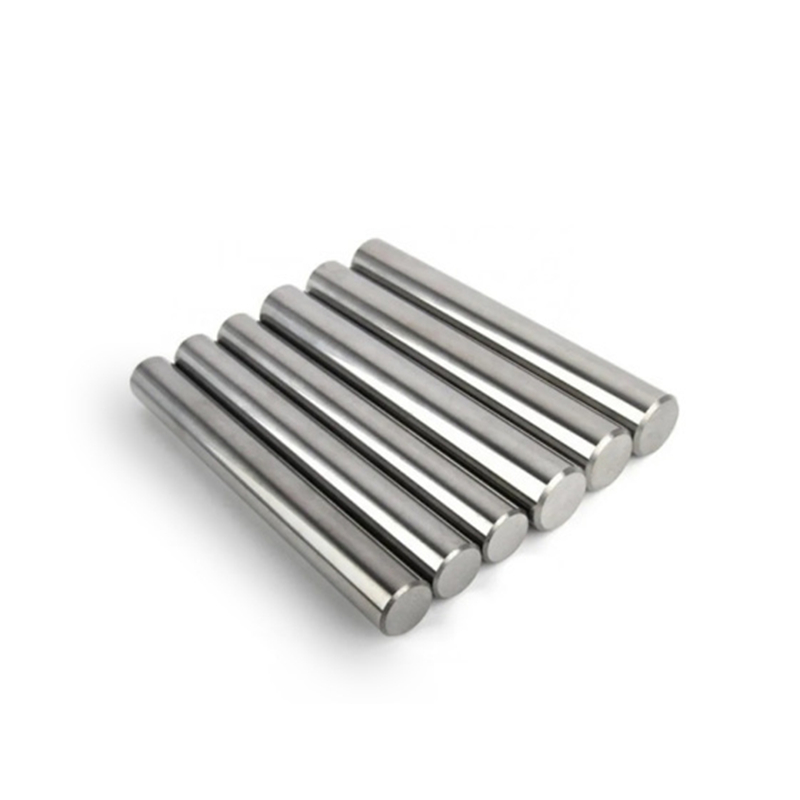
Stainless steel bars are long, round-sectioned stainless steel profiles, with mainstream grades including 201, 304, and 316L—316L stands out for its exceptional corrosion resistance in harsh environments. Their key advantages lie in strong corrosion resistance, high tensile strength, and good toughness, enduring moisture, pressure, and temperature variations. They’re easy to machine, weld, or polish, with surface finishes like pickling, 2B, and mirror polishing blending functionality and aesthetics, boasting a longer service life than carbon steel bars.
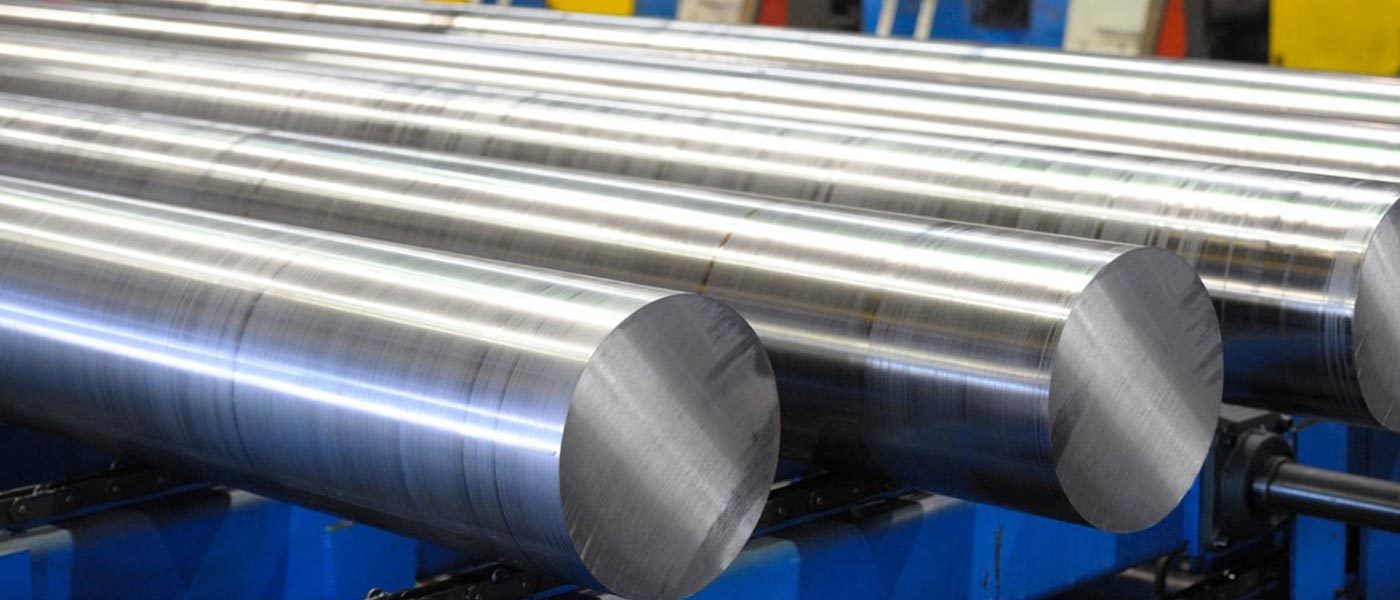
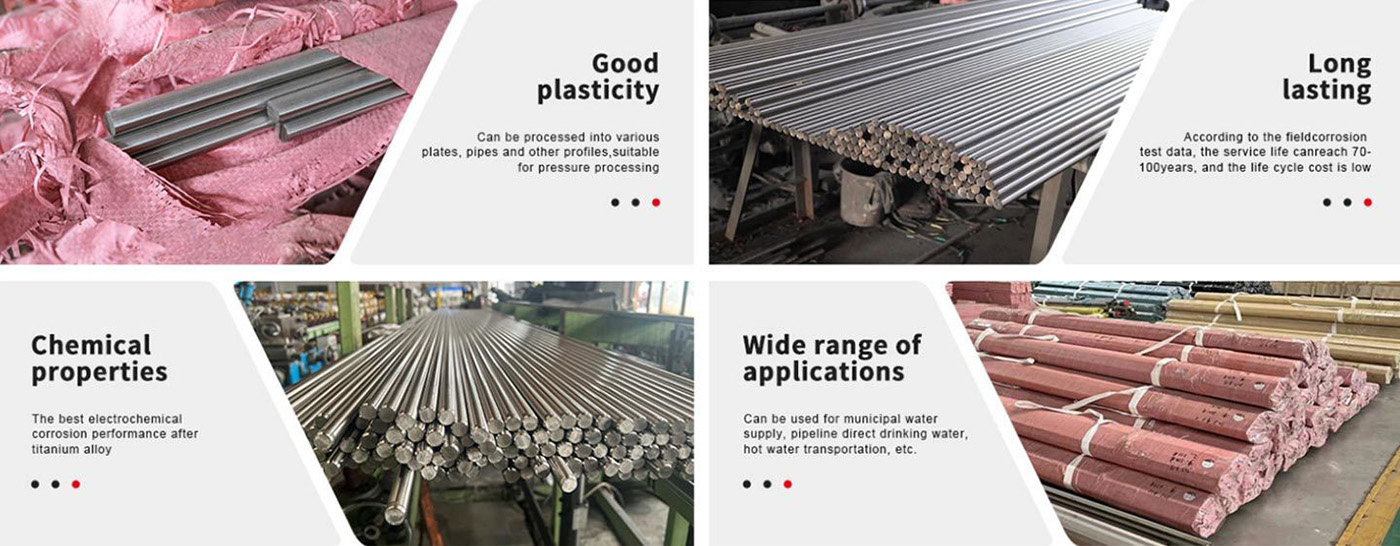
Applications span industries: machinery manufacturing uses them for shafts, gears, and fasteners; construction employs them as embedded parts and structural supports; automotive sectors adopt them for components like suspension parts; medical fields utilize them for surgical instrument components; hardware production transforms them into handles and hinges.
Installation requires pre-treatment—degreasing and derusting the surface. Connection methods depend on scenarios: welding for permanent joints, threaded machining for detachable connections, and precision fitting for mechanical parts. Post-installation, clean residues and inspect dimensional accuracy promptly.
In use, avoid direct contact with carbon steel to prevent galvanic corrosion; outdoor applications need proper fixing to resist wind loads. For acidic/alkaline media, select 316L grade and check for wear regularly. Maintenance is straightforward: clean daily with neutral detergent; remove minor rust with specialized removers then re-passivate; inspect for cracks or deformation quarterly. Store in dry, ventilated areas to avoid moisture-induced rust, ensuring consistent performance across its service life.
| Specification Item | Details |
|---|---|
| Product Name | Stainless Steel Bar |
| Standard | ASTM, GB |
| Model Number | 304 |
| Application | Building, Mechanical |
| Tolerance | ±1% |
| Processing Service | Bending, Welding, Decoiling, Punching, Cutting |
| Steel Grade | 301, 304N, 310S, 410, 316Ti, 316L, 441, 316, 420J1, 321, 410S, 410L, 436L, 443, S32304, 314, 347, 430, 309S, 304, 439, 409L, 420J2, 436, 445, 304L, 904L, 444, 301LN, 429, 304J1, 317L |
| Surface Finish | Black, Bright |
| Shape | Round |
| Grade Range | 200 Series / 300 Series / 400 Series |