 Baimaoxing
Baimaoxing
Baimaoxing
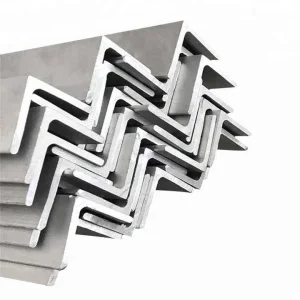
Premium steel alloys, non-ferrous metals, and customized profile shapes engineered to strict global industrial specifications.
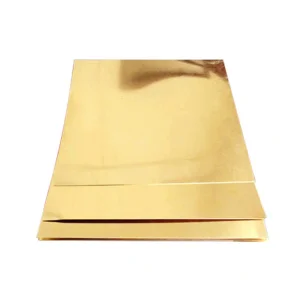
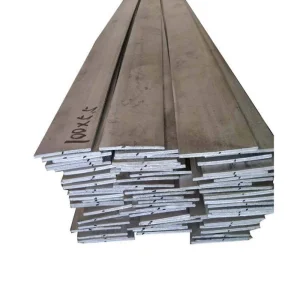
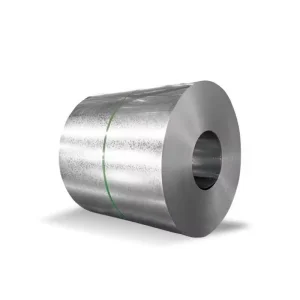
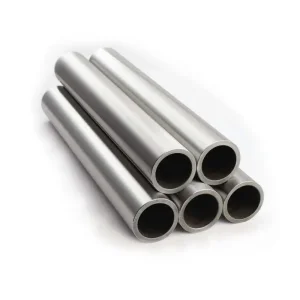
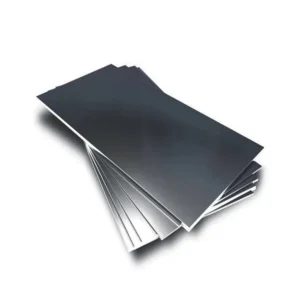
Understanding the chemical architecture, hardening mechanisms, and mechanical reliability of high-grade NM400 plates.
The designation NM400 is an industry-standard term within the Chinese GB (Guobiao) standard system, where "NM" stands for Nai Mo (耐磨, Wear-Resistant) and "400" represents the nominal Brinell hardness value of 400 HBW. Achieving this elevated level of wear-resistance requires advanced metallurgical design and controlled thermomechanical processing, specifically Quenching and Tempering (Q&T). This ensures that while the surface provides exceptional resistance against abrasive wear, the core retains the tough characteristics necessary to absorb sudden structural shocks without fracture.
For global engineering, procurement, and project directors, understanding the relationship between chemical additives (like Chromium, Nickel, Manganese, Boron, and Molybdenum) and the resultant mechanical output is vital. NM400's microstructure typically consists of tempered martensite combined with fine carbides, offering a synergistic blend of toughness, crack mitigation, and high abrasive lifespan.
Unlike standard high-carbon steels that risk brittle failure under sudden shear forces, NM400 exhibits excellent Charpy V-notch impact energy at sub-zero temperatures (down to -20°C or -40°C on request).
Features low carbon-equivalent values (CEV) relative to its hardness class. This formulation lowers cracking susceptibilities during welding and simplifies preheating guidelines.
Typically yields a service life 3 to 5 times greater than that of standard structural steel (such as Q355B or A36) under high-abrasion working environments.
| Alloy Grade | C (max %) | Si (max %) | Mn (max %) | P (max %) | S (max %) | Cr (max %) | Mo (max %) | B (max %) |
|---|---|---|---|---|---|---|---|---|
| NM400 (GB/T 26303) | 0.25 | 0.70 | 1.60 | 0.025 | 0.010 | 1.00 | 0.50 | 0.0050 |
| Hardox 400 (Equivalent) | 0.15 | 0.70 | 1.60 | 0.025 | 0.010 | 0.50 | 0.25 | 0.0040 |
| XAR 400 (Equivalent) | 0.20 | 0.80 | 1.50 | 0.025 | 0.010 | 1.00 | 0.50 | 0.0050 |
Analyzing how Chinese steel producers deliver price stability, technical compliance, and vertical supply integrations.
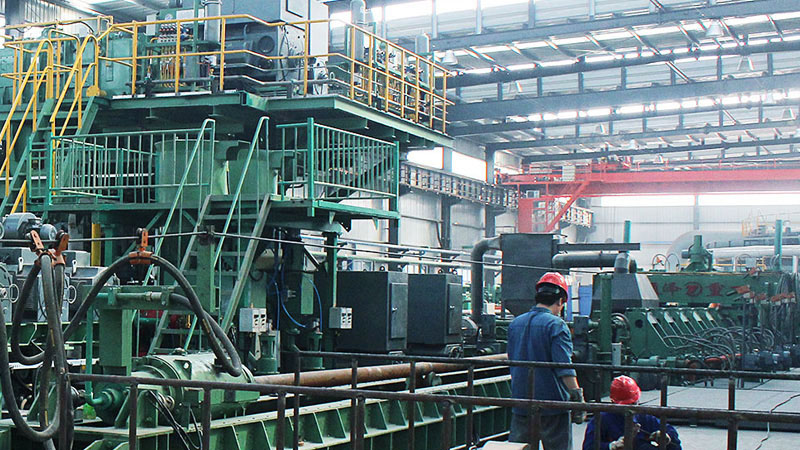
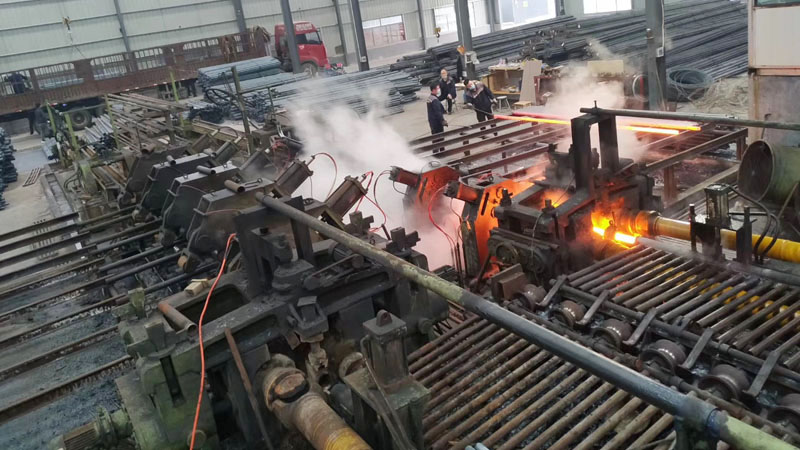
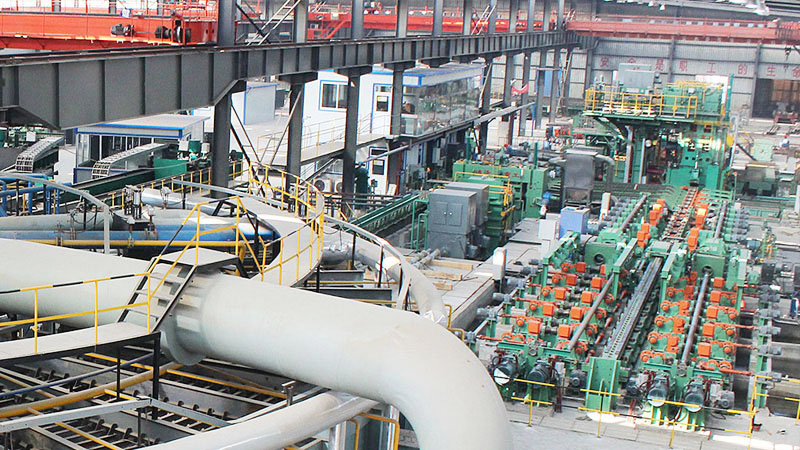
Chinese steel mills use state-of-the-art thermomechanical control processing (TMCP) and ultra-fast cooling setups. This guarantees microstructural consistency, allowing plates to maintain uniform hardness from surface to core.
By leveraging large-scale vertical integration, manufacturers in major steel clusters like Liaocheng and Shandong maintain direct supply ties with major global iron ore and alloy suppliers, shielding buyers from price swings.
Due to huge domestic infrastructure demands and advanced production volumes, Chinese manufacturers offer competitive price-to-performance metrics, allowing heavy machinery OEMs to optimize project budgets.
Proximity to key domestic maritime ports (such as Qingdao, Tianjin, and Shanghai) reduces internal transport costs and minimizes lead times. Top exporters provide comprehensive anti-rust treatments, heavy-duty seaworthy packaging, and flexible breakbulk or containerized shipping options.
Aligning Chinese manufacturing standards with ASTM, EN, ISO, and site-specific project demands.
We offer accurate mapping between GB NM400, Hardox 400, XAR 400, Dillidur 400, and Sumihard 400. This ensures design calculations made under European or North American specifications remain fully valid without compromising structure.
Our mills provide complex cutting (CNC plasma, oxy-fuel, and waterjet), high-precision bending (press brakes up to 2000 tons), drilling, chamfering, and custom counter-sinking for liner plate bolts.
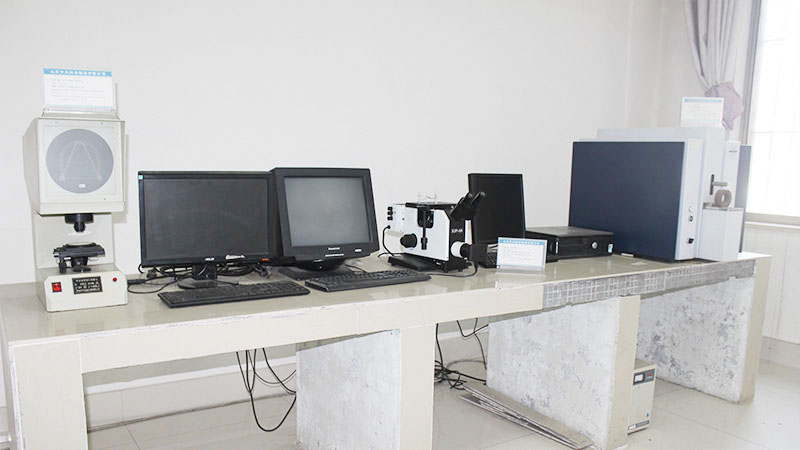
Testing covers Ultrasonic Testing (UT) to ASTM A578 Level A/B/C, surface-Brinell checking, through-thickness testing (Z-performance Z15/Z25/Z35), and third-party laboratory verifications (SGS, TUV, Bureau Veritas).
Analyzing NM400 performance under high-abrasion, impact-heavy environments across diverse global industries.
In gold, iron, and coal extraction processes, raw ore sliding down chutes causes rapid scratching abrasion. NM400 acts as a sacrificial liner, protecting structural frames and extending intervals between maintenance shutdowns from months to years.
Excavator buckets scrape against sandstone, granite, and gravel. Using NM400 on the bucket lips, side cutters, and wear strips prevents deformation and structural thinning while keeping tare weight optimal for fuel efficiency.
Moving wet, abrasive cement aggregate generates complex chemical-abrasive stresses. NM400's fine carbide structure resists wear from fine aggregates, ensuring mixer drums maintain shape without cracking.
Essential advice for mitigating supply risks, validating credentials, and managing shipping logistics.
Ensure your supplier offers MTCs compliant with EN 10204 type 3.1. This certificate should show chemical analysis, heat treatment metrics (Q&T temperature parameters), and mechanical test results.
Clarify thickness, flatness, and diagonal tolerances before shipping. Ensure NM400 plates conform to ASTM A6 or EN 10029 requirements to avoid issues with automated manufacturing equipment.
Ensure plates undergo shot blasting, surface priming, and shrink-wrapping with desiccants. For marine freight, inspect the cargo hold settings (under-deck storage is critical to avoid saltwater damage).
Key technological shifts driving the next generation of wear-resistant plate materials.
Trend 1: Green Steel & Low-Carbon Smelting. Manufacturers are shifting to electric arc furnaces (EAF) powered by renewable energy and hydrogen reduction methods to align with EU Carbon Border Adjustment Mechanism (CBAM) rules.
Trend 2: Ultra-High Hardness Classes. Transitioning from NM400 to higher grades (NM450, NM500, and NM600) allows designers to reduce plate thickness without reducing service life, lowering overall machinery weights.
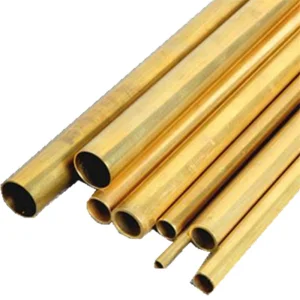
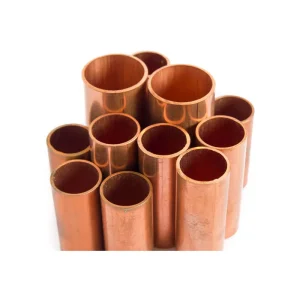
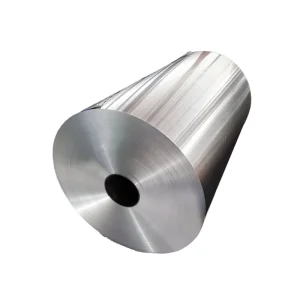
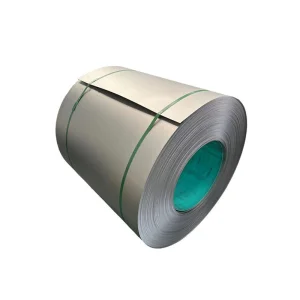
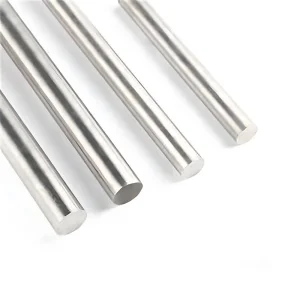
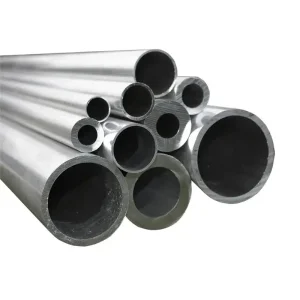
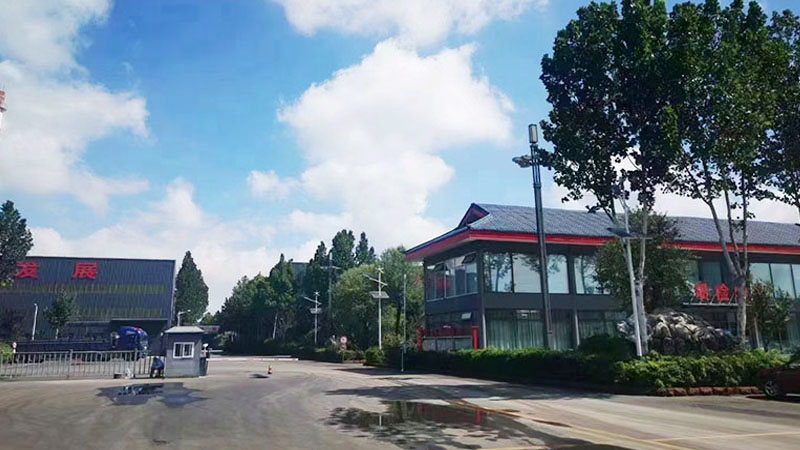
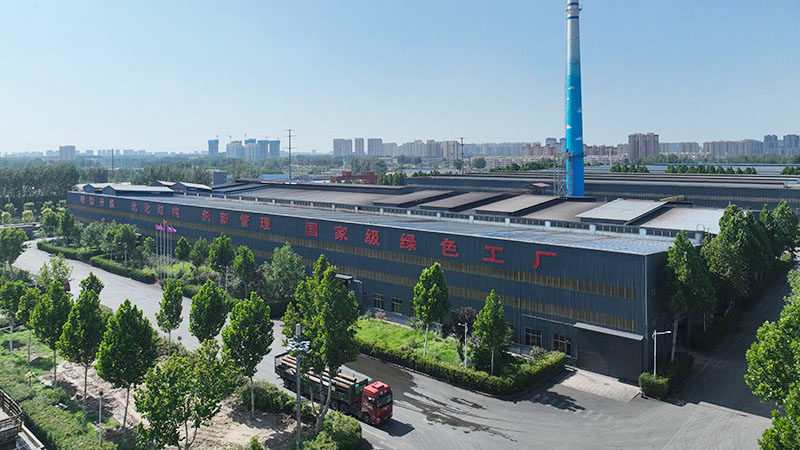
Located in Liaocheng City, Shandong Province, China, Shandong Baimaoxing Iron and Steel Co., Ltd. is a large-scale steel supplier specializing in research and development, processing, sales, and technical services. Our comprehensive business portfolio covers wear-resistant plates, steel pipes, carbon alloy steel round bars, stainless steel products, copper and aluminum tubing, titanium coils, and color-coated steel (PPGI & PPGL).
By utilizing scientific management models and modern quality control systems, Baimaoxing's products are widely used in critical sectors, including aerospace, petrochemical engineering, defense equipment, shipbuilding, logistics rail systems, packaging machinery, and high-performance engineering machinery.
9001:2015 Certified
All manufacturing lines comply with European RoHS and SGS standards, assuring international environmental and engineering compliance.
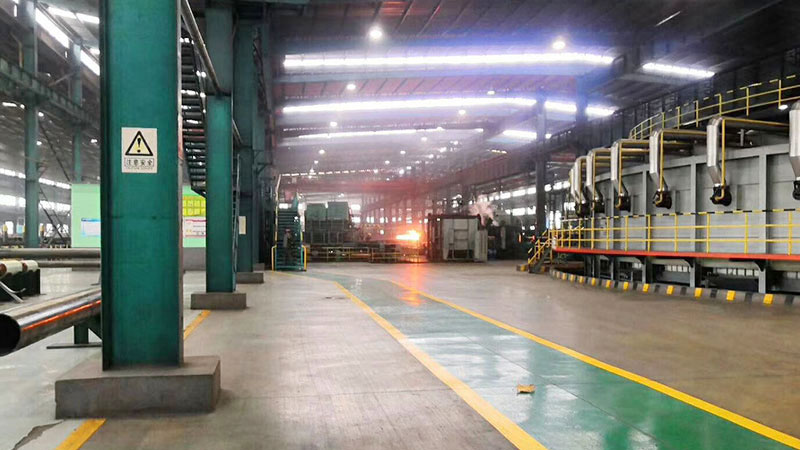
Explore our rolling, processing, and quality control systems.
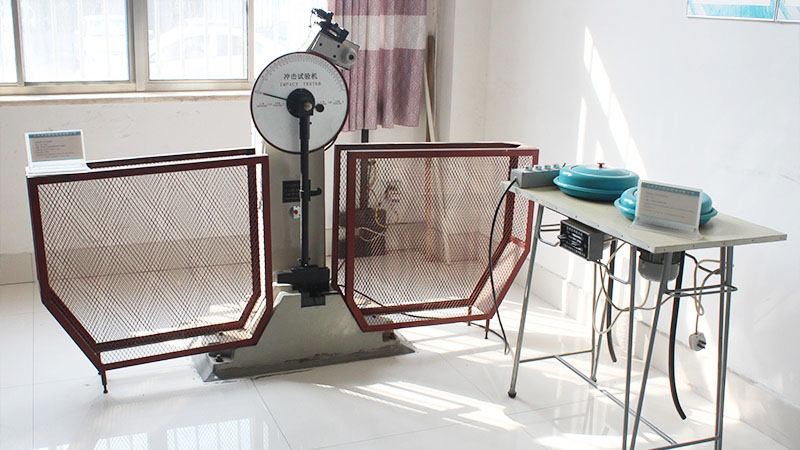
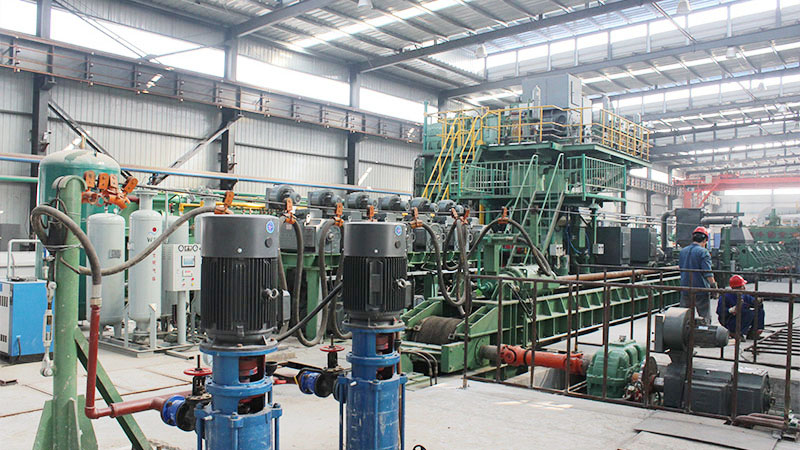
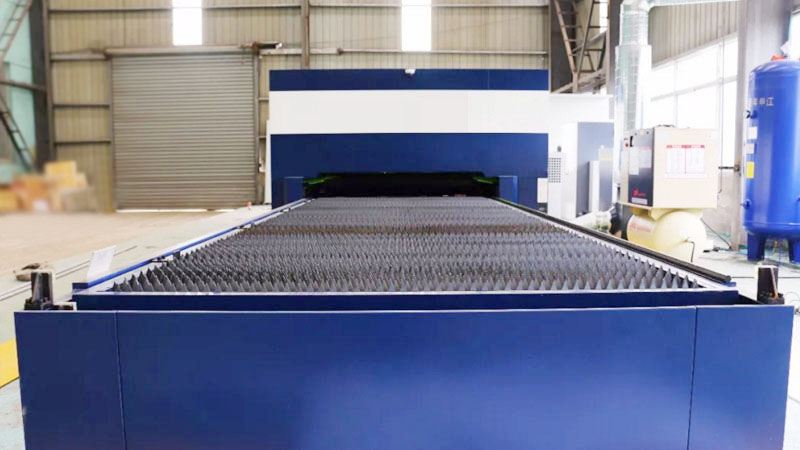
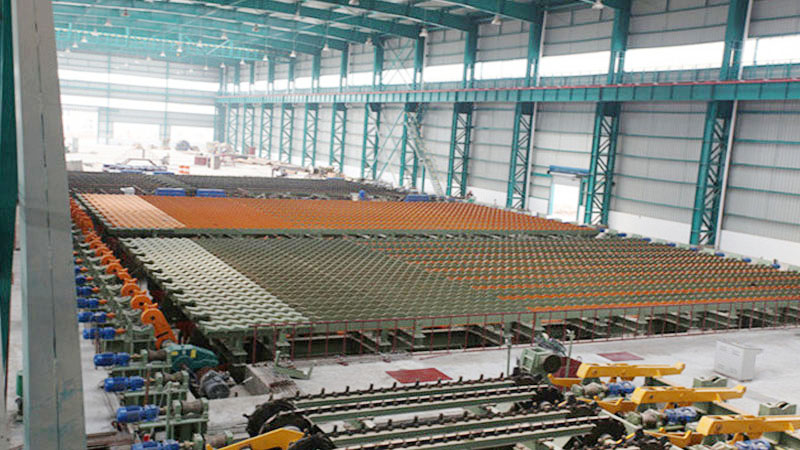
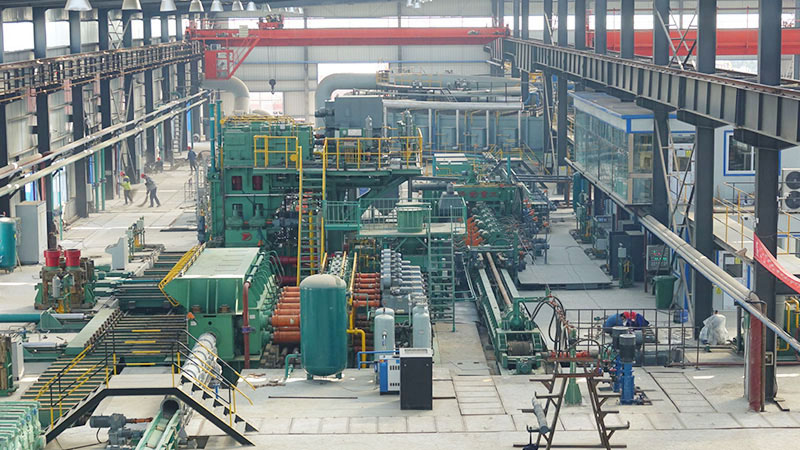
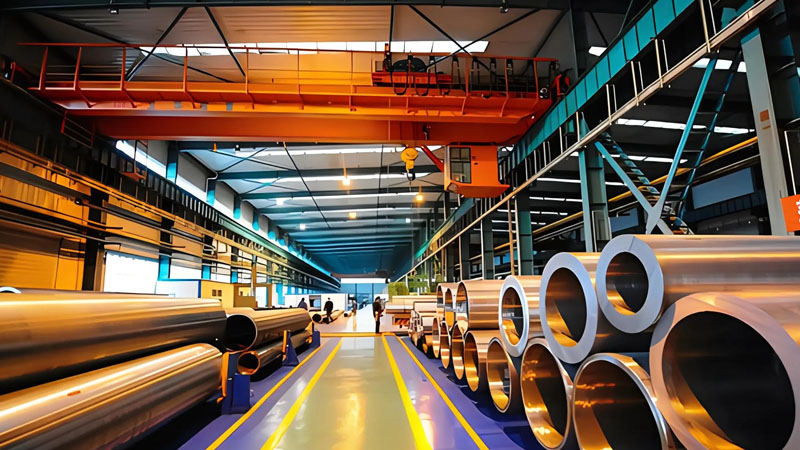
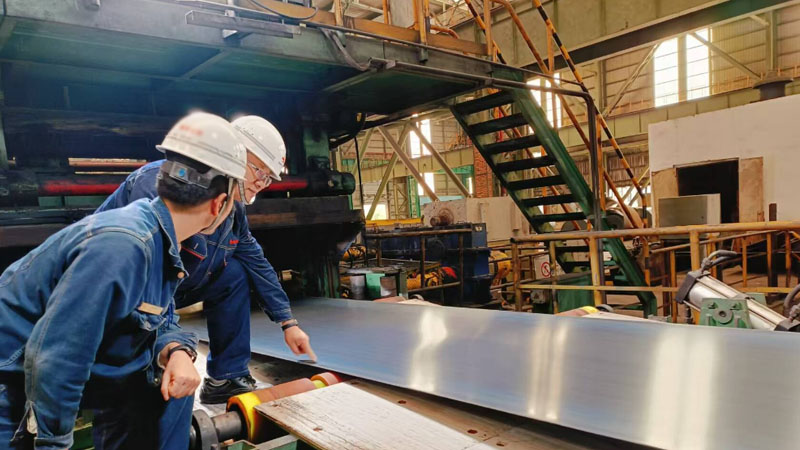
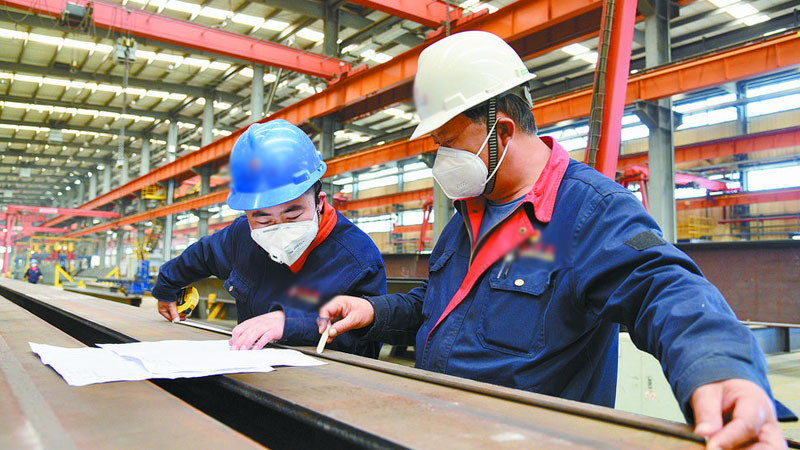
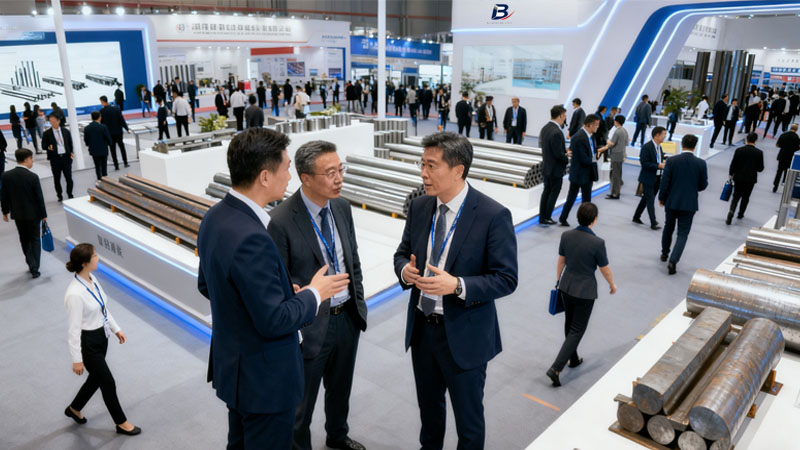
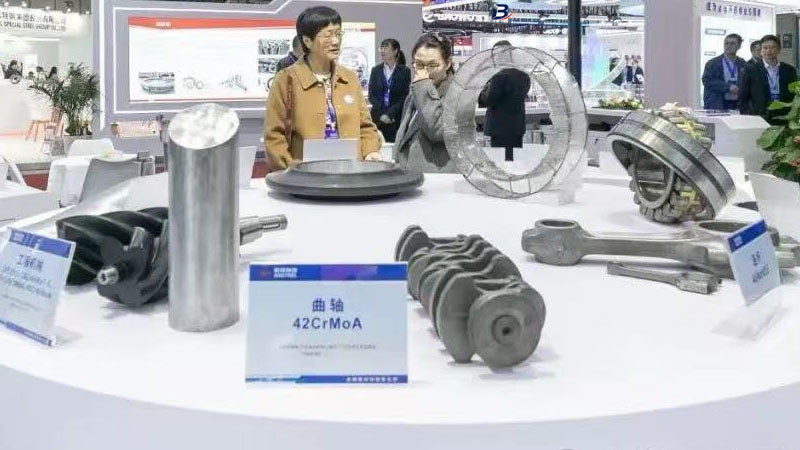
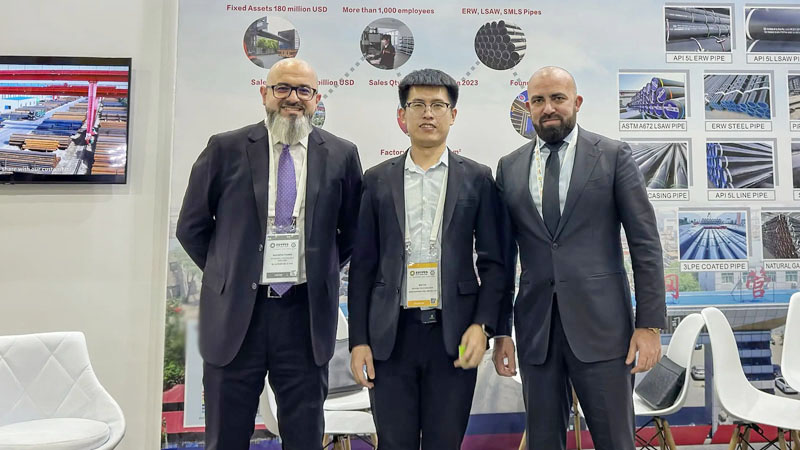
Strengthening global supply footprints and demonstrating engineering innovations at industrial trade shows.
Detailed technical answers addressing standard specifications, fabrication rules, and shipping.
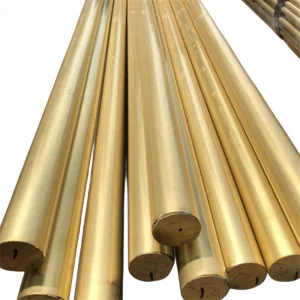
Premium raw materials and copper, brass, aluminum, and titanium alloys manufactured to global specifications.