Baimaoxing Baimaoxing

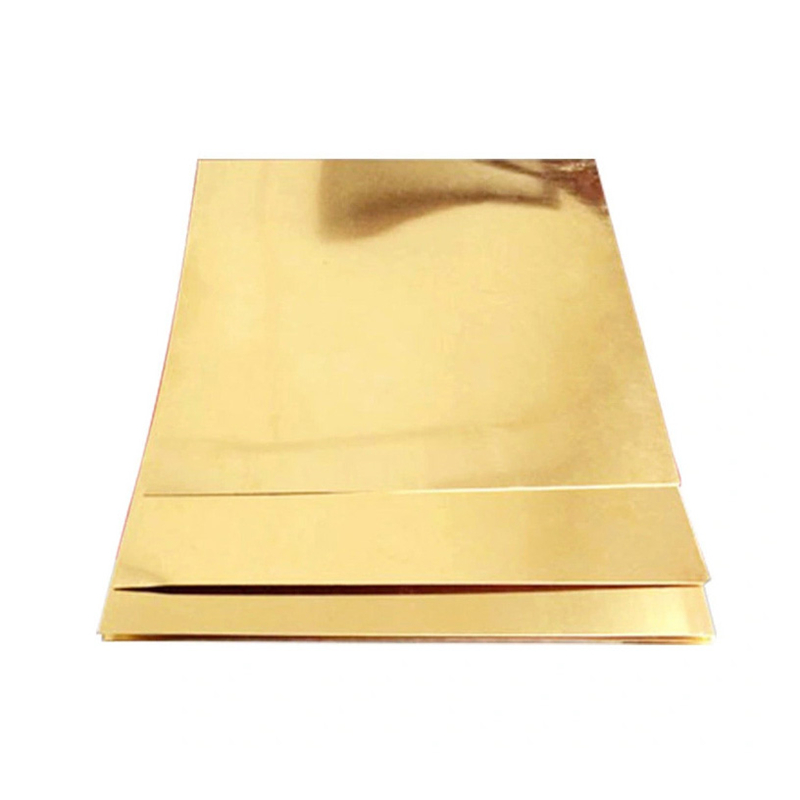
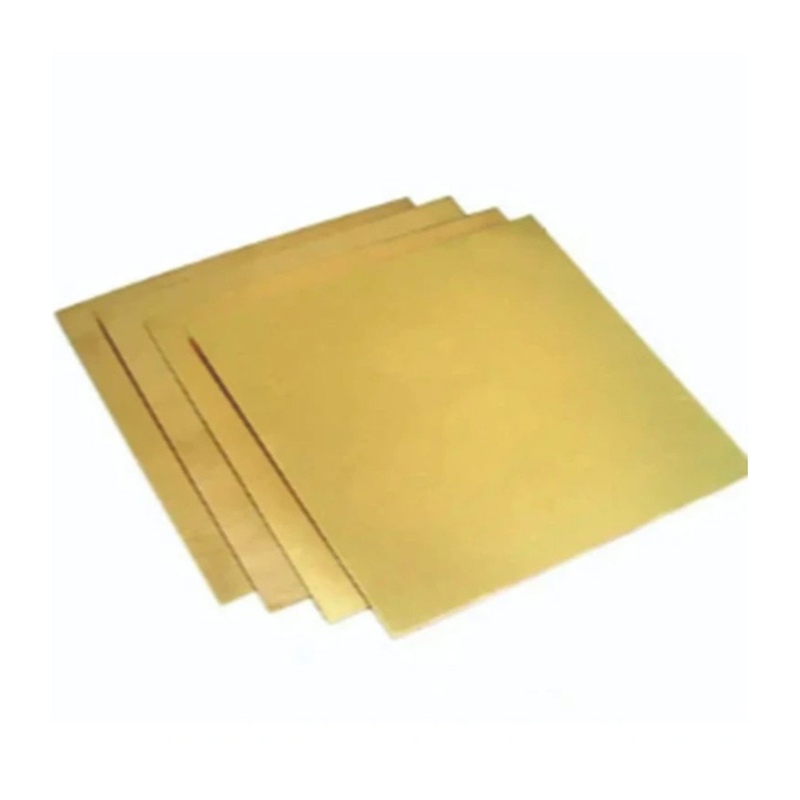
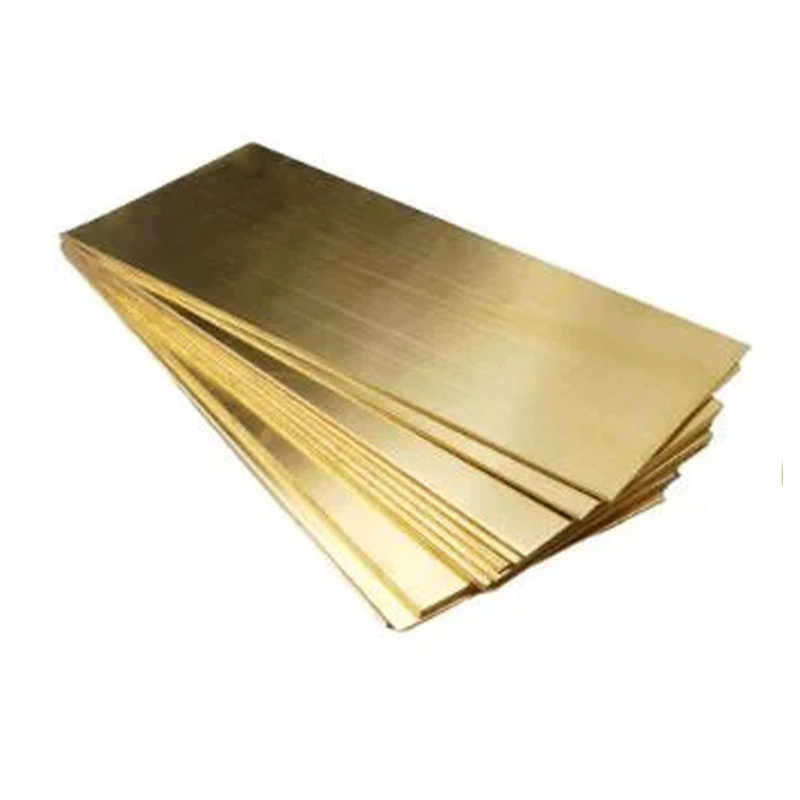
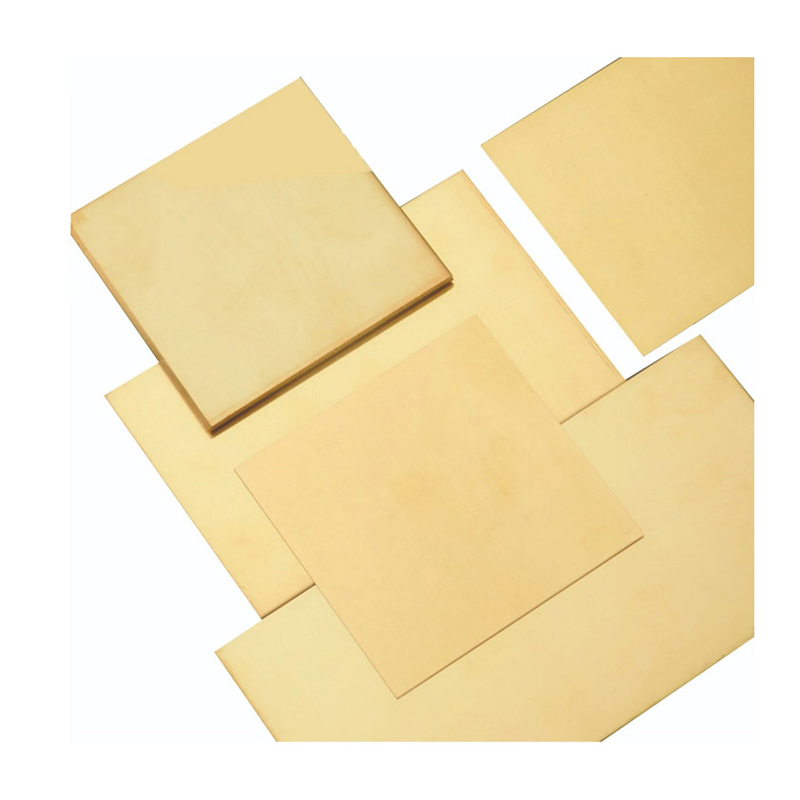
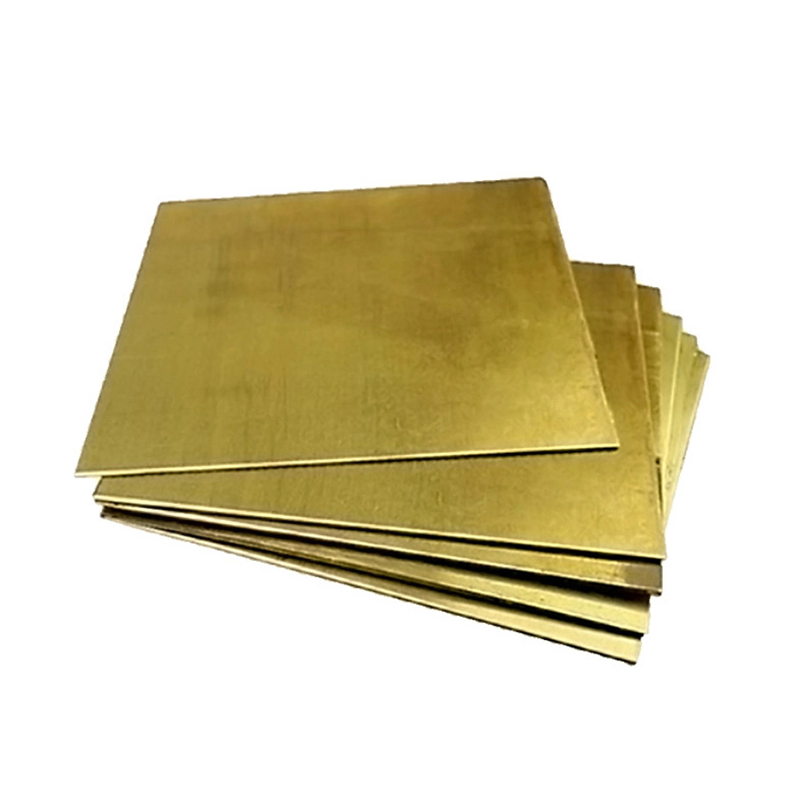
China Wear-resistant C28000 C26000 brass plate for decoration and construction Supplier, Factories

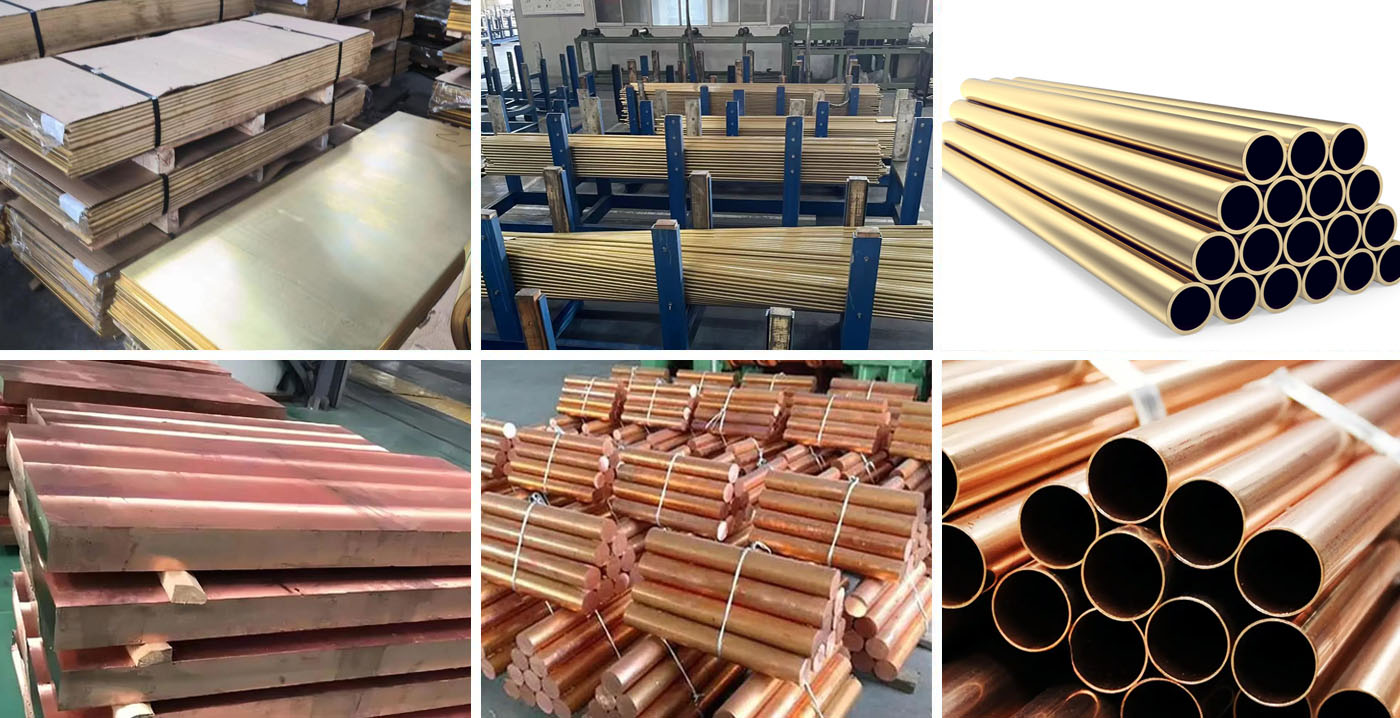
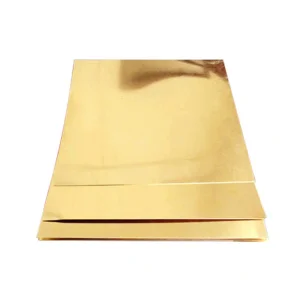
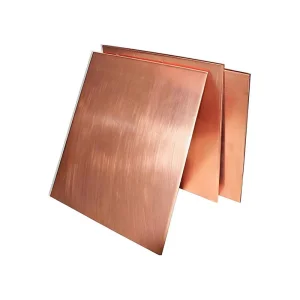
Brass plates come in a variety of specifications, with common thicknesses ranging from 0.5mm to 50mm, widths from 100mm to 2000mm, and lengths that can be customized as needed. The production processes include hot rolling, cold rolling, and drawing, among others, each of which affects the hardness and surface finish of the plates.It is a durable, recyclable, and widely available material, balancing performance with cost-effectiveness for engineers, architects, and manufacturers across diverse sectors.

Product Description

Brass Plate Product Details

Brass plate is a widely used non-ferrous metal alloy sheet primarily composed of copper and zinc. Its classic golden-yellow appearance makes it not only functionally versatile but also aesthetically distinctive. By adjusting the zinc content and adding other alloying elements like tin, lead, aluminum, or manganese, various grades of brass with tailored properties can be produced to meet specific application needs. This results in two main categories: ordinary brass and special (or multi-component) brass.

Core Advantages

Superior Machinability, Excellent Mechanical and Corrosion Resistance, High Electrical and Thermal Conductivity, and 100% Recyclable.

Key Applications

Industrial Manufacturing (Gears, Valves), Electrical Engineering (Connectors), Architecture (Decorative Panels), and Marine Environments.
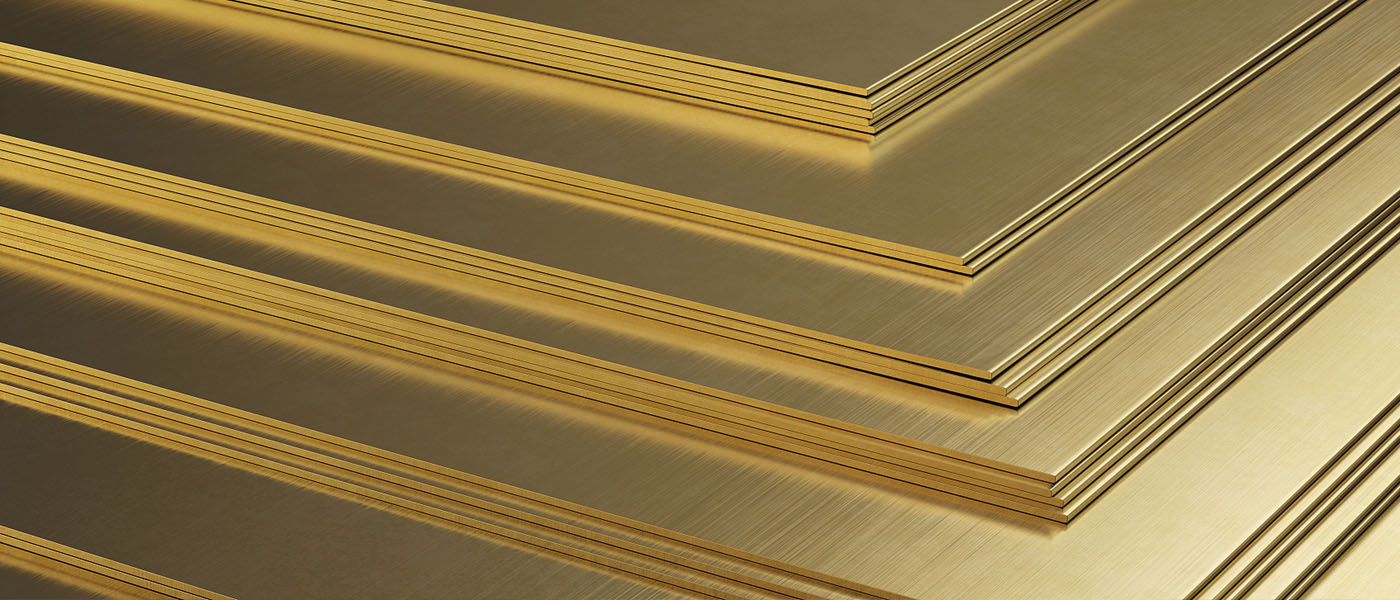
High quality brass plate

Technical Parameters

Model Number C10200, C12000, C12200 Application Decorative, Air condition, Refrigerator
Thickness 0.1mm - 200mm Shape Plate / Sheet
Width 20mm - 2500mm Material High Quality Brass
Cu (Min) 99.9% Ultimate Strength 220 - 400 MPa
Elongation 35% Surface Finish Polished / Bright
Hardness Hard / Half Hard / Soft Length Customized as per demand

Packing & Shipping

Standard Export Packing
Metal Plate Shipping Protection

Frequently Asked Questions

1. What are the primary elements in a brass plate?
Brass plates are non-ferrous metal alloys primarily composed of copper and zinc. The ratio can be adjusted to create different grades with specific mechanical properties.
2. Does brass plate rust or corrode easily?
Brass has excellent natural corrosion resistance. Special grades like Naval Brass (containing tin) are specifically designed to resist seawater and harsh marine environments.
3. Can brass plates be used for electrical components?
Yes, brass possesses good electrical and thermal conductivity, making it an ideal choice for electrical connectors, terminals, and switch components.
4. What makes brass plate suitable for decoration?
Its attractive golden-yellow appearance, combined with ease of polishing and durability, makes it highly popular for architectural cladding, roofing, and artistic crafts.
5. Is the material environmentally friendly?
Absolutely. Brass is a fully recyclable material, meaning it can be repurposed without losing its essential physical properties, supporting sustainable manufacturing.
6. What thicknesses are available for brass plates?
We provide a wide range of thicknesses from 0.1mm for delicate sheeting up to 200mm for heavy industrial plate applications.

Related Products