Baimaoxing Baimaoxing

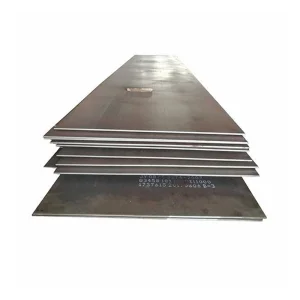
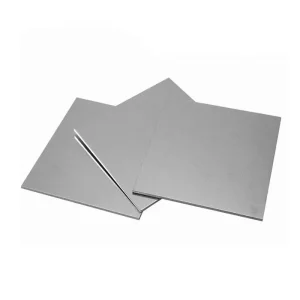
High-Quality 410 Stainless Steel Plate Manufacturers & Factory

Global Engineering Solutions & Precision Metallurgical Excellence

The Metallurgy of 410 Stainless Steel: A Technical Overview

410 stainless steel is a martensitic stainless steel, fundamentally distinguished by its high carbon content and the ability to be heat-treated. Unlike austenitic grades like 304 or 316, 410 offers a unique balance of strength, hardness, and wear resistance, making it an indispensable material for heavy-duty industrial applications.

At the molecular level, the 410 alloy composition—typically containing 11.5% to 13.5% chromium—enables it to form a passive surface layer, offering moderate corrosion resistance. However, its true value lies in its quench-hardenable nature. When heat-treated, 410 plates achieve exceptional tensile strength, making them the preferred choice for applications requiring structural integrity under thermal stress.

Material Composition

Optimized 11.5%-13.5% Cr content ensuring both hardness and resistance to mild chemical environments.

Thermal Processing

Capability for tempering and annealing to achieve specific hardness levels (HRC) required for industrial tooling.

Surface Finish

Available in 2B, NO.1, and polished finishes, tailored to aerospace and automotive specifications.
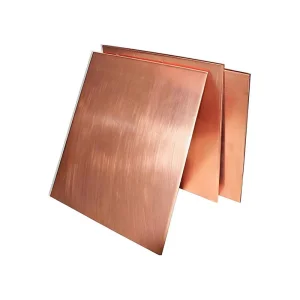
Global Industrial Procurement & Supply Chain Roadmap

Sourcing high-quality 410 stainless steel plates requires a deep understanding of global supply chain dynamics. In a market fluctuating with raw material prices and geopolitical shifts, procurement managers must prioritize suppliers that demonstrate "vertical integration"—factories that control the process from smelting to rolling and heat treatment.

Key Selection Criteria for Global Enterprises:

  • Metallurgical Consistency: Ensure the supplier adheres to ASTM A240 standards, providing mill test certificates that verify chemical composition.
  • Processing Flexibility: High-quality manufacturers provide more than just raw plates. Look for partners offering CNC laser cutting, water-jet cutting, and precision edge-beveling services to minimize post-purchase fabrication time.
  • Logistical Reliability: Given the weight of stainless steel plate shipments, logistics partners must specialize in heavy-cargo export, utilizing specialized packaging to prevent surface oxidation or mechanical damage during transit.

Future Outlook: Sustainability and Advanced Manufacturing

The steel industry is entering a "Green Era," and 410 stainless steel production is no exception. Innovations in Electric Arc Furnace (EAF) smelting and hydrogen-based reduction processes are significantly reducing the carbon footprint of steel production. As a leading manufacturer, our roadmap includes increasing the recycled content in our melt cycles while maintaining strict impurity control to preserve the mechanical properties of the final 410 plate.

Furthermore, digital transformation in manufacturing—the use of "Digital Twins" to simulate thermal stress on plates—is allowing us to predict material failure before it happens, offering our clients a product that is not only robust but engineered for longevity.

Compliance, Certification, and Localized Support

Navigating international regulatory landscapes is a core aspect of our service. Whether you are in the EU requiring RoHS and REACH compliance, or in North America needing specific ASME pressure vessel certifications, our manufacturing processes are audited to meet global standards. We provide localized technical support teams that bridge the communication gap, ensuring that specifications—from thickness tolerances to Rockwell hardness—are precisely met.

Frequently Asked Questions (FAQ)

Q: Is 410 stainless steel magnetic?

Yes, 410 is a martensitic stainless steel and is inherently magnetic in all conditions. This is a distinguishing feature compared to common austenitic grades like 304 or 316.

Q: What is the primary difference between 410 and 420 stainless steel?

The primary difference is the carbon content. 420 has higher carbon content, allowing for greater hardness after heat treatment, whereas 410 provides a balance of toughness and hardness, often used where moderate corrosion resistance is sufficient.

Q: Does 410 stainless steel require pre-heating for welding?

Yes, due to its air-hardening nature, 410 should be pre-heated before welding to prevent stress cracking in the heat-affected zone. Proper post-weld tempering is also recommended.