 Baimaoxing
Baimaoxing
Baimaoxing
In the current macroeconomic climate, steel rebar (Reinforcing Bar) remains the backbone of global infrastructure development. From the skyscrapers of Dubai to the high-speed rail networks across Southeast Asia, the demand for high-tensile rebar is surging. Understanding OEM steel rebar prices requires a deep dive into raw material costs (iron ore and scrap steel), energy logistics, and regional trade policies.
Prices are currently influenced by the 2024 "Green Steel" initiatives. Manufacturers adopting electric arc furnaces (EAF) are seeing different cost structures compared to traditional blast furnaces.
China remains the largest exporter, but emerging hubs in Vietnam and Turkey are shifting the supply chain. OEM factories in Shandong provide a strategic balance of cost and logistical speed.
Urbanization in developing nations and the "Retrofitting" movement in Western nations (updating old bridges/tunnels) keep the demand for BS 4449 and ASTM A615 standards at record highs.
When buyers search for a rebar factory, they are looking for more than a low quote; they are looking for Efficiency, Precision, and Scalability. Chinese factories, particularly those located in Liaocheng, Shandong, have optimized the "One-Stop Steel Service" model.
Steel rebar isn't a "one-size-fits-all" product. Its application varies drastically based on the local climate and structural requirements.
Using 8mm-12mm rebar for residential framing. Focus on high ductility for earthquake-prone zones.
Epoxy-coated rebar used in piers and coastal bridges to prevent salt-water corrosion (Galvanized Grade 75).
Foundation steel for wind turbines and nuclear power plant containment structures requiring Grade 80+ steel.
Pre-stressed steel bars for railway sleepers and high-load highway overpasses.
Procurement departments of multinational construction firms often struggle with Information Gain regarding hidden costs. Beyond the EXW/FOB price, enterprises must consider the carbon footprint (CBAM compliance in Europe), the chemical composition (Carbon Equivalent value for weldability), and the certification validity (SGS, BV, or ISO).
Shandong Baimaoxing Iron and Steel Co., Ltd. is located in Liaocheng City, Shandong Province, China. We are a large steel supplier specializing in research and development, processing, sales, and technical services.
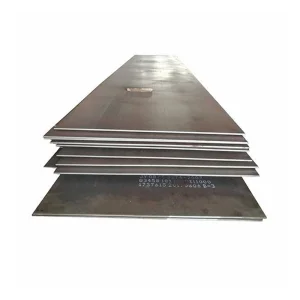
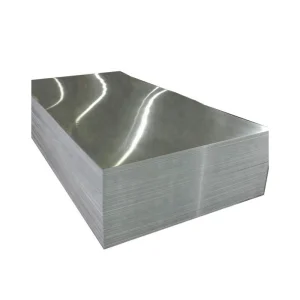
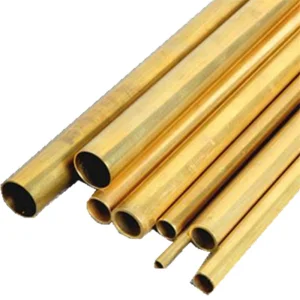
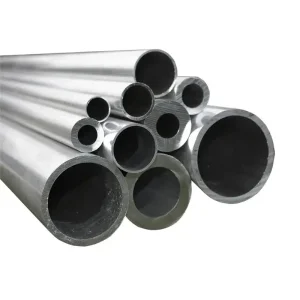
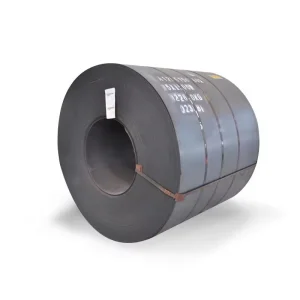
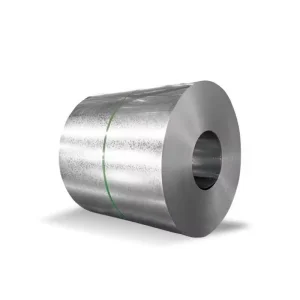
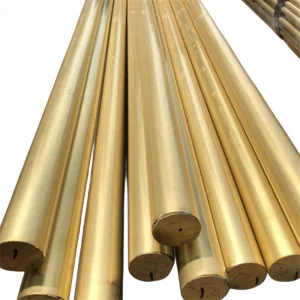
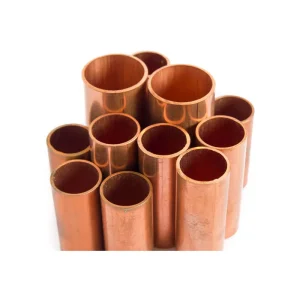
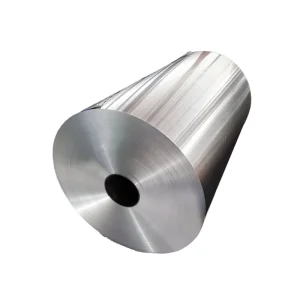
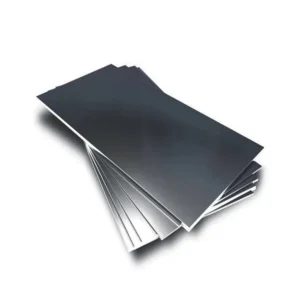
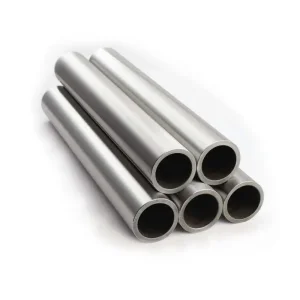
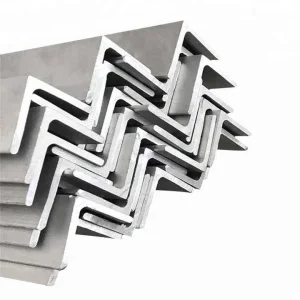
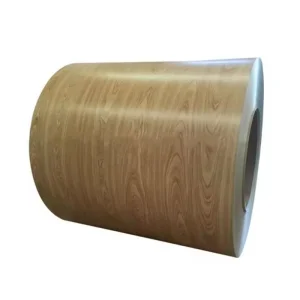
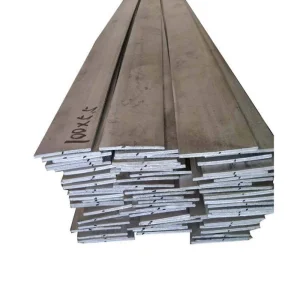
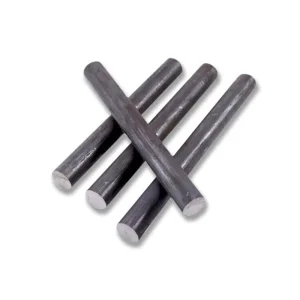
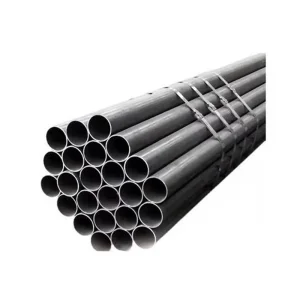
Our business covers steel pipes, steel plates, round bars, steel coils, and primarily, high-grade construction rebar. Baimaoxing adopts a scientific management model, and its products are widely used in industries such as aerospace, military equipment, petrochemicals, and engineering machinery.
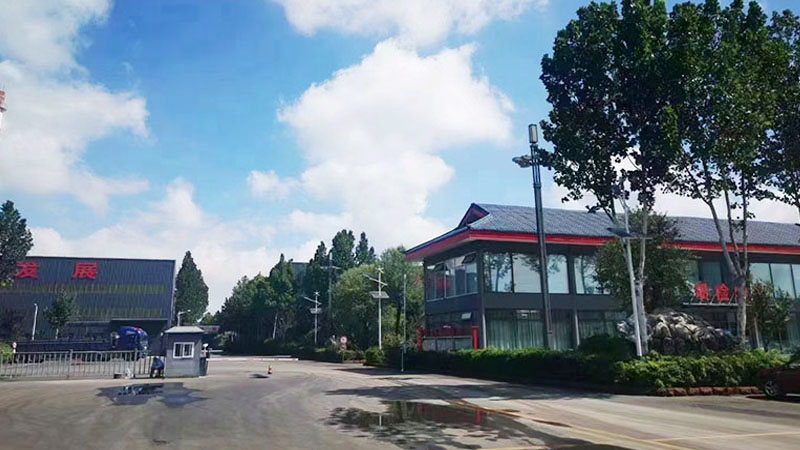
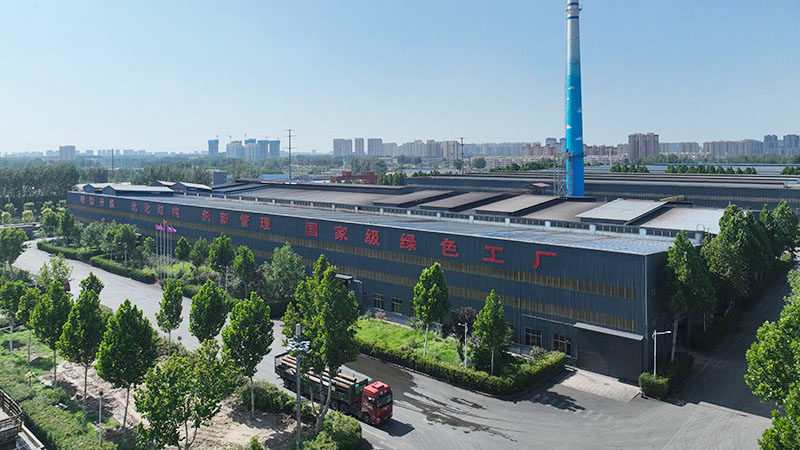
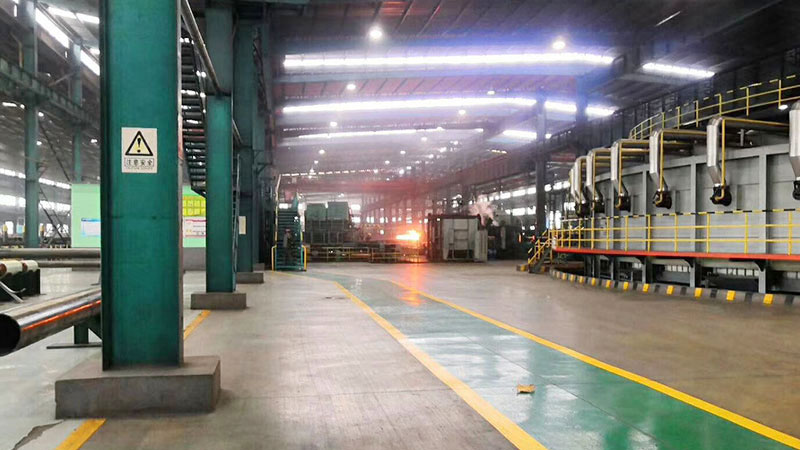
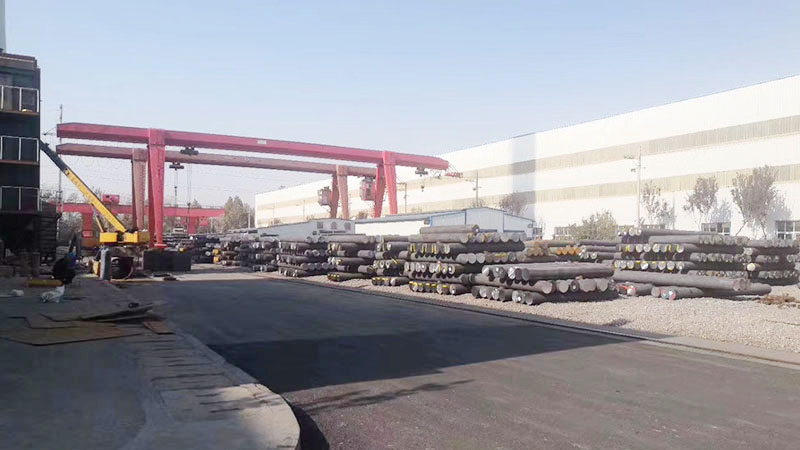
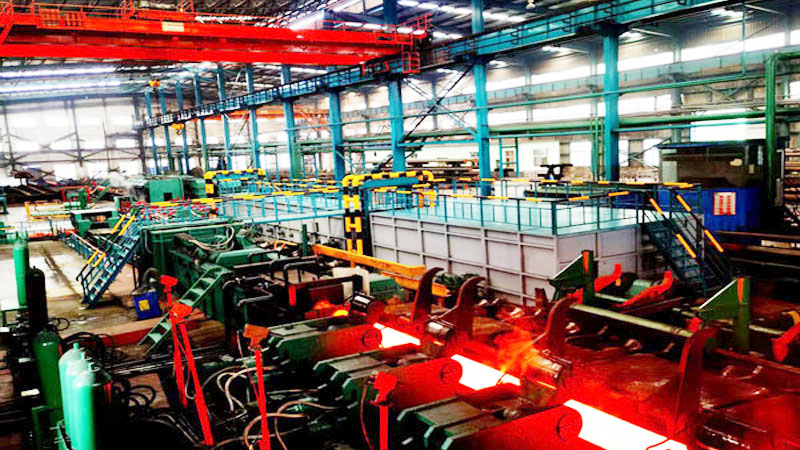
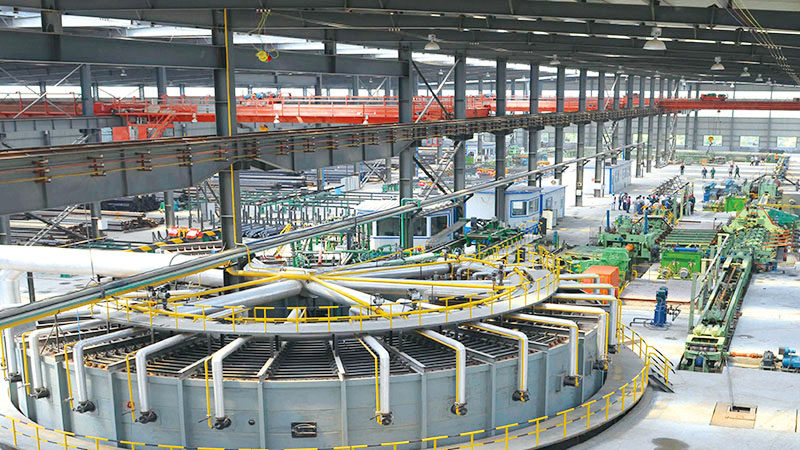
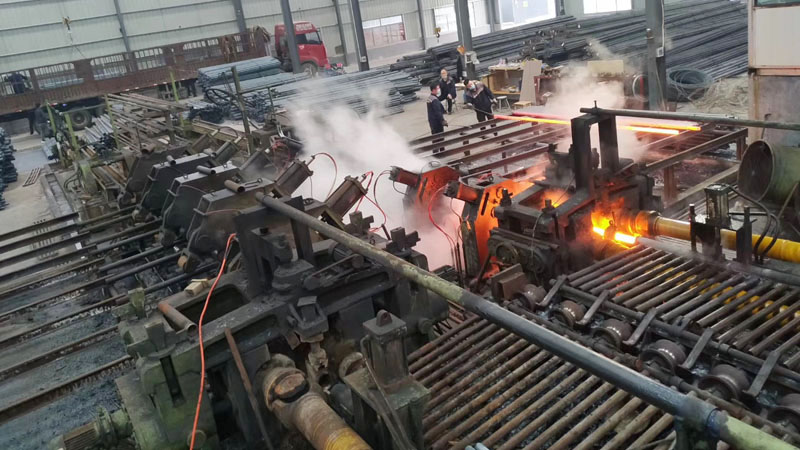
Our facility utilizes the latest hot-rolling technology to ensure maximum tensile strength and elongation properties.
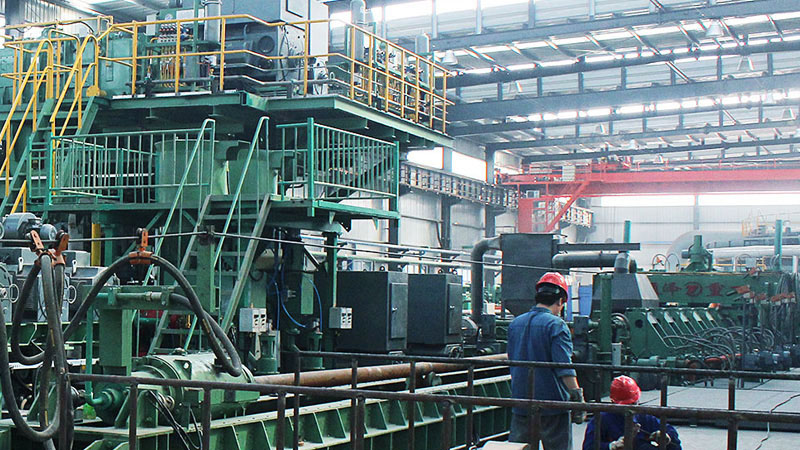
Integration of sensors within rebar to monitor structural health, stress levels, and corrosion in real-time within high-rise buildings.
The shift towards "Green Rebar" produced using hydrogen-based reduction instead of coal-based blast furnaces to meet ESG goals.
Factories are now providing pre-bent and pre-welded rebar cages, significantly reducing labor costs on-site for contractors.