 Baimaoxing
Baimaoxing
Baimaoxing
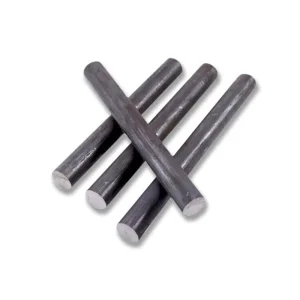
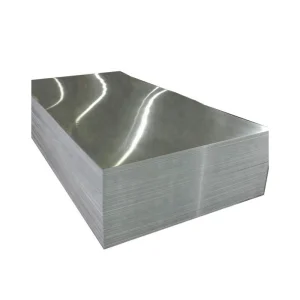
In the contemporary industrial landscape, the choice of material is no longer a mere procurement detail; it is a fundamental strategic decision that dictates longevity, safety, and operational efficiency. Stainless Steel Sheet 316L (Low Carbon) has emerged as the gold standard for environments demanding superior corrosion resistance and weldability. As a premium austenitic alloy enhanced with molybdenum, 316L provides an essential "Information Gain" for engineers—offering resistance to chloride-induced pitting that standard 304 series simply cannot match.
Chromium Content
Nickel Content
Molybdenum Addition
Max Carbon (L-Grade)
The global demand for 316L stainless steel has seen a CAGR of 5.8% over the last five years, driven primarily by the rapid expansion of the pharmaceutical, marine, and green energy sectors. Procurement officers in the EU and North America are increasingly shifting toward "Just-in-Time" but "Quality-Verified" supply chains. The "L" in 316L signifies low carbon, which eliminates harmful carbide precipitation during welding—a critical factor for large-scale structural integrity in offshore oil rigs and chemical processing plants.
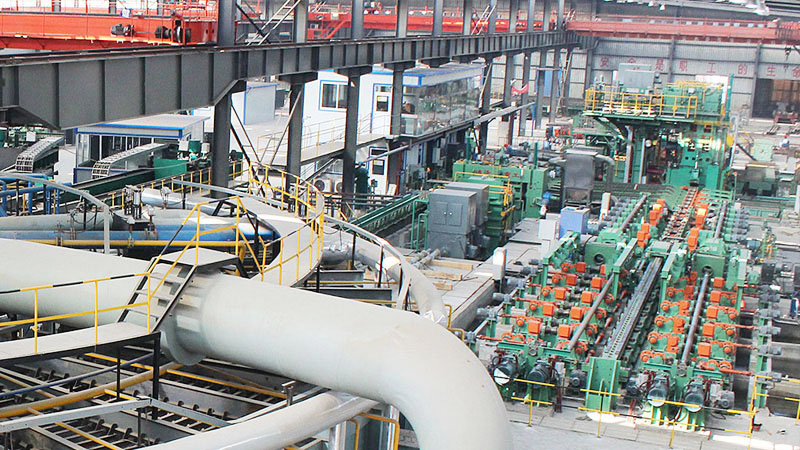
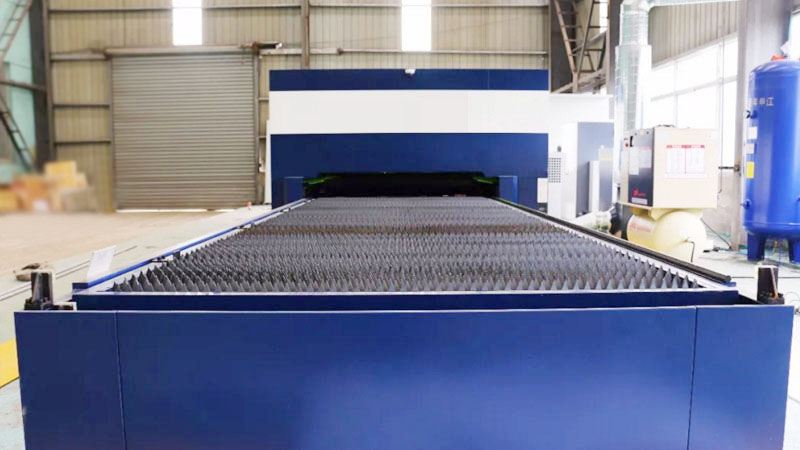
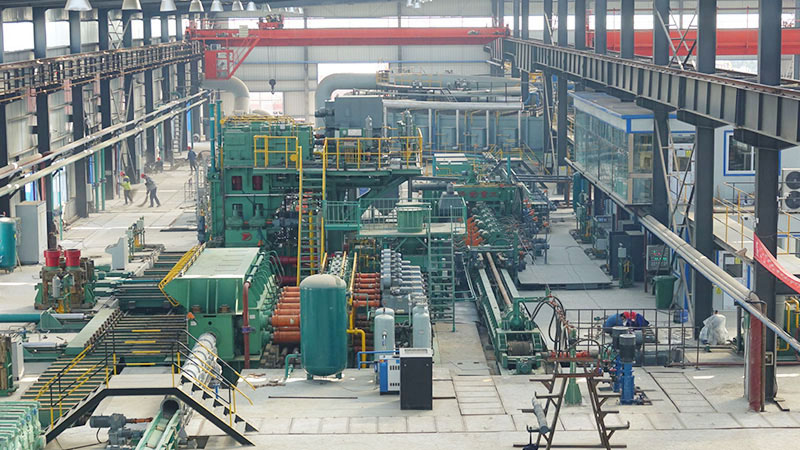
Shandong Baimaoxing integrates AI-driven thickness control and laser-scanning surface inspection to ensure that every 316L sheet meets sub-millimeter tolerances. This reduces waste for end-users by up to 15%.
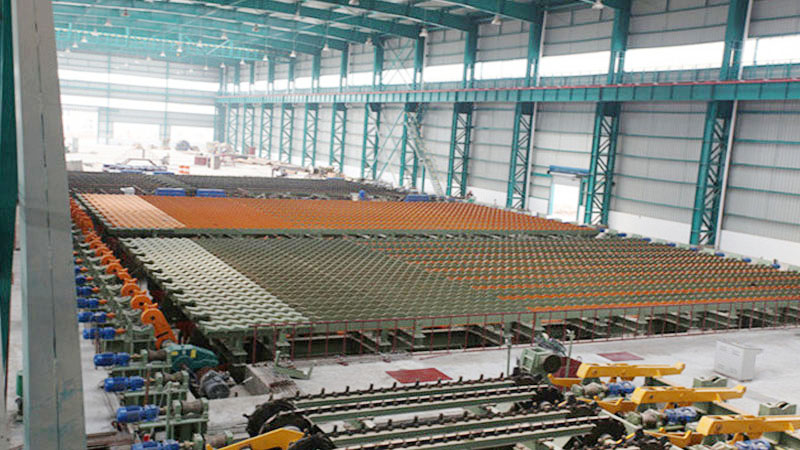
By leveraging the industrial cluster of Liaocheng City, we provide a seamless bridge between raw ore processing and finished goods, ensuring lead times are 30% faster than the industry average.
China's Factory 4.0 transition focuses on "Low Carbon, High Output." Our processes comply with international ISO standards while maintaining the cost-effectiveness that global markets demand.
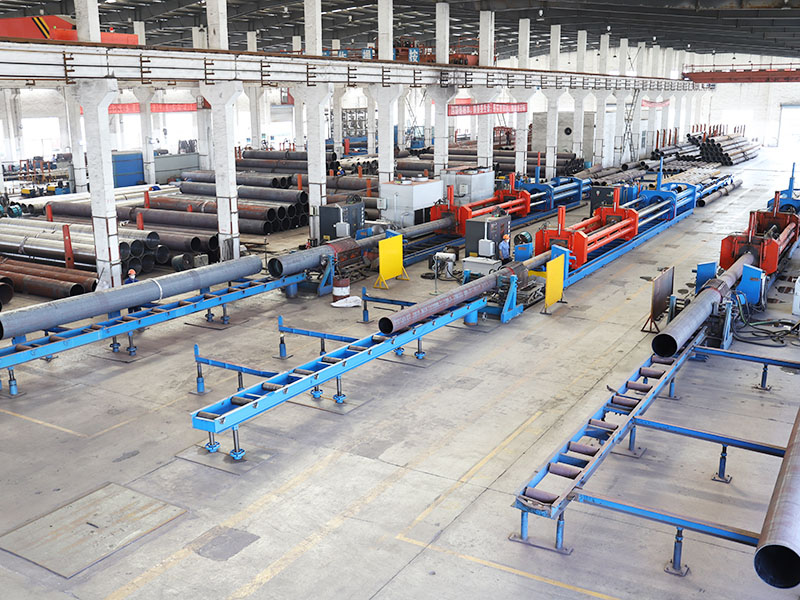
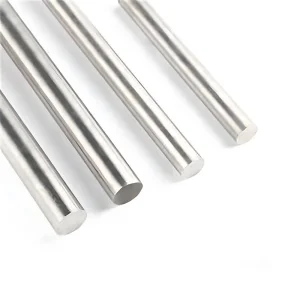
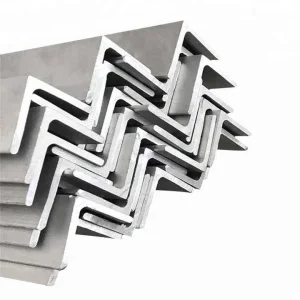
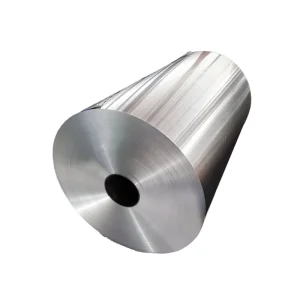
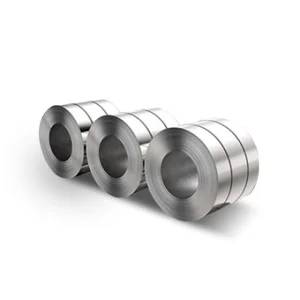
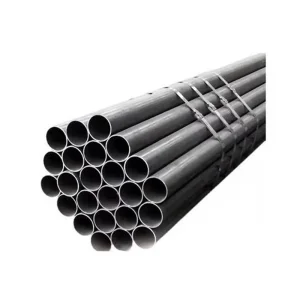
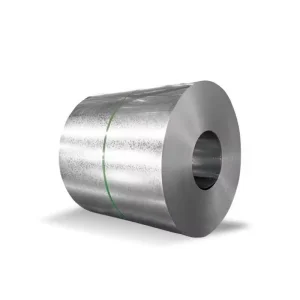
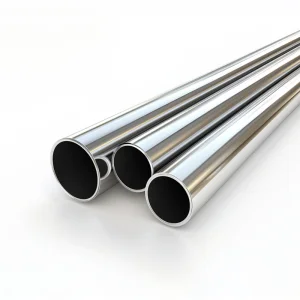
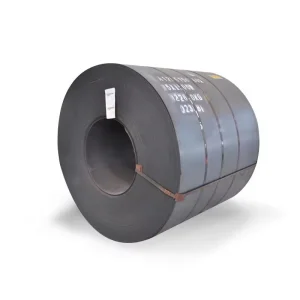
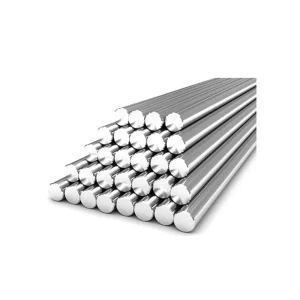
Located in Liaocheng City, Shandong Province, China, we are a large steel supplier specializing in research and development, processing, sales, and technical services. Our business covers steel pipes, steel plates, round bars, steel coils, angle bars, flat bars, I-beams, stainless steel plates, stainless steel coils, and more. Baimaoxing adopts a scientific management model, and its products are widely used in aerospace, military equipment, petrochemicals, automotive parts, shipbuilding, and precision machining.
From a "User Intent Mining" perspective, most searchers looking for 316L are solving for Corrosion Failure. Unlike 304 stainless steel, 316L contains 2-3% Molybdenum. This chemical addition creates a protective barrier against phosphoric, acetic, and sulfuric acid. For procurement specialists, selecting 316L is an insurance policy against high maintenance costs.
| Feature | 304 Stainless Steel | 316L Stainless Steel |
|---|---|---|
| Chloride Resistance | Moderate | High (Excellent) |
| Welding Suitability | Standard | Superior (No Sensitization) |
| Application | Kitchenware, Decoration | Marine, Pharma, Chemical |
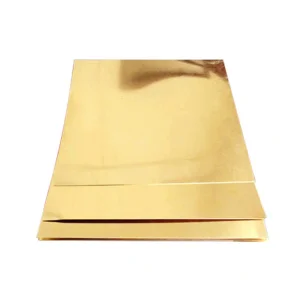
In local scenarios, such as coastal bridge construction or municipal desalination plants, 316L is indispensable. In the medical field, the biocompatibility of 316L makes it the primary choice for surgical instruments and implants. Our factory provides custom slitting and surface treatments (No.1, 2B, BA, Mirror, Hairline) to match these diverse localized needs.
We provide customers with steel and its deep processed products, as well as customized, specialized, and one-stop services.
Our team includes experts with decades of metallurgy experience, ensuring technical precision in every order.
ISO9001:2015 certified. Products comply with EU ROHS standards and undergo rigorous SGS environmental testing.
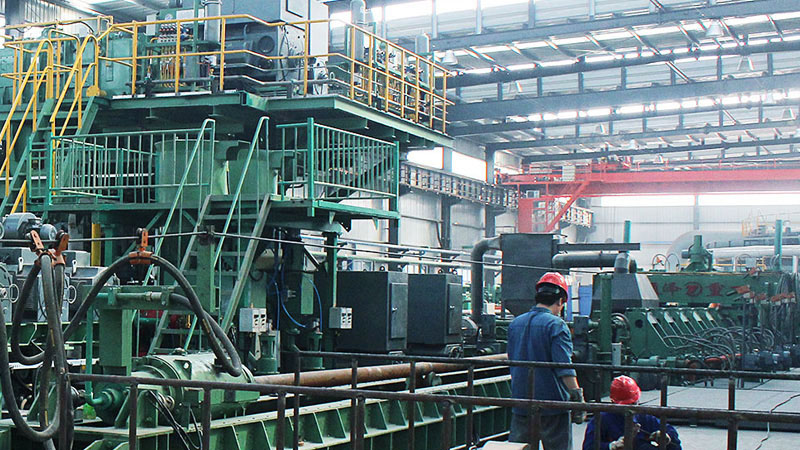
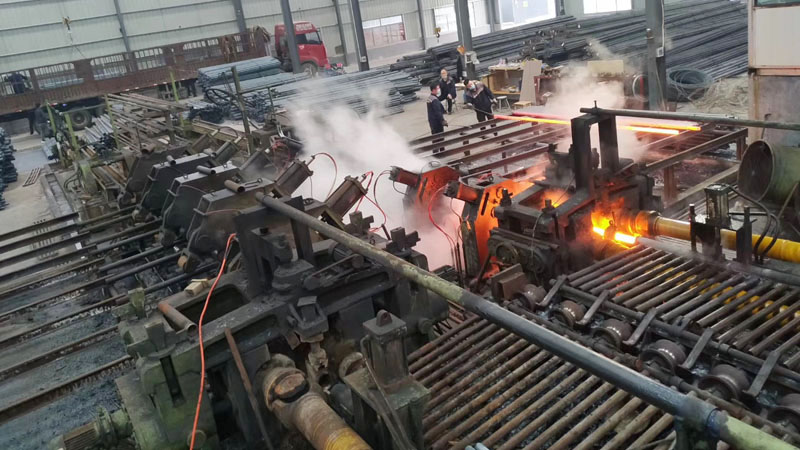
The "L" stands for "Low Carbon" (max 0.03% vs 0.08%). This lower carbon content prevents carbide precipitation during welding, which protects the material from intergranular corrosion. If your project involves heavy welding, 316L is mandatory for structural longevity.
We provide a Mill Test Certificate (MTC) with every shipment. Our laboratory uses Optical Emission Spectrometry (OES) and X-ray Fluorescence (XRF) to verify that Molybdenum levels stay strictly within the 2.0% - 3.0% range required by ASTM A240 standards.
Yes. 316L is an austenitic stainless steel, which means it retains its toughness and impact strength even at extremely low temperatures, unlike ferritic steels which become brittle. It is frequently used in Liquid Natural Gas (LNG) transport.
For architectural aesthetics, we offer Hairline (HL), No.4 Satin, and 8K Mirror finishes. Each finish includes a protective PE or Laser film to prevent scratching during fabrication and installation.