 Baimaoxing
Baimaoxing
Baimaoxing
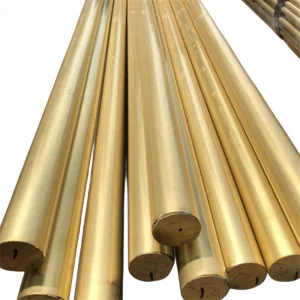
In high-speed cutting and precision machining domains, tool steel serves as the foundational core. Among molybdenum-based high-speed steels (HSS), AISI M7 (UNS T11307) exhibits outstanding wear resistance, hot hardness, and fatigue limit profiles. Developed to address the limitations of conventional tungsten-type steel (such as T1) and M2 tool steel, M7 represents a major evolutionary step in tool manufacturing. By increasing molybdenum and carbon content, M7 steel achieves a unique microstructural equilibrium that optimizes carbide formation and toughness.
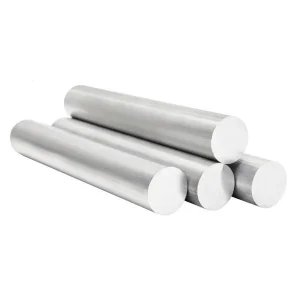
The performance of M7 tool steel rods relies on carbide distribution in the tempered martensitic matrix. Primarily composed of Mo-W-Cr-V-Co elements, M7 produces hard MC and M6C carbides. These carbides suppress grain boundaries from sliding during heat treatment and high-temperature cutting operations. M7 rods exhibit higher carbon and vanadium content than M2, yielding a 10-15% increase in abrasive wear resistance, making them ideal for drilling applications that encounter hard structural alloys, titanium, and cast iron.
Understanding M7’s chemical composition is key to identifying quality deviations during raw material procurement. High-quality M7 factories implement strict metallurgical control over alloy contents to prevent carbide segregation. Minor variations in vanadium and molybdenum can cause material embrittlement or inadequate temper response, highlighting the need to partner with certified suppliers.
| Element | Symbol | Standard (ASTM A600) | Baimaoxing Quality Control |
|---|---|---|---|
| Carbon | C | 0.95 - 1.05 | 0.98 - 1.02 (Optimized) |
| Molybdenum | Mo | 8.20 - 9.20 | 8.50 - 8.90 (Balanced) |
| Tungsten | W | 1.40 - 2.10 | 1.60 - 1.90 |
| Vanadium | V | 1.75 - 2.25 | 1.90 - 2.10 (High Wear) |
| Chromium | Cr | 3.50 - 4.00 | 3.70 - 3.95 |
| Silicon | Si | 0.20 - 0.45 | 0.25 - 0.35 |
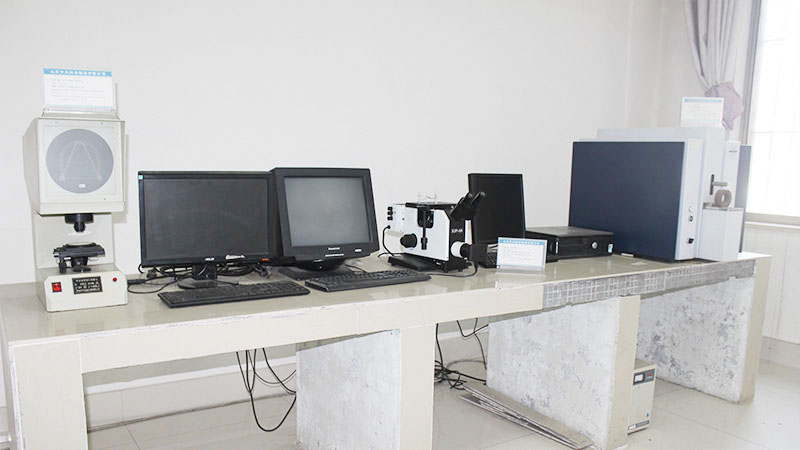
Modern high-speed machining requires steels with low levels of non-metallic inclusions. Global buyers specify ESR (Electroslag Remelting) processing for M7 rods to achieve isotropic mechanical properties, eliminate macroscopic segregation, and ensure tool structural integrity during operation.
M7 steel is sensitive to surface decarburization during hot processing due to its high molybdenum content. Premium manufacturers use protective atmosphere annealing (nitrogen-hydrogen or vacuum systems) to keep decarburized depth below 0.1mm, reducing grinding margins and material waste.
Integrating pre-hardened M7 tool steel rods into CNC automation lines relies on heat treatment consistency. Global tool suppliers now demand automated gas quenching in vacuum furnaces, targeting tempered hardness values of 65-67 HRC to prevent dimensional distortion.
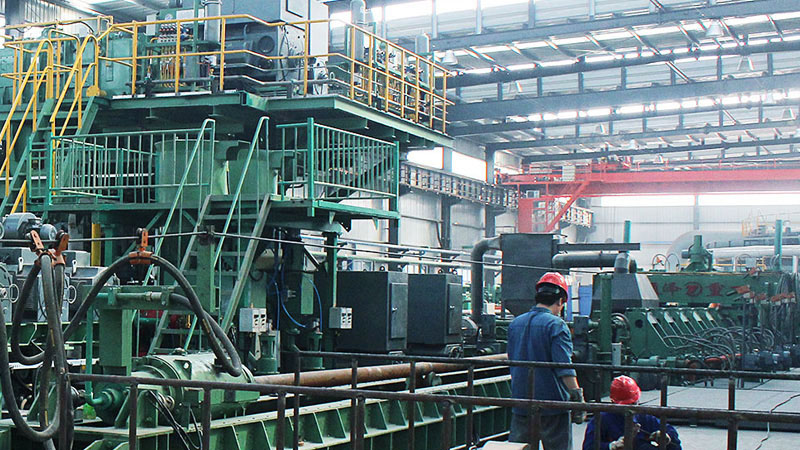
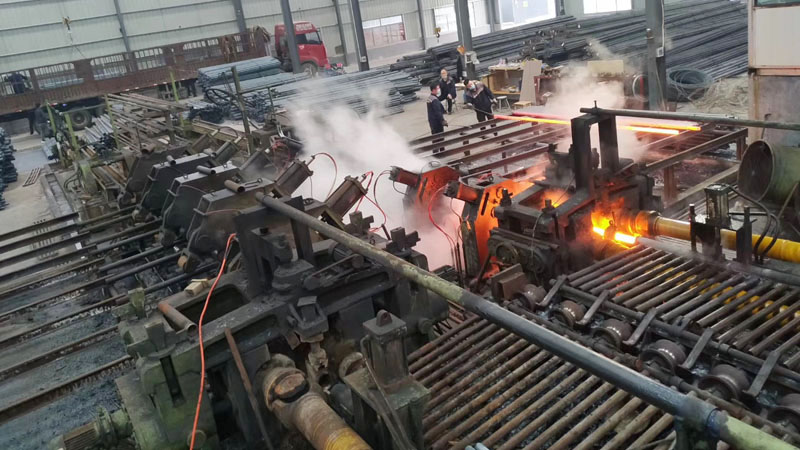
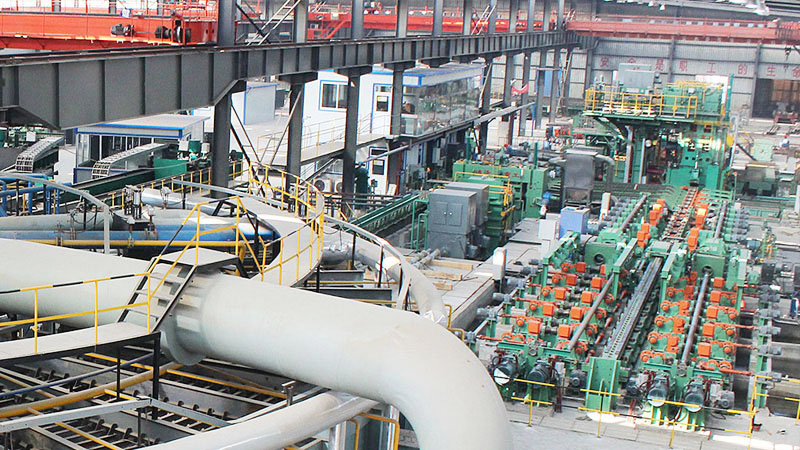
China's tool steel manufacturing sector has evolved from a volume exporter to a technology leader in high-performance metallurgy. Under Industry 4.0 frameworks, factories like Shandong Baimaoxing Iron and Steel Co., Ltd. integrate smart manufacturing processes. Real-time sensor networks monitor induction melting, continuous forging, and precise roll alignment. This guarantees that every M7 tool steel rod maintains uniform density, outer diameter tolerances within h8/h9 parameters, and low internal stress.
Supply chain resilience is a key factor for international buyers. Based in Liaocheng City, Shandong Province, we offer a consolidated hub with access to local alloying elements, power infrastructure, and maritime logistics. This layout reduces lead times compared to Western suppliers while maintaining competitive production costs, ensuring reliable high-speed steel supply chains for global buyers.
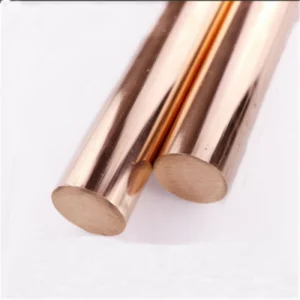
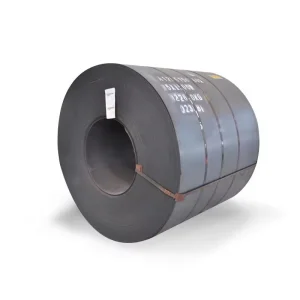
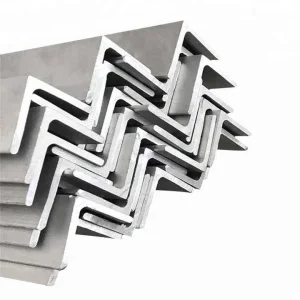
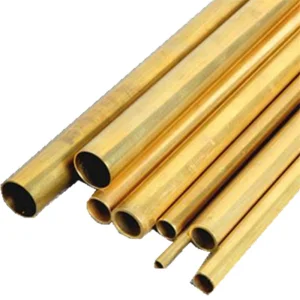
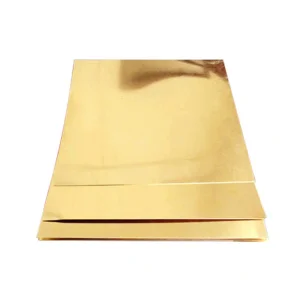
Shandong Baimaoxing Iron and Steel Co., Ltd. is located in Liaocheng City, Shandong Province, China. We are a large steel supplier specializing in research and development, processing, sales, and technical services. Our business covers steel pipes, steel plates, round bars, steel coils, angle bars, flat bars, I-beams, stainless steel plates, stainless steel coils, stainless steel pipes, copper plates, and copper bars, copper tubes, aluminum plates, aluminum tubes, aluminum coils, aluminum rods, titanium plates, titanium tubes, titanium coils, titanium rods, galvanized steel coils, PPGI, etc. Baimaoxing adopts a scientific management model, and its products are widely used in industries such as aerospace, military equipment, petrochemicals, automotive parts, shipbuilding, precision machining, transportation and rail, engineering machinery, electrical equipment, packaging machinery, etc.
We provide customers with steel and its deep processed products, as well as customized, specialized, and one-stop services.
Tonghui (Baimaoxing metallurgical processing wing) has a large number of outstanding professionals with many years of work experience.
The company has obtained ISO9001:2015 certification, and some products have obtained SGS environmental testing reports, which comply with the EU ROHS standard.
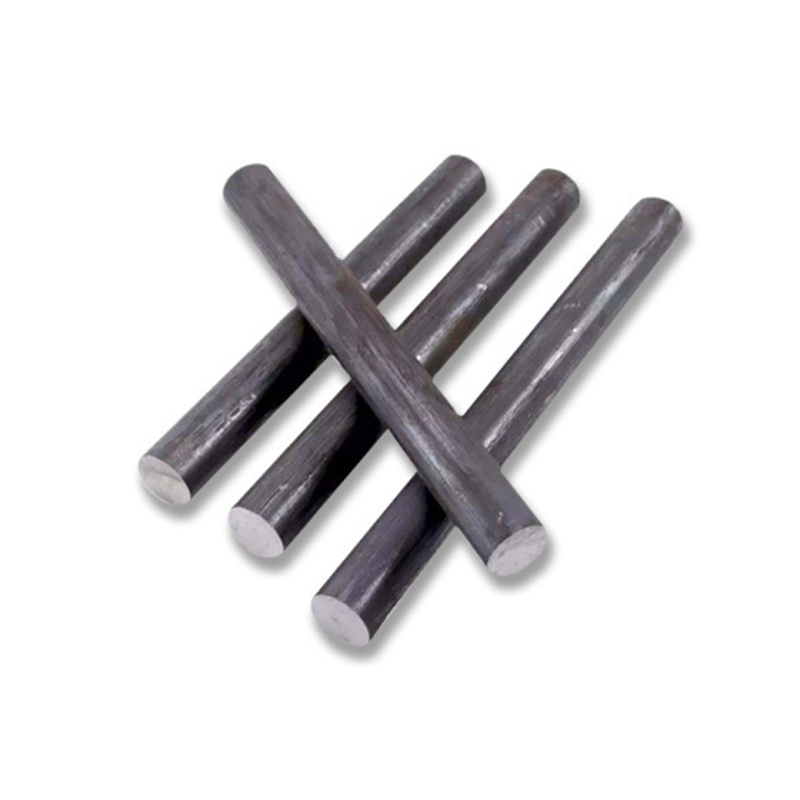
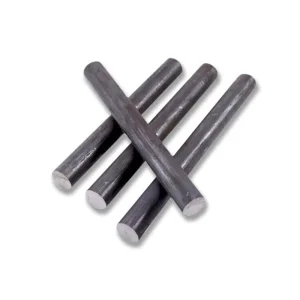
M7 tool steel rods are processed for a range of high-wear industrial applications, including high-speed drilling, metal forming, and precision component fabrication.
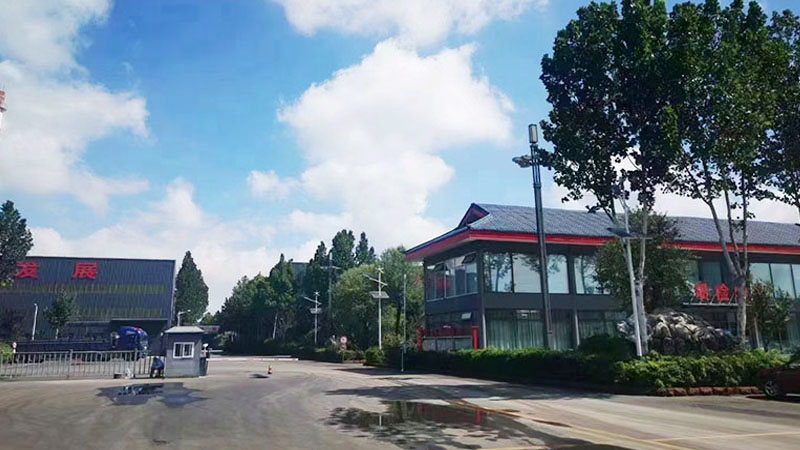
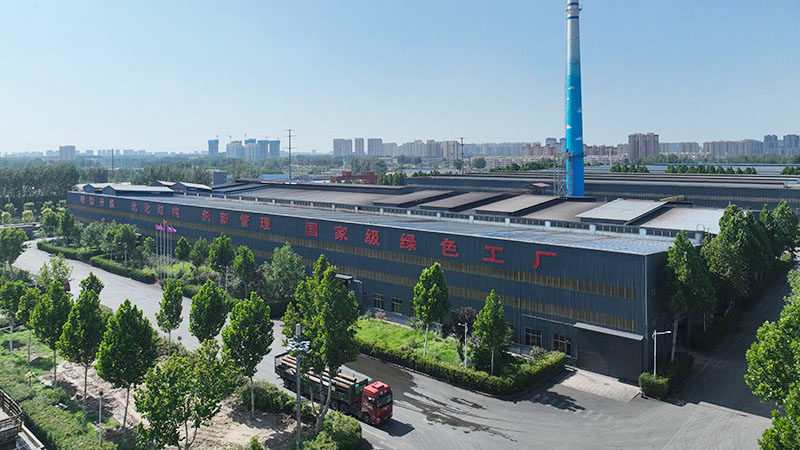
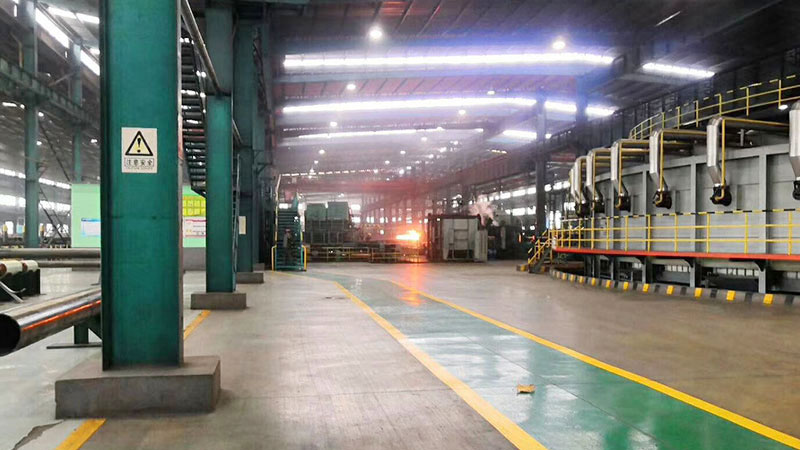
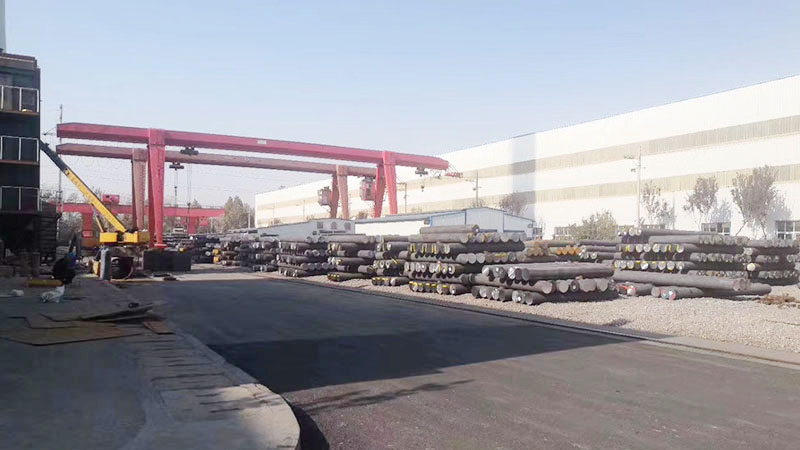
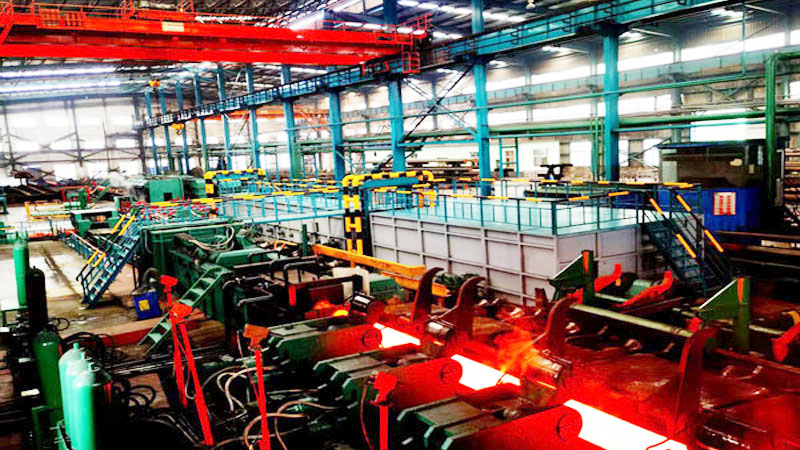
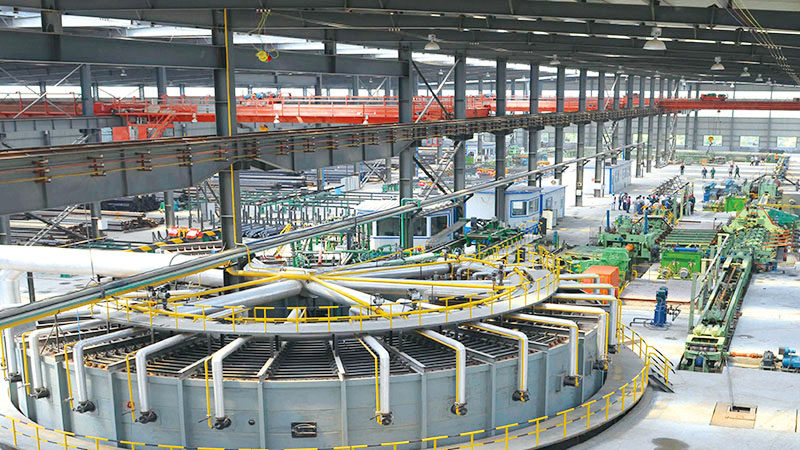
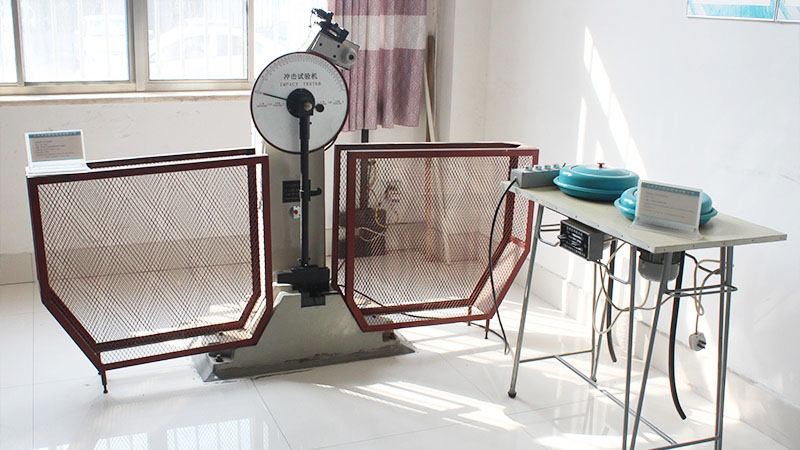
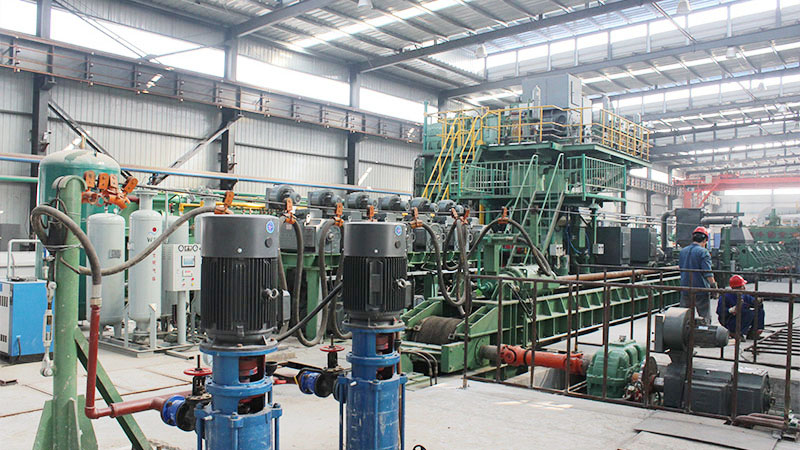
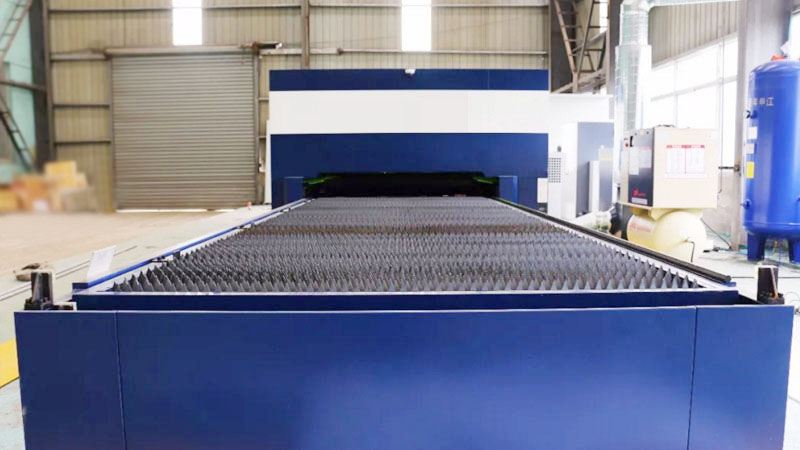
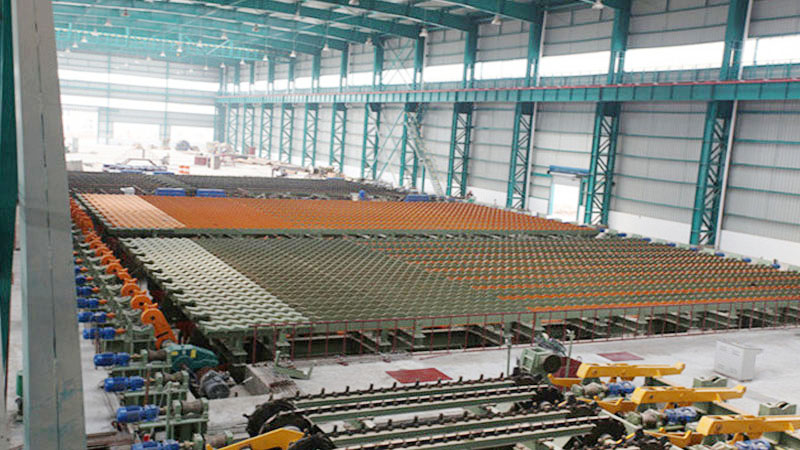
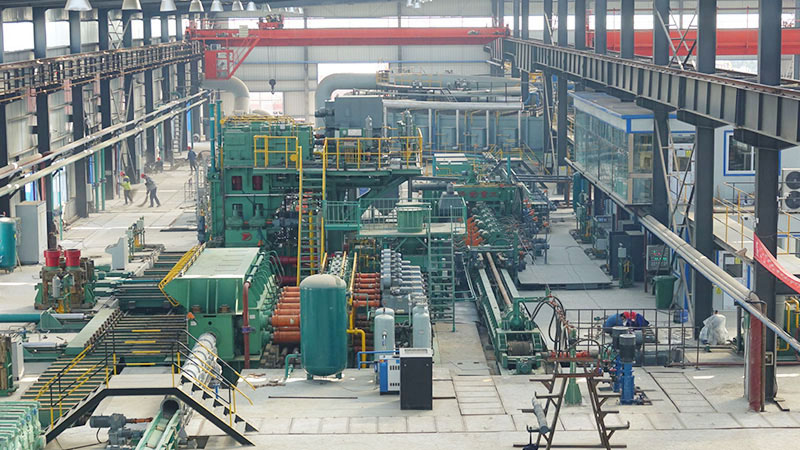
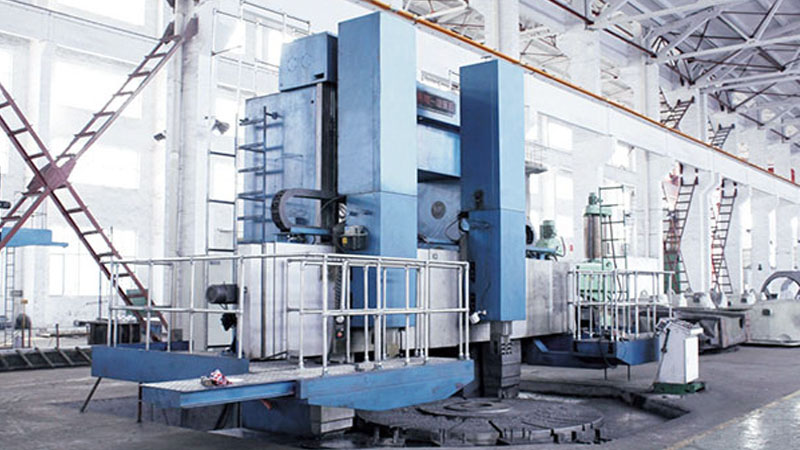
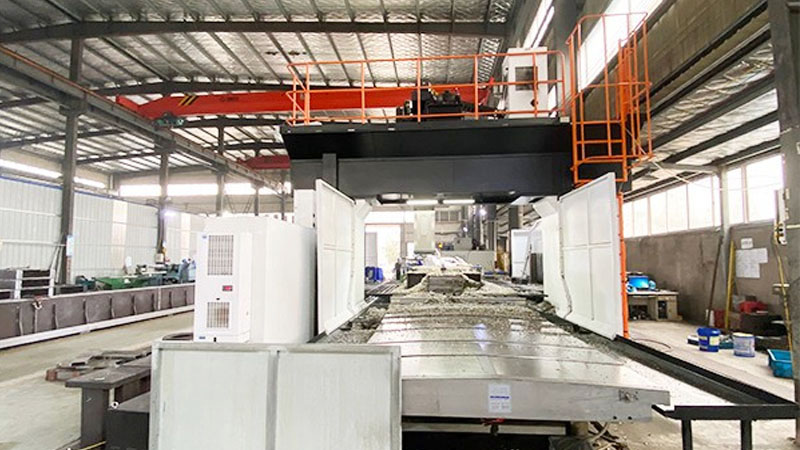
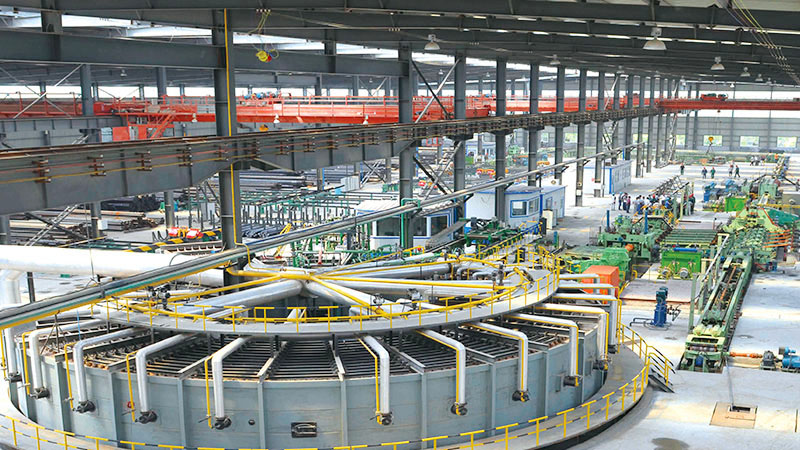
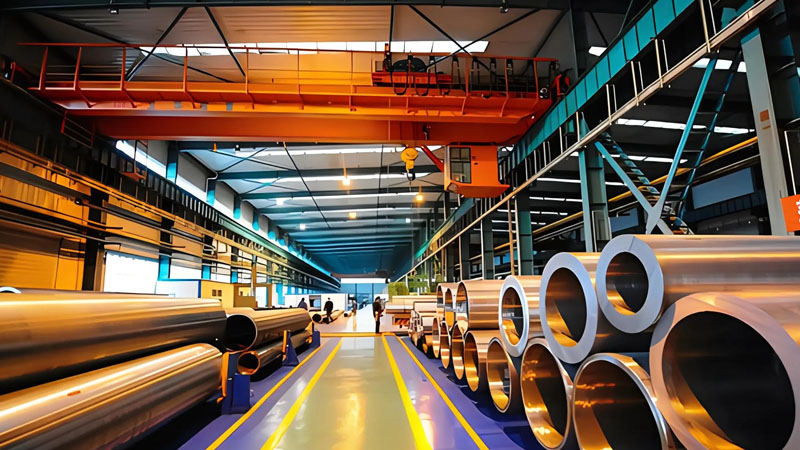
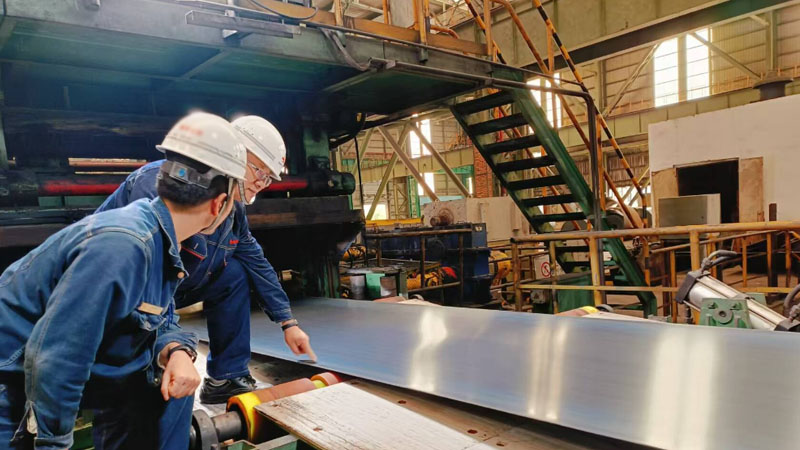
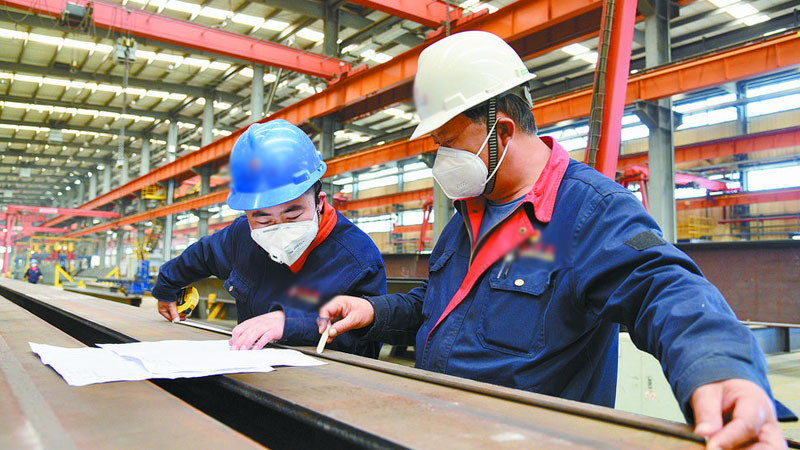
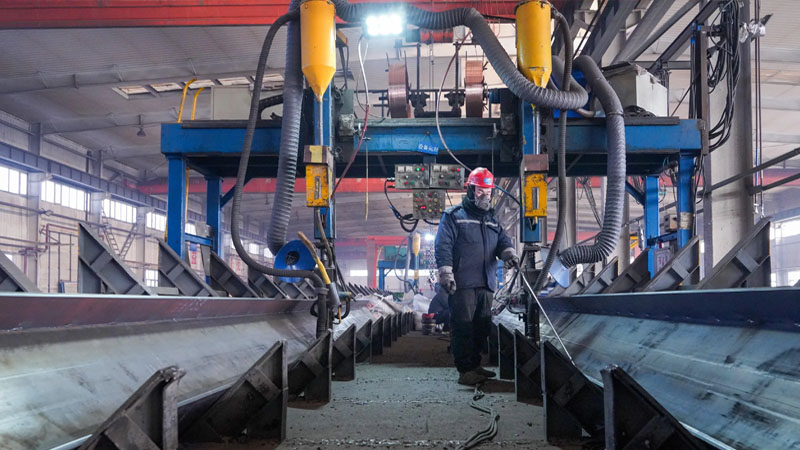
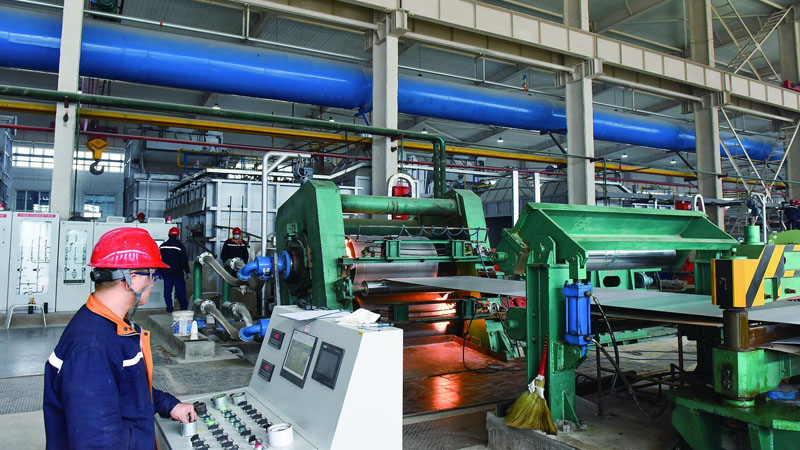
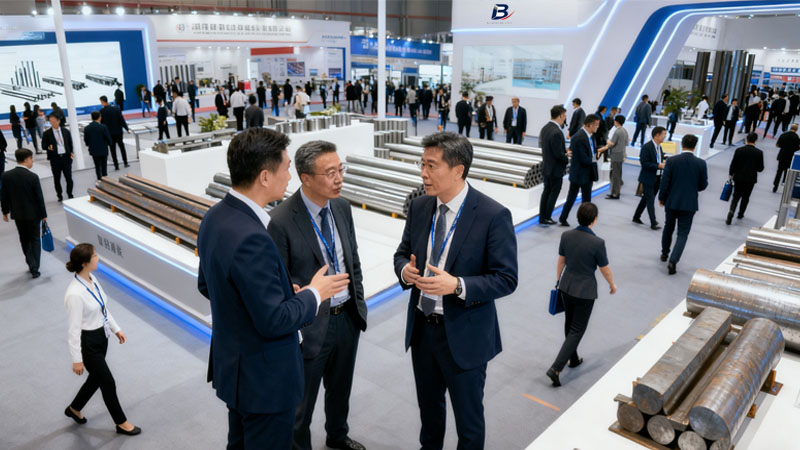
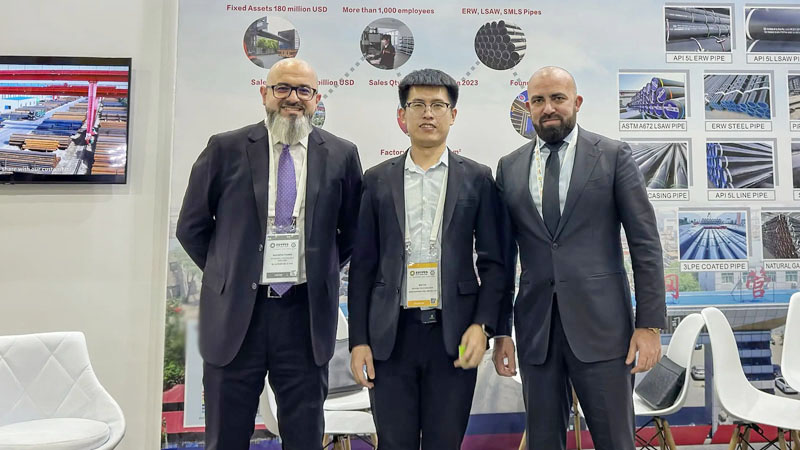
We export products to Europe, North America, Southeast Asia, and the Middle East, participating in international engineering and metallurgical exhibitions.
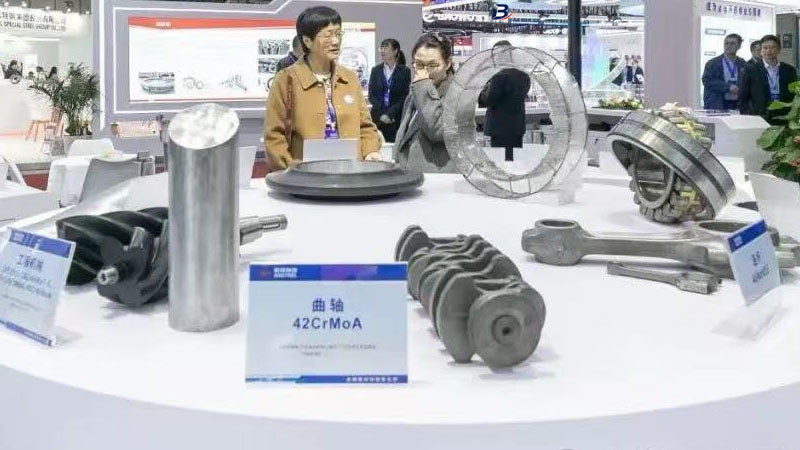
High-quality 4140/4130/4340 carbon alloy steel round bars: Available in hot-rolled and cold-rolled finishes, with thicknesses ranging from 6mm to 600mm. These alloys offer deep hardenability and fatigue strength, suitable for manufacturing structural components under high dynamic loads.
Our carbon structural steel round bars cover grades Q235B, A36, 1045, and 45#, with customizable diameters (5–300mm) and lengths up to 6m (or cut-to-size). Featuring high machinability, weldability, and tensile strength, they undergo precision forging, rolling, and ultrasonic inspection. Compliant with ASTM and GB standards, they are designed for machinery parts, fasteners, shafts, construction brackets, and automotive components.
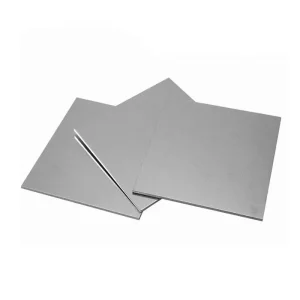
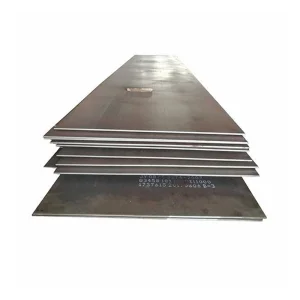
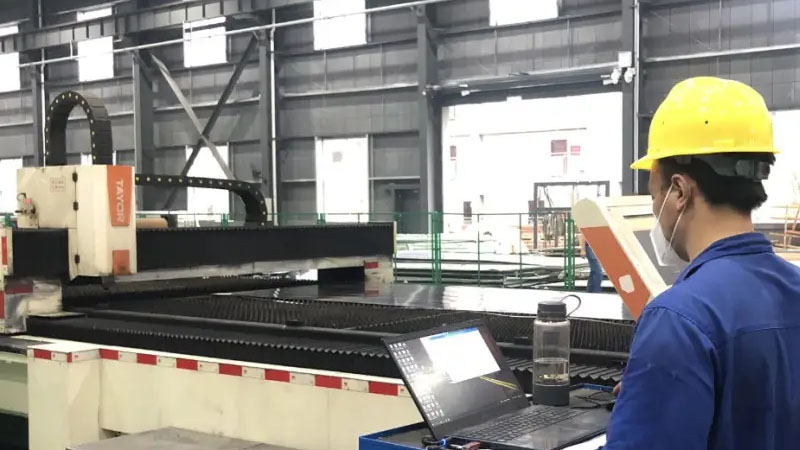
We also offer carbon steel plates in grades like Q235B, Q355B, A36, and 1045, with plate thickness starting from 6mm to 12mm. In-house processing, including bending, welding, and laser cutting, is available to deliver near-net-shape components to your production facility.