 Baimaoxing
Baimaoxing
Baimaoxing
Browse our catalog of premium structural steels, specialized alloy round bars, and customizable coils engineered to meet international safety and structural standards.
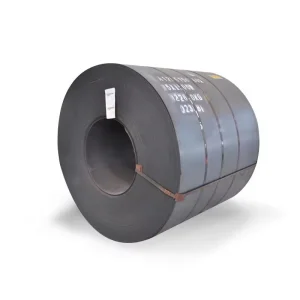
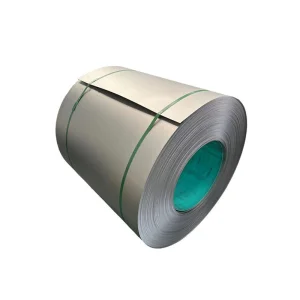
In modern industrial design, structural safety and load-bearing performance are critical metrics. Diamond steel coils—alternatively known in structural engineering circles as chequered, pattern, or tread plate coils—represent a fundamental raw material. Characterized by a raised diamond pattern on one side, these coils are manufactured specifically to optimize surface traction, minimize slip hazards, and resist high stress impacts.
We supply precise diagonal diamond designs. The heights of the raised patterns are optimized to guarantee maximum traction under wet, oily, or icy industrial environments without compromising on basic structural properties.
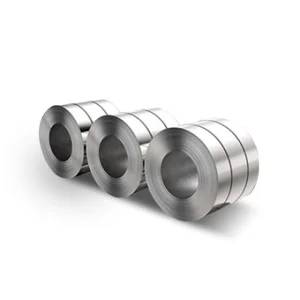
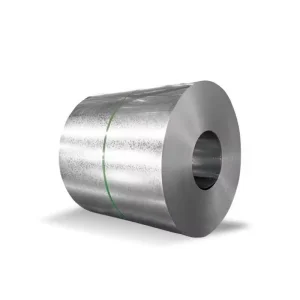
Available in hot-rolled carbon steel, low-alloy high-strength steel (HSLA), austenitic stainless steel, and specialty hot-dip galvanized grades to protect components from premature surface degradation.
By supplying steel in coiled form rather than pre-cut sheets, OEM processing centers can run continuous stamping, punching, and roll-forming processes, achieving high manufacturing yields with minimal scrap rates.
When selecting a qualified OEM Diamond Steel Coil Factory, mechanical integrity and chemical consistency must be verified. Let us review the critical parameters that distinguish top-tier industrial chequered coils from low-quality materials:
Structural Steel Compatibility: Our factories construct diamond steel coils using structural-grade base substrates including ASTM A36, Q235B, Q345B, SS400, and EN 10025 S235JR. Maintaining low sulfur (S ≤ 0.035%) and phosphorus (P ≤ 0.035%) is vital. This ensures the material remains highly ductile, allowing for tight-radius cold-bending and consistent weldability on building sites.
Dimension and Flatness Controls: Standard coil thicknesses range from 1.5mm up to 12.0mm. We strictly control thickness tolerances using automated inline laser sensors. The raised diamond pattern height typically varies from 0.2 to 0.8 times the nominal plate thickness, depending on the client’s specifications. This geometry must comply with standard specifications such as GB/T 3277, ASTM A786, or EN 10025-6 to prevent uneven wear.
Galvanizing and Passivation Protocols: For outdoor infrastructure or marine offshore platforms, we apply advanced hot-dip zinc coating (Z100 to Z275 coatings, providing 100g/m² to 275g/m² of zinc thickness). This protective layer prevents oxygen and moisture from attacking the raw steel substrate. This treatment extends the service life of treadplates by up to 25 years under high-salinity exposure.
OEM diamond steel coils serve a wide range of industrial applications, providing critical support for heavy machinery, marine architecture, and civil infrastructure. Below are key applications where safety and structural reliability are required:
Used heavily in chemical refineries, petrochemical complexes, and power plants. The diamond texture provides slip resistance for personnel operating valve lines and moving machinery overhead.
Offshore oil platforms and cargo ship decks are exposed to continuous saltwater spray. We supply marine-grade diamond coils (typically in stainless steel 316L or heavy-duty galvanized grades) to resist pitting corrosion.
Applied as floor lining, tailboard treads, and steps in freight trucks, train platforms, and emergency vehicles. The material withstands repeated wheel impacts and localized weight distributions.
Sourcing your diamond steel coils from a Chinese OEM partner offers distinct economic and logistical benefits, particularly for large infrastructure projects requiring thousands of tons of material.
Our proximity to upstream iron ore processors and large blast furnaces reduces initial production costs, allowing us to pass the savings on to global buyers.
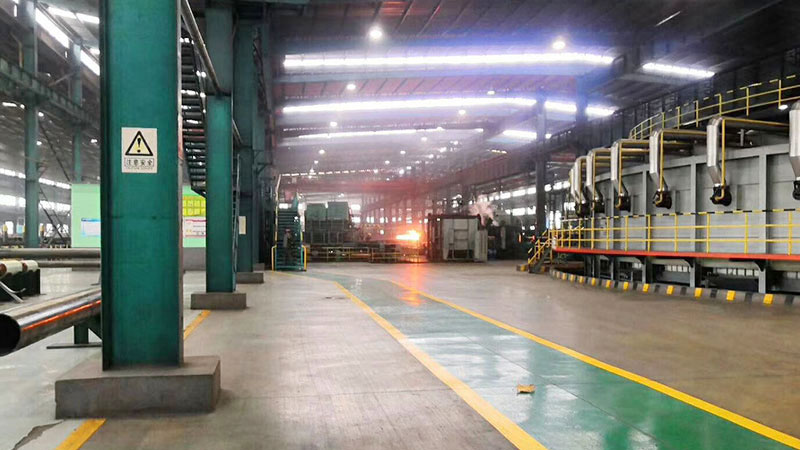
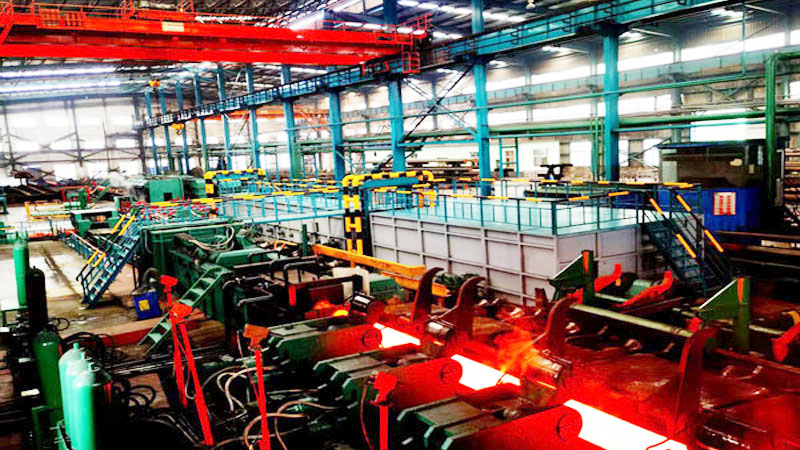
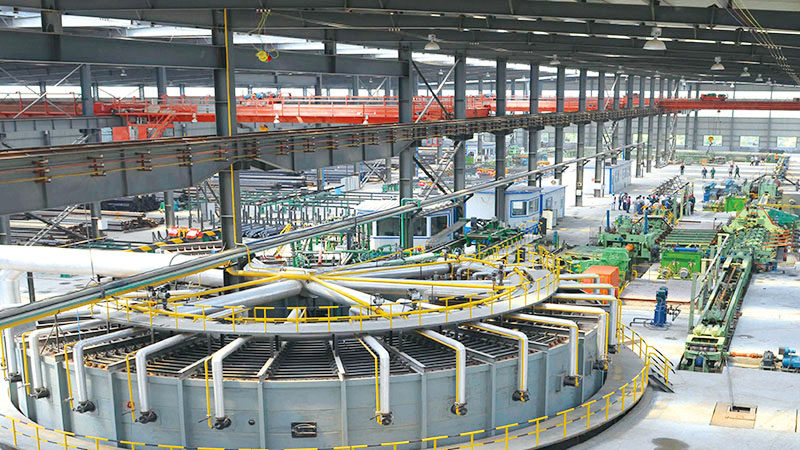
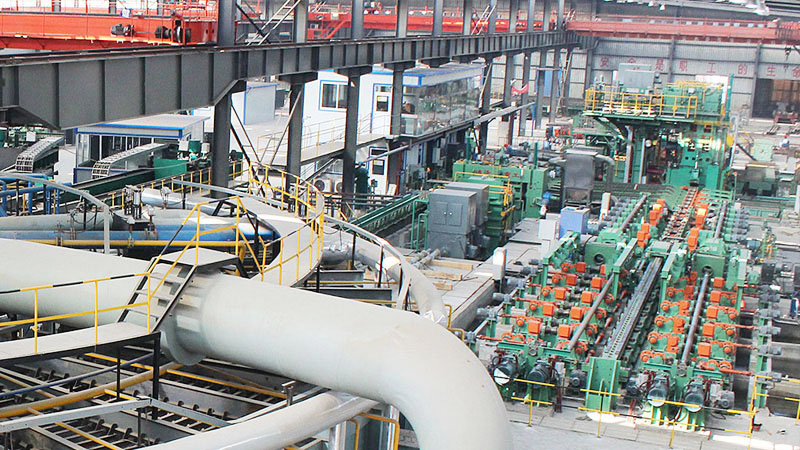
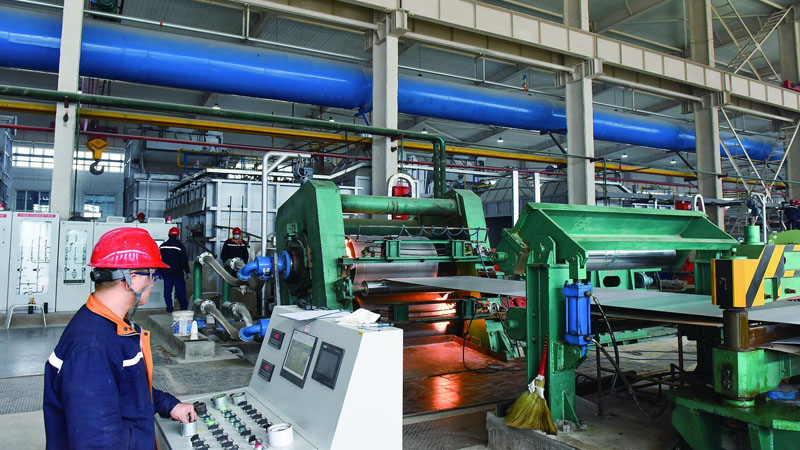
Our mills feature computer-controlled rolling lines that manage temp controls and thickness configurations in real time, minimizing surface defects.
We maintain an agile supply chain, allowing us to source raw materials, execute custom roll-pattern profiles, and package goods for shipment quickly.
Located near major deep-water ports like Qingdao, Tianjin, and Shanghai, we offer efficient bulk-vessel shipping and container logistics to key global ports.
Navigating different regional certifications can be a challenge. We align our production standards with key regulatory frameworks worldwide to ensure seamless custom clearances and local approvals:
We comply fully with EN standards. All diamond plates destined for European structural applications bear official CE markings and are backed by comprehensive Mill Test Certificates (MTC) to EN 10204 3.1 or 3.2.
For US and Canadian heavy industrial buyers, our mills roll and process products to ASTM A786 (Standard Specification for Hot-Rolled Carbon, Low-Alloy, High-Strength Low-Alloy, and Alloy Steel Floor Plates).
For projects in Japan, Korea, and Southeast Asia, we manufacture to JIS G3101 (SS400) and GB/T 3277 standards, ensuring mechanical properties match local construction codes.
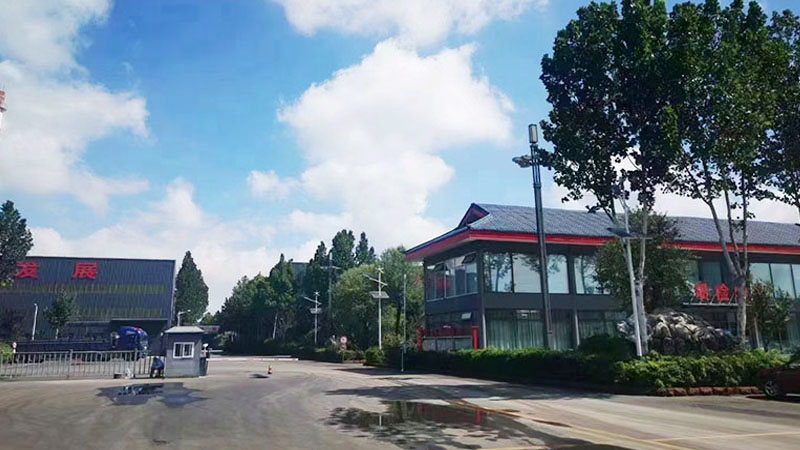
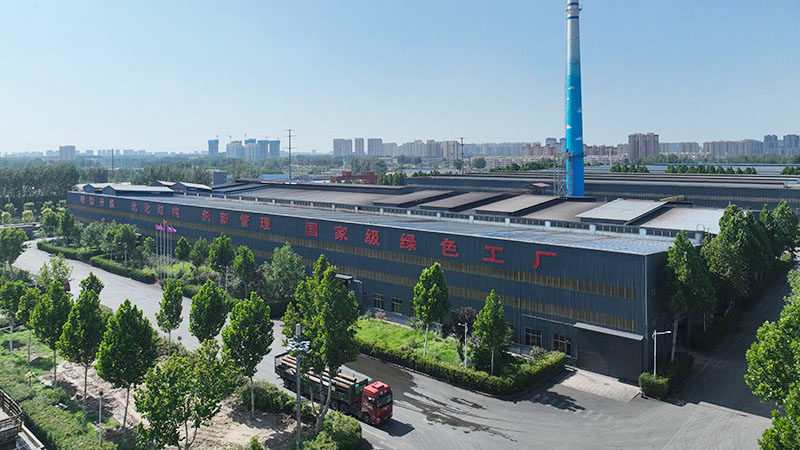
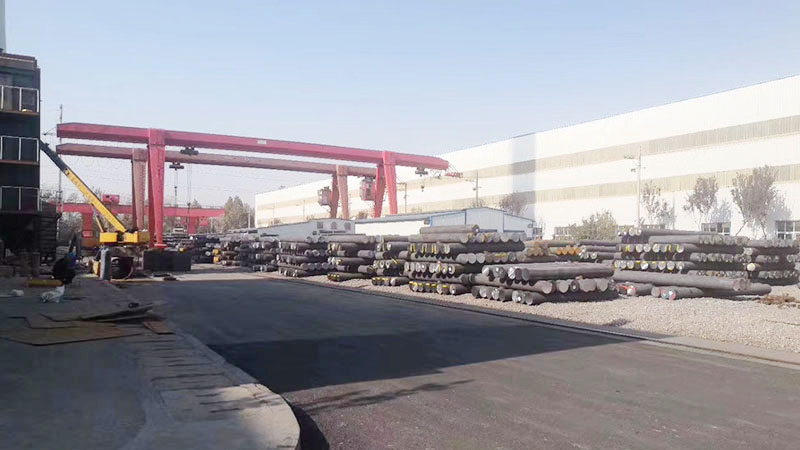
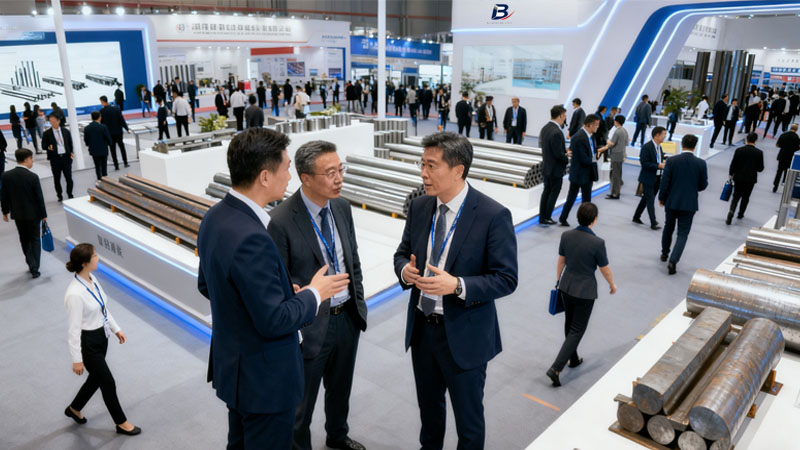
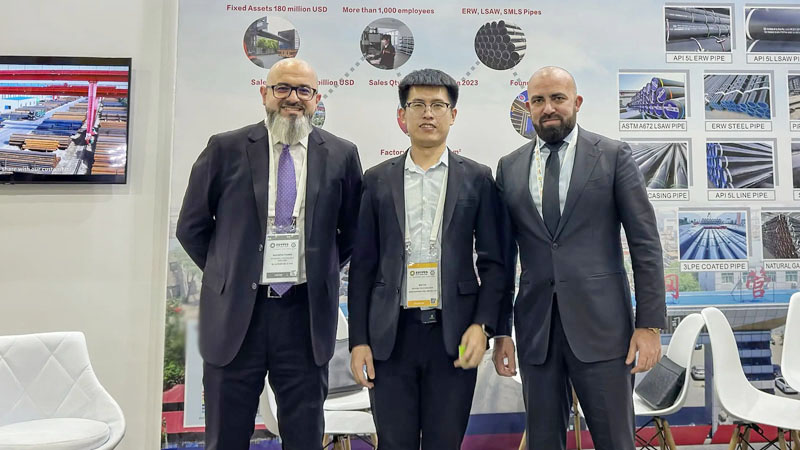
Located in the steel hub of Liaocheng City, Shandong Province, China, Shandong Baimaoxing Iron and Steel Co., Ltd. is a large-scale steel supplier specializing in metallurgical research and development, custom processing, global sales, and comprehensive technical services.
We provide customers with raw steel and deep-processed products, as well as customized, specialized, and one-stop supply solutions designed to streamline international project supply chains.
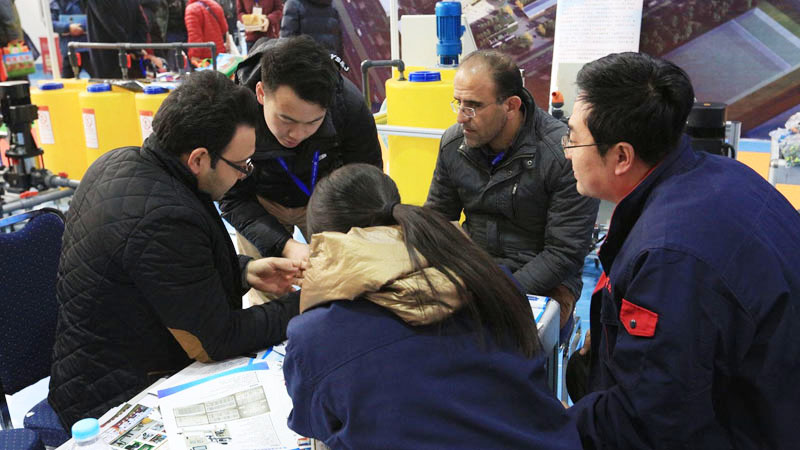
Our team consists of metallurgical engineers and logistics experts with decades of combined experience in high-performance materials and cross-border customs regulations.
The company has obtained ISO9001:2015 certification, and our products carry SGS environmental testing reports, fully complying with the European Union's RoHS environmental standard.
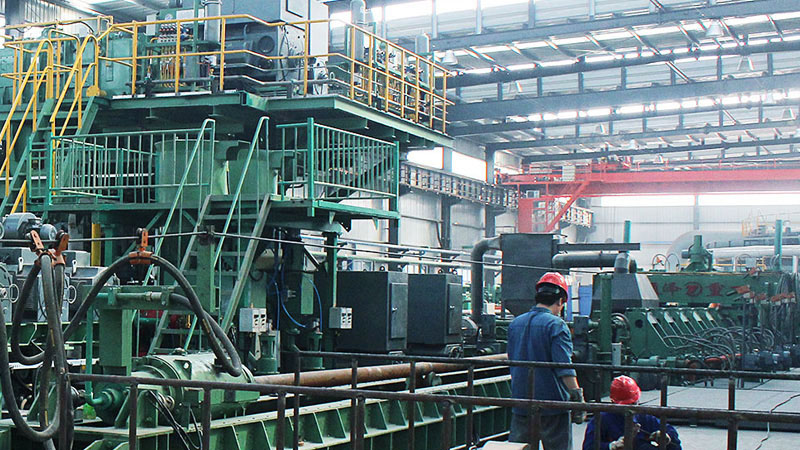
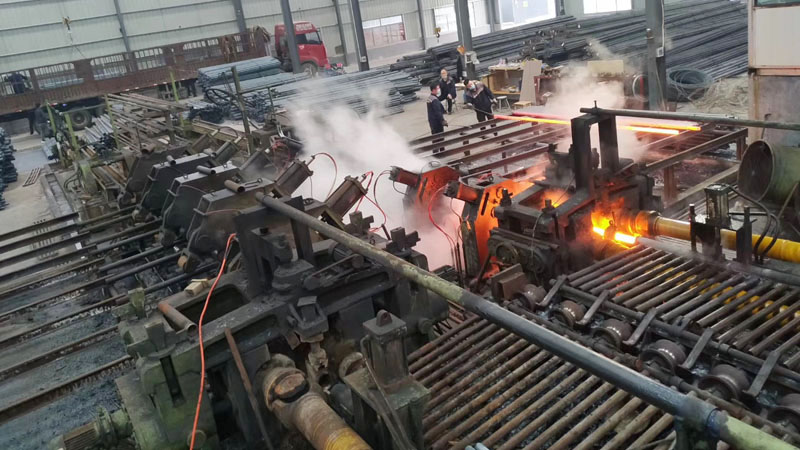
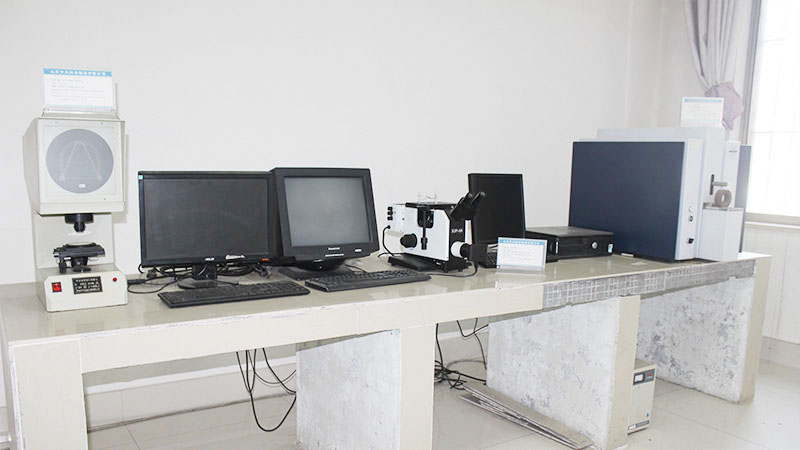
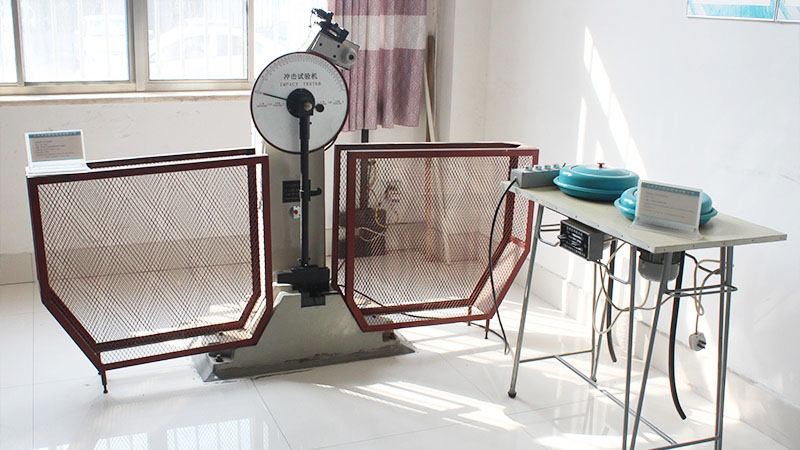
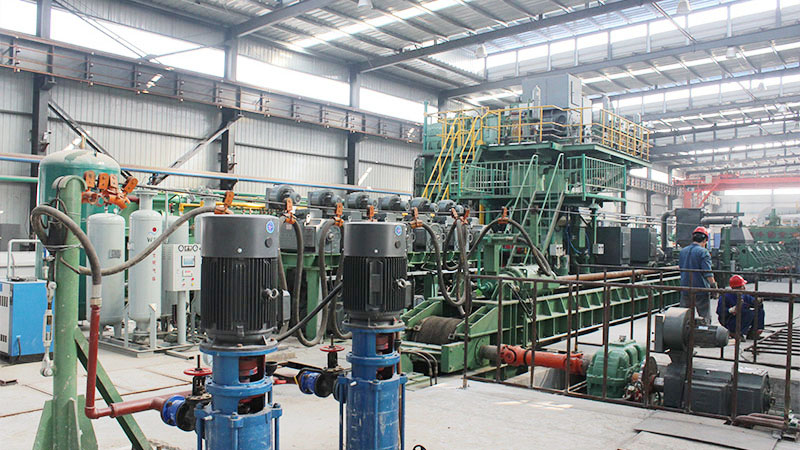
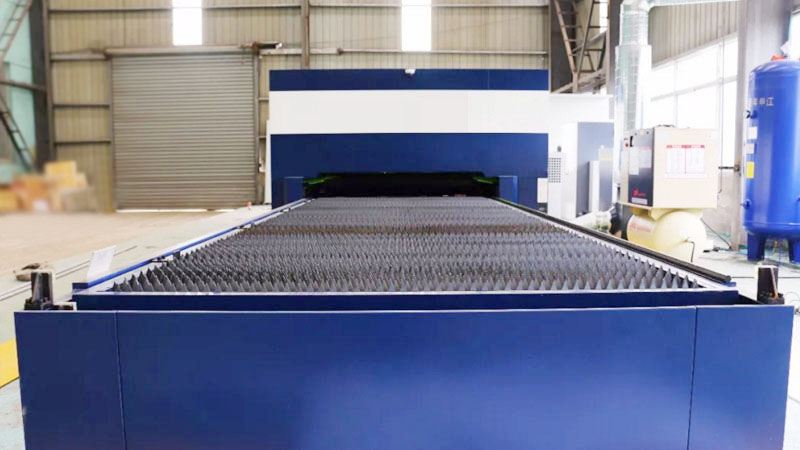
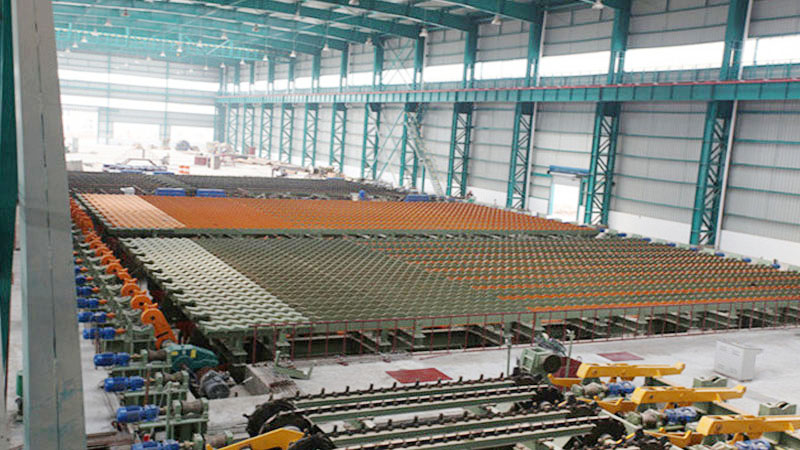
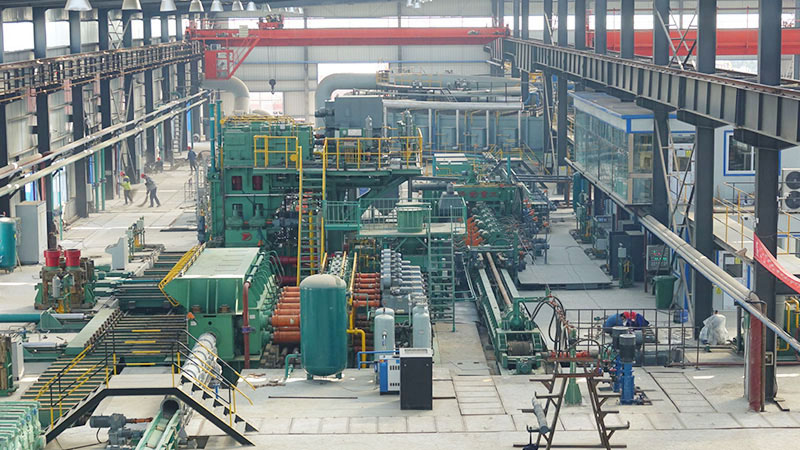
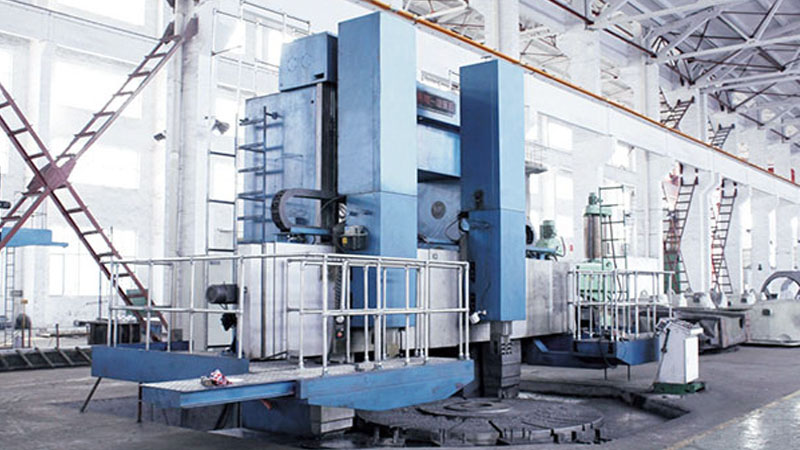
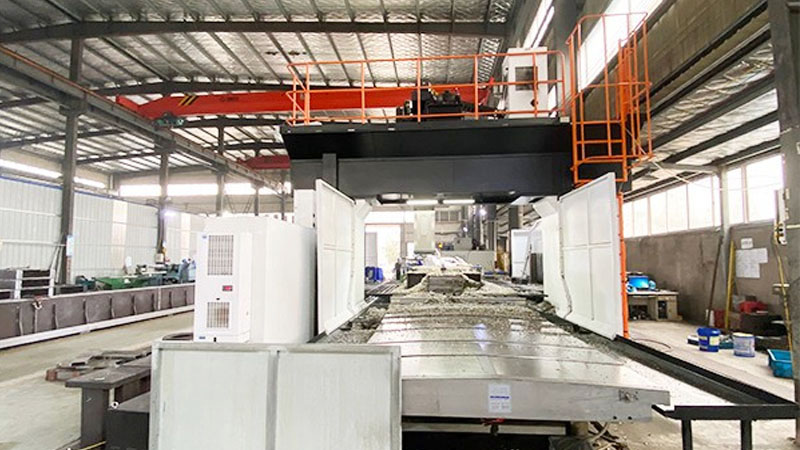
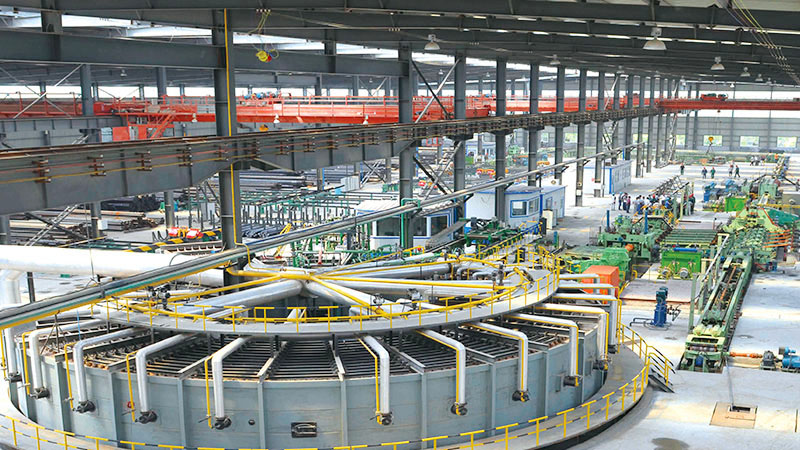
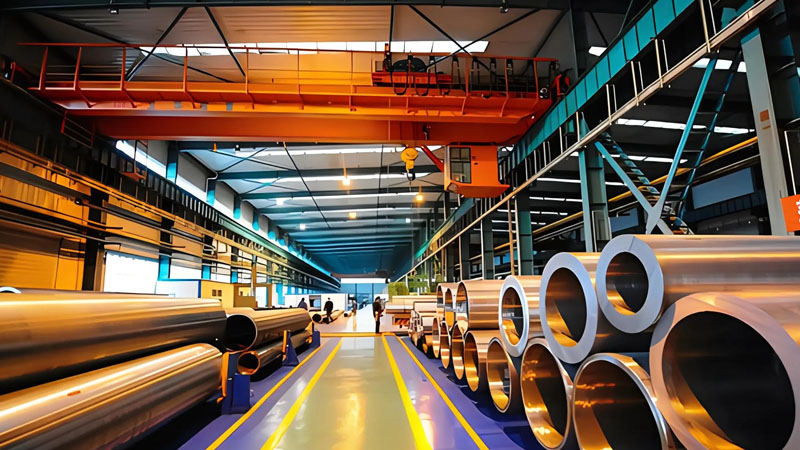
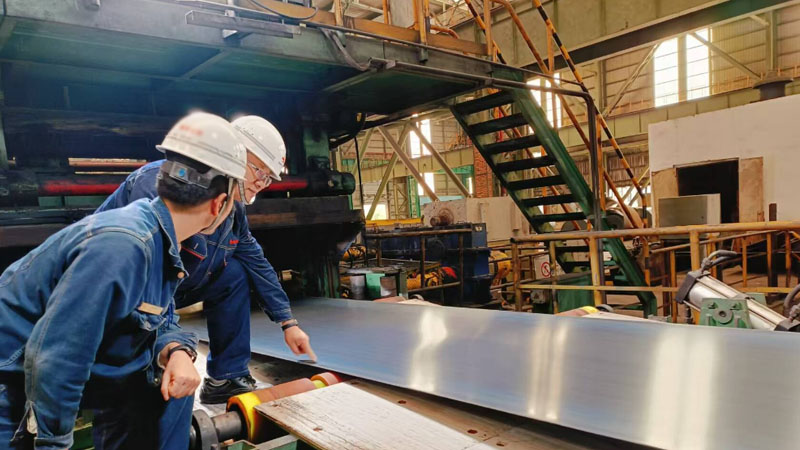
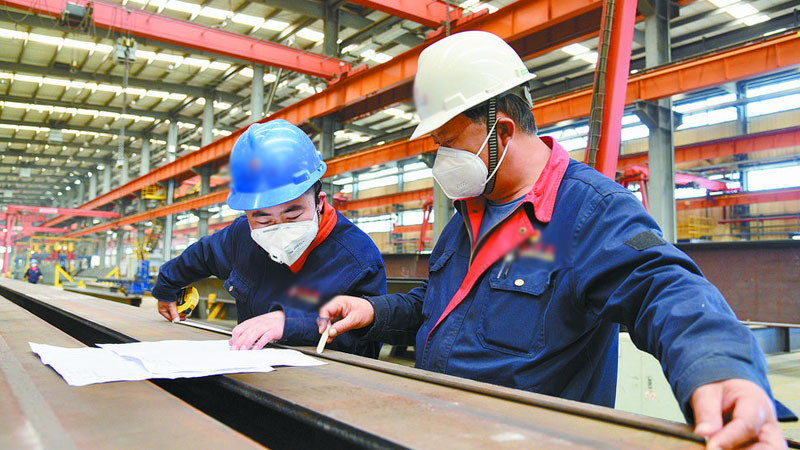
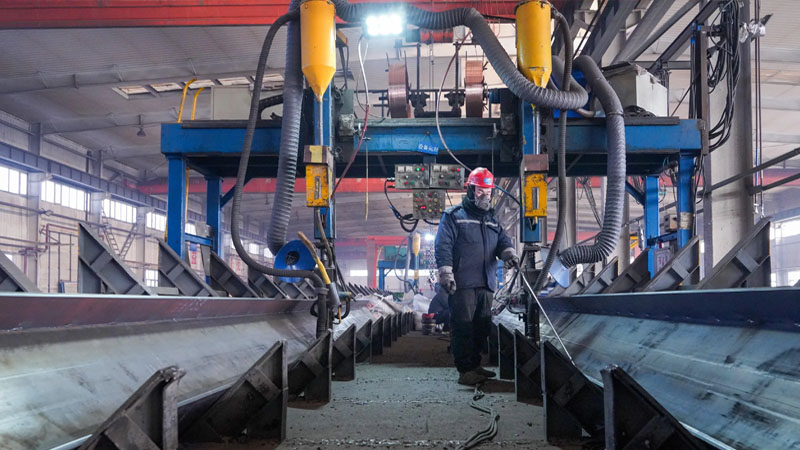
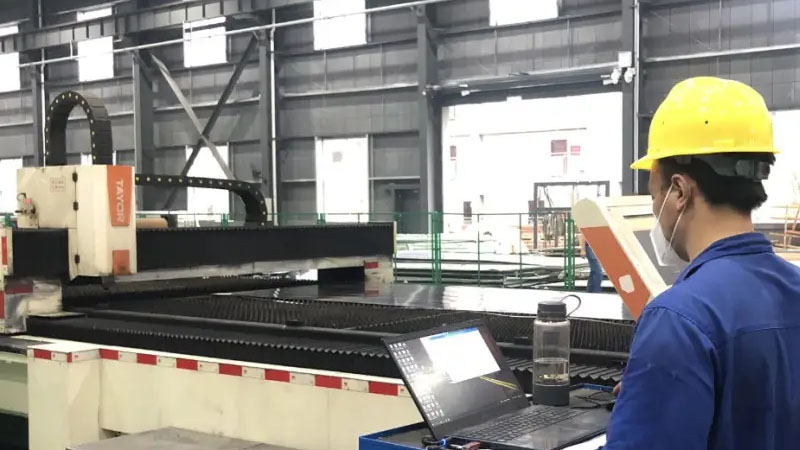
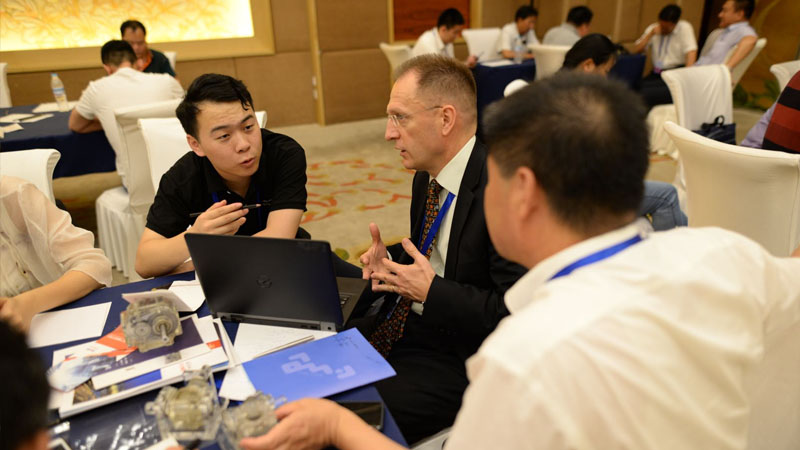
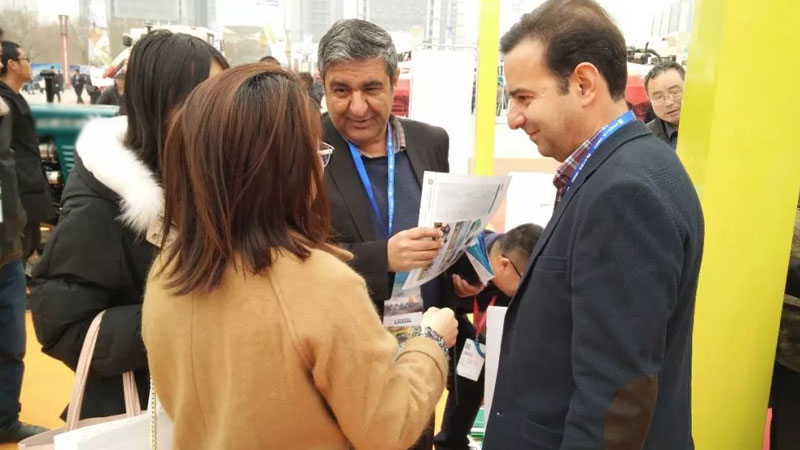
We invite our clients to inspect our state-of-the-art rolling mills, quality control laboratories, and packaging lines.
As the construction and manufacturing industries move toward carbon neutrality and greater resource efficiency, several key trends are shaping the future of diamond steel coil production:
OEM factories are adopting scrap-rich electric arc furnaces (EAF) and hydrogen-based reduction methods to lower the carbon footprint of steel coils.
Adding micro-elements like Titanium, Niobium, and Vanadium allows us to reduce coil thickness while maintaining structural integrity, lowering total material costs for projects.
New zinc-aluminum-magnesium (ZAM) coatings are replacing standard galvanization. ZAM offers self-healing properties on cut edges and superior resistance in harsh environments.
Common questions from procurement managers, engineers, and supply chain directors regarding OEM diamond steel coils:
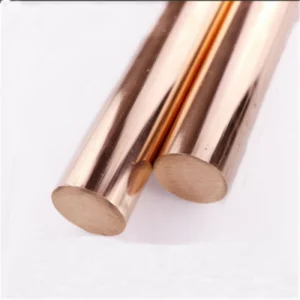
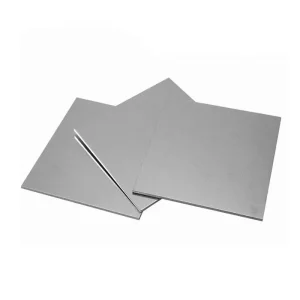
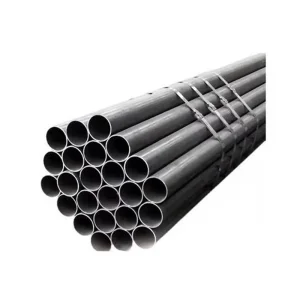
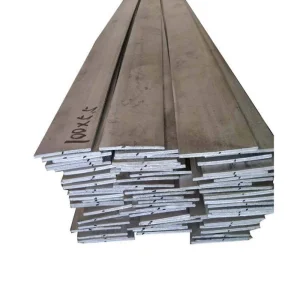
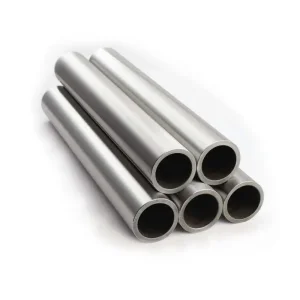
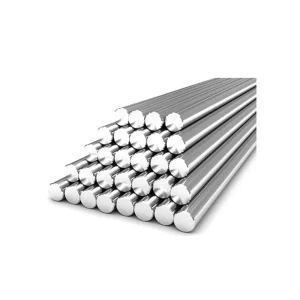
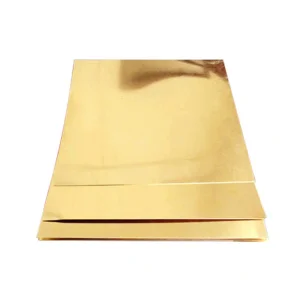
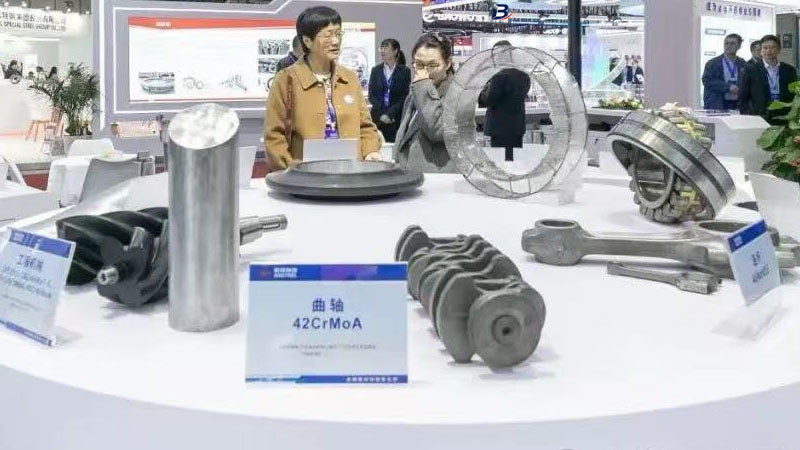
In addition to specialized diamond steel coils, we supply premium stainless, alloy, aluminum, copper, and titanium semi-finished products for diverse industrial requirements: