 Baimaoxing
Baimaoxing
Baimaoxing
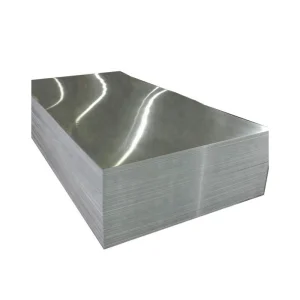
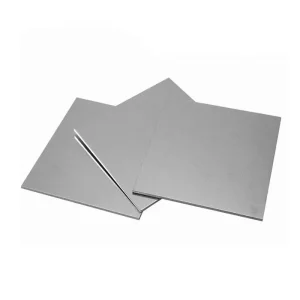
In the realm of maritime engineering, the integrity of the hull is paramount. DH36, classified under the ABS (American Bureau of Shipping) and other major classification society standards, represents a high-tensile structural steel specifically engineered for the rigorous demands of shipbuilding and offshore structures. As a leading manufacturer, we provide OEM DH36 ship steel plates that combine exceptional yield strength (355 MPa) with superior low-temperature notch toughness, vital for navigating harsh arctic or turbulent oceanic environments.
Our commitment to quality goes beyond simple supply. By integrating advanced thermomechanical controlled processing (TMCP), we ensure that our DH36 plates maintain metallurgical stability, excellent welding properties, and fatigue resistance, which are critical for preventing structural failure in large container ships, bulk carriers, and naval vessels.
The transition toward eco-friendly shipping and the demand for larger, more fuel-efficient vessels have shifted the market focus toward higher-strength, lighter-weight steel solutions. DH36 remains a cornerstone for shipbuilders aiming to balance structural integrity with weight reduction.
Navigating geopolitical fluctuations requires a resilient supply chain. Our logistics network ensures that DH36 plates are delivered with precise documentation, including Mill Test Certificates (MTCs) aligned with ISO 9001 and classification society requirements.
We leverage CNC plasma cutting, shot blasting, and priming services, enabling shipyards to move directly from delivery to fabrication, significantly reducing lead times and operational overhead.
Every batch of DH36 is subjected to ultrasonic testing (UT) and Charpy V-Notch impact testing at -20°C, ensuring compliance with global maritime safety regulations, preventing brittle fracture in freezing conditions.
The versatility of DH36 ship steel plate extends beyond standard hulls. In the offshore renewable energy sector, specifically for fixed-bottom offshore wind turbine foundations, DH36 provides the necessary ductility to withstand constant wave loading and fatigue. Our technical roadmap involves increasing the purity of molten steel through vacuum degassing, reducing non-metallic inclusions to near-zero levels, which further enhances the weldability and corrosion resistance of the material.
Our localized support teams act as extension arms for your engineering department. Whether you are dealing with local classification society auditors or navigating regional import regulations, our expertise facilitates a seamless procurement process. We offer on-site consultations to assist in plate selection based on specific vessel design classes, ensuring that you optimize your material usage without compromising safety margins.
While both are high-strength structural steels for shipbuilding, the primary difference lies in their impact testing temperature. AH36 is tested at 0°C, whereas DH36 is tested at -20°C, making DH36 significantly better suited for colder waters and critical structural applications.
Yes, we provide full traceability. Our plates can be verified by major classification societies like DNV-GL, ABS, LR, BV, or CCS upon request, ensuring compliance with international maritime standards.
We supply DH36 plates in thicknesses ranging from 6mm up to 200mm, with custom width and length configurations to minimize offcuts and scrap for our shipyard clients.