 Baimaoxing
Baimaoxing
Baimaoxing
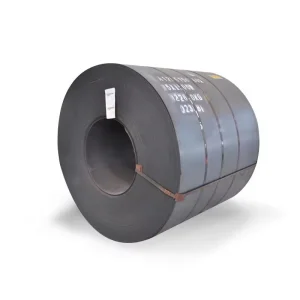
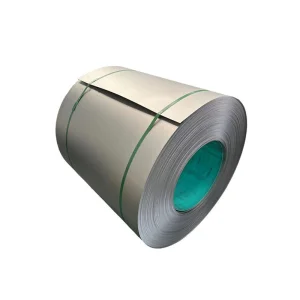
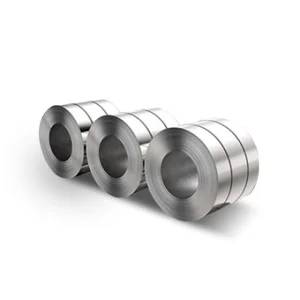
In the modern industrial landscape, checkered steel coils—often referred to as floor plate or tread plate—serve as the backbone of safety infrastructure. From maritime walkways to heavy-duty logistics flooring, the demand for precision-engineered, high-traction steel has skyrocketed. Understanding the technical nuances of these coils is vital for procurement managers and engineers aiming to balance durability, cost, and safety.
China has solidified its position as the premier global supplier of checkered steel coils. This dominance is not merely a result of volume but a reflection of a mature, technology-driven manufacturing ecosystem. Factories in regions like Shandong leverage integrated supply chains that reduce lead times by up to 30% compared to Western counterparts. Advanced rolling technology allows for tighter tolerance on the "diamond" or "tear-drop" pattern, ensuring consistent friction coefficients that are critical for compliance with international safety standards such as ASTM A786.
The steel industry is currently undergoing a pivotal transformation. We are witnessing a shift toward low-carbon production methods and the adoption of high-strength, low-alloy (HSLA) steel coils. For buyers, this means access to products that are lighter in weight yet possess superior load-bearing capacities. The integration of IoT (Internet of Things) in the manufacturing process—from smelting to coil coiling—enables real-time quality tracking, effectively reducing defects and optimizing material usage for large-scale construction projects.
Checkered steel coils are ubiquitous, yet their application dictates the grade and thickness required:
For global enterprises, sourcing checkered steel is a complex logistical operation. A "one-stop service" model—which includes not only the supply of the coil but also value-added processing like slitting, shearing, and protective coating—is the most efficient path forward. It eliminates the need for secondary processing, thereby reducing the "Total Cost of Ownership" (TCO).
The primary benefit is safety. The raised pattern creates a non-slip surface, which is essential for flooring in areas prone to moisture, oil, or debris. It also provides structural rigidity, making the sheet less prone to buckling under stress.
Quality assurance is multi-faceted. It involves requesting Mill Test Certificates (MTCs), performing third-party inspections (e.g., SGS or BV), and verifying the supplier's ISO 9001:2015 certification. Always specify the required steel grade (e.g., Q235, SS400) clearly in the purchase contract.
Yes. Leading factories provide full-service customization, including slitting and cutting to length based on specific site measurements, ensuring zero waste during your installation process.