 Baimaoxing
Baimaoxing
Baimaoxing
Explore our certified range of industrial metal solutions, precision-forged and engineered for mission-critical industrial infrastructures globally.
In high-pressure piping networks, subsea extraction sites, and complex petrochemical process plants, the connection points are historically the most vulnerable zones. Standard casting methods often fail under extreme thermal expansion, cyclical fatigue, and corrosive media due to internal porosity and micro-cracks. This is where All Forged Flanges offer unmatched mechanical integrity.
Forging processes alter the structural anatomy of the steel at a molecular level. By subjecting preheated raw billets to intense, localized compressive forces under industrial hydraulic hammers or ring-rolling machines, the metal's grain structure is refined and forced to flow in the direction of the flange's geometry. This continuous grain flow eliminates structural voids, reduces hydrogen-induced cracking risks, and significantly increases resistance to impact energy and sheer stress.
As a premier forged flanges manufacturer, our manufacturing process integrates high-capacity forging presses with precise thermo-mechanical controls. Whether implementing socket weld, slip-on, weld neck, or blind flanges, our engineering teams ensure the grain alignment matches the specific load vectors the components will experience under high operating pressures.
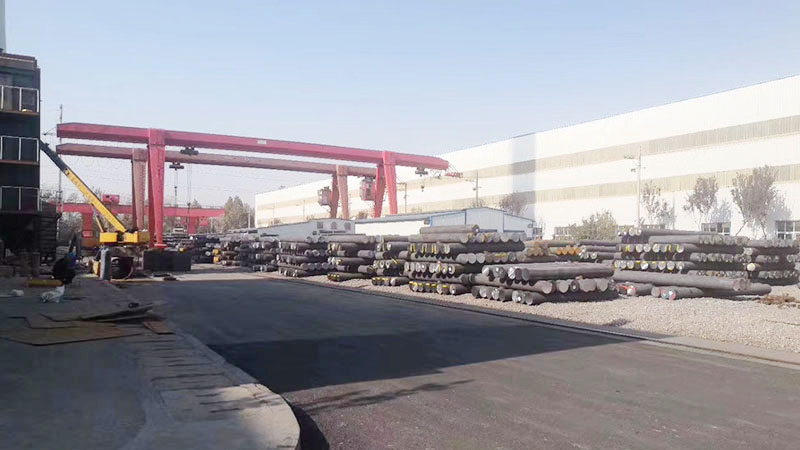
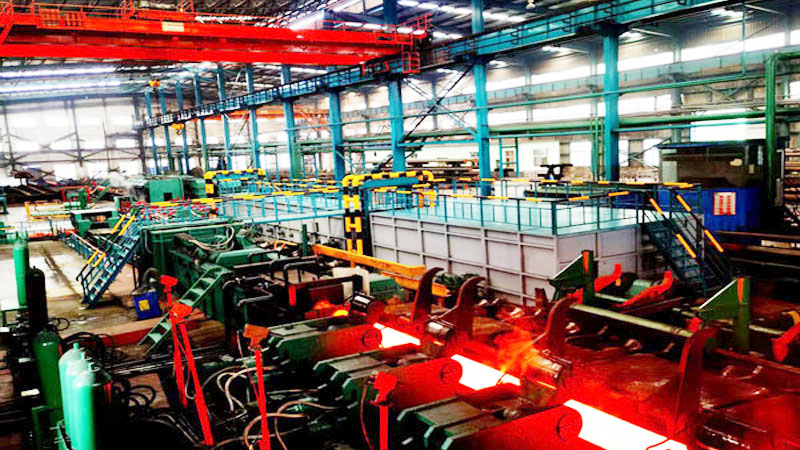
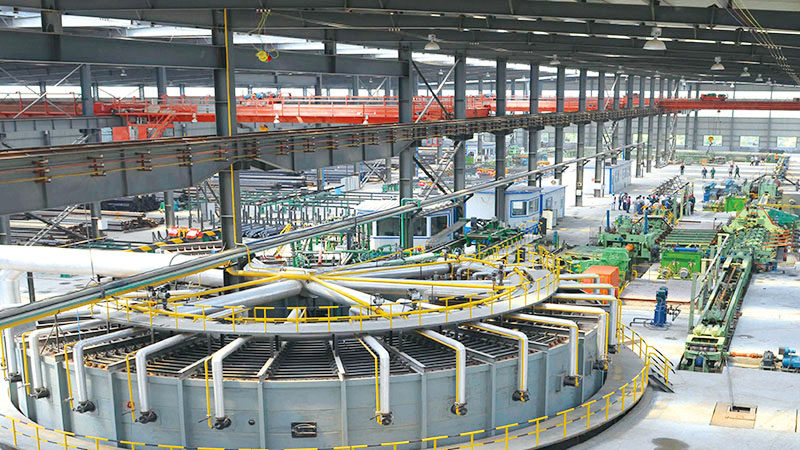
"Forging refines the grain boundaries of steel, transforming heterogeneous microstructure into a dense, anisotropic matrix. This is the difference between systemic failure at 10,000 PSI and long-term operating safety."
The global pipeline infrastructure landscape is shifting toward extreme environments. Modern operations demand flanges capable of withstanding hydrogen transport, high-pressure liquid natural gas (LNG), and deepwater off-shore subsea systems. Key industry developments driving current engineering requirements include:
In highly regulated industries, procurement managers prioritize safety compliance, materials traceability, and independent testing.
Global procurement processes require compliance with internationally recognized standards such as ASME B16.5, ASME B16.47, EN 1092-1, and JIS B2220. Beyond dimensional compliance, structural verification requires comprehensive Mill Test Reports (MTRs) documenting chemical analysis, heat treatment history, tensile properties, and impact values.
We employ advanced Non-Destructive Testing (NDT) methodologies on our forged flanges, including:
Leveraging advanced technology and regional advantages to deliver high-performance forged materials at scale.
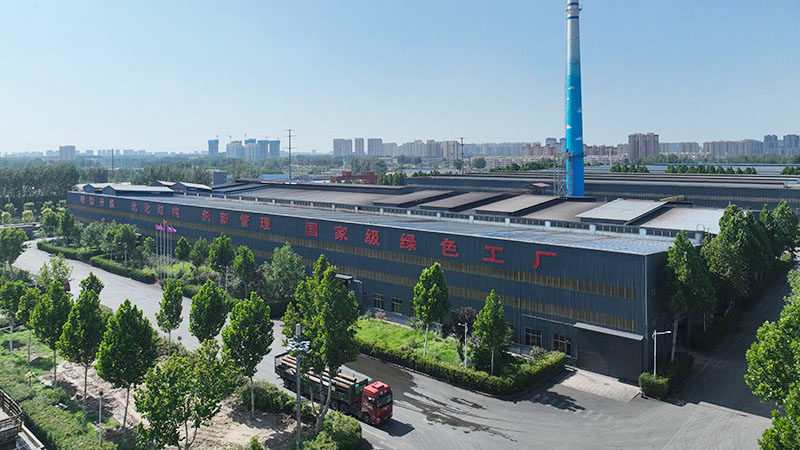
By locating our operations in Liaocheng, Shandong—a major steel and raw material hub in China—we optimize logistical costs, reduce feedstock transit times, and minimize production overhead, passing these savings directly to our global partners.
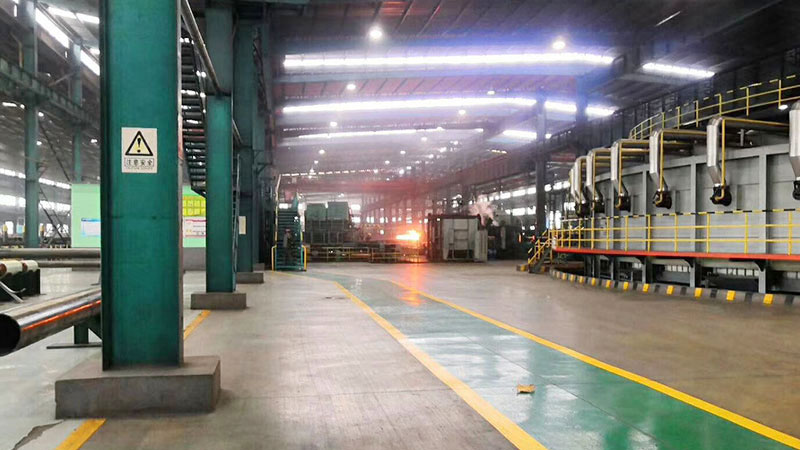
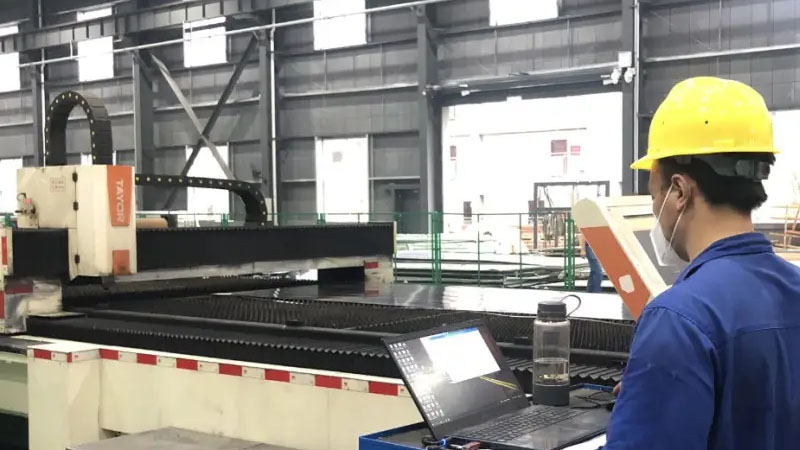
Our facility integrates CNC machining centers, automated ring-rolling equipment, and PLC-controlled heat-treatment furnaces, ensuring dimensional accuracy and uniform structural performance across production runs.
We maintain deep raw material inventories from qualified mills, insulating global projects from sudden market fluctuations and ensuring consistent delivery lead times during peak demand.
Your Trusted Industrial Partner in Advanced Metal and Steel Supply Chains
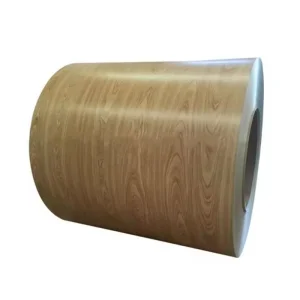
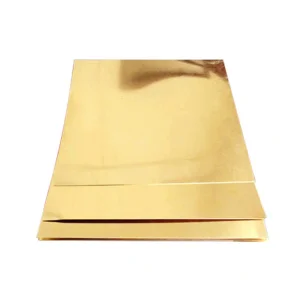
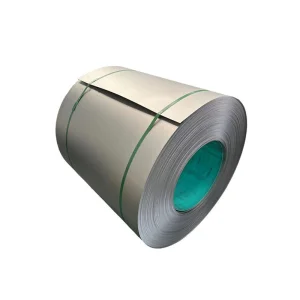
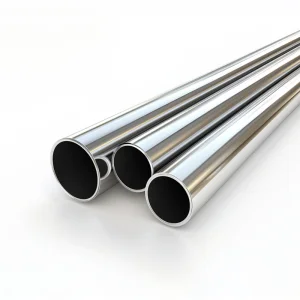
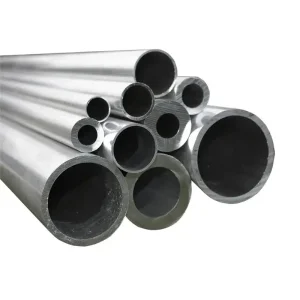
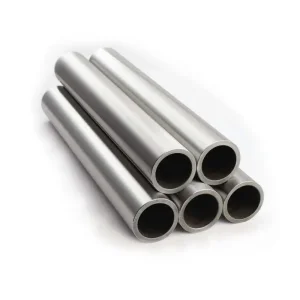
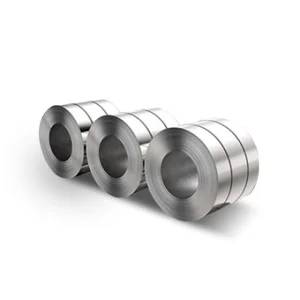
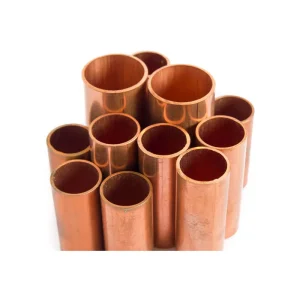
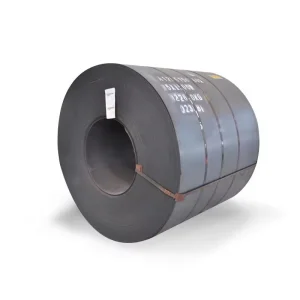
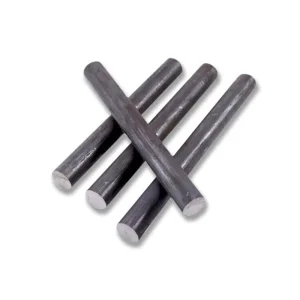
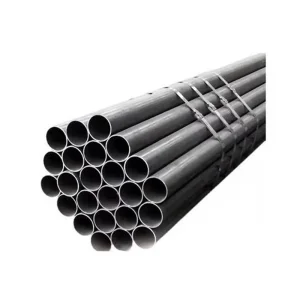
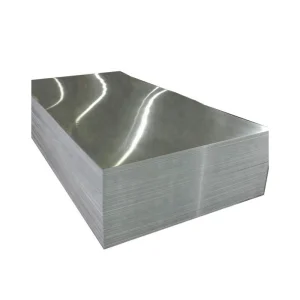
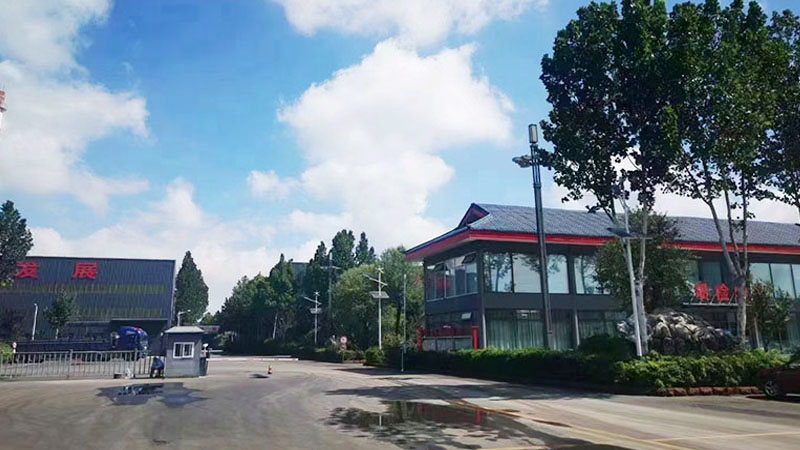
Shandong Baimaoxing Iron and Steel Co., Ltd. is located in Liaocheng City, Shandong Province, China. We are a large steel supplier specializing in research and development, processing, sales, and technical services. Our business covers steel pipes, steel plates, round bars, steel coils, angle bars, flat bars, I-beams, stainless steel plates, stainless steel coils, stainless steel pipes, copper plates, and copper bars Copper tubes, aluminum plates, aluminum tubes, aluminum coils, aluminum rods, titanium plates, titanium tubes, titanium coils, titanium rods, galvanized steel coils, PPGI, etc. Baimaoxing adopts a scientific management model, and its products are widely used in industries such as aerospace, military equipment, petrochemicals, automotive parts, shipbuilding, precision machining, transportation and rail, engineering machinery, electrical equipment, packaging machinery, etc.
We provide customers with steel and its deep processed products, as well as customized, specialized, and one-stop services.
Tonghui has a large number of outstanding professionals with many years of work experience.
The company has obtained ISO9001:2015 certification, and some products have obtained SGS environmental testing reports, which comply with the EU ROHS standard.
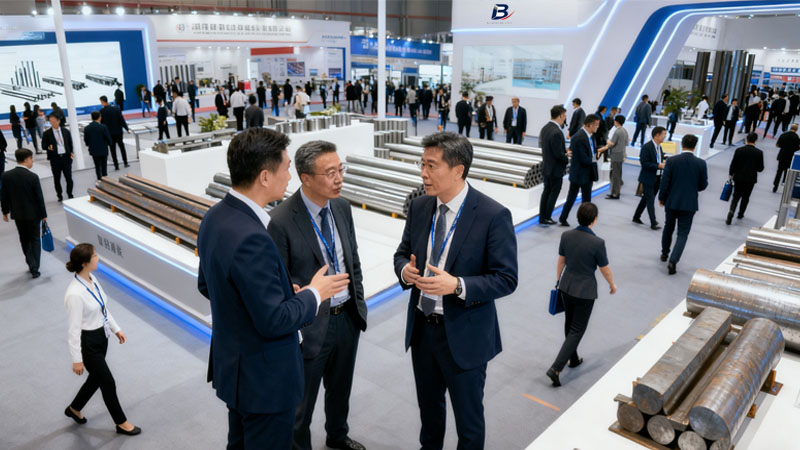
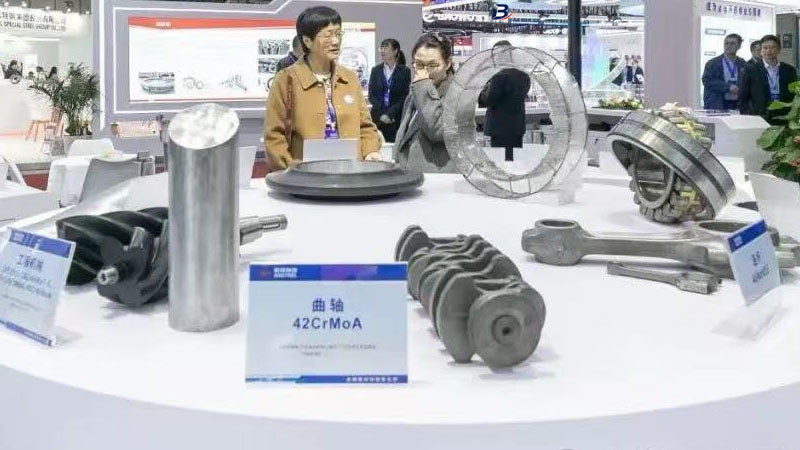
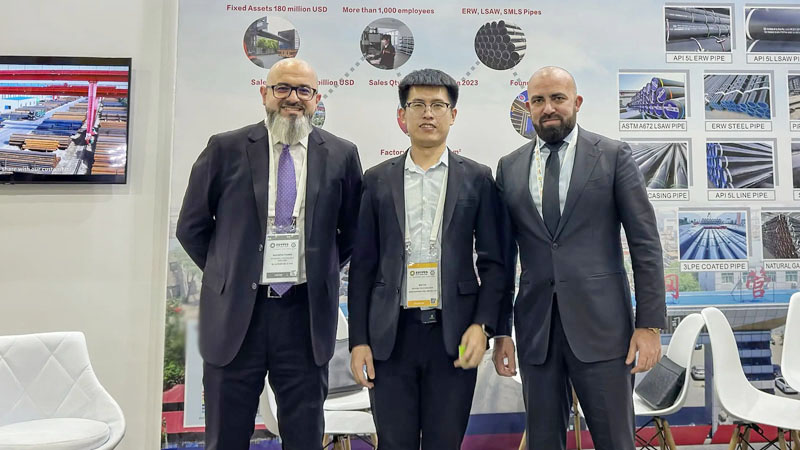
A comprehensive view of our operational flow, machinery, and material testing capabilities.
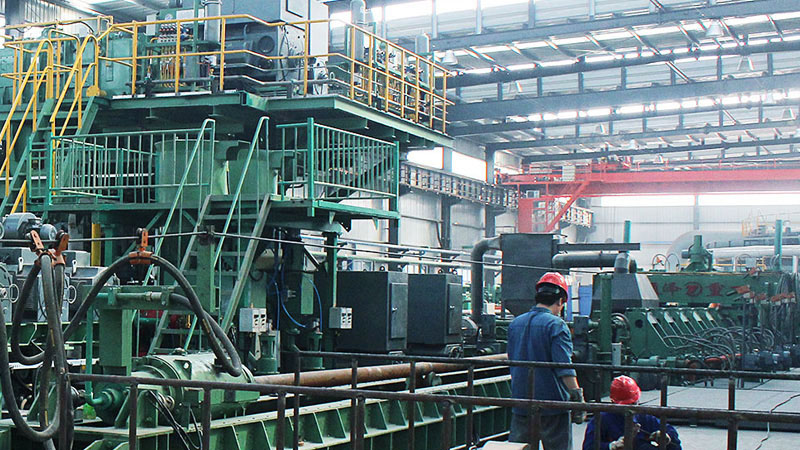
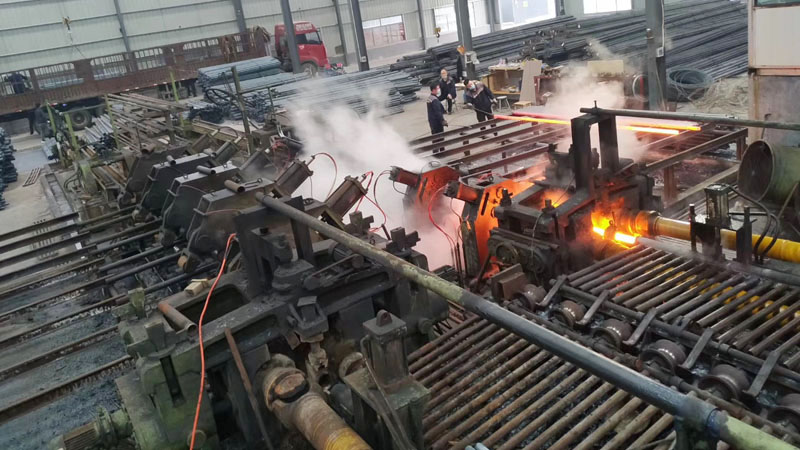
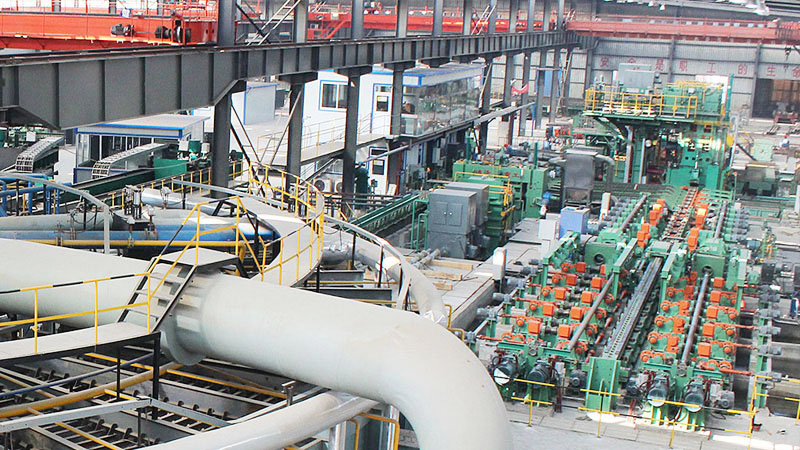
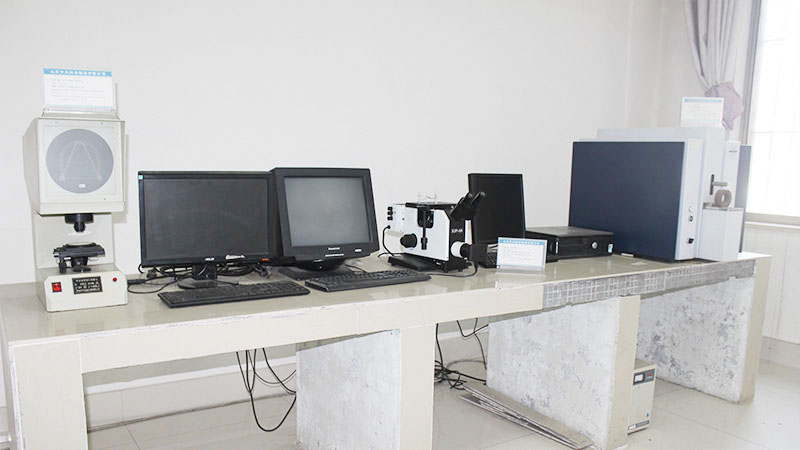
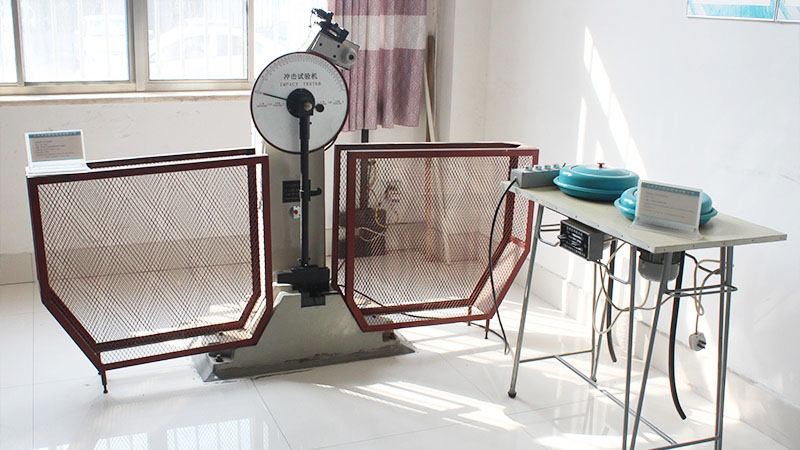
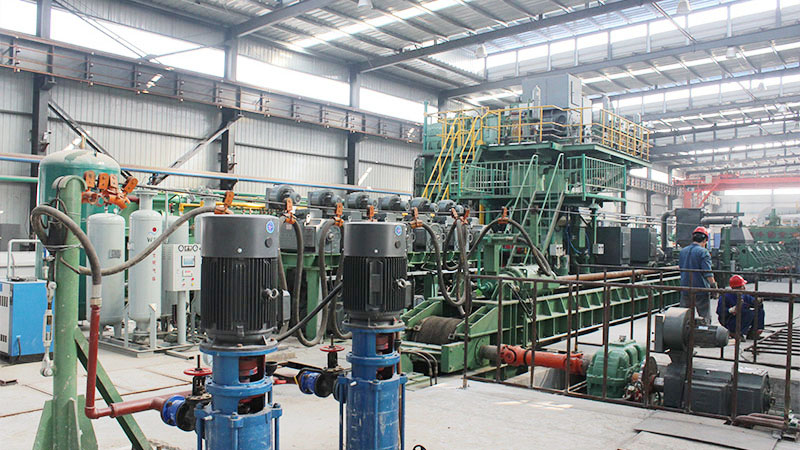
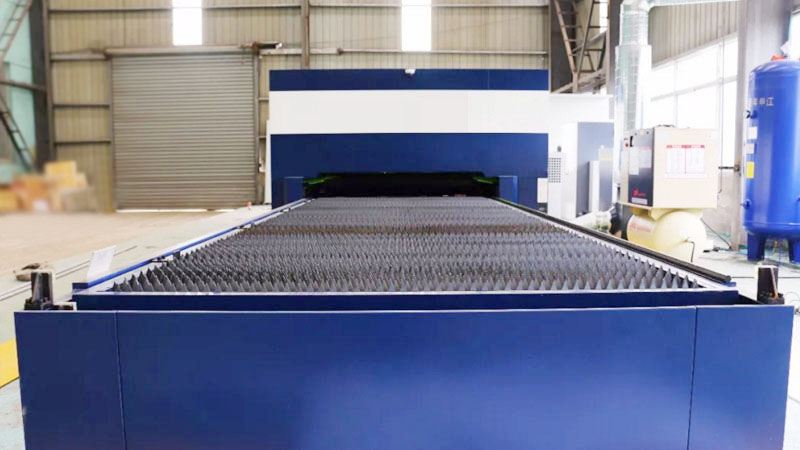
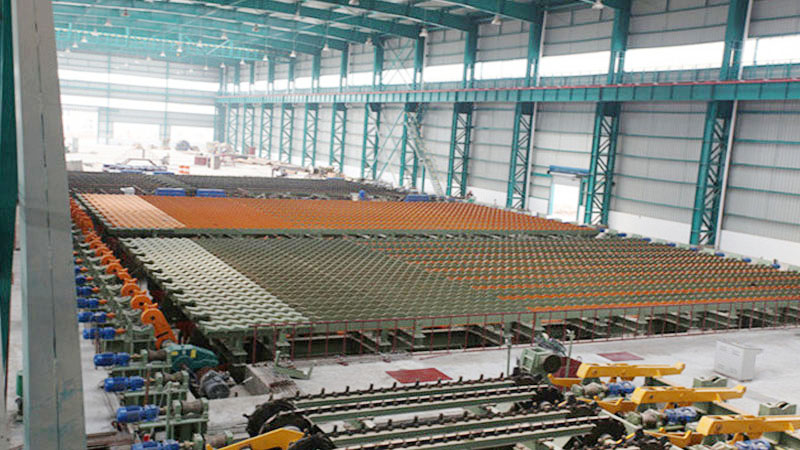
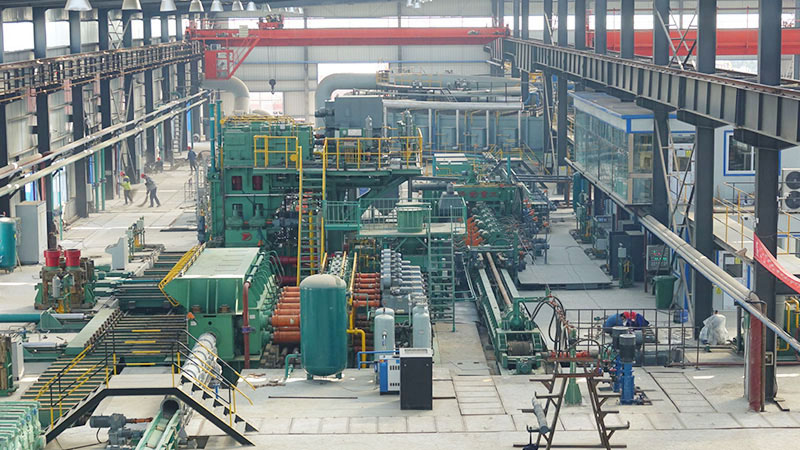
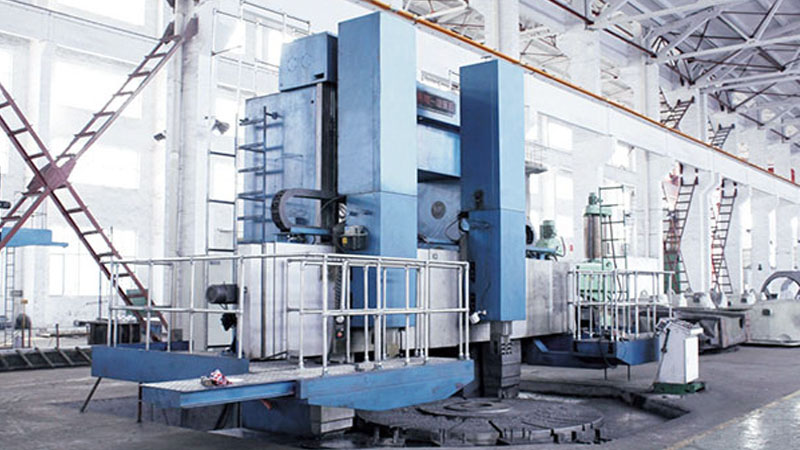
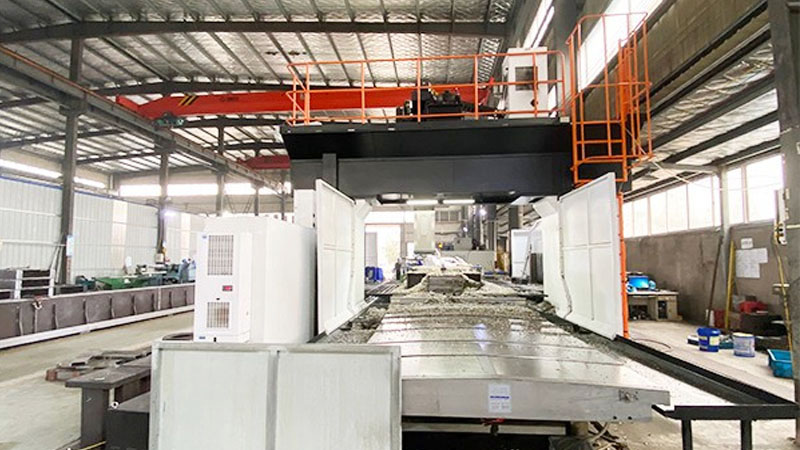
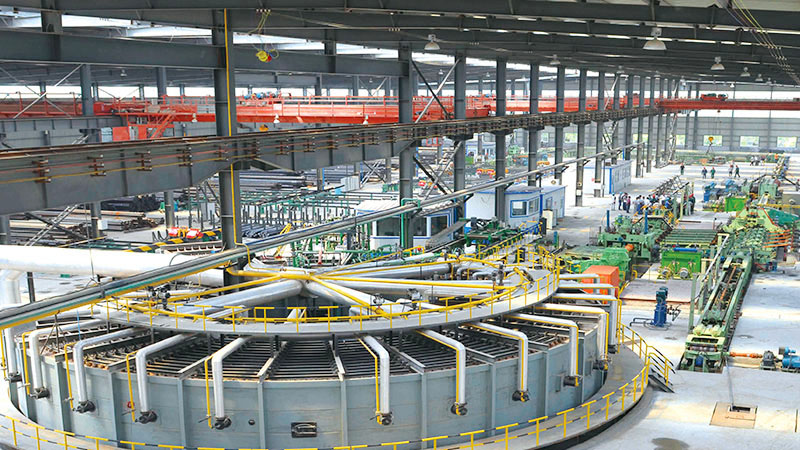
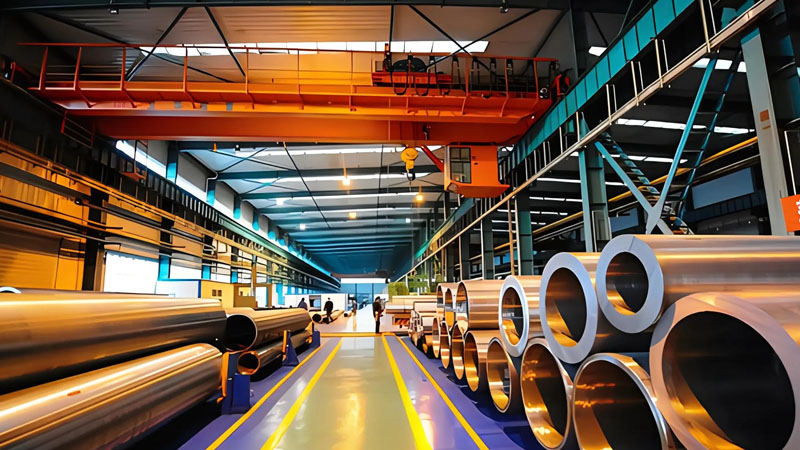
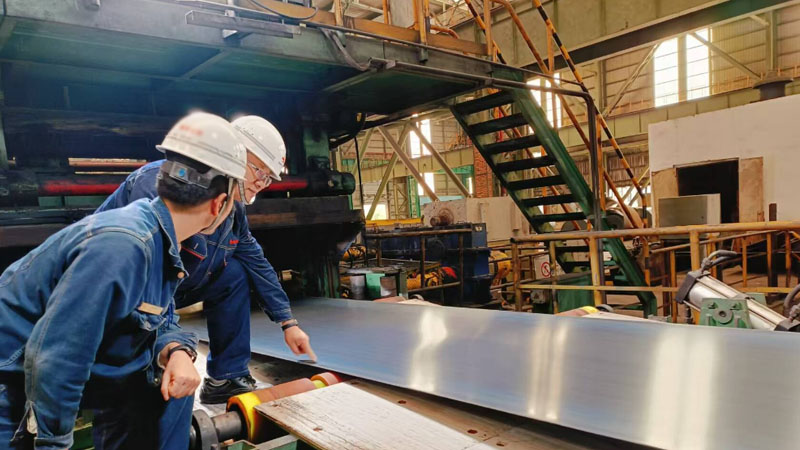
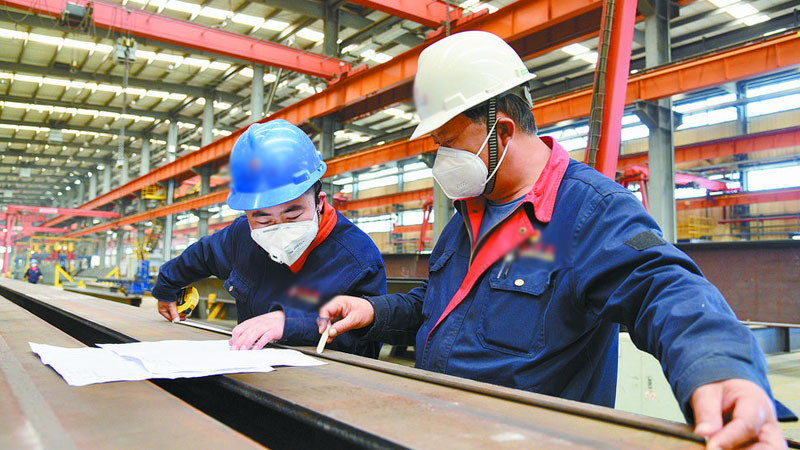
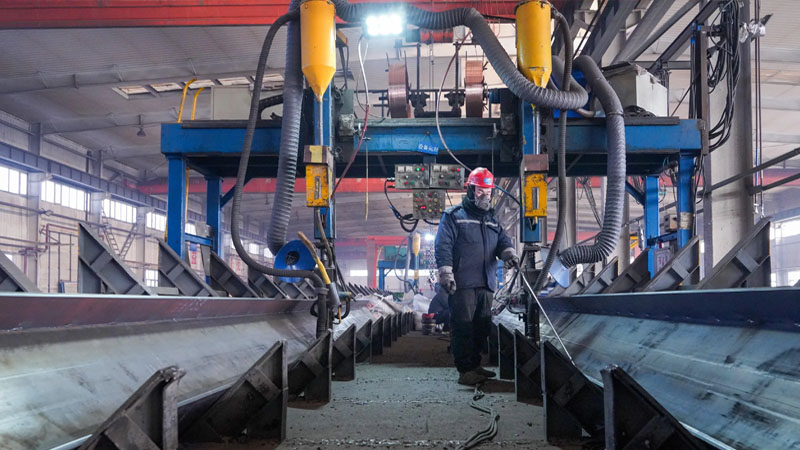
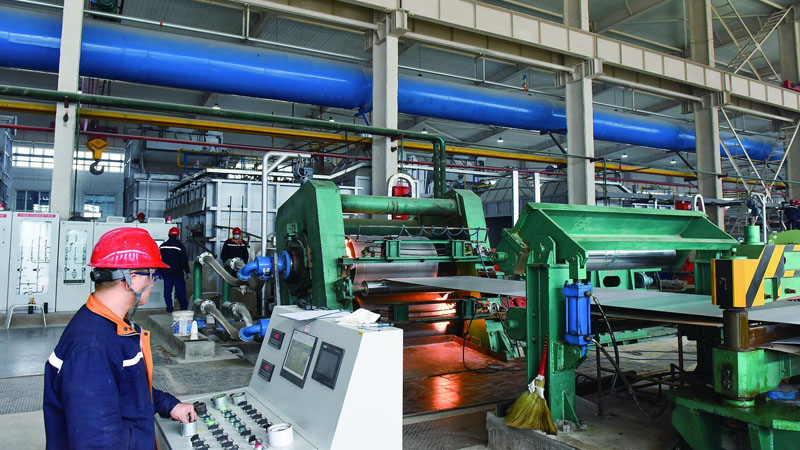
Our forged flanges and heavy-duty steel components are applied in harsh, critical installations globally.
High salinity and elevated water temperatures in the Gulf region accelerate pitting corrosion. For a major municipal water project, we supplied high-strength titanium forged flanges (Gr7 Ti-Pd alloy) and super duplex pipe connections. The addition of palladium in Grade 7 titanium provides excellent resistance to crevice corrosion, extending the lifecycle of desalination manifolds from 5 years to 25+ years.
Wind turbine platforms in the North Sea endure continuous structural vibrations and corrosive marine conditions. Our ASME B16.47 Series A weld neck forged flanges (fabricated in low-temperature A350 LF2 Class 2 carbon steel) were selected for their high Charpy V-notch impact toughness down to -46°C. Continuous forging grain flow prevents fatigue cracking caused by waves and wind loads.
Handling hydrocarbon streams containing hydrogen sulfide (H2S) under high pressure requires NACE MR0175/ISO 15156 compliance. We supplied A105 carbon steel forged flanges with controlled carbon equivalent values (CE < 0.43) and post-weld heat treatment (PWHT), eliminating sulfide stress corrosion cracking risks in the refinery's piping network.
Get professional, expert answers regarding material standards, mechanical requirements, and forging quality controls.
Browse our complete catalog of industrial piping, alloys, and construction structural materials.