 Baimaoxing
Baimaoxing
Baimaoxing
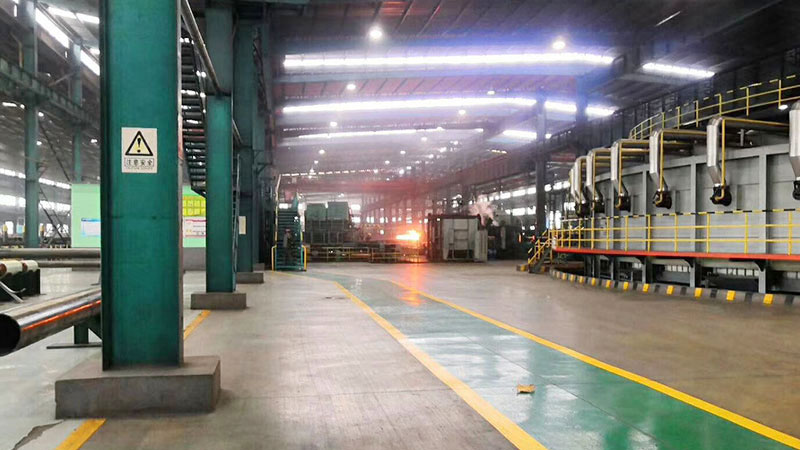
As we enter the era of Industry 4.0, the demand for 416 Stainless Steel Plate has shifted from basic structural use to high-precision, automated machining applications. Known as the "free-machining" variant of martensitic steels, Grade 416 is being re-engineered by leading manufacturers to provide even tighter tolerances and improved uniformity. The integration of AI-driven melting processes and real-time metallurgical monitoring ensures that every plate leaving the factory meets the rigorous demands of CNC high-speed operations.
Machinability Rating
Heat Treatment Capability
Average Cr Content
Magnetic Interference (Martensitic)
International buyers from Germany, the USA, and Southeast Asia are increasingly seeking 416 OEM partners who can provide comprehensive MTC (Material Test Certificates) and ensure conflict-free mineral compliance. The demand is driven by the resurgence in the aerospace and valve-manufacturing sectors.
Grade 416 provides the optimal balance between corrosion resistance and mechanical strength. It is the preferred solution for components requiring extensive machining, such as gears, bolts, nuts, and pump shafts, significantly reducing tooling costs for global OEMs.
We provide localized technical support and adhere to international standards including ASTM A240, EN 10088, and JIS G4304. Our compliance framework covers REACH and RoHS, ensuring seamless integration into your local production lines regardless of your geographic location.
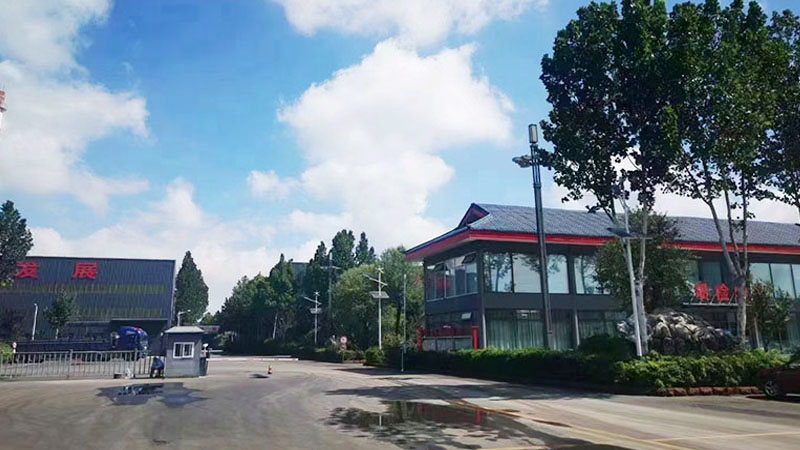
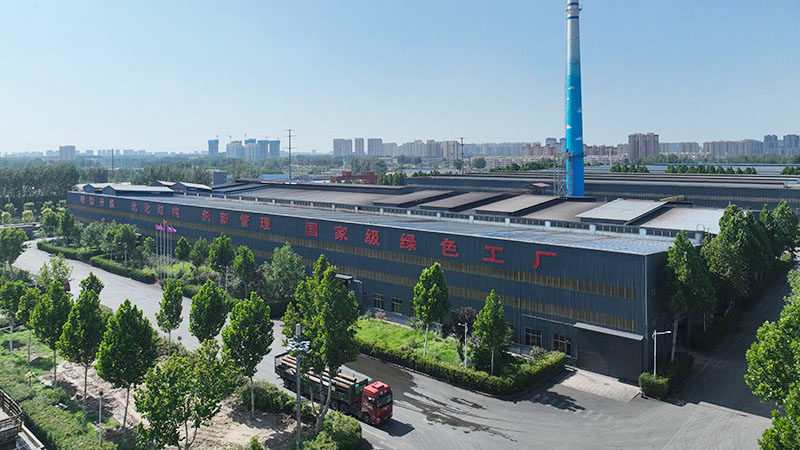
Located in Liaocheng City, Shandong Province, China, Baimaoxing is a large-scale steel supplier specializing in R&D, processing, and technical services. Our diversified portfolio includes 416 Stainless Steel Plates, carbon steel, copper, aluminum, and titanium products. We employ a scientific management model to serve critical industries like aerospace, military equipment, and precision machining.
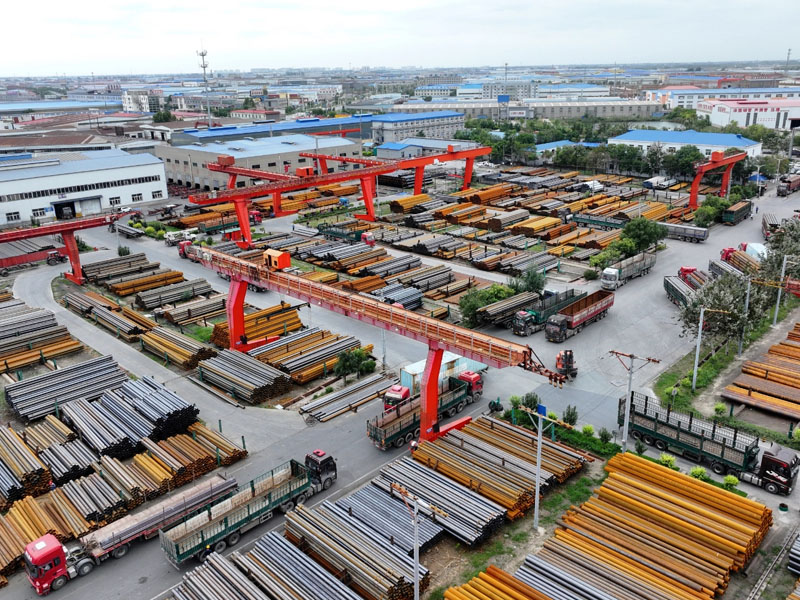
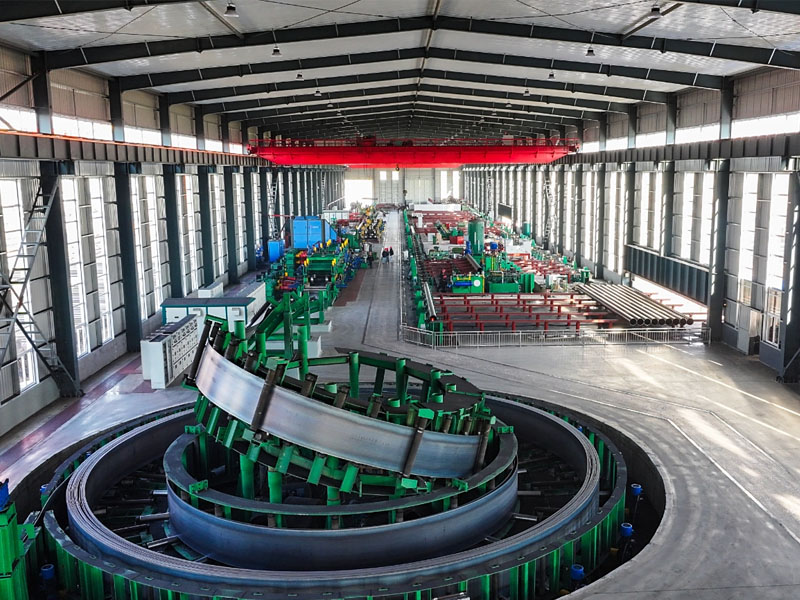
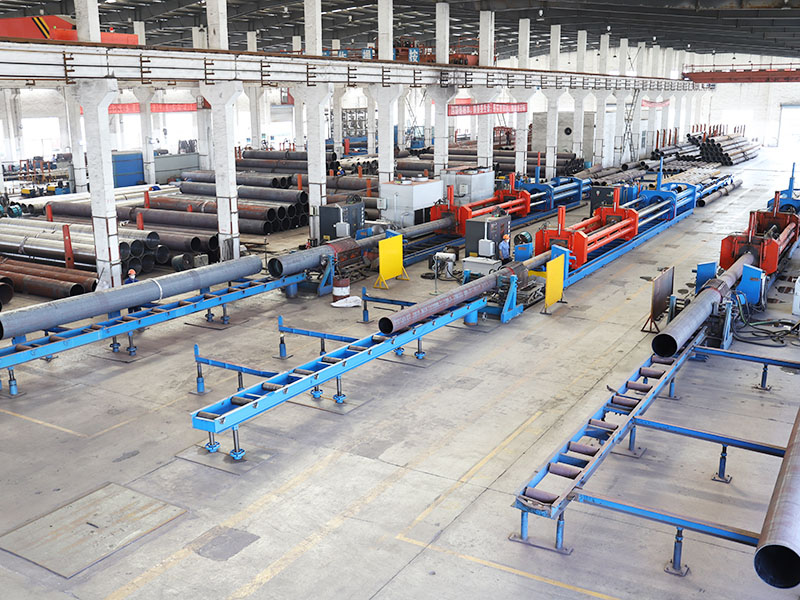
Our upcoming 2025 technology roadmap includes the implementation of vacuum heat treatment for 416 plates, ensuring uniform hardness profiles (HRC 35-42) without surface decarburization, critical for surgical instruments and precision gears.
Research into sulfur-optimized 416+ variants is underway to push the machinability index beyond 90%, allowing for even faster feed rates and longer tool life in high-volume production environments.
We are transitioning to electric arc furnace (EAF) production for our stainless steel plates, reducing the carbon footprint of our raw materials by 40% to meet the green procurement goals of our European partners.
We provide customers with steel and its deep processed products, as well as customized, specialized, and one-stop services.
Baimaoxing has a large number of outstanding professionals with many years of work experience in the metallurgical field.
The company has obtained ISO9001:2015 certification, and some products have obtained SGS environmental testing reports, complying with EU ROHS standards.
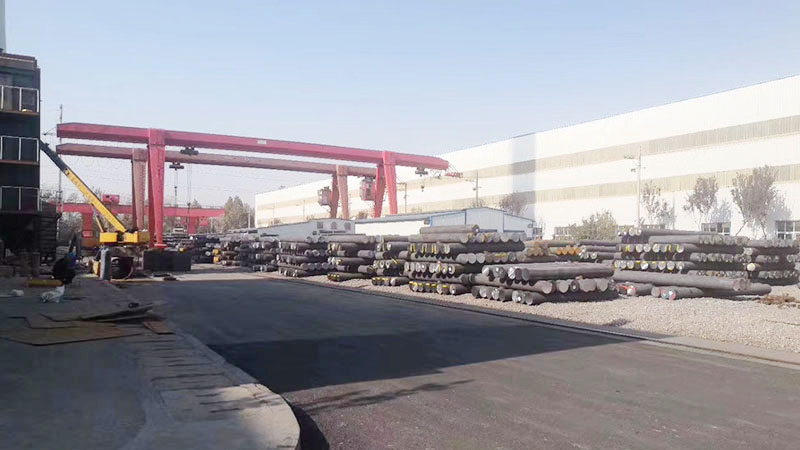
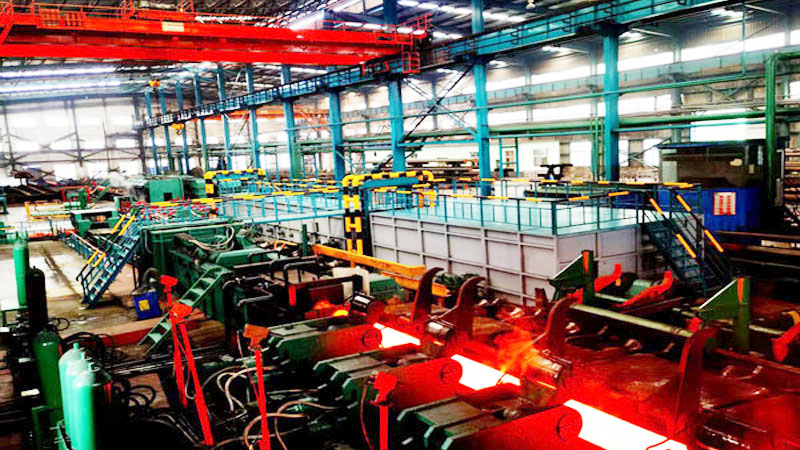
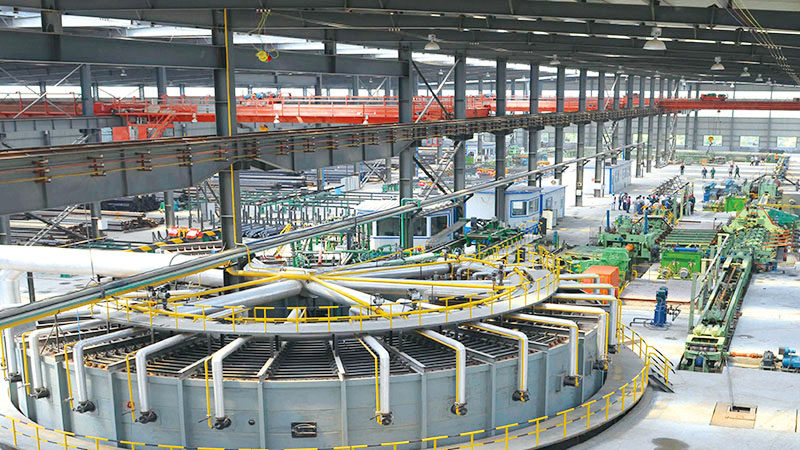
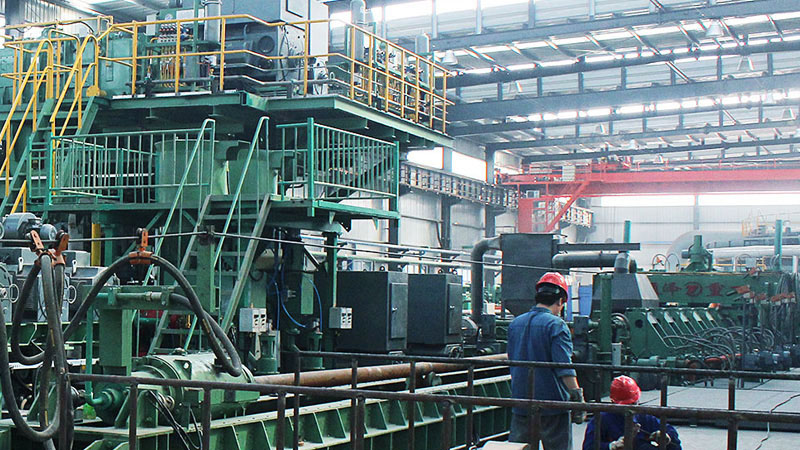
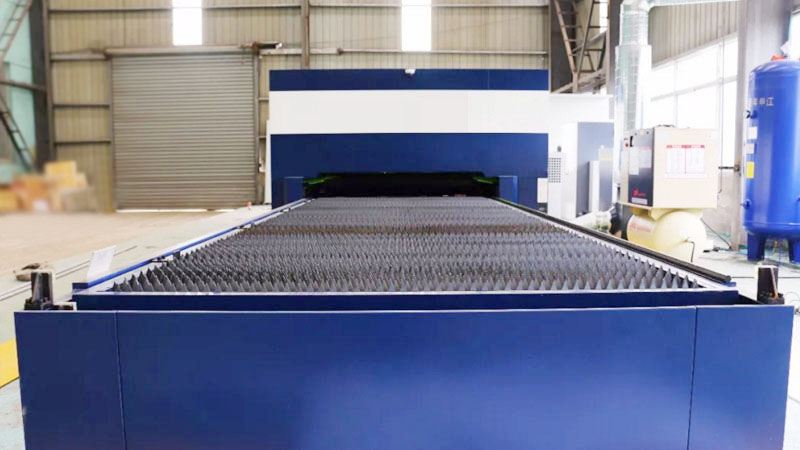
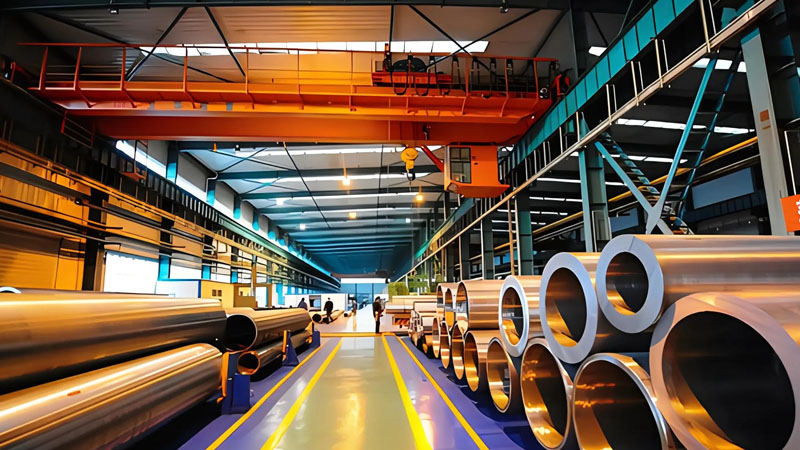
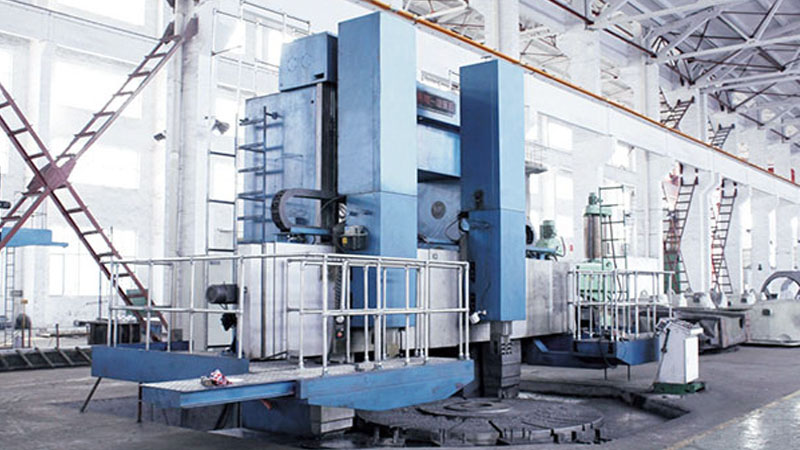
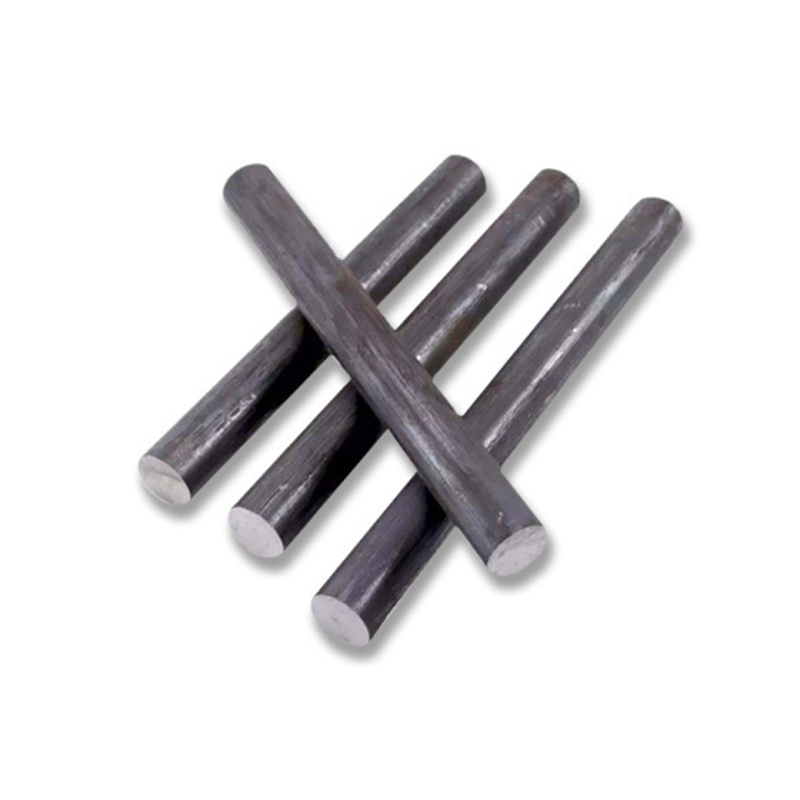
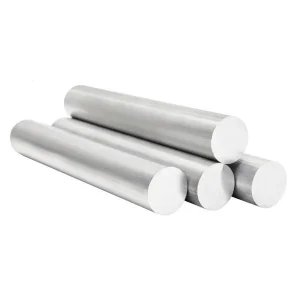
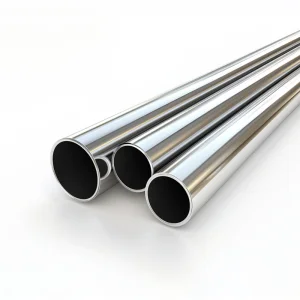
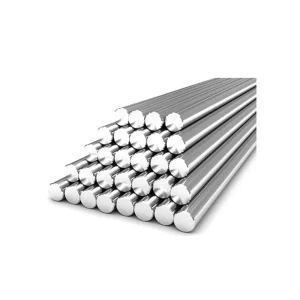
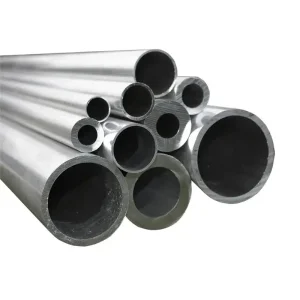
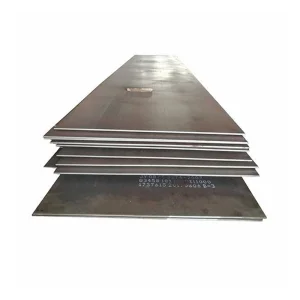
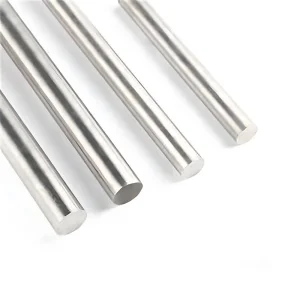
Grades: Q235B, A36, 1045, 4140. Thickness 6-600mm. Precision forged for machinery parts.
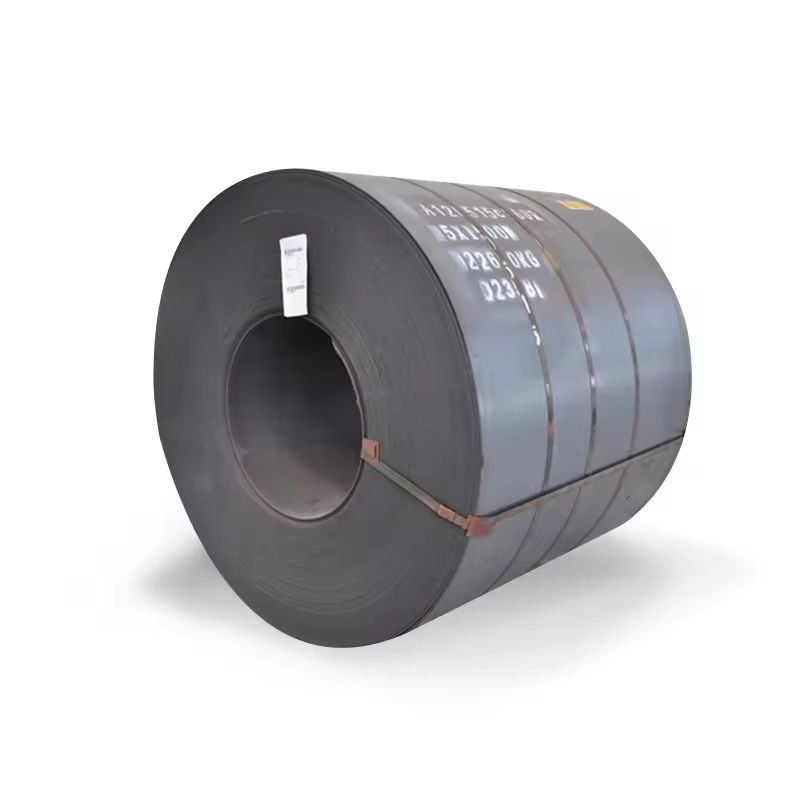
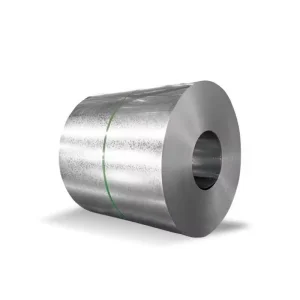
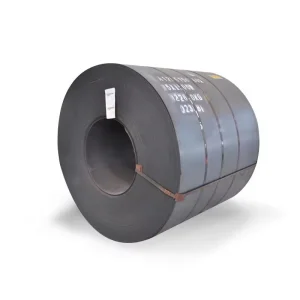
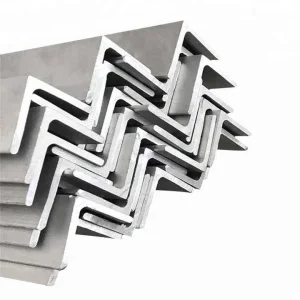
Grades: Q195/Q235b/A36/SS400. Ideal for the construction industry with low sulfur/phosphorus.
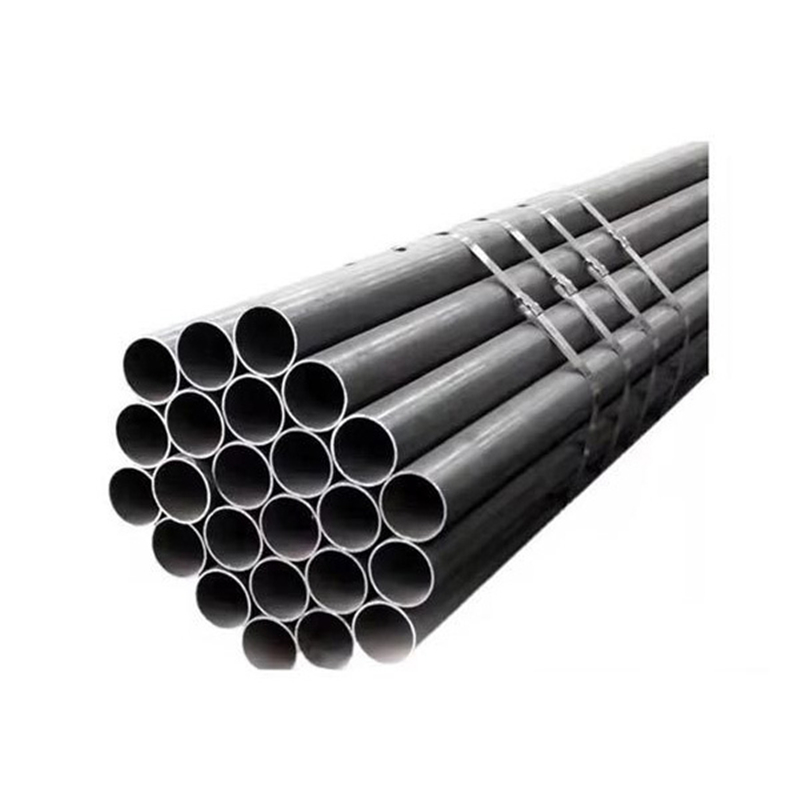
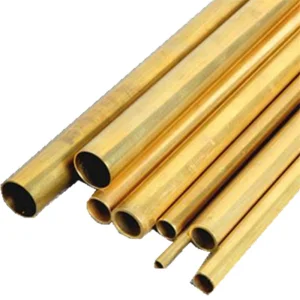
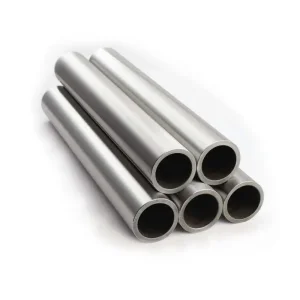
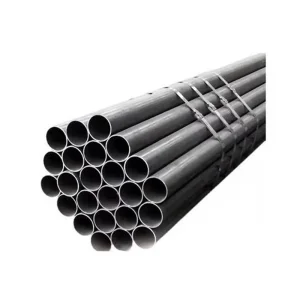
ASTM A53/A106 Gr.B. Sch40/Sch80. High strength and toughness for fluid delivery.
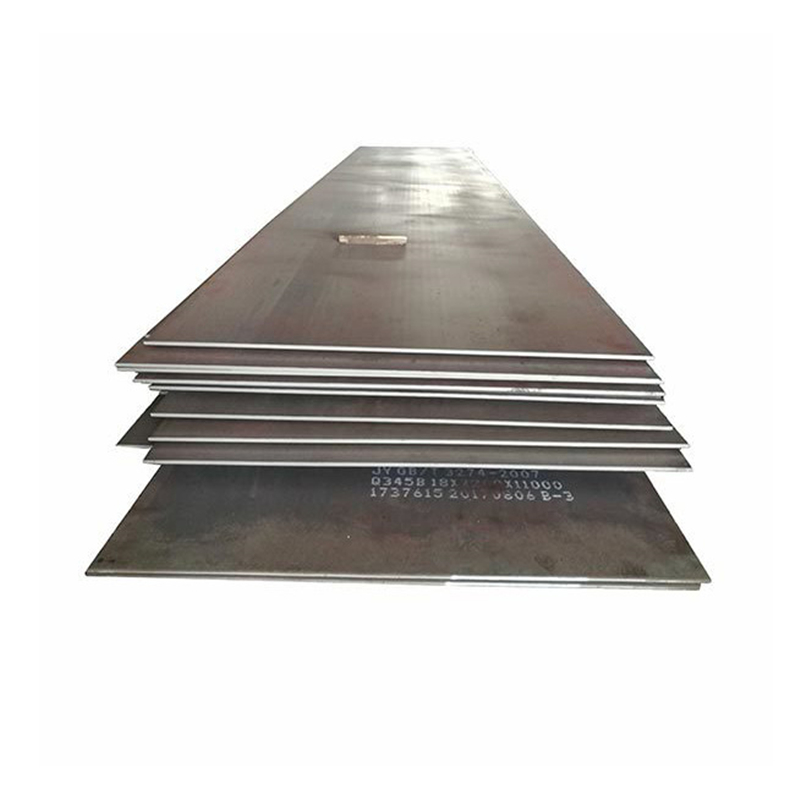
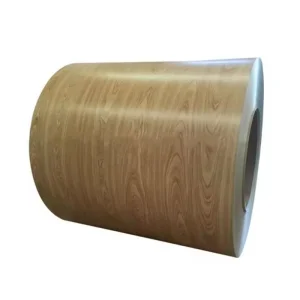
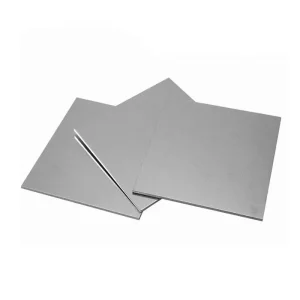
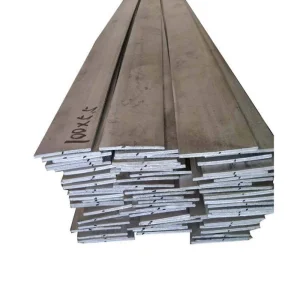
Grades: Q235, Q345, SS400. 6mm-12mm with bending and welding processing services.
While 416 is highly machinable due to its sulfur content, it is generally considered difficult to weld. Welding can cause hot cracking. If welding is required, we recommend pre-heating and post-weld annealing, though Grade 410 is often a better choice for intensive welding applications.
Both are martensitic steels. However, 416 has added sulfur (or selenium) which dramatically increases its machinability (rating of 85 vs 410's rating of 40). Grade 416 is best for high-volume automated production of fasteners and shafts.
Yes, 416 stainless steel is martensitic and therefore strongly magnetic in both the annealed and hardened conditions. This property is useful for applications requiring magnetic attraction.
Through heat treatment (quenching and tempering), 416 stainless steel plate can reach hardness levels of approximately 35-45 HRC, depending on the tempering temperature. This makes it ideal for durable mechanical components.