 Baimaoxing
Baimaoxing
Baimaoxing
 Featured Industrial Solutions
 Macro Industry Solutions & Global Context
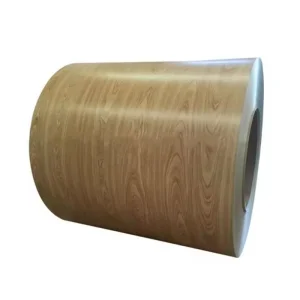
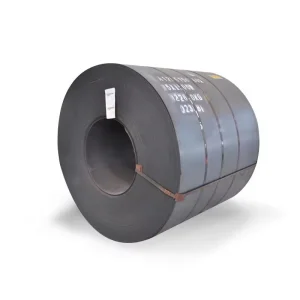
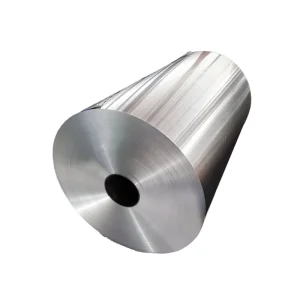
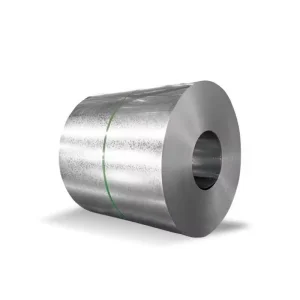
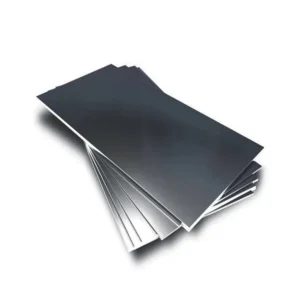
In the current global industrial landscape, 316L stainless steel coil plates represent the pinnacle of austenitic steel engineering. Unlike standard 304 variants, the 316L series—characterized by its low carbon content and the strategic addition of Molybdenum—is the definitive solution for environments prone to chloride-induced pitting and crevice corrosion. As a leading OEM manufacturer, we recognize that the global shift toward sustainable energy, hydrogen storage, and offshore infrastructure has catalyzed an unprecedented demand for high-integrity metallic substrates.
Market analytics indicate a CAGR of 5.4% for high-grade stainless alloys through 2030. This growth is driven by the Marine, Pharmaceutical, and Chemical Processing sectors, where material failure is not just a financial risk but a safety hazard. Our factories integrate AI-driven thermal processing to ensure that every coil plate meets the rigorous ASTM A240 and EN 10088-2 standards, providing a "Zero-Defect" roadmap for our global partners.
 Technical Roadmap: The Metallurgy of 316L Excellence
The "L" in 316L signifies Low Carbon (typically ≤ 0.03%), which is the critical factor in preventing sensitization—the precipitation of chromium carbides at grain boundaries during welding. This metallurgical refinement ensures that our OEM 316L coil plates maintain their structural integrity and corrosion resistance even after heavy fabrication. By incorporating 2-3% Molybdenum, our plates offer superior resistance to sea-water and acidic environments compared to standard 18/8 steels.
Our PREN (Pitting Resistance Equivalent Number) typically exceeds 24, making it ideal for coastal and chemical applications.
Eliminates the need for post-weld annealing, significantly reducing fabrication costs for massive structural projects.
Maintains excellent toughness and mechanical properties at sub-zero temperatures, crucial for LNG transport.
 Localized Application Scenarios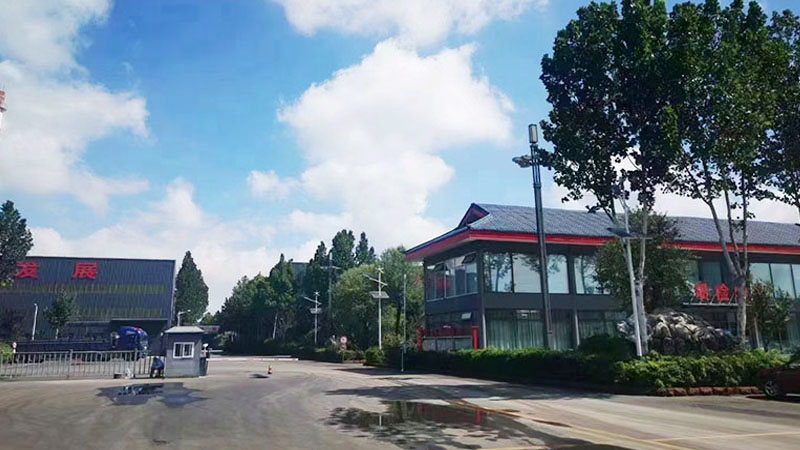
Our 316L products are customized for diverse regional requirements:
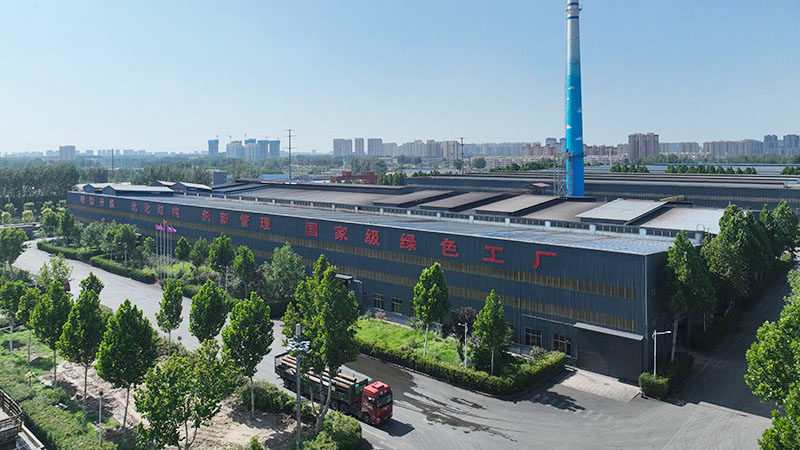
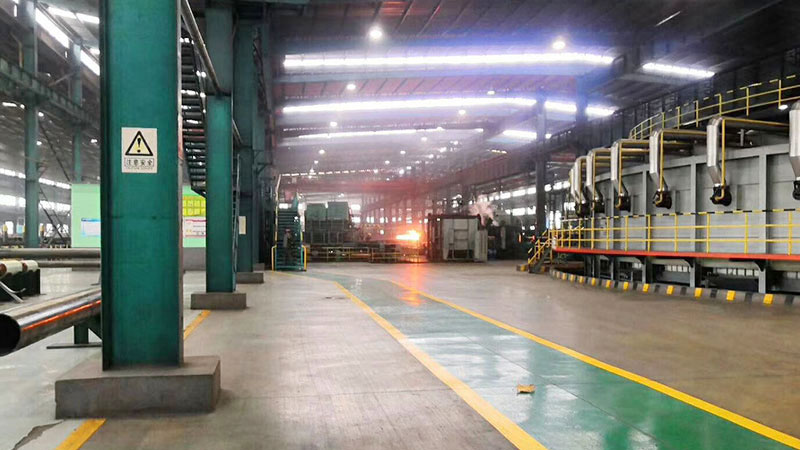
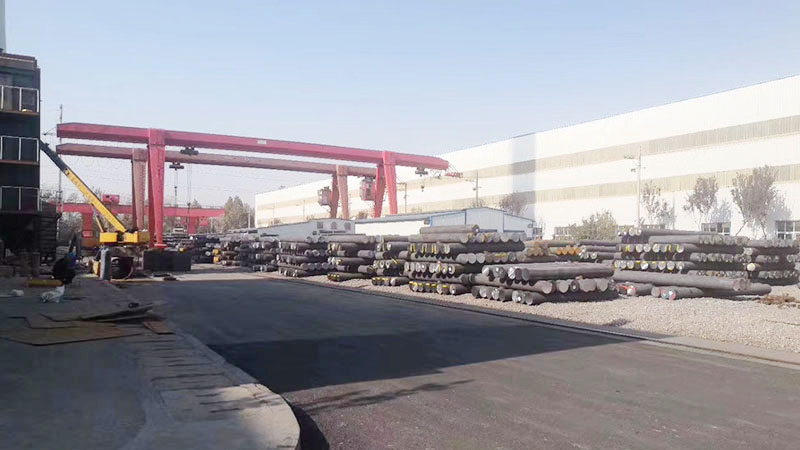
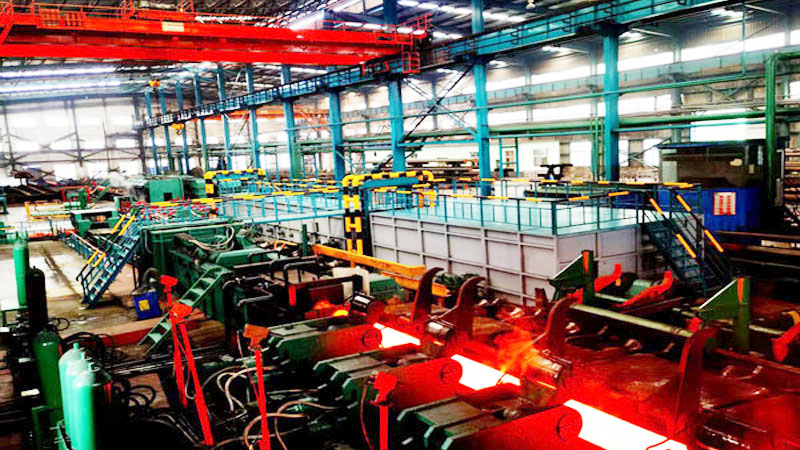
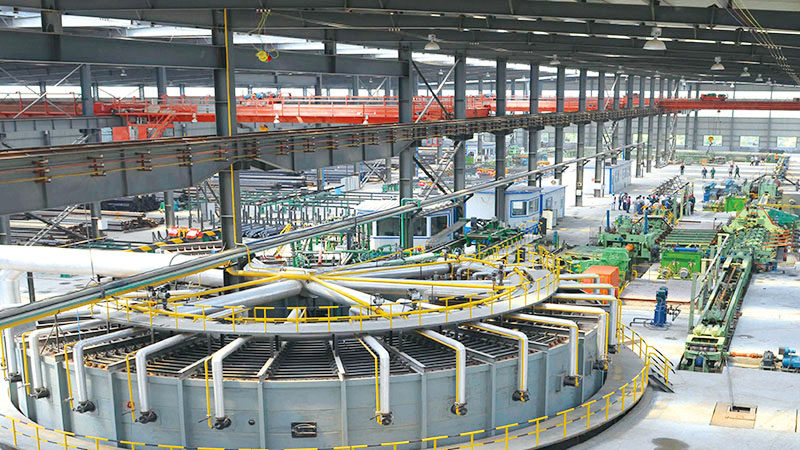
Located in Liaocheng City, Shandong Province, China, Shandong Baimaoxing Iron and Steel Co., Ltd. is a leading-edge steel enterprise specializing in R&D, advanced processing, and global distribution. Our portfolio encompasses stainless steel, carbon steel, copper, and titanium alloys, serving as a one-stop hub for aerospace, military, and precision engineering sectors. With ISO9001:2015 certification and RoHS compliance, we guarantee quality that transcends borders.
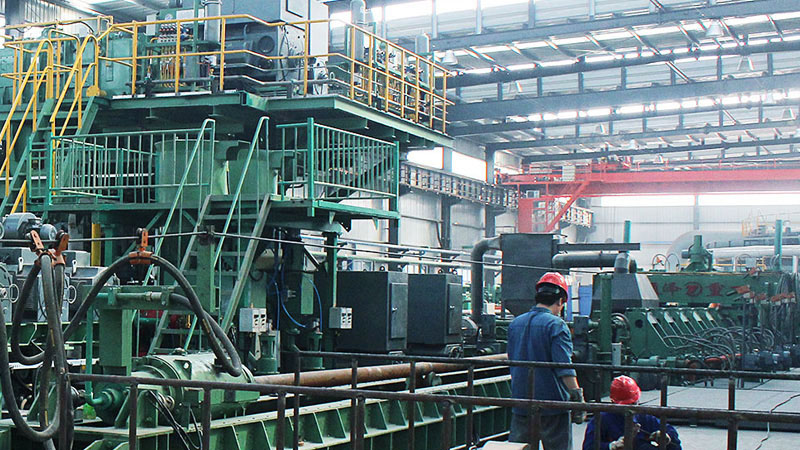
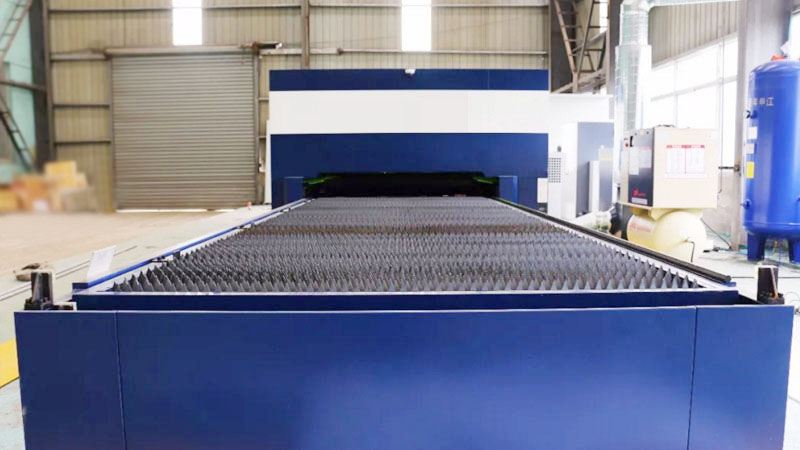
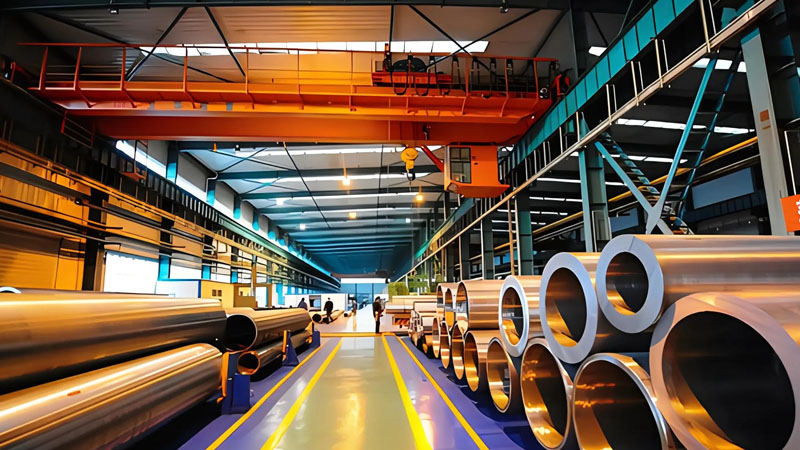
We employ a "Science-First" management model, utilizing cold-rolling and hot-rolling precision lines. Our R&D center focuses on the "Information Gain" of material properties, ensuring that our customers receive not just steel, but a performance-guaranteed component.
 Future Outlook: 316L in the Age of Digital Manufacturing
The future of 316L stainless steel lies in Sustainability and Digital Integration. We are currently implementing "Green Steel" initiatives, reducing carbon footprints during the melting process via EAF (Electric Arc Furnace) technology. Furthermore, the rise of 3D printing (Additive Manufacturing) using 316L powder is revolutionizing how OEM components are designed. Our technical roadmap includes the development of "Smart Coils" with embedded QR tracking for full lifecycle traceability—from the ore to the finished plate.
 Industrial FAQ: Expert Insights
The "L" stands for Low Carbon. While both have 2-3% Molybdenum, 316L has a maximum carbon content of 0.03%, whereas 316 goes up to 0.08%. This makes 316L superior for welding as it prevents "intergranular corrosion."
Molybdenum provides specific resistance to salt-water pitting. Standard steels would suffer from "chloride attack" within months, whereas 316L maintains its surface integrity for decades under proper maintenance.
Yes. Our factory offers thickness ranging from 0.3mm to 100mm, with customizable widths up to 2500mm and precision slitting services to meet specific industrial blueprints.
Every shipment is accompanied by a Material Test Certificate (MTC) according to EN 10204 3.1, detailing chemical composition, tensile strength, hardness, and elongation tests.