 Baimaoxing
Baimaoxing
Baimaoxing
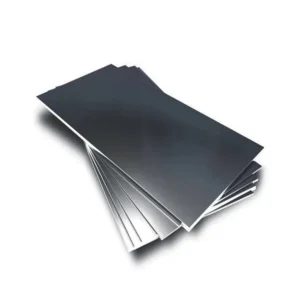
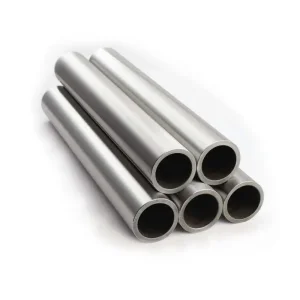
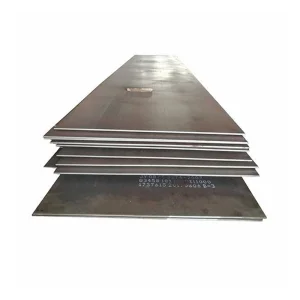
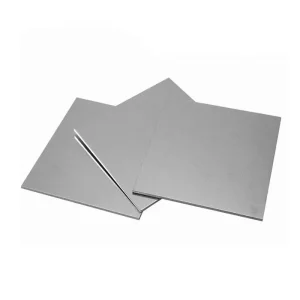
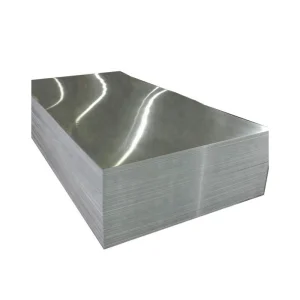
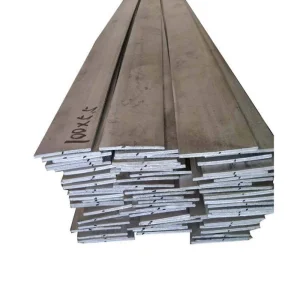
In the landscape of industrial metallurgy, 309 Stainless Steel Plate stands out as an essential austenitic chromium-nickel alloy. Distinguished by its superior heat resistance and oxidation resistance, 309 is the material of choice for high-temperature applications. Unlike standard 304 or 316 grades, 309 stainless steel is engineered to withstand continuous service temperatures up to 1000°C (1832°F). This makes it indispensable in furnace components, kiln liners, boiler baffles, and automotive exhaust systems.
Understanding the "information gain" in this sector means looking beyond simple material specs. Procurement managers today prioritize suppliers who can offer not just the raw plate, but the metallurgical integrity and precision manufacturing capabilities required for demanding thermal cycles.
China has established itself as the epicenter for stainless steel production, driven by advanced supply chain integration. When sourcing from Chinese 309 stainless steel factories, international buyers benefit from three critical advantages:
The global steel industry is undergoing a digital transformation. For 309 stainless steel plates, this means:
1. Decarbonization in Production: Leading suppliers are adopting green manufacturing processes, reducing the carbon footprint of steel production through hydrogen-based metallurgy and renewable energy integration.
2. Digital Quality Assurance: Modern factories now implement real-time IoT tracking for alloy composition and stress testing. This provides B2B buyers with digital twin documentation and full traceability for every batch.
3. Tailored Fabrication: Beyond just selling plates, the "Solution-as-a-Service" model is growing. Factories now offer value-added services such as plasma cutting, beveling, and surface polishing (No. 1, 2B, BA finishes) tailored to specific engineering blueprints.
When global enterprises procure 309 stainless steel, the focus is on risk mitigation and reliability. Our approach involves a comprehensive vetting process:
309 Stainless Steel has a higher content of chromium and nickel compared to 304. This chemical adjustment allows 309 to resist oxidation at much higher temperatures, making it suitable for furnace and heat treatment applications where 304 would fail.
We provide full chemical composition analysis reports and mechanical property test certificates (MTC) with every order. Third-party inspections from organizations like SGS or BV are also fully supported for all shipments.
Standard stock items can often be shipped within 7-10 days. For custom OEM specifications requiring specific cutting, rolling, or surface finishes, lead times typically range from 20-30 days depending on the volume and technical complexity.
Yes. We offer precision cutting (plasma, laser, water-jet), edge conditioning, and custom surface treatments to ensure the plates arrive ready for your production line without requiring further in-house prep.