 Baimaoxing
Baimaoxing
Baimaoxing
The transition toward a low-carbon economy has redefined the role of 304L stainless steel in modern industry.
Post-pandemic industrial recovery has spiked the demand for ASTM A240 304L materials. Global enterprises are shifting from "Just-in-Time" to "Just-in-Case" procurement, seeking suppliers who can provide consistent quality across regional hubs in Asia, Europe, and the Americas.
304L stainless steel is 100% recyclable. Procurement managers now prioritize factories that implement Electric Arc Furnace (EAF) technology and green energy in their production lines, directly impacting the Scope 3 emission targets of Fortune 500 companies.
As the low-carbon variant of grade 304, the 0.03% maximum carbon content in 304L prevents sensitization during welding. This makes it the non-negotiable choice for maritime and chemical processing applications where structural integrity is vital.
Annual Tonnage Capacity
Countries Exported
Quality Compliance Rate
Technical Support
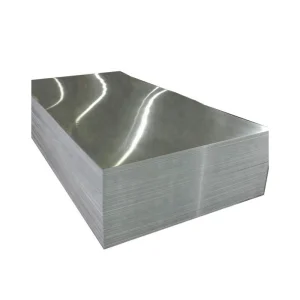
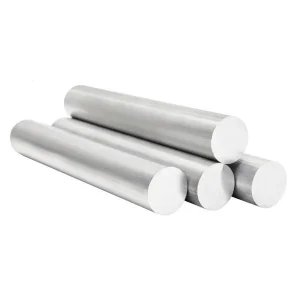
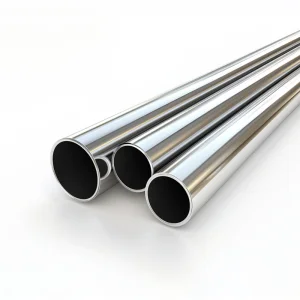
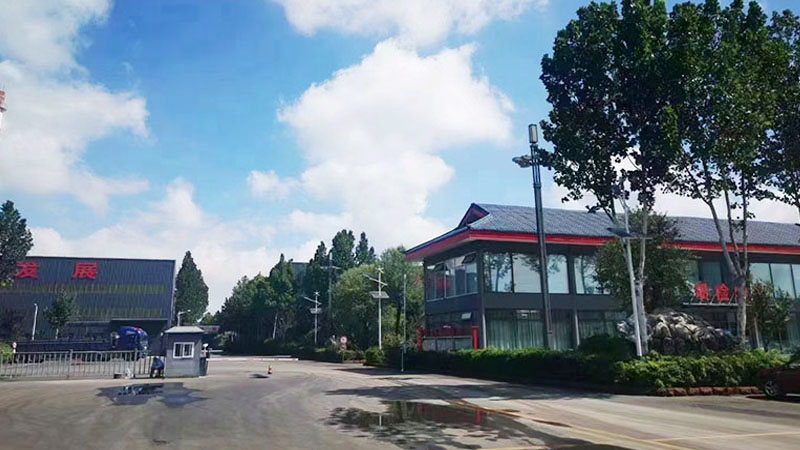
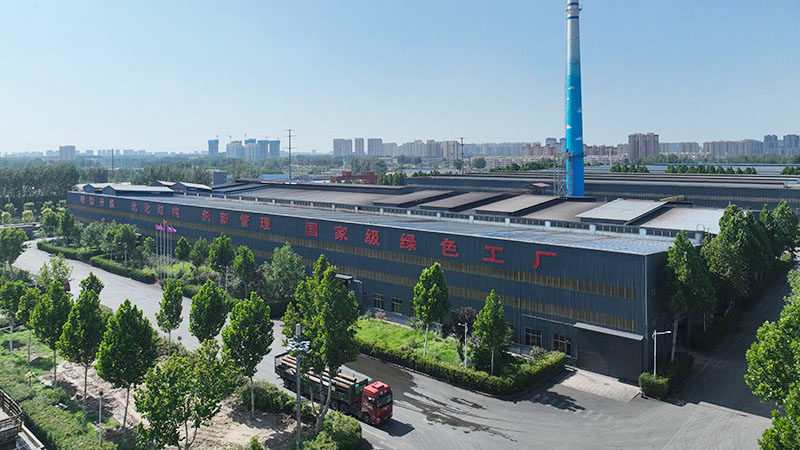
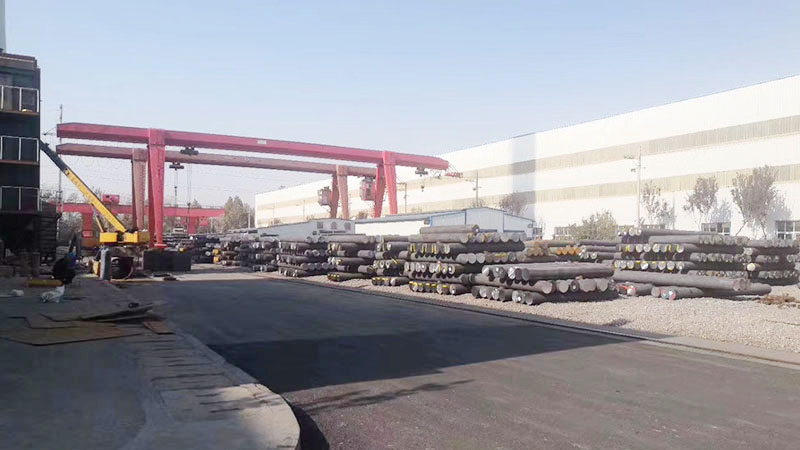
Located in Liaocheng City, Shandong Province, China, we are a premier steel supplier specializing in R&D, precision processing, and global distribution. Our portfolio includes stainless steel coils, plates, pipes, and specialized alloy bars. We adopt a scientific management model, serving aerospace, military, petrochemical, and precision machining sectors with ISO9001:2015 certified excellence.
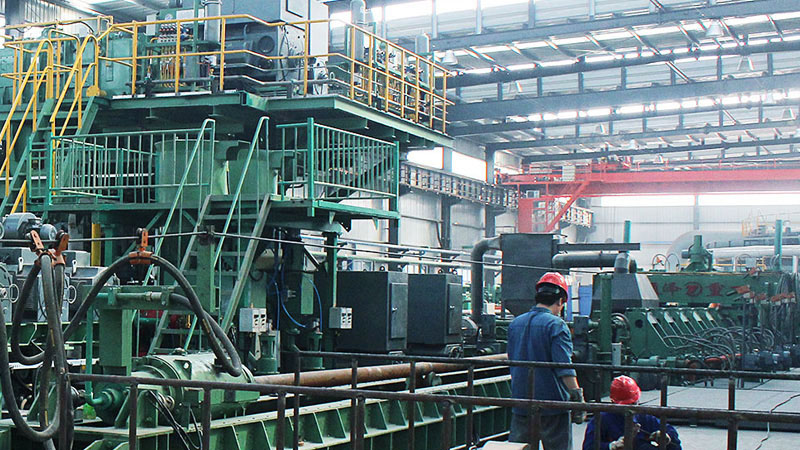
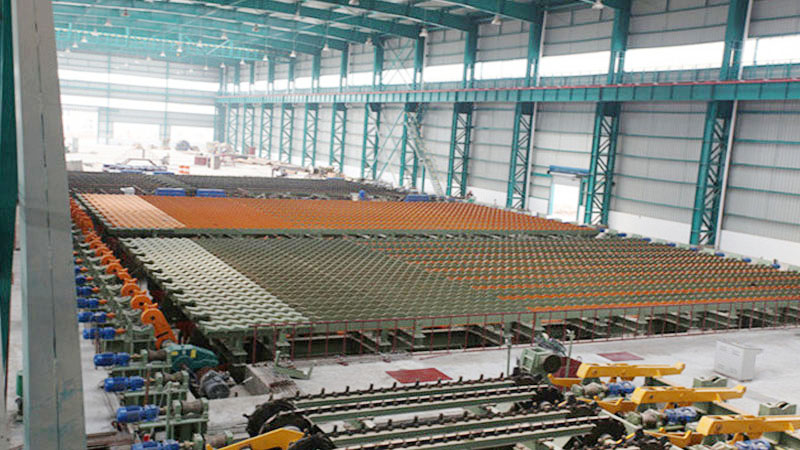
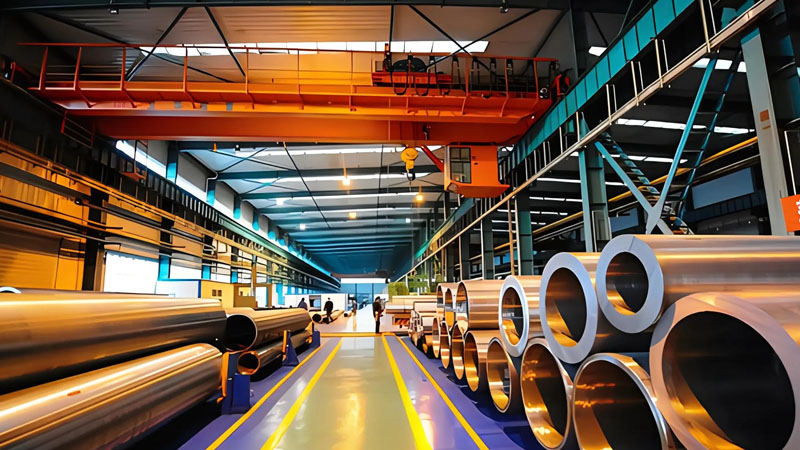
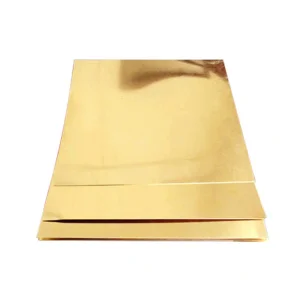
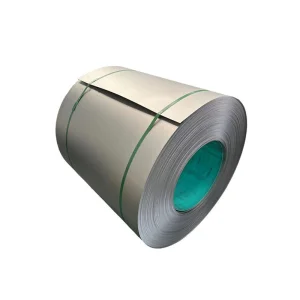
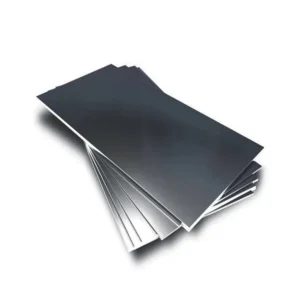
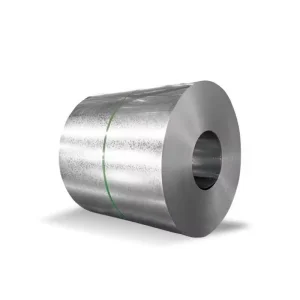
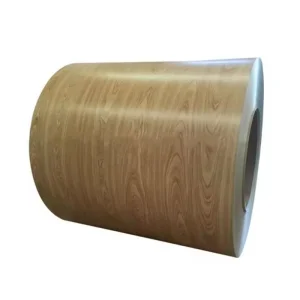
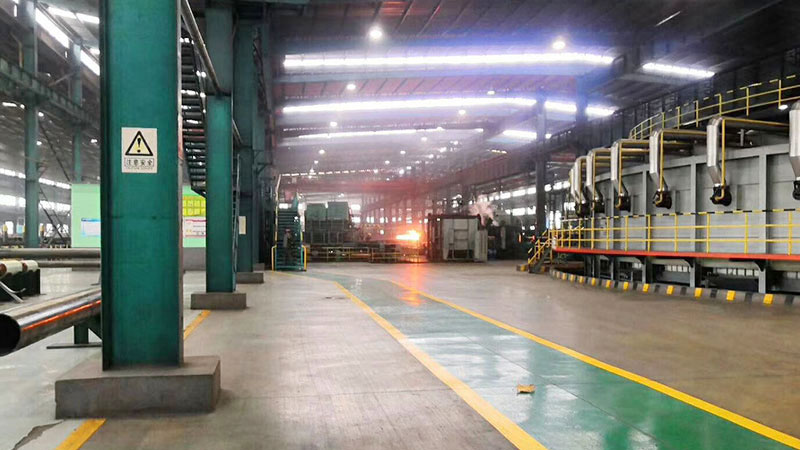
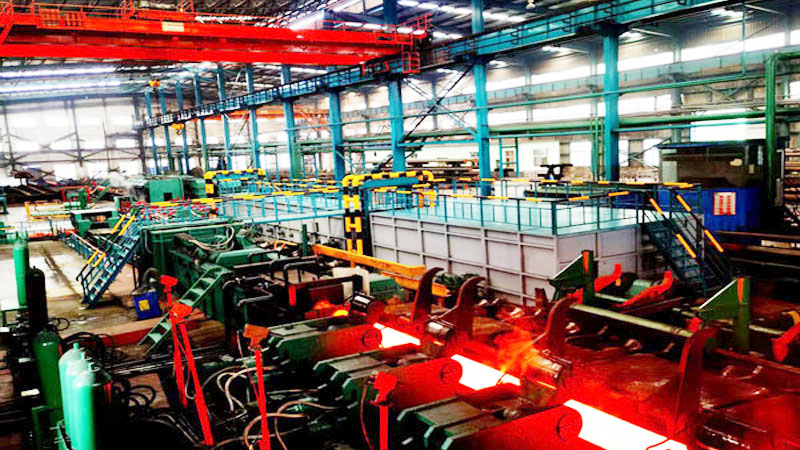
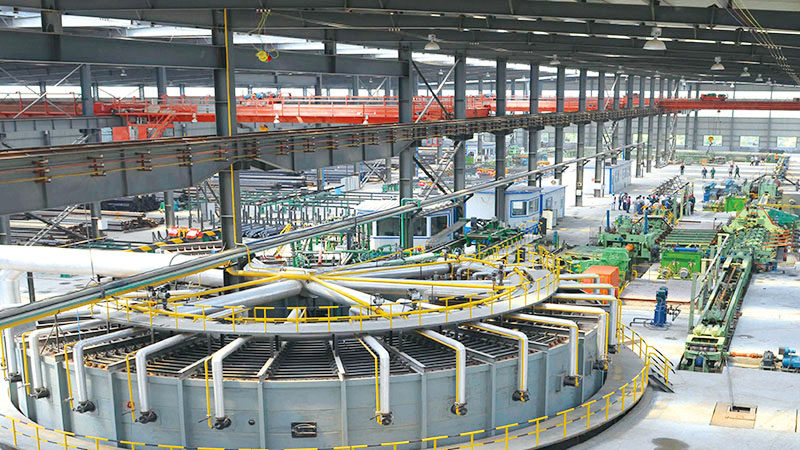
The manufacturing of 304L Stainless Steel Coil Plates has evolved from traditional hot-rolling to advanced Precision Cold-Rolling and vacuum induction melting. Current technical routes focus on grain size control to enhance tensile strength while maintaining the ductility required for deep drawing. Future roadmaps indicate a transition toward Industry 4.0 "Smart Factories" where AI-driven thermal imaging monitors the annealing process in real-time, ensuring zero-defect surface finishes.
The next decade of 304L demand will be driven by the Hydrogen Economy. High-purity 304L is essential for hydrogen storage tanks and fuel cell bipolar plates due to its resistance to hydrogen embrittlement. Simultaneously, the Electric Vehicle (EV) sector utilizes 304L for battery cooling systems and structural reinforcements, where the strength-to-weight ratio is a critical KPI.
Navigating global trade requires more than just high-quality steel. It requires Compliance Assurance. We provide Mill Test Certificates (MTC) according to EN 10204 3.1/3.2, ensuring that every coil plate entering the EU, US, or SEA markets meets local ASTM, ASME, or JIS standards. Our logistics network ensures DDP/CIF terms to major ports, minimizing the complexities of cross-border industrial procurement.
In coastal urban planning, 304L is used for external cladding and structural supports. Its resistance to chloride-induced pitting makes it superior to standard carbon steel, reducing lifecycle maintenance costs by over 40% in high-salinity environments.
The "L" (Low Carbon) designation is critical for heavy-gauge welded components in reactors and pressure vessels. By eliminating carbide precipitation, 304L ensures that the equipment remains sterile and resistant to nitric acid and organic solvents.
From dairy fermentation tanks to automated bottling lines, 304L provides a non-reactive surface that doesn't leach metallic ions into food products, meeting strict FDA and EFSA health standards.
304L is the industry standard for ship hardware, desalination plants, and heat exchangers. Its superior weldability allows for complex subsea fabrication without the need for post-weld annealing.
Technical insights into 304L Stainless Steel procurement and performance.