 Baimaoxing
Baimaoxing
Baimaoxing
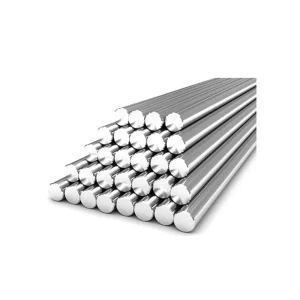
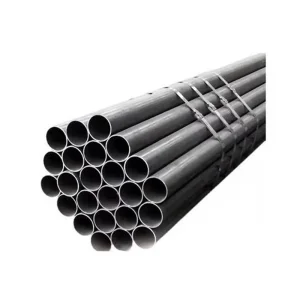
In high-pressure, elevated-temperature power generation, petrochemical synthesis, and boiler engineering, structural alloy pipes are subjected to thermal degradation, creep deformation, and hydrogen embrittlement. Among structural alloy steels, 12CrMo steel pipe represents a vital grade of low-alloy Chromium-Molybdenum (Cr-Mo) heat-resistant seamless pipe. Designed primarily for continuous thermal operation up to 540°C, 12CrMo exhibits exceptional structural stability, high oxidation resistance, and superior long-term creep rupture strength compared to standard carbon steels.
The fundamental rationale for utilizing 12CrMo alloy steel lies in its balanced microstructural synergy between Chromium (Cr) and Molybdenum (Mo). Chromium enhances matrix oxidation resistance, forming a protective, adherent oxide film ($\text{Cr}_2\text{O}_3$) on the inner and outer tube surfaces, while also conferring solid solution strengthening. Molybdenum acts as a critical carbide-forming element that retards dislocation movement at elevated temperatures, drastically suppressing grain boundary sliding and preventing thermal creep failure during long-term service.
Unlike standard carbon pipes (such as ASTM A106 Gr.B or Q235), 12CrMo seamless pipes undergo double-stage thermal processing: normalizing followed by high-temperature tempering. This creates a refined ferrite-pearlite matrix intercalated with fine alloy carbides ($\text{M}_2\text{C}$ and $\text{M}_{23}\text{C}_6$), providing high yield strength ($\ge 205\text{ MPa}$) and tensile resilience ($\ge 410\text{ MPa}$) under heavy thermal loads.
Strict chemical control is required to prevent hydrogen attack and temper embrittlement. Global EPC engineers enforce rigorous elemental tolerances in accordance with national and international standard specifications (GB/T 5310, GB 9948, ASME SA335 P11/P12 equivalents).
| Element / Metric | Standard Chemical Range (%) | Metallurgical & Mechanical Function |
|---|---|---|
| Carbon (C) | 0.08 - 0.15 % | Provides necessary matrix strength while maintaining weldability and ductility. |
| Chromium (Cr) | 0.80 - 1.20 % | Improves high-temperature corrosion, oxidation resistance, and passivates metal surface. |
| Molybdenum (Mo) | 0.40 - 0.55 % | Enhances high-temperature creep strength and retards carbide coarsening under thermal stress. |
| Silicon (Si) | 0.17 - 0.37 % | Acts as a deoxidizer in steelmaking; increases yield strength and anti-scaling properties. |
| Manganese (Mn) | 0.40 - 0.70 % | Improves hardenability and solid solution toughness; neutralizes sulfur impurities. |
| Phosphorus / Sulfur (P / S) | ≤ 0.025 % / ≤ 0.020 % | Minimized to prevent hot-cracking, grain boundary segregation, and embrittlement. |
| Tensile Strength ($\sigma_b$) | ≥ 410 - 560 MPa | Ensures high burst pressure ratings under dynamic fluid pressures in headers and boilers. |
| Yield Point ($\sigma_s$) | ≥ 205 MPa | Guarantees elastic deformation boundaries during thermal cycling and start-stop operation. |
The global seamless alloy steel pipe market is undergoing structural shifts driven by global energy transitions, industrial decarbonization, modernization of aging thermal infrastructure, and the expansion of heavy petrochemical processing units across North America, Europe, Asia-Pacific, and the Middle East.
As global power grids integrate renewable sources, conventional thermal plants are moving toward flexible cycle operations. 12CrMo seamless steel pipes are extensively deployed in steam superheaters, reheaters, and main steam lines due to their resilience under frequent cyclic thermal stresses and transient pressure surges.
Refineries worldwide are upgrading downstream processing units to extract lighter fuel fractions from heavy crude. 12CrMo pipes serve as standard conduits for high-temperature hydrogen gas and hydrocarbon streams, where resistance to High-Temperature Hydrogen Attack (HTHA) is mandatory.
Industrial buyers are moving beyond single-source procurement models toward fully traceably certified manufacturing hubs. Steel buyers require complete mill test certificates (MTC complying with EN 10204 3.1/3.2), strict non-destructive testing (NDT), and short lead times.
The global steel manufacturing landscape has been transformed by China’s implementation of Industry 4.0 smart manufacturing principles. Shandong Province—and specifically Liaocheng City—stands as the world's premier production and distribution epicenter for seamless steel pipes and structural alloy tubes.
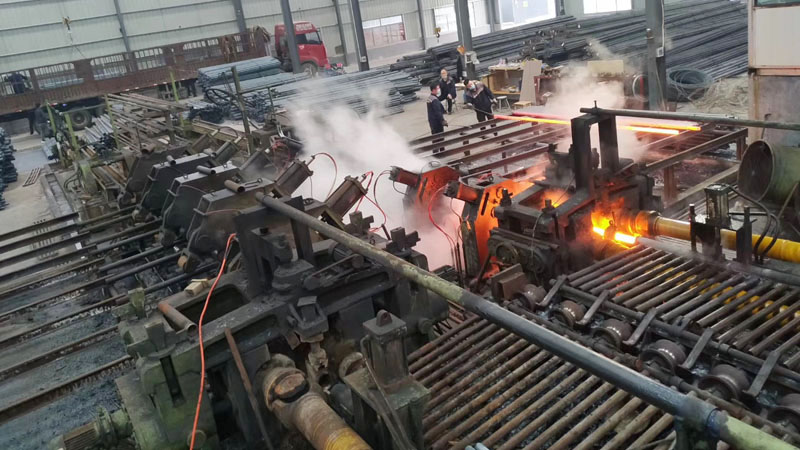
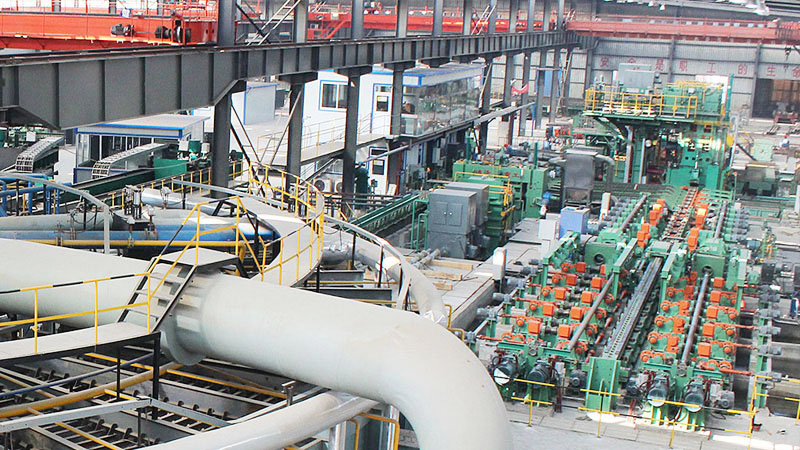
At Shandong Baimaoxing Iron and Steel Co., Ltd., advanced automation is integrated with metallurgical engineering. The transition from legacy rolling mills to digitalized continuous rolling mills (MPM mills) guarantees precise dimensional wall thickness tolerances ($\pm 0.05\text{mm}$), eliminating internal stress concentrations and eccentricities common in conventional pipe extrusion.
Utilizing solid round billet piercing machines combined with cold-drawing and cold-rolling multi-pass processes, Baimaoxing produces 12CrMo pipes with micro-smooth surface finishes, uniform grain alignment, and tight outer diameter (OD) control.
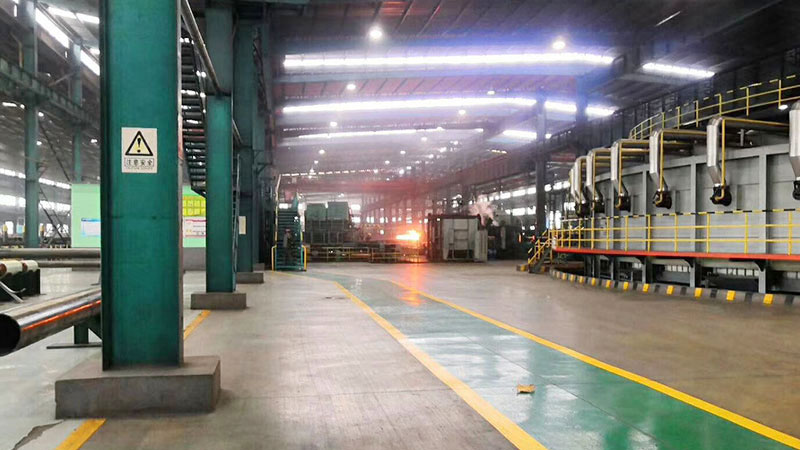
Microprocessor-controlled roller-hearth normalizing and tempering furnaces ensure consistent heat soak times and exact cooling rates. This eliminates local hardness variations and ensures uniform creep performance throughout the entire length of each pipe.
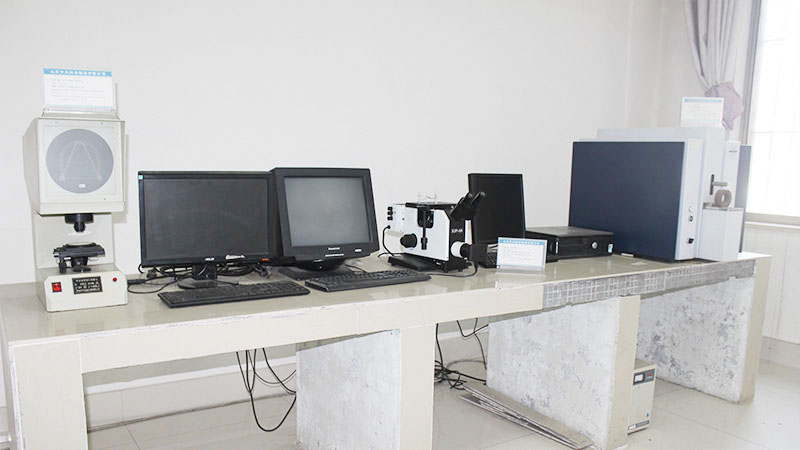
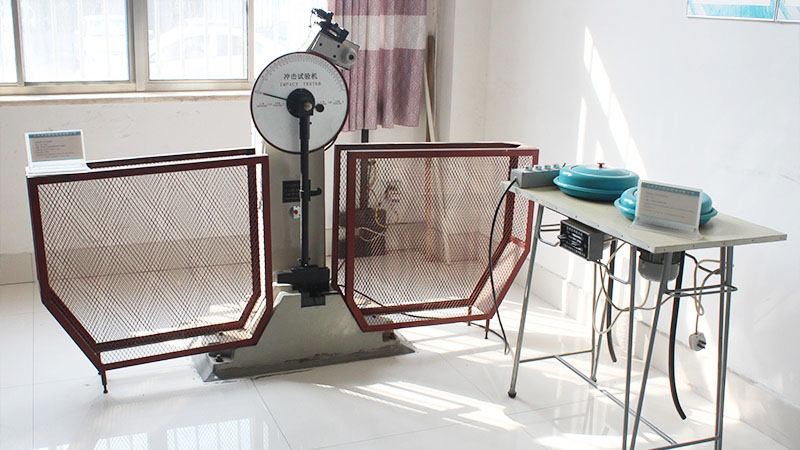
In-line Eddy Current Testing (ECT), Ultrasonic Testing (UT), Hydrostatic Testing up to 50 MPa, and portable X-ray Fluorescence (XRF) Positive Material Identification (PMI) ensure 100% material traceability and zero-defect delivery.
The specified physical, mechanical, and thermal properties of 12CrMo seamless steel pipes render them indispensable across critical industrial installations worldwide:
Used to convey high-temperature dry steam (up to 540°C) from boiler drums to turbines without thermal oxidation or wall thinning.
Serves as heavy-wall high-pressure lines carrying sulfur-bearing hydrocarbons and hydrogen gases under elevated pressure.
Resists high-pressure nitrogen-hydrogen thermal reaction environments without risk of intergranular embrittlement.
Acts as main collector pipes and headers in utility boilers where multiaxial mechanical loads and dynamic vibration occur.
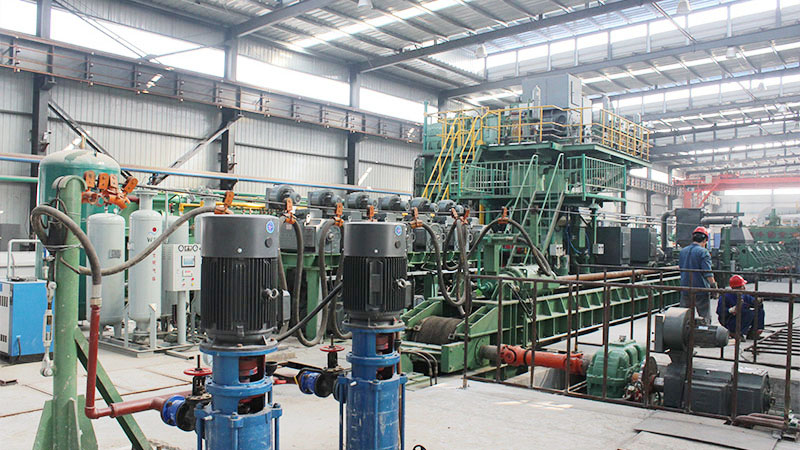
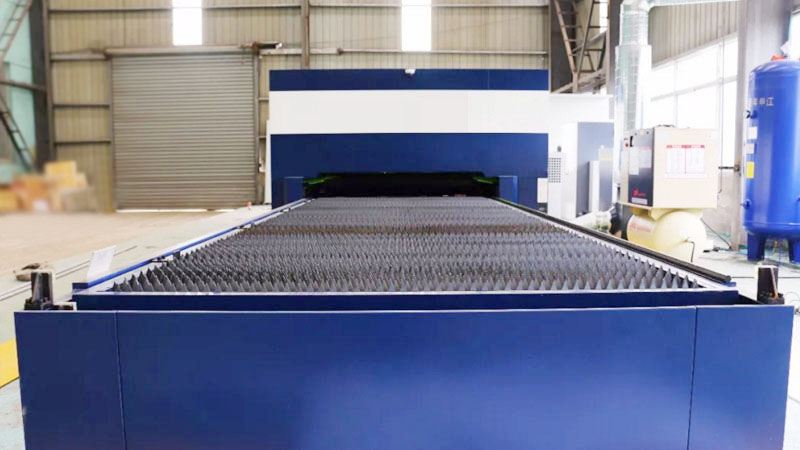
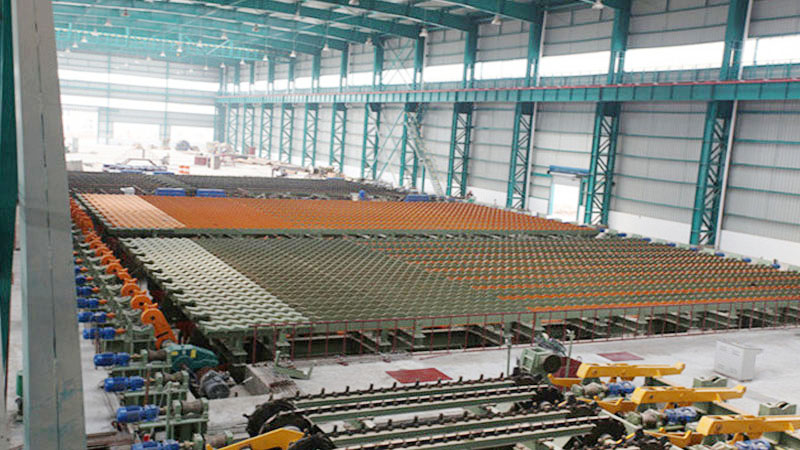
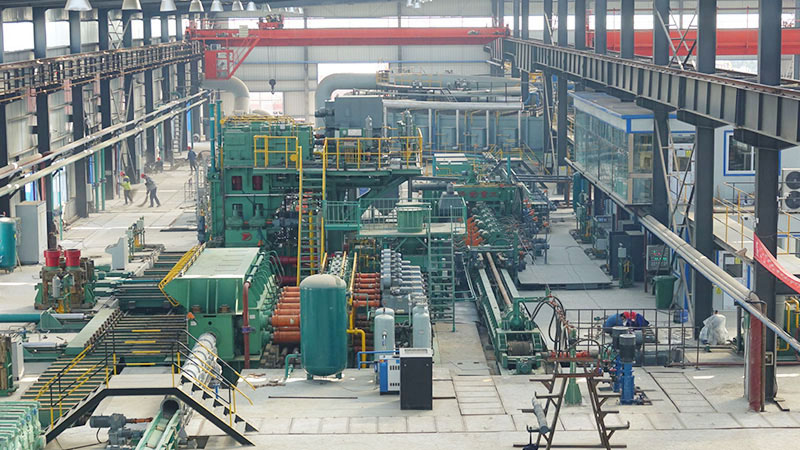
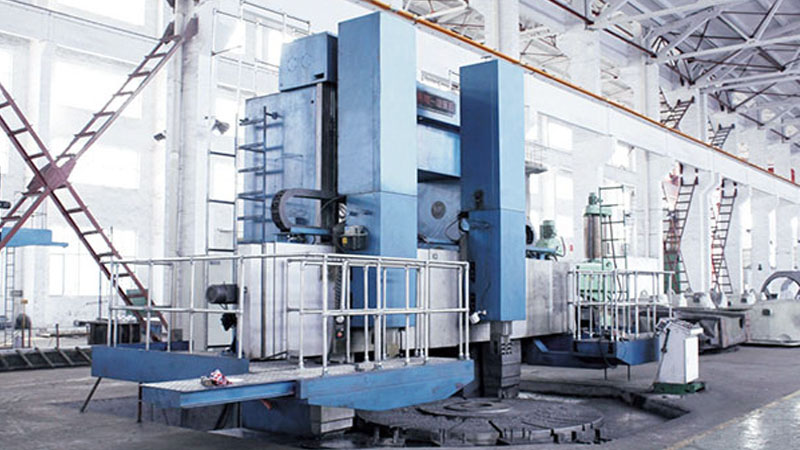
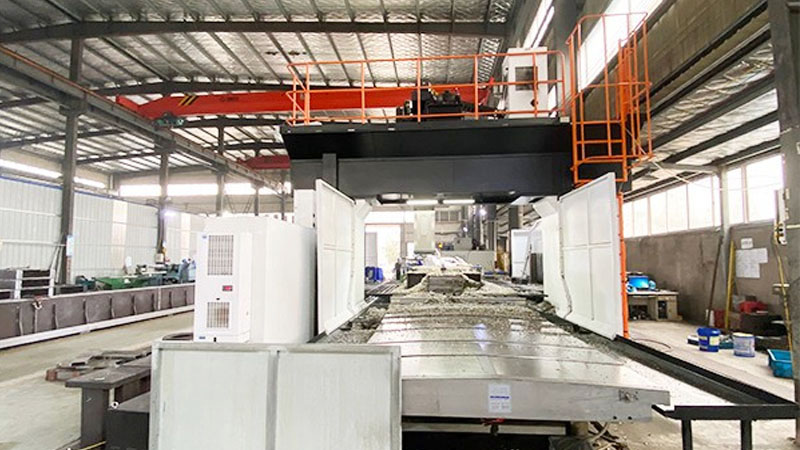
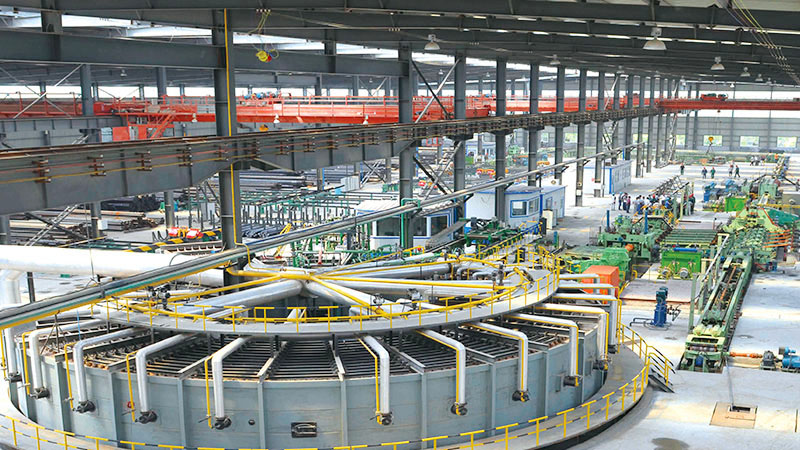
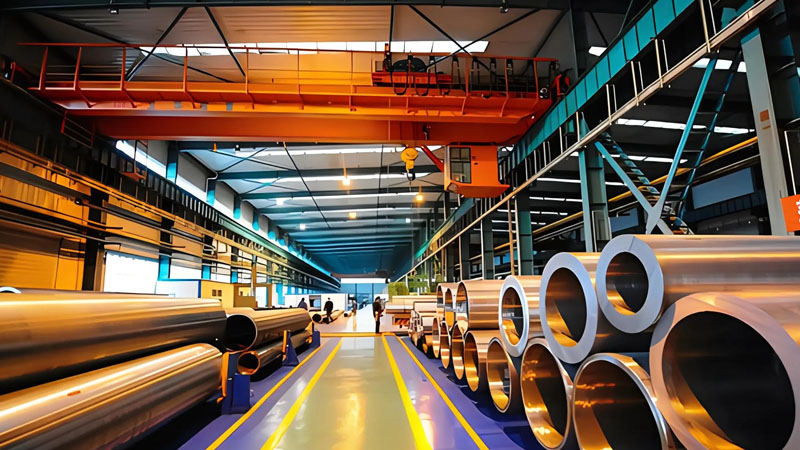
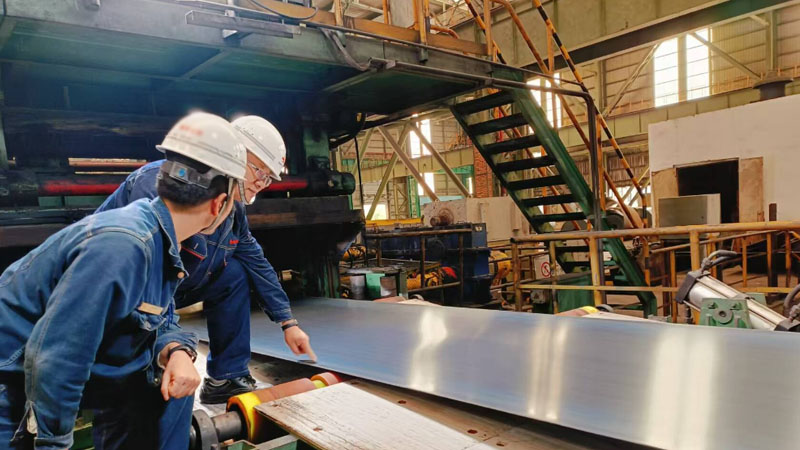
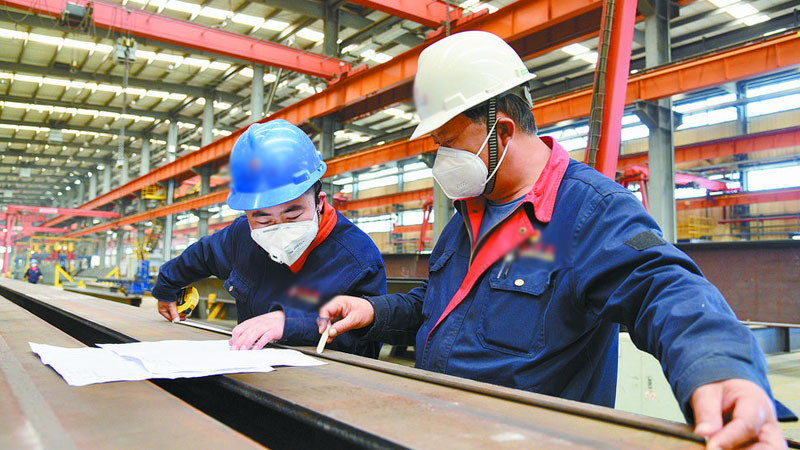
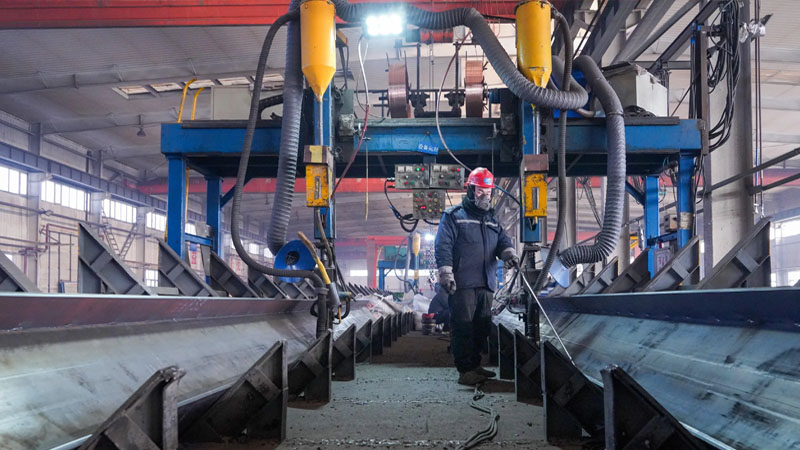
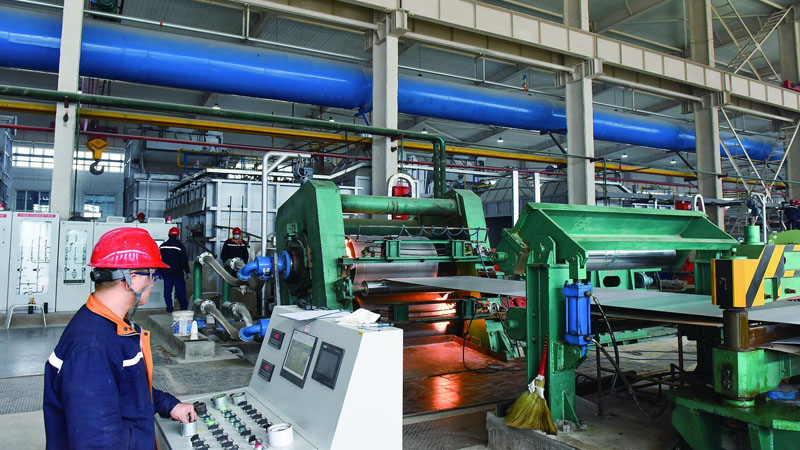
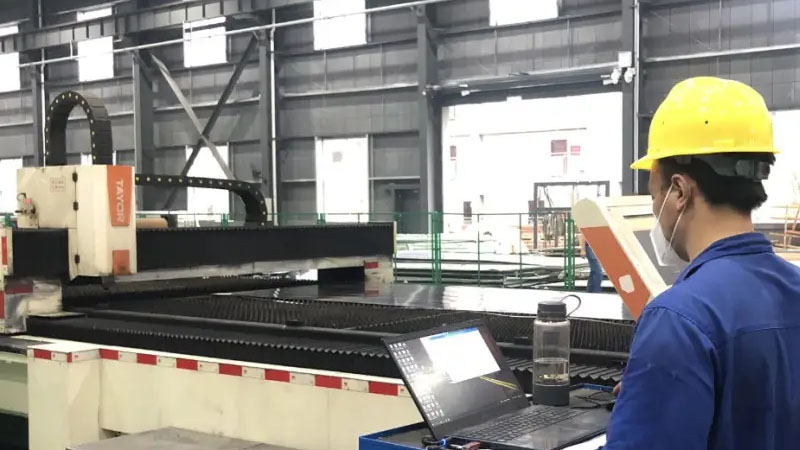
Visual verification of raw material handling, seamless pipe drawing, surface processing, and inventory loading at our plant site:
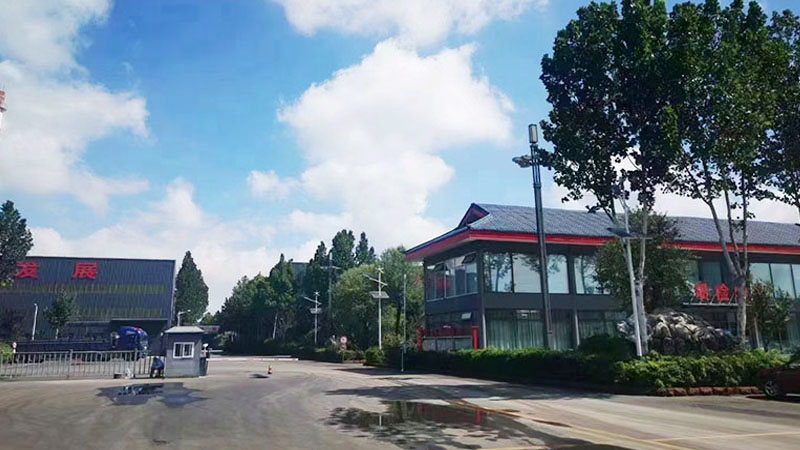
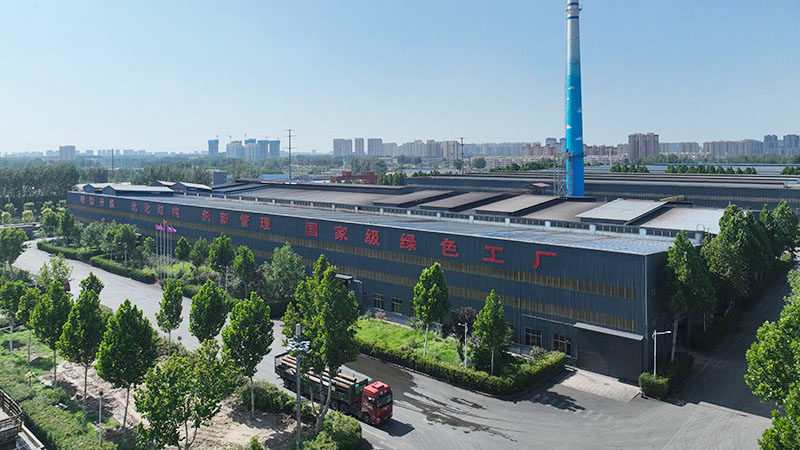
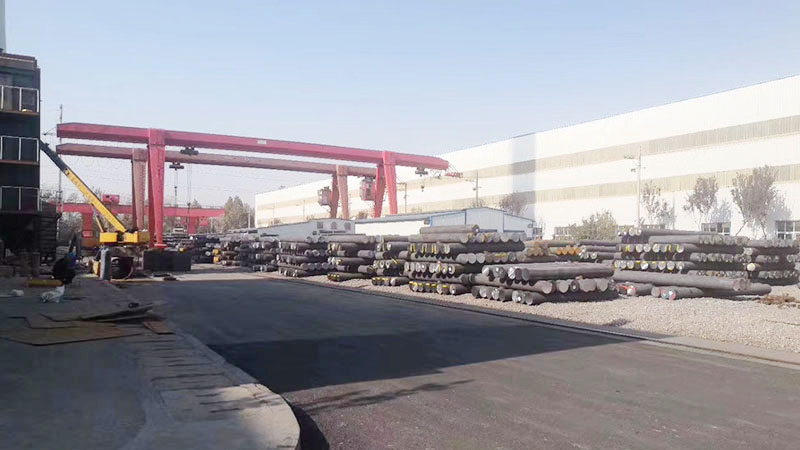
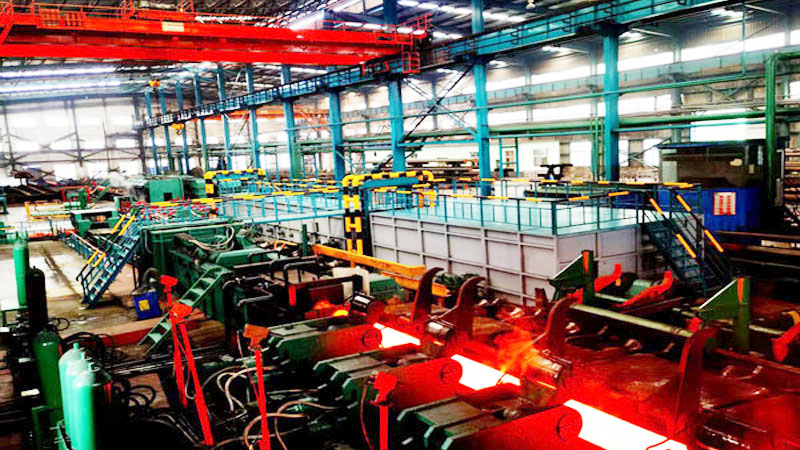
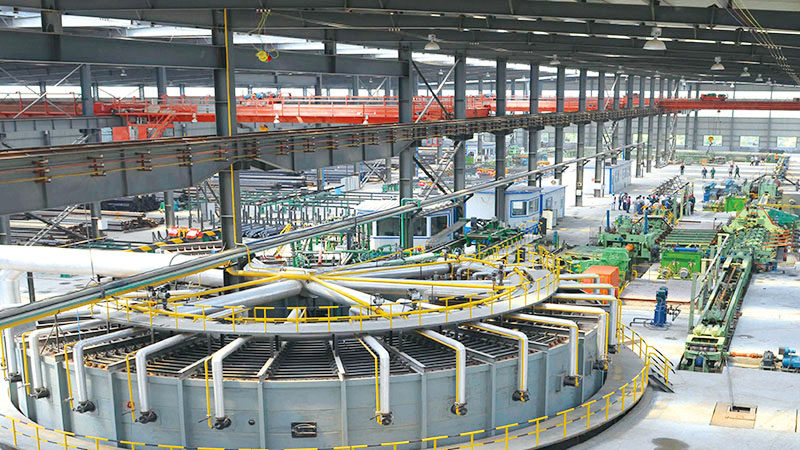
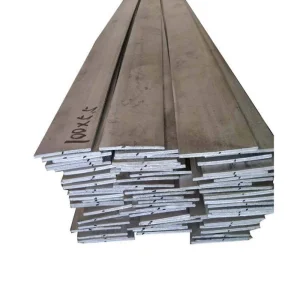
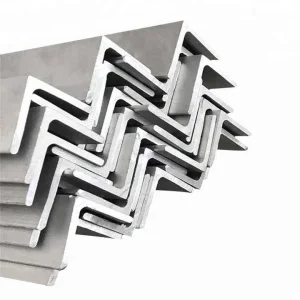
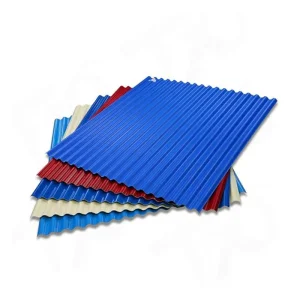
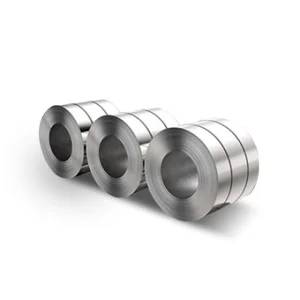
Shandong Baimaoxing Iron and Steel Co., Ltd. is located in Liaocheng City, Shandong Province, China. We are a large steel supplier specializing in research and development, processing, sales, and technical services. Our business covers steel pipes, steel plates, round bars, steel coils, angle bars, flat bars, I-beams, stainless steel plates, stainless steel coils, stainless steel pipes, copper plates, and copper bars, copper tubes, aluminum plates, aluminum tubes, aluminum coils, aluminum rods, titanium plates, titanium tubes, titanium coils, titanium rods, galvanized steel coils, PPGI, etc.
Baimaoxing adopts a scientific management model, and its products are widely used in industries such as aerospace, military equipment, petrochemicals, automotive parts, shipbuilding, precision machining, transportation and rail, engineering machinery, electrical equipment, packaging machinery, etc.
We provide customers with steel and its deep processed products, as well as customized, specialized, and one-stop manufacturing and logistics services.
Tonghui / Baimaoxing has a large team of outstanding metallurgical engineers and technicians with decades of dedicated steel industry work experience.
The company has obtained ISO9001:2015 certification, and products have obtained SGS environmental testing reports complying fully with EU ROHS standards.
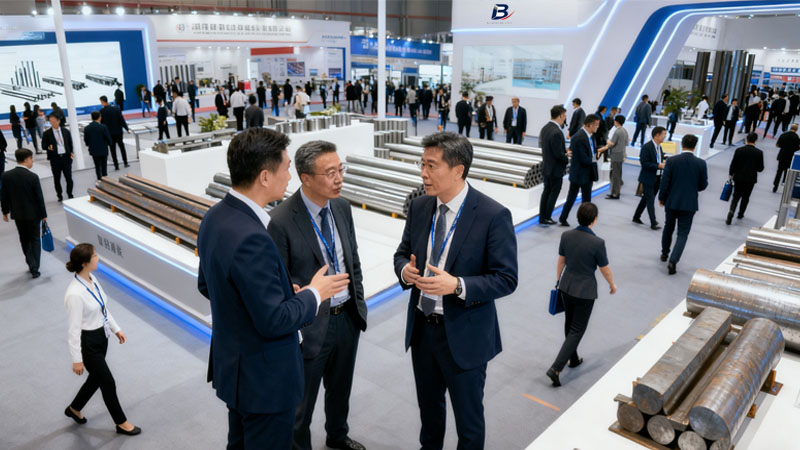
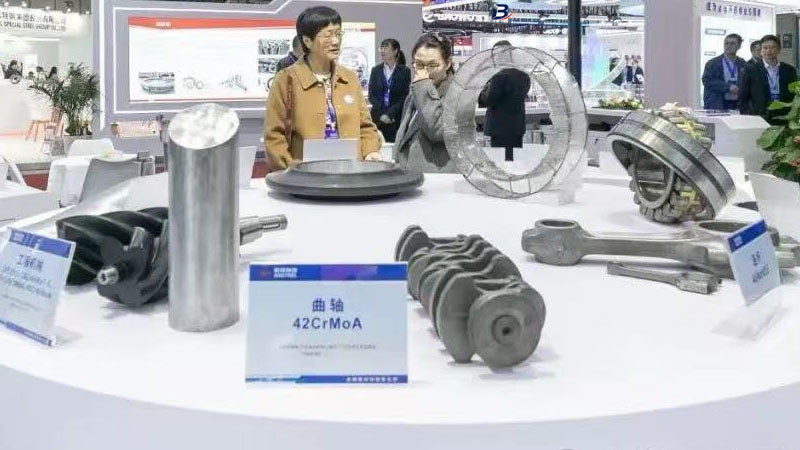
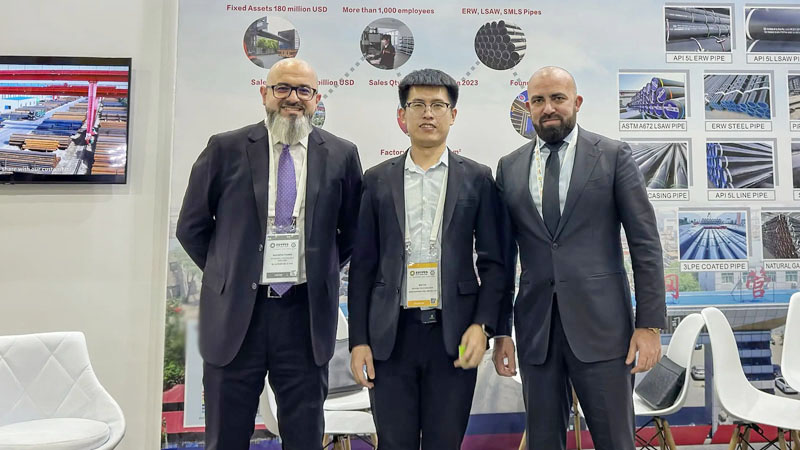
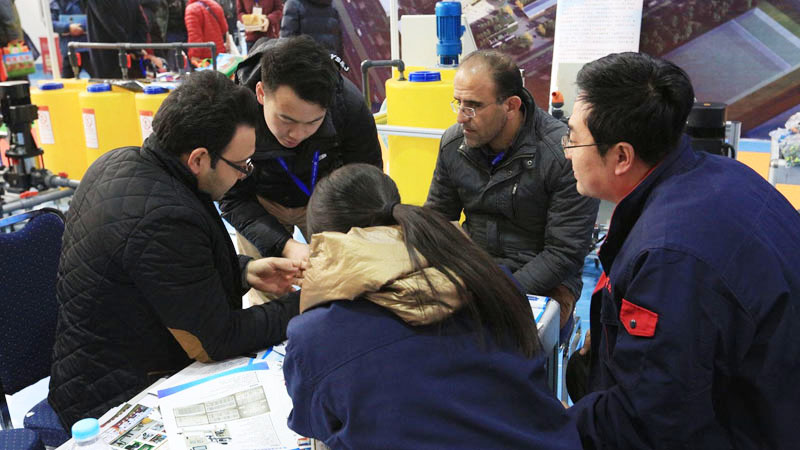
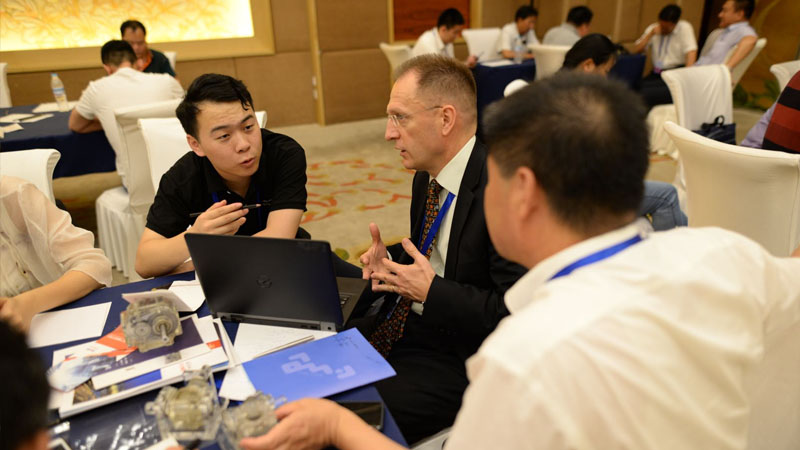
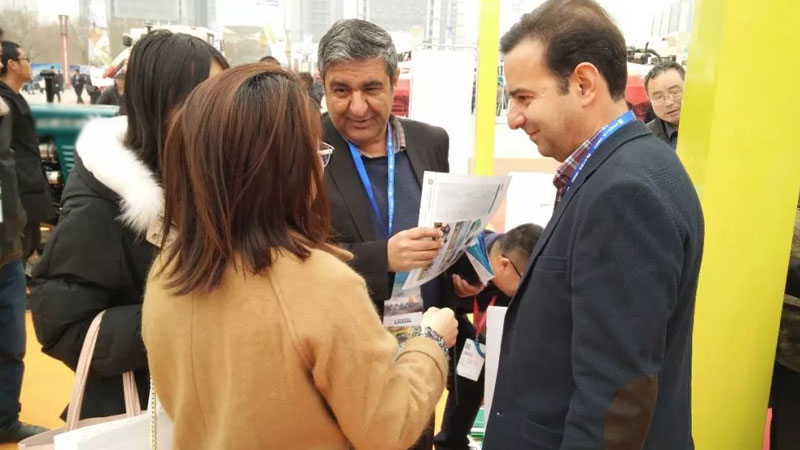
Our manufacturing workflow encompasses strict personnel procedures, modern rolling/drawing equipment, and continuous R&D testing:
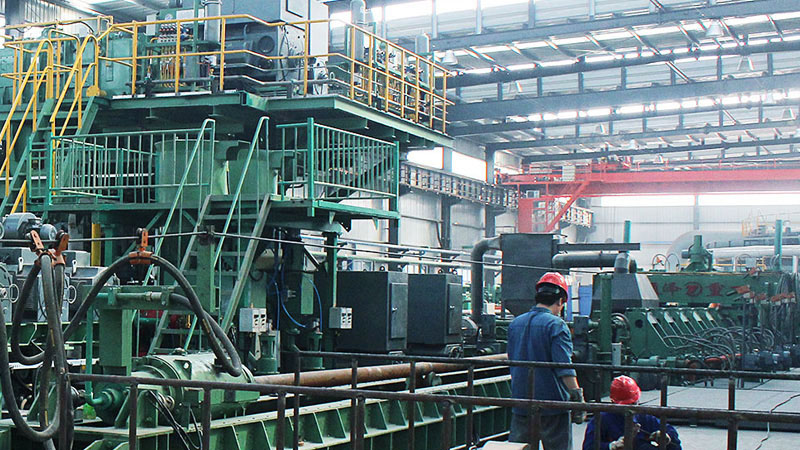
Answers to critical technical queries raised by procurement managers, EPC contractors, and metallurgical inspectors regarding 12CrMo alloy steel pipes.