 Baimaoxing
Baimaoxing
Baimaoxing
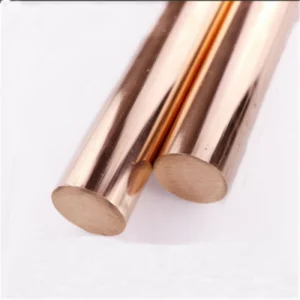
Within high-pressure fluid mechanics and heavy structural installations, 10k forged flanges represent the peak of robust piping connection technology. The designation "10k" signifies their capacity to operate safely under extreme nominal pressures up to 10,000 PSI (approximately 690 bar) or Class 4500 pressure thresholds. As subsea oil reserves sit deeper and chemical processing plants handle increasingly aggressive reactions, these heavy-duty forged components form critical safety barriers in high-risk zones.
Raw steel forging is the core process that differentiates high-integrity flanges from standard cast alternatives. Standard casting can leave microscopic voids and unpredictable grain orientations. Forging, on the other hand, compresses the internal grain structures of carbon, stainless, or alloy steel to follow the radial contours of the flange geometry. This structural alignment delivers superior yield strength, fatigue resistance, and impact toughness.
Engineered to handle severe hydraulic surges, physical stresses, and thermal fluctuations in subsea hydrocarbon lines and extreme industrial fluid applications.
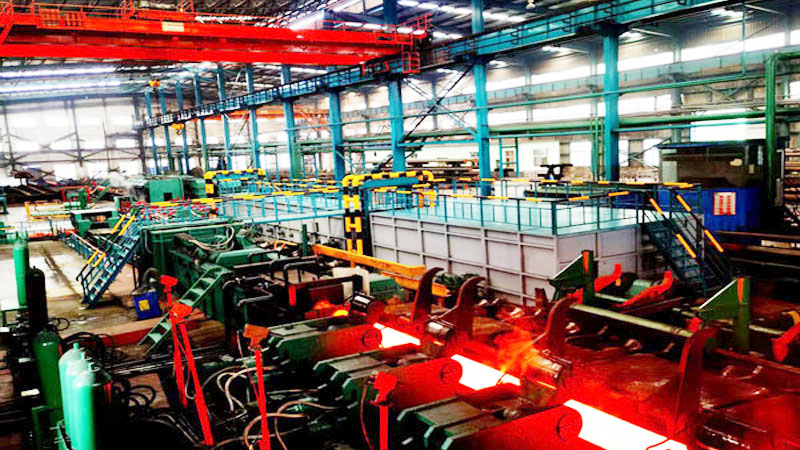
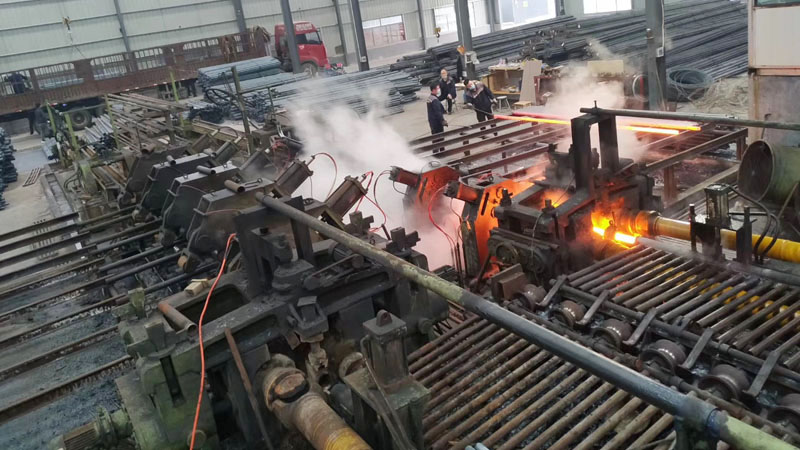
The manufacturing process relies on thermodynamic manipulation. The steel ingot is heated past its recrystallization temperature (typically 1100°C to 1250°C for carbon and low-alloy steels) and shaped under high-tonnage hydraulic presses or power hammers. Closed-die forging ensures strict dimensional tolerances and optimized flow lines. This grain control improves the material's mechanical properties, enabling the flange to resist cracking along stress vectors caused by bolt tightening and high-frequency fluid vibrations.
From deep-sea drilling assemblies to specialized chemical processing loops, 10k forged flanges secure critical pressure boundaries.
Securing flowlines and manifolds subjected to internal pressures and external subsea hydrostatic loads.
Providing leak-proof connections for catalytic cracking systems and hydroprocessing units.
Withstanding highly corrosive reagents and high thermal coefficients without material degradation.
Handling high-pressure steam in combined-cycle power generators and thermal utilities.
Connecting pipelines for high-capacity industrial presses and dynamic load lifting equipment.
Ensuring complete system integrity during high-pressure gas extraction, processing, and transportation.
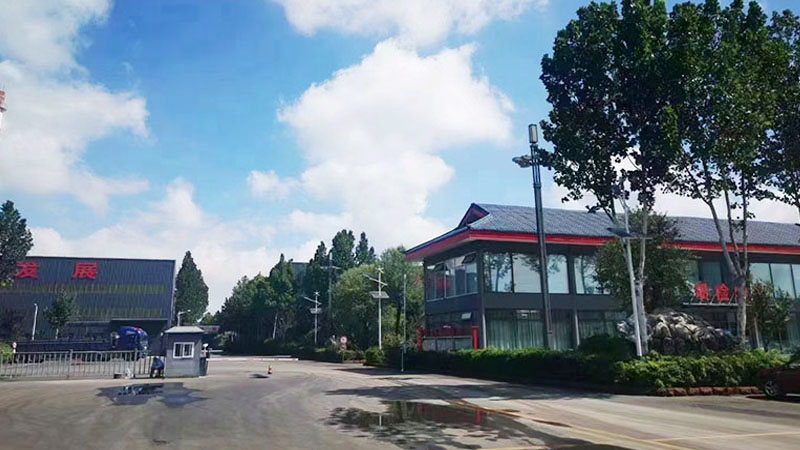
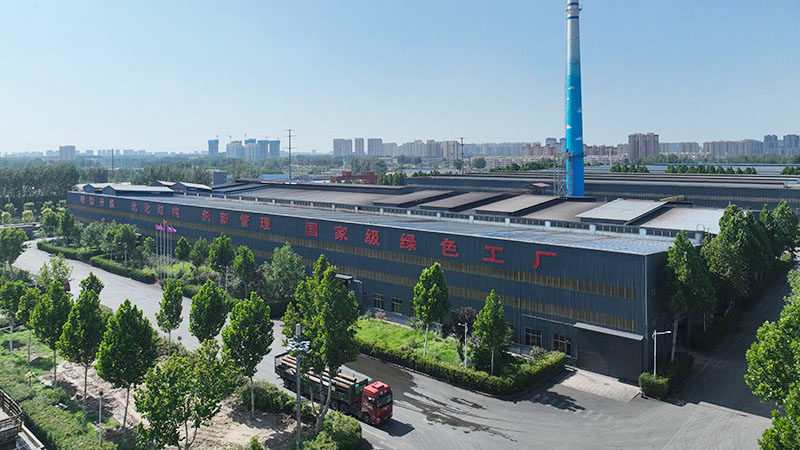
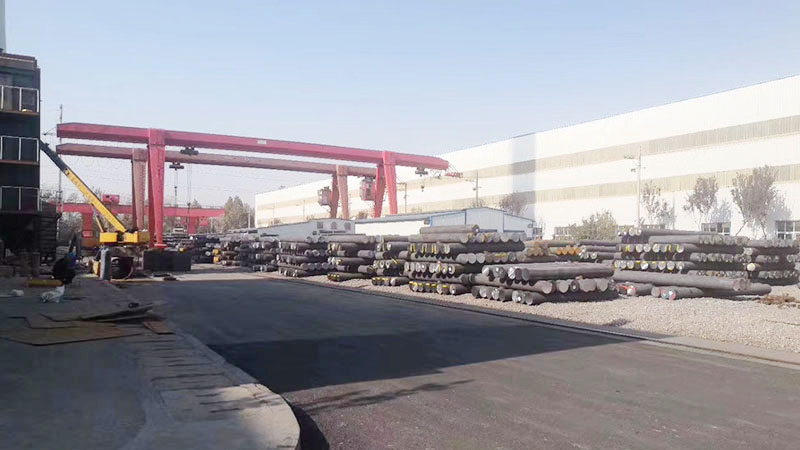
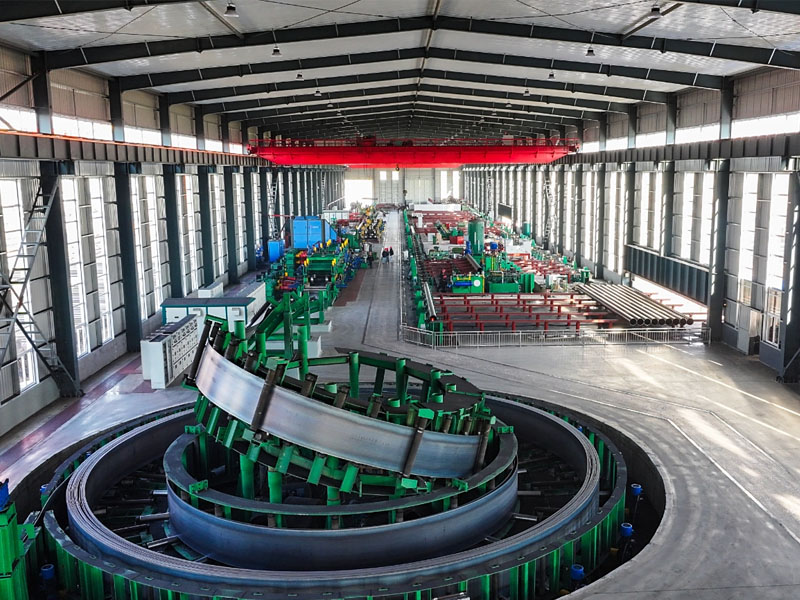
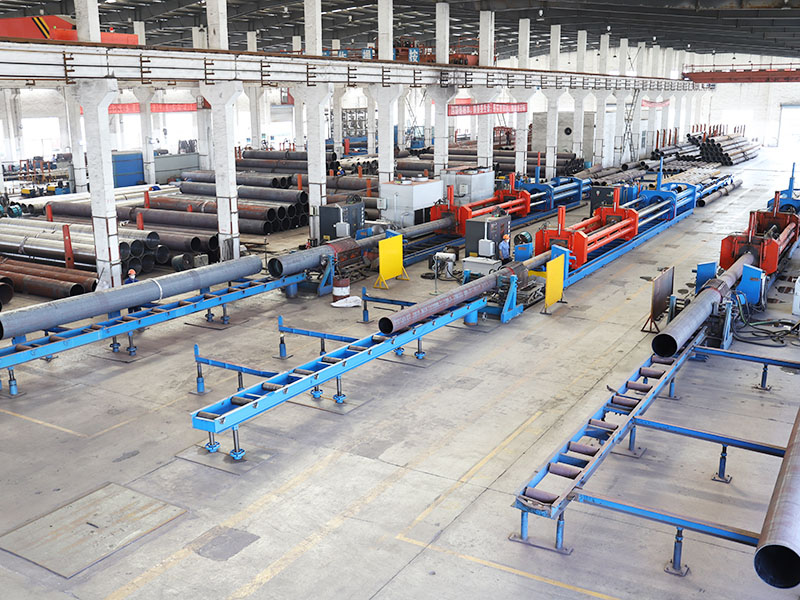
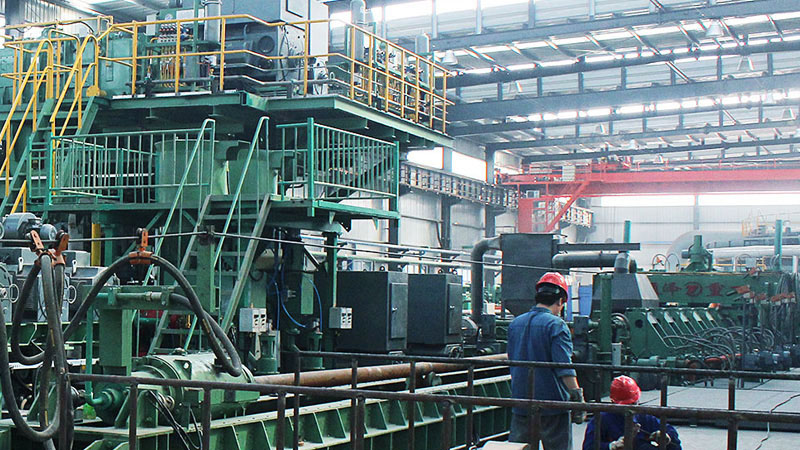
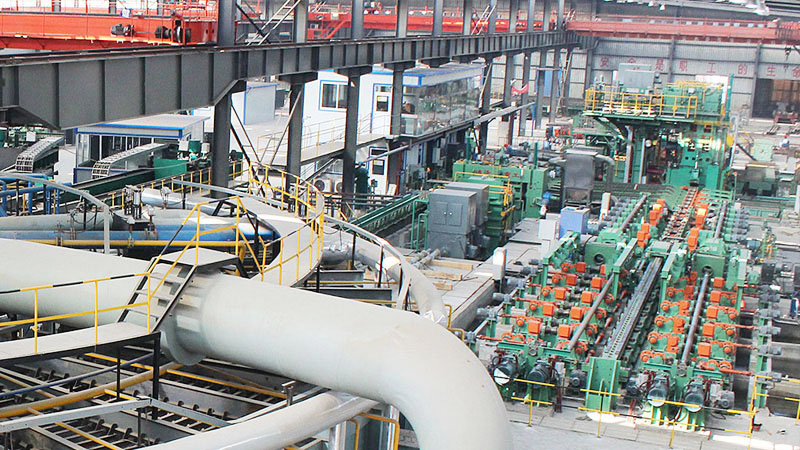
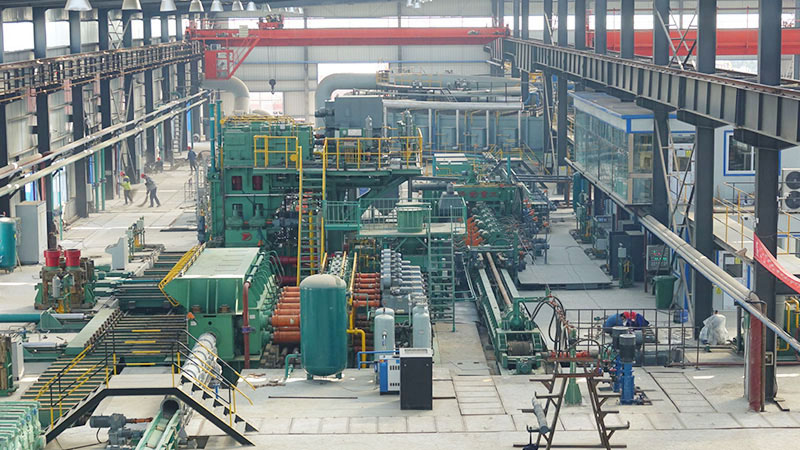
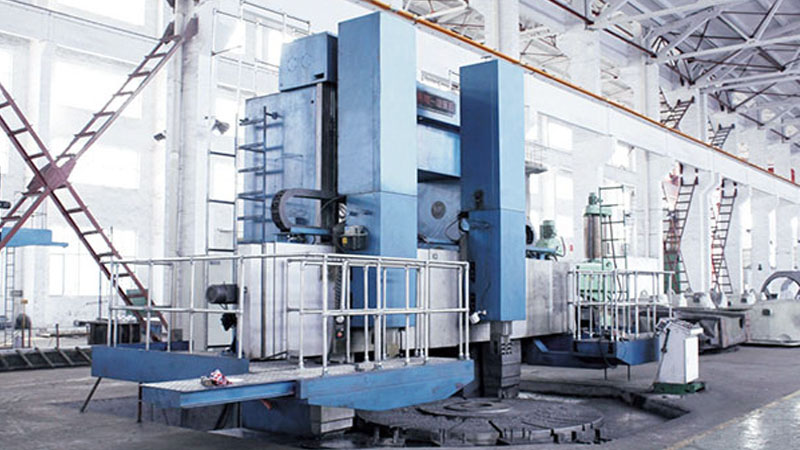
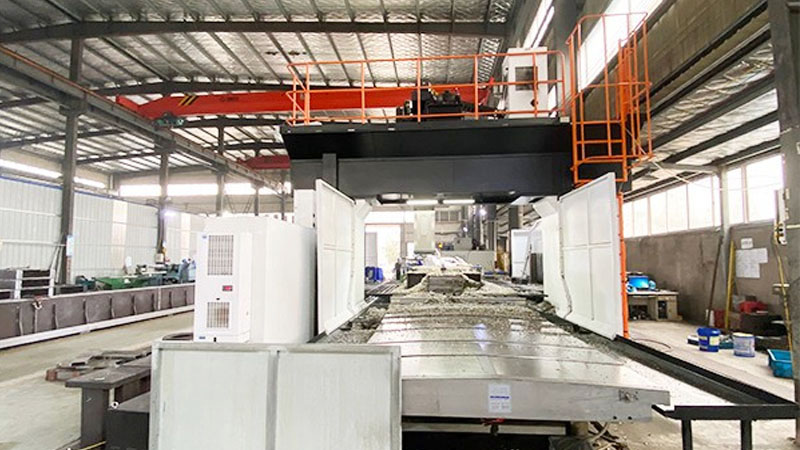
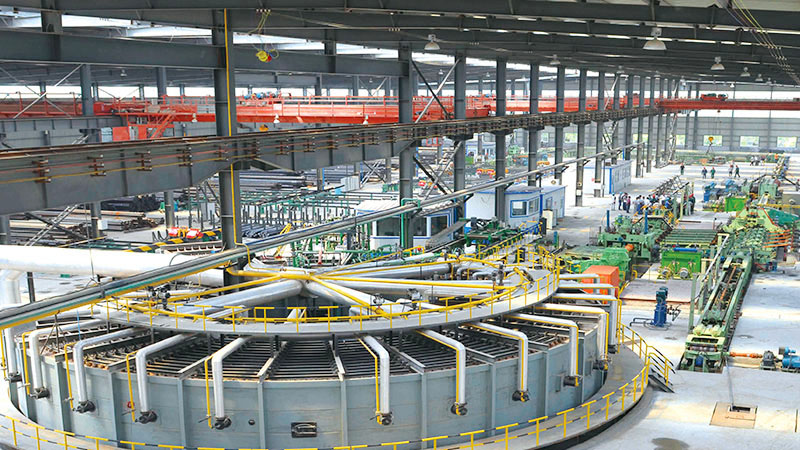
Our facility in Liaocheng City, Shandong Province, leverages China's industrial steel infrastructure to deliver high-quality forged flanges. By combining localized raw materials with advanced machining processes, we optimize production costs while meeting strict international quality standards.
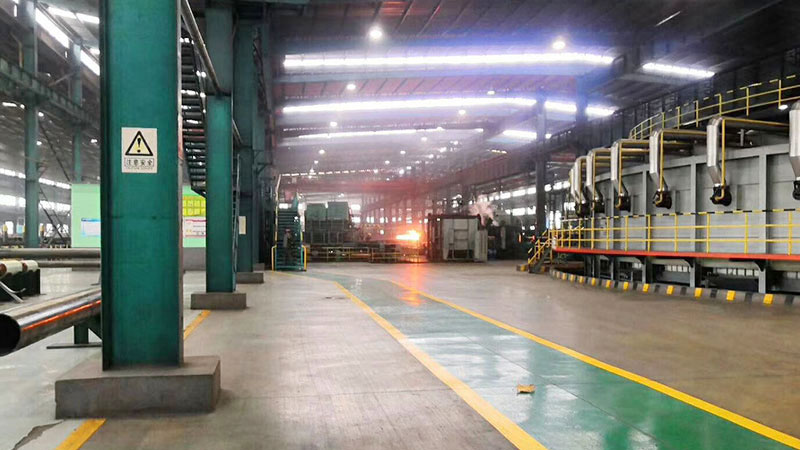
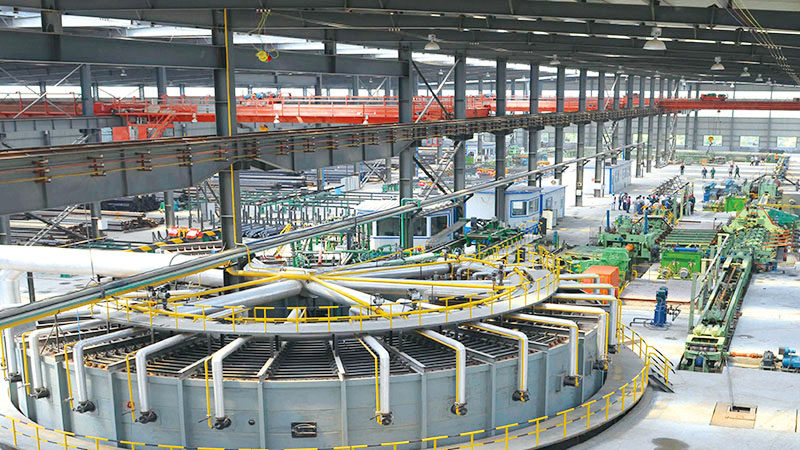
Modern forging requires precise thermal controls, automated hydraulic presses, and multi-axis CNC machines to achieve exact dimensions. Our production lines utilize automated systems to monitor temperatures throughout the forging process, reducing human error and ensuring consistent material properties across production batches.
Additionally, our supply chain integrations allow us to source high-grade raw carbon steel and premium alloys directly from regional steel mills. This reduces material handling times, minimizes waste, and lowers overall production costs, passing value directly to our global customers.
From initial design and raw material selection to forging, heat treatment, precision machining, and final NDT testing, we manage every step in-house.
Our operations are ISO 9001:2015 certified, and our products comply with international piping standards including ASME B16.5, API 6A, and EN 1092-1.
High-pressure piping systems require specific metal chemistry to ensure durability, weldability, and resistance to environmental cracking. The table below outlines common material groups used for industrial forged flanges:
| Material Group | Standard Grades | Key Properties | Typical Use Cases |
|---|---|---|---|
| Carbon Steel | ASTM A105, Q235B, Q355B, A36, 1045 | High tensile strength, good weldability, cost-effective | General industrial piping, mid-temperature utilities |
| Low-Temp Carbon Steel | ASTM A350 LF2 Class 1/2 | Excellent low-temperature impact toughness down to -46°C | Arctic pipelines, gas processing facilities |
| Alloy Steel | ASTM A694 F52/F60/F65/F70, 4130, 4140 | High yield strengths, fatigue resistance under extreme stress | High-pressure wellheads, offshore manifolds |
| Stainless Steel | ASTM A182 F304/304L, F316/316L, Duplex 2205 | High corrosion resistance, oxidation prevention at temperature | Chemical processing, marine environments |
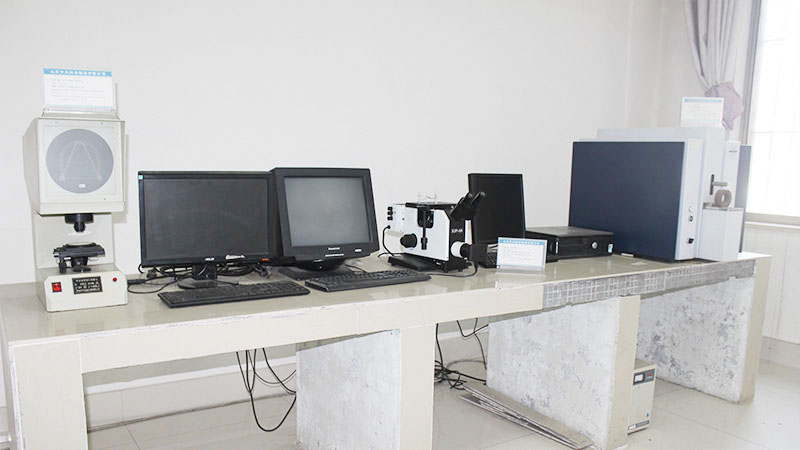
For pressure ratings up to 10,000 PSI, non-destructive testing (NDT) is critical to verify component integrity before shipment. Our testing protocols include:
We use high-frequency sound waves to scan the forged steel body, identifying any internal voids, inclusions, or laminations that could compromise strength under pressure.
These surface testing methods locate micro-fissures and cracks along the critical radius of the hub, gasket grooves, and flange face before final machining.
Flanges undergo pressure tests exceeding nominal ratings to confirm sealing performance and ensure structural stability under load.
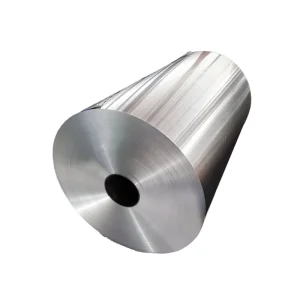
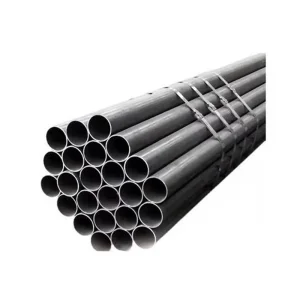
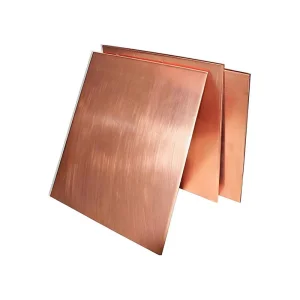
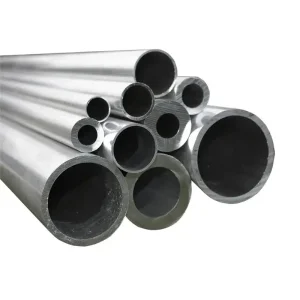
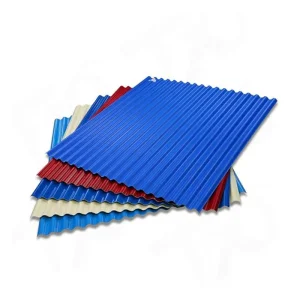
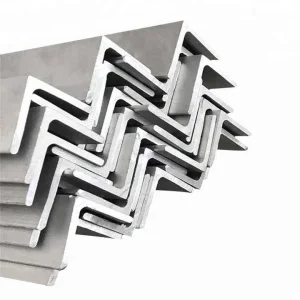
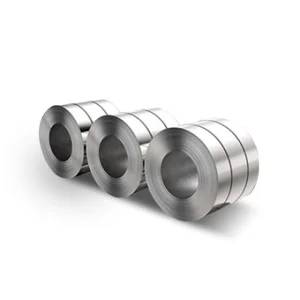
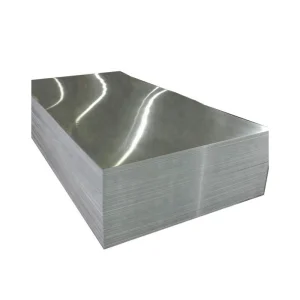
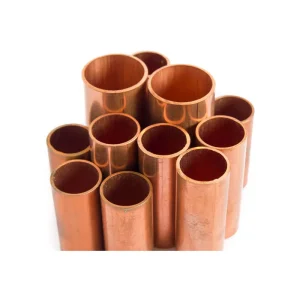
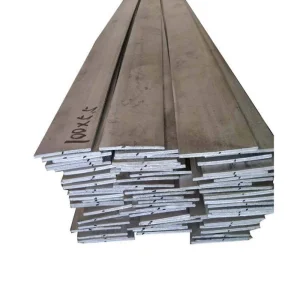
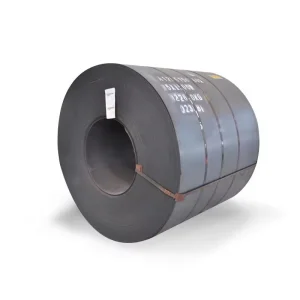
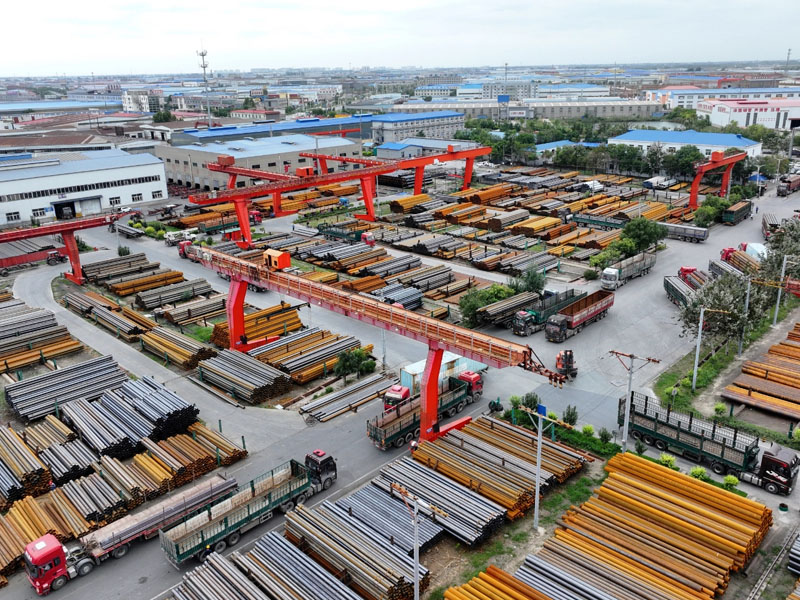
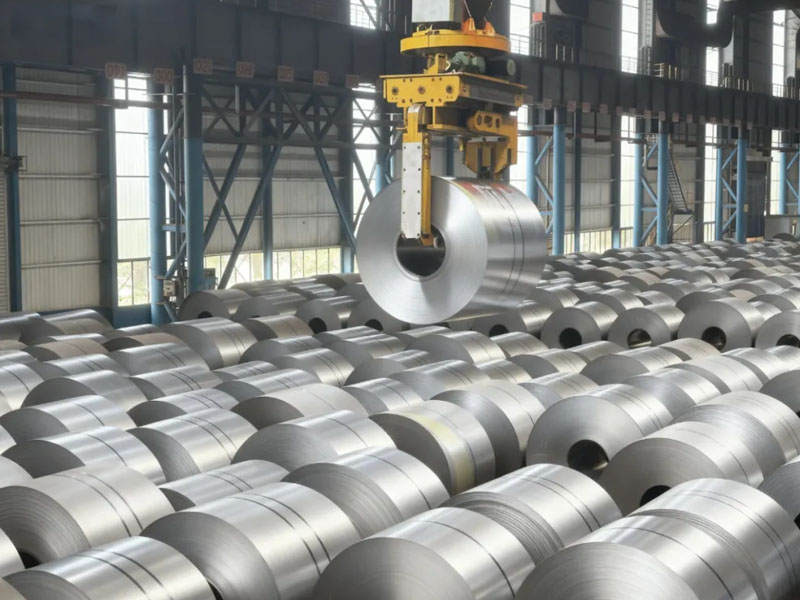
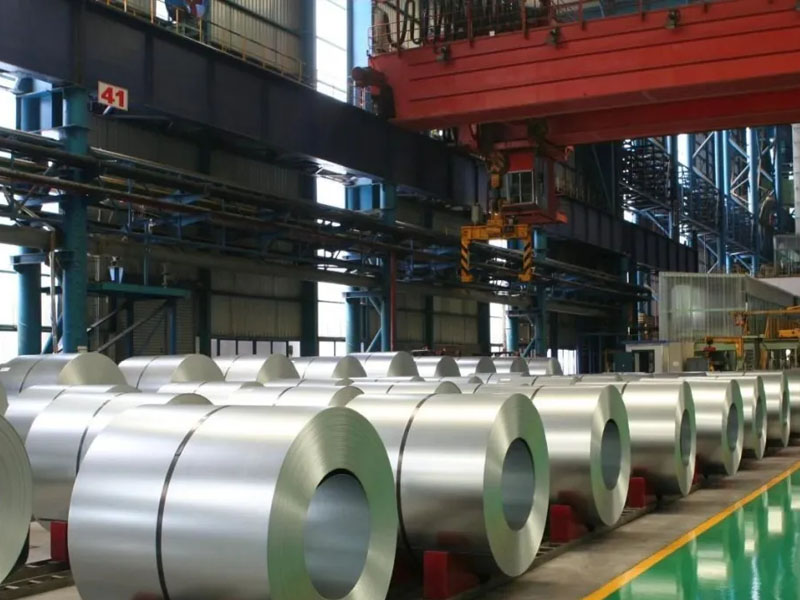
Shandong Baimaoxing Iron and Steel Co., Ltd. is located in Liaocheng City, Shandong Province, China. We are a large steel supplier specializing in research and development, processing, sales, and technical services. Our business covers steel pipes, steel plates, round bars, steel coils, angle bars, flat bars, I-beams, stainless steel plates, stainless steel coils, stainless steel pipes, copper plates, and copper bars Copper tubes, aluminum plates, aluminum tubes, aluminum coils, aluminum rods, titanium plates, titanium tubes, titanium coils, titanium rods, galvanized steel coils, PPGI, etc. Baimaoxing adopts a scientific management model, and its products are widely used in industries such as aerospace, military equipment, petrochemicals, automotive parts, shipbuilding, precision machining, transportation and rail, engineering machinery, electrical equipment, packaging machinery, etc.
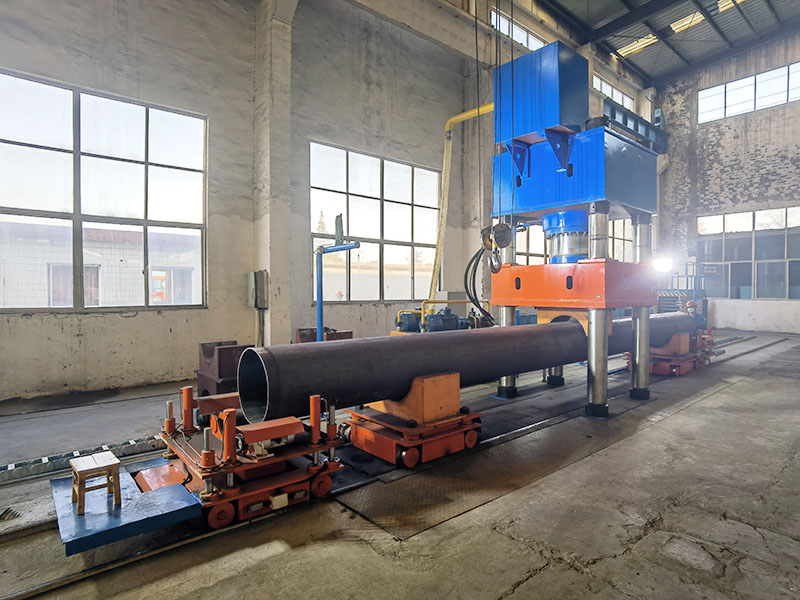
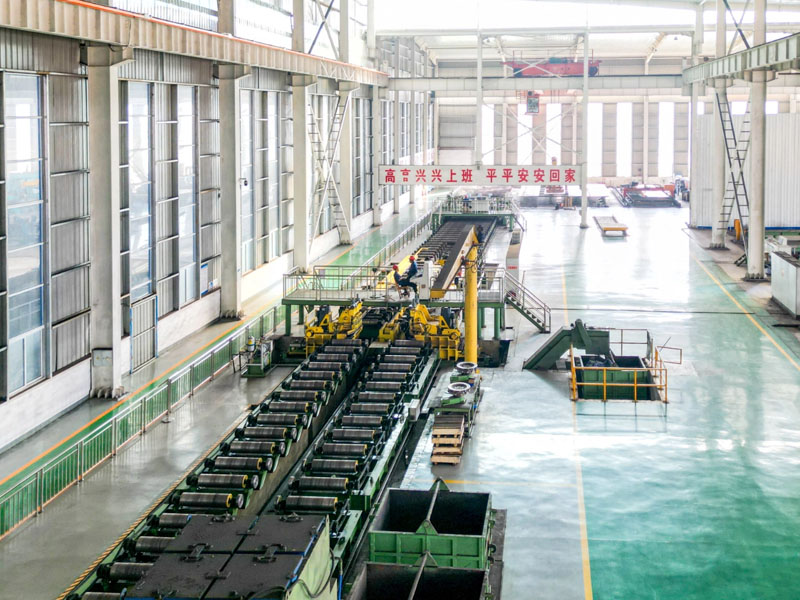
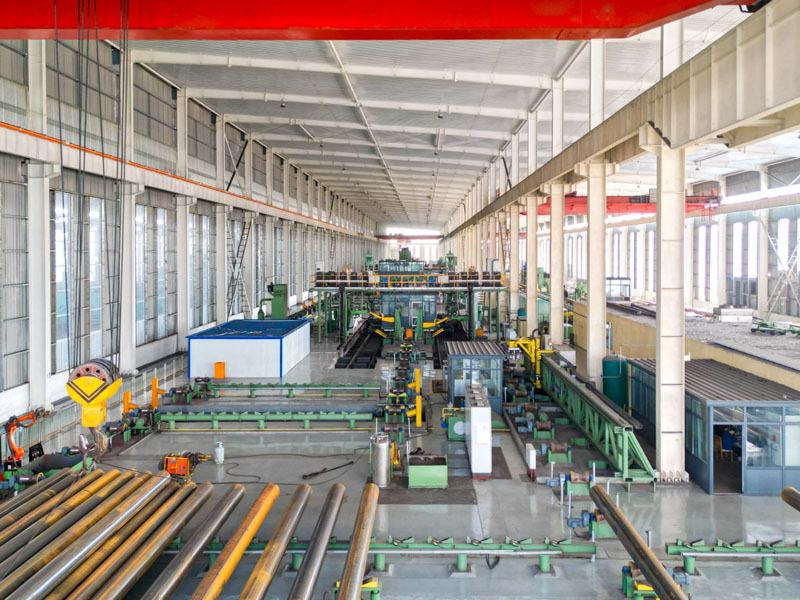
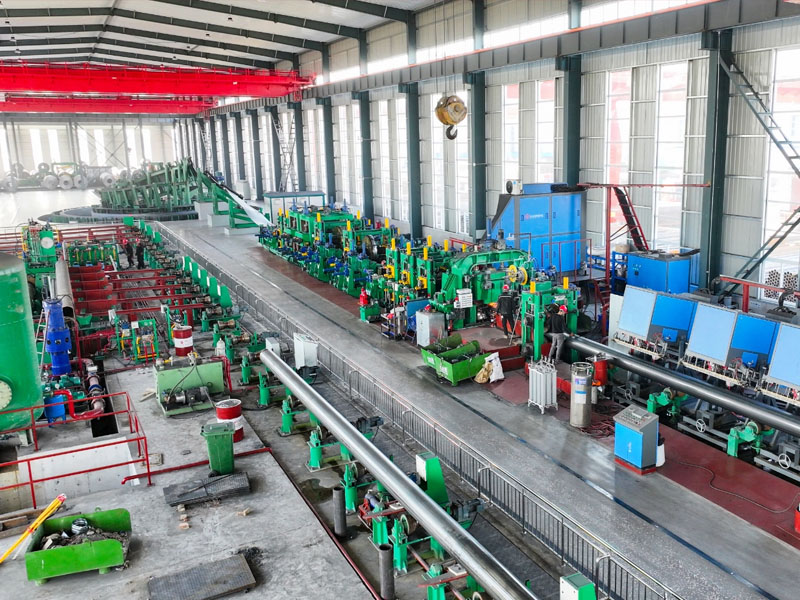
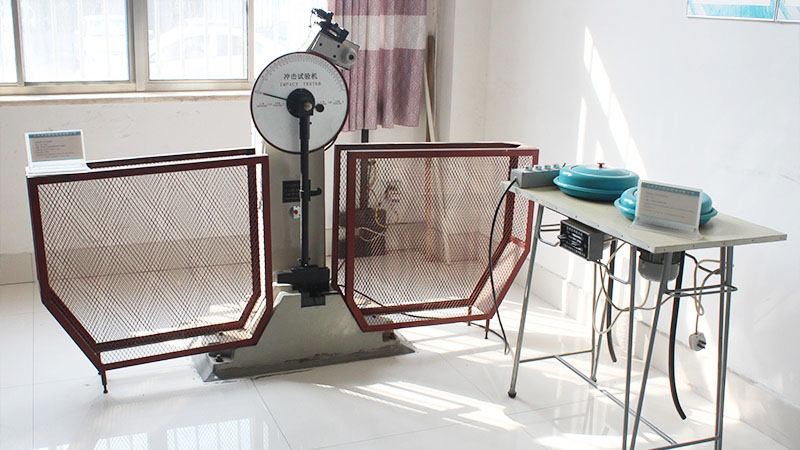
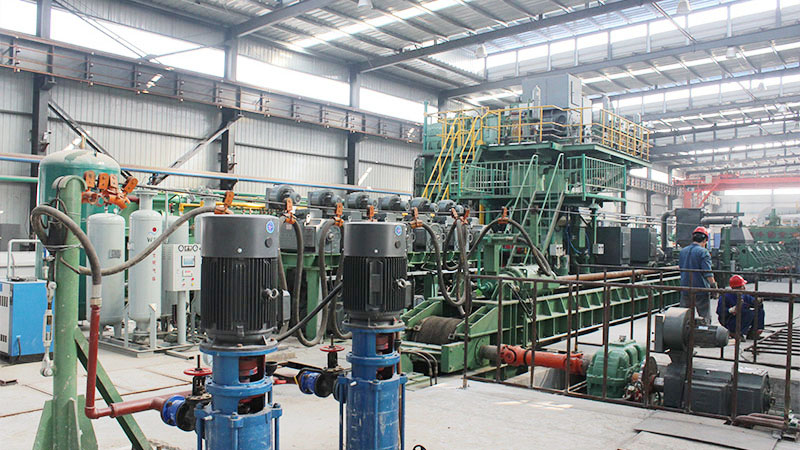
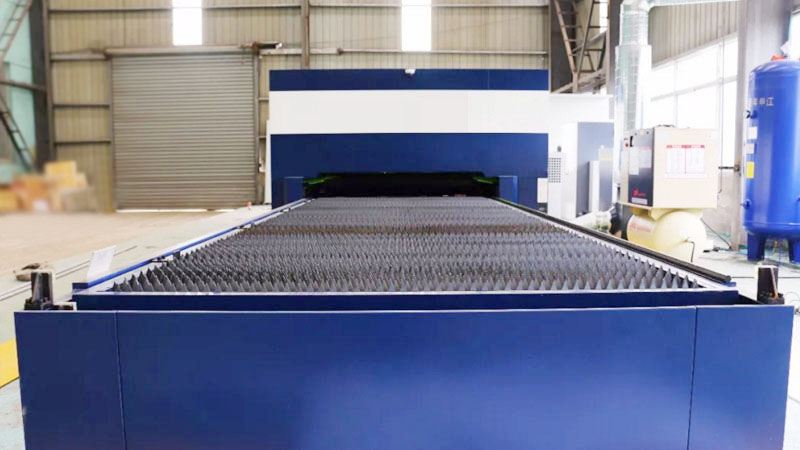
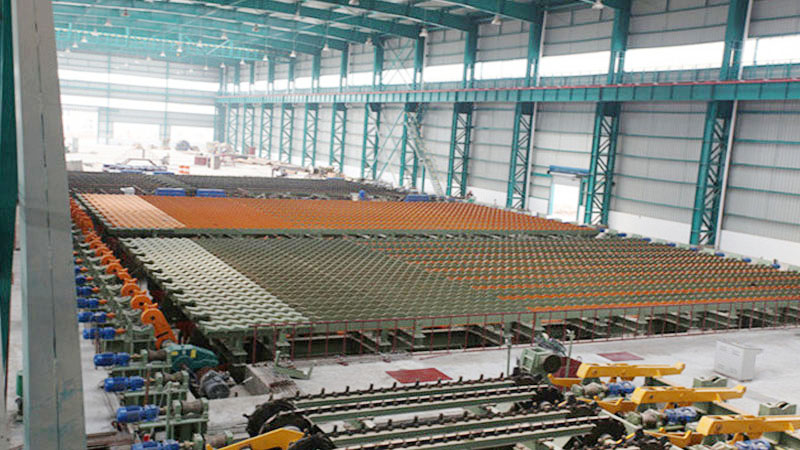
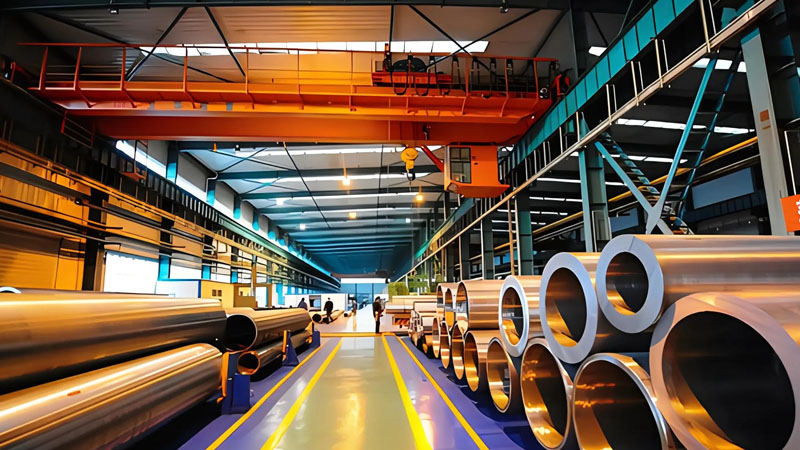
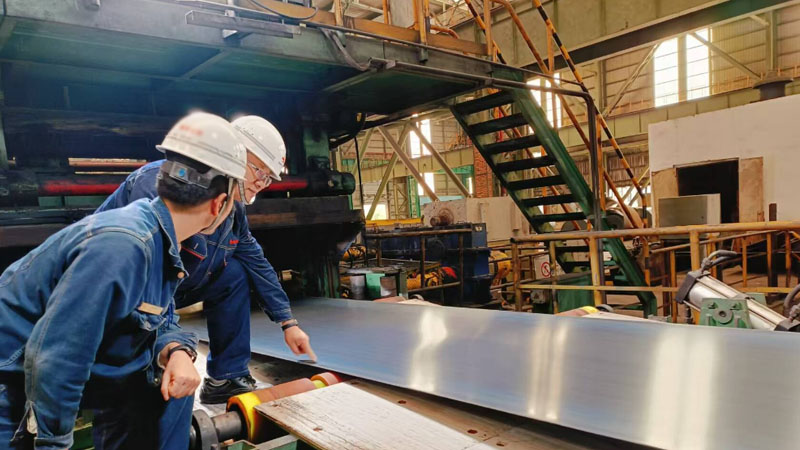
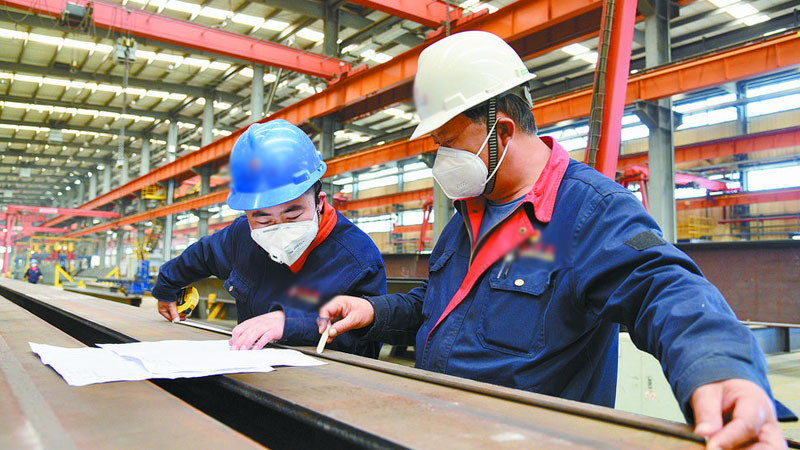
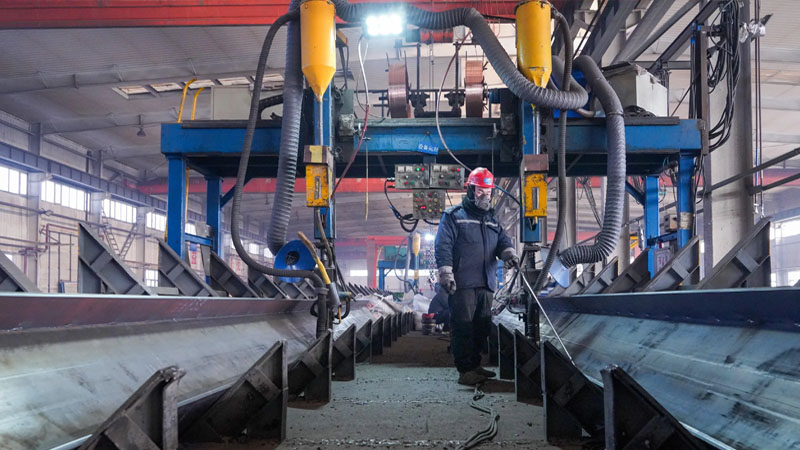
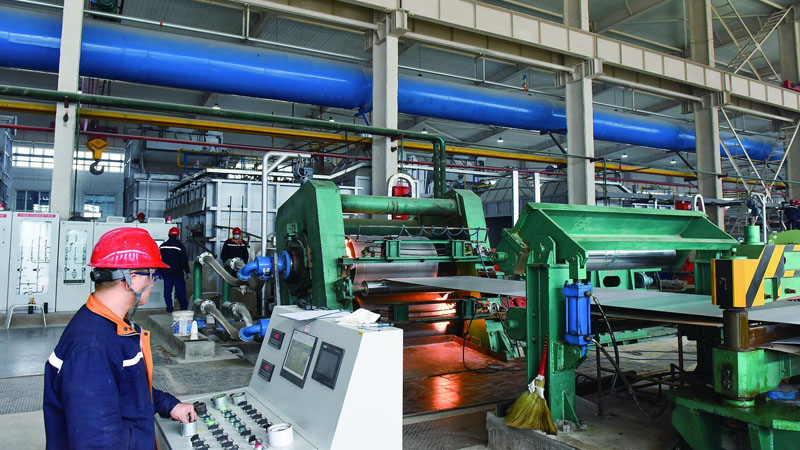
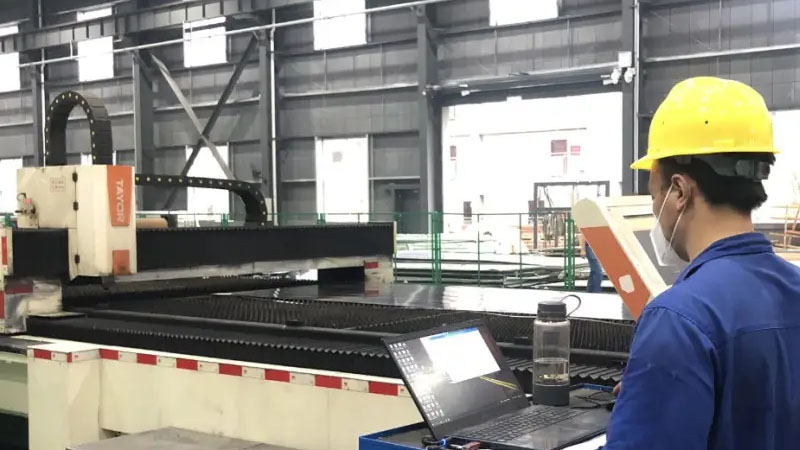
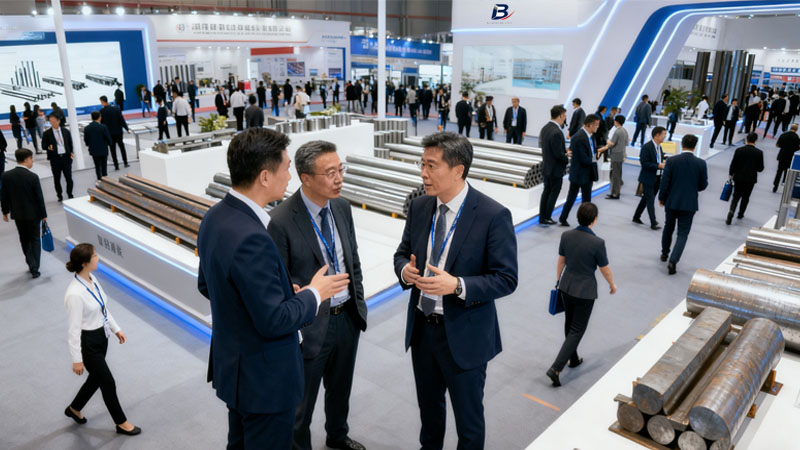
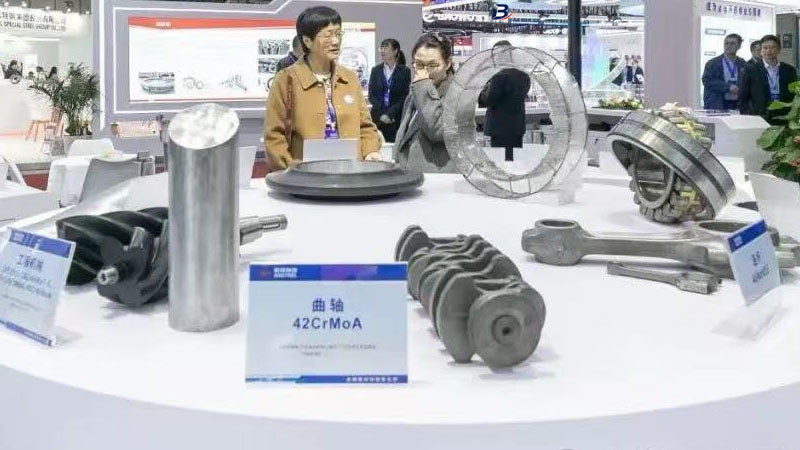
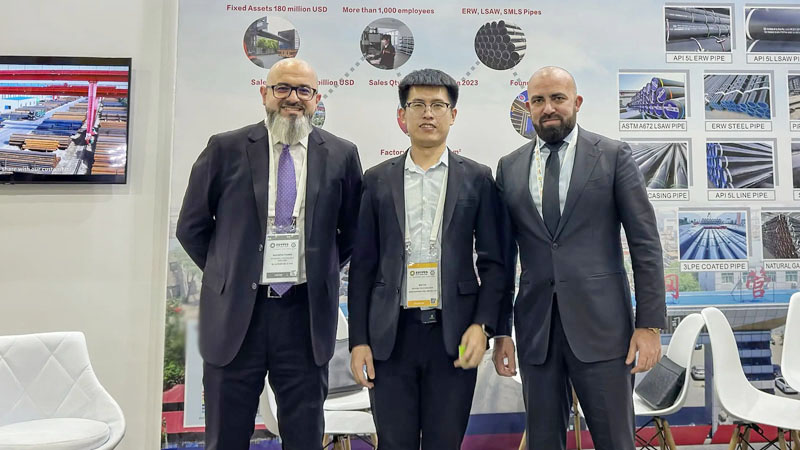
Building trust and demonstrating high-pressure connection reliability to engineers and procurement officers globally.
The "10k" rating denotes a nominal working pressure limit of 10,000 PSI (68.95 MPa or 689.5 bar) under normal operating temperatures as defined by API 6A. When conforming to ASME B16.5, pressure capacities are classified under Class designations (up to Class 2500/4500). Working pressures vary across operating temperatures; at higher temperatures, pressure ratings are adjusted according to code tables.
Forging works the metal's internal grain structure to follow the shape of the component, resulting in a continuous grain flow. This eliminates internal voids, gas pockets, and cooling segregation common in castings. The resulting structure provides higher yield strength, better ductility, and increased resistance to cyclical fatigue and impact loading.
High-pressure piping systems of 10,000 PSI typically require Ring Type Joint (RTJ) face configurations. RTJ designs use a metallic ring gasket placed into a machined groove on the flange face. As bolts are tightened, the gasket deforms into the groove to create a tight, metal-to-metal seal capable of holding high pressures.
For applications handling wet H2S, materials must resist Sulfide Stress Cracking (SSC). In these conditions, ASTM A105 carbon steel or low-alloy AISI 4130 steel are typically processed according to NACE MR0175/ISO 15156 standards. This requires limiting hardness (usually below 22 HRC) and utilizing specific heat-treatment processes.
We use electronic callipers, 3D coordinate measuring machines (CMM), and go/no-go plug gauges to measure dimensional tolerances. Machined dimensions, including bolt hole alignments, gasket groove angles, and weld bevel finishes, are verified against project specifications and applicable codes like ASME B16.5 or API 6A.
Depending on material grades and application needs, we perform normalizing, quenching and tempering, or solution annealing. Normalizing refines the grain structure after forging, while quenching and tempering increases mechanical strength and low-temperature toughness. Solution annealing is used for stainless steel grades to restore corrosion resistance.
Yes, all shipments include comprehensive Mill Test Reports (MTR) according to EN 10204 3.1 or 3.2. These reports document chemical analysis, mechanical testing results (yield strength, tensile strength, elongation, and impact values), heat treatment logs, and NDT inspection results to ensure material traceability.