 Baimaoxing
Baimaoxing
Baimaoxing
Explore our high-performance metallic materials engineered for structural integrity, corrosion resistance, and high-precision applications.
A comprehensive analysis of general structural steel standards, chemical makeup, and mechanical limits.
In global engineering and heavy infrastructure procurement, selecting the correct structural steel plate grade is critical to project safety, structural lifespan, and cost management. Under the Japanese Industrial Standards (JIS) framework, the JIS G3101 SS400 steel plate represents one of the most widely applied hot-rolled general structural steel grades. SS400 stands for "Steel Structure" with a minimum tensile strength of 400 megapascals (MPa).
Historically, the design guidelines of SS400 favor cost-effectiveness and high machinability. Unlike carbon structural steels that specify strict carbon limits, the JIS G3101 standard allows steel mills a high degree of metallurgical freedom. It primarily restricts harmful impurities: Phosphorus (P) to ≤ 0.050% and Sulfur (S) to ≤ 0.050%. Because of the lack of explicit carbon caps in standard formulations, high-quality manufacturing relies entirely on advanced hot-rolling techniques, controlled cooling, and secondary refining technologies to control internal grain refinement. This is why buying from a certified supplier like Shandong Baimaoxing Iron and Steel Co., Ltd. ensures the carbon equivalent (Ceq) remains low enough to maintain excellent weldability.
Procurement engineers frequently encounter interchangeable requirements between different national standard bodies. The table below represents the definitive cross-reference comparison based on chemical composition and mechanical properties:
| Specification | JIS G3101 SS400 | ASTM A36 | GB/T 700 Q235B | EN 10025 S235JR |
|---|---|---|---|---|
| Carbon (C) Max | Not explicitly defined | 0.25% - 0.29% | 0.20% | 0.17% - 0.20% |
| Phosphorus (P) Max | 0.050% | 0.040% | 0.045% | 0.035% |
| Sulfur (S) Max | 0.050% | 0.050% | 0.045% | 0.035% |
| Yield Strength (min) | 245 MPa (≤16mm) | 250 MPa (36 ksi) | 235 MPa | 235 MPa |
| Tensile Strength | 400 - 510 MPa | 400 - 550 MPa | 370 - 500 MPa | 360 - 510 MPa |
As shown, while SS400 matches the tensile capacity of ASTM A36, its yield limit is slightly lower at thicknesses below 16mm. For thicker structural columns or heavy marine plating, calculations must account for the gradual reduction in yield limits as thickness increases.
A leading large-scale supplier specializing in steel processing, global distribution, and engineering services.
Located in the metallurgical industrial hub of Liaocheng City, Shandong Province, China, Shandong Baimaoxing Iron and Steel Co., Ltd. has developed into a premier steel supplier specializing in research and development, custom plate processing, sales, and localized technical support.
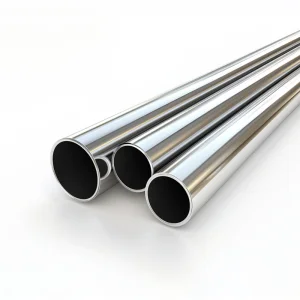
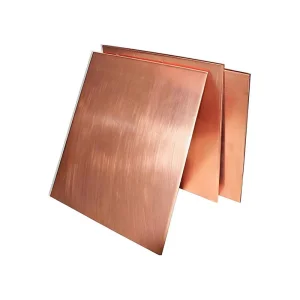
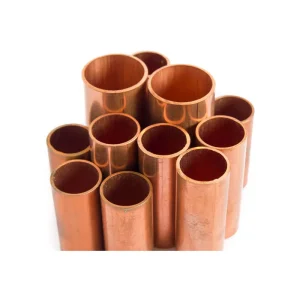
Our business portfolio spans carbon steel plates (such as Q235, Q345, SS400, Q355), stainless steel sheets/coils, heavy-walled steel pipes, precision copper plates and rods, high-conductivity aluminum alloys, titanium pipes, and color-coated steel coils (PPGI/PPGL). We maintain close collaborations with major Chinese state mills (such as Baosteel, Ansteel, and HBIS) to ensure stable raw material procurement, allowing us to pass quality and price advantages to our global customers.
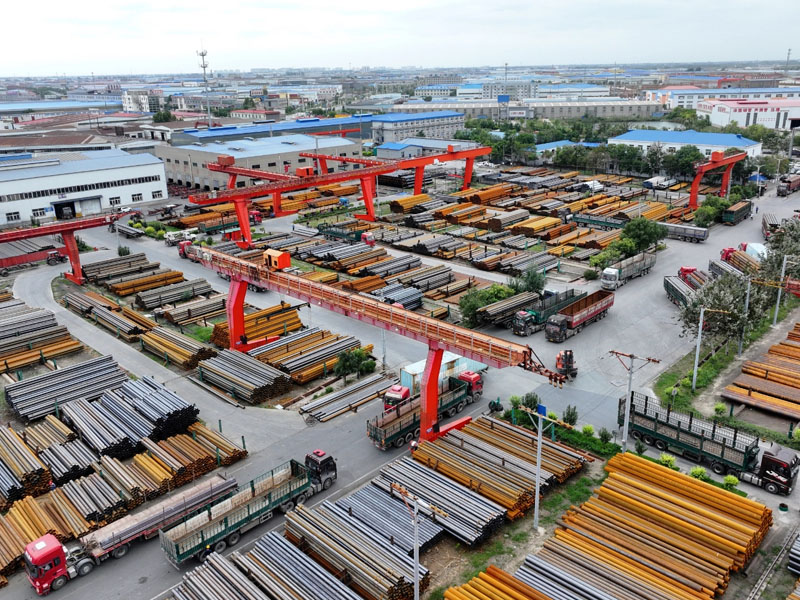
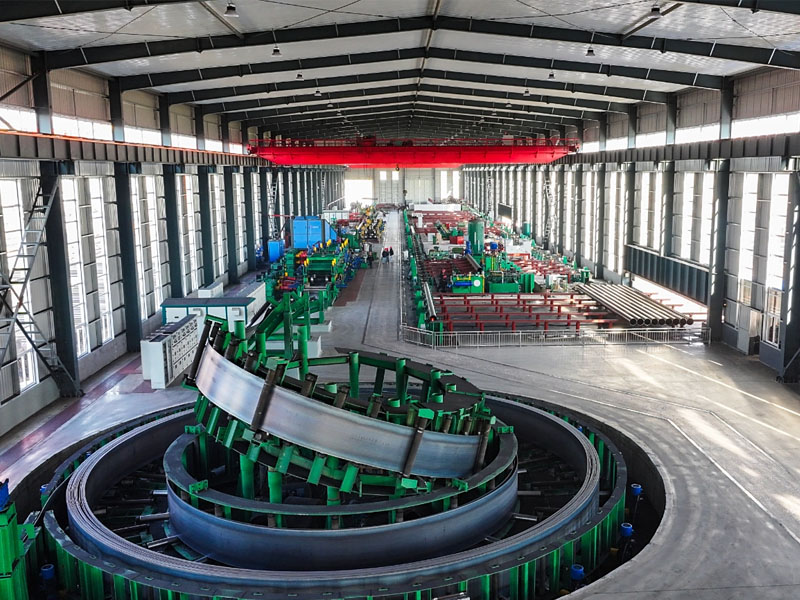
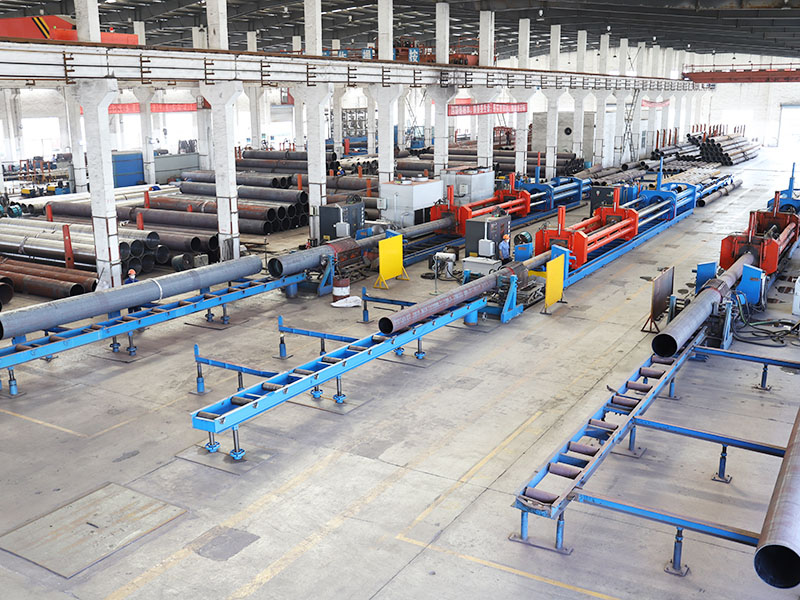
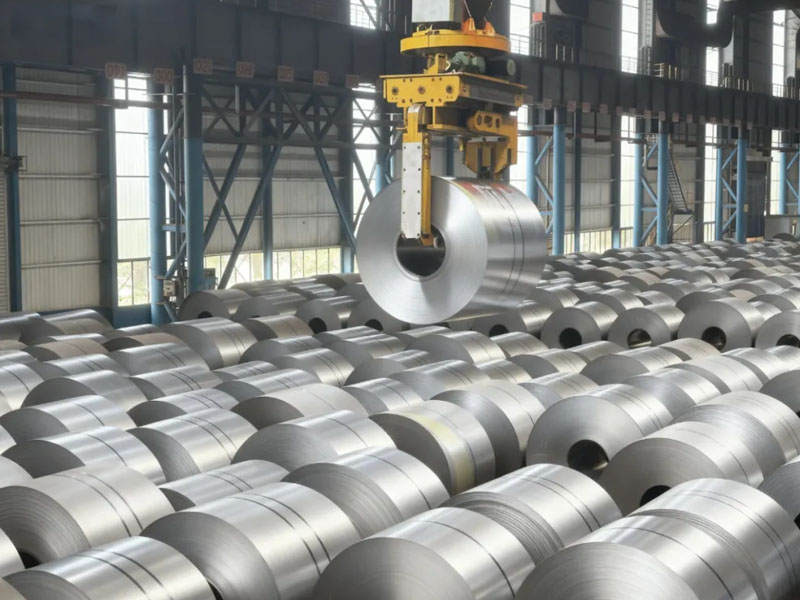
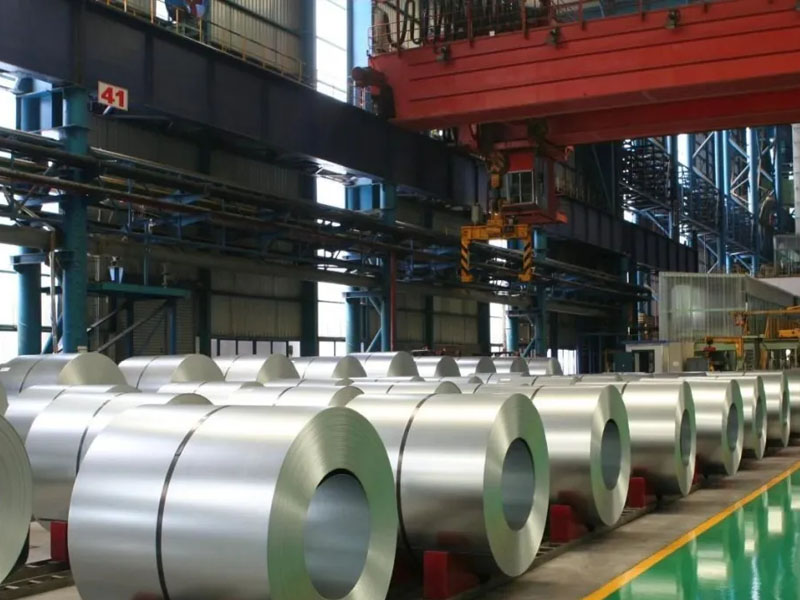
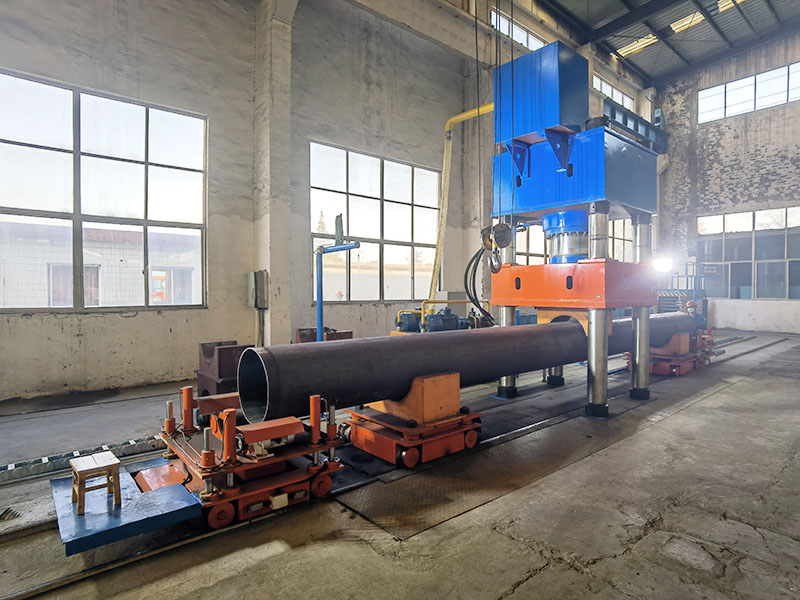
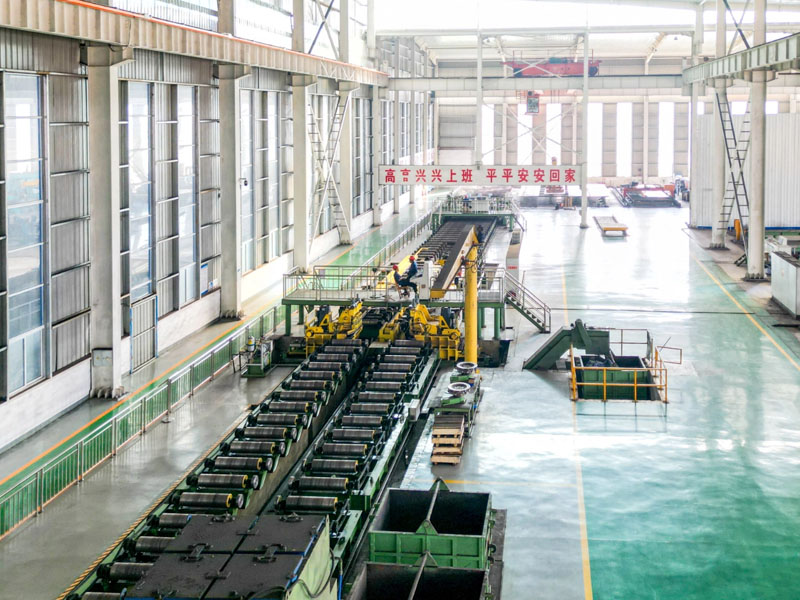
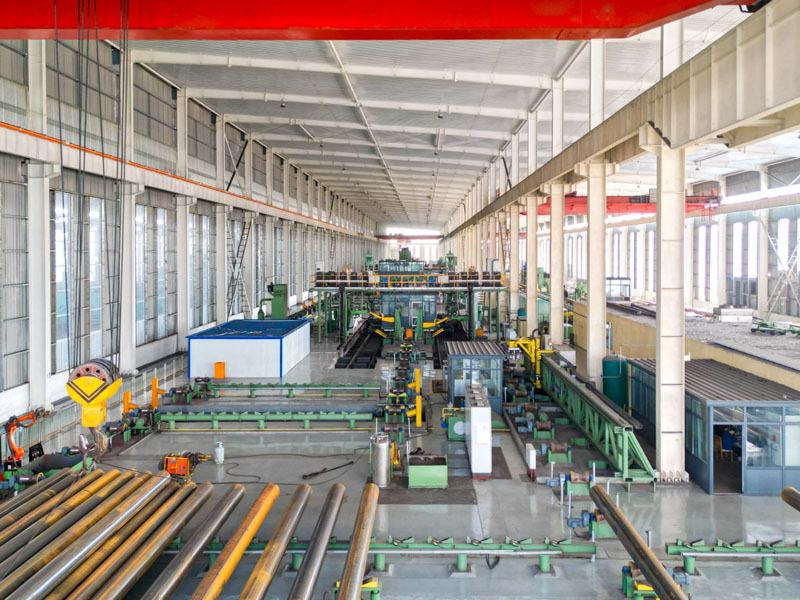
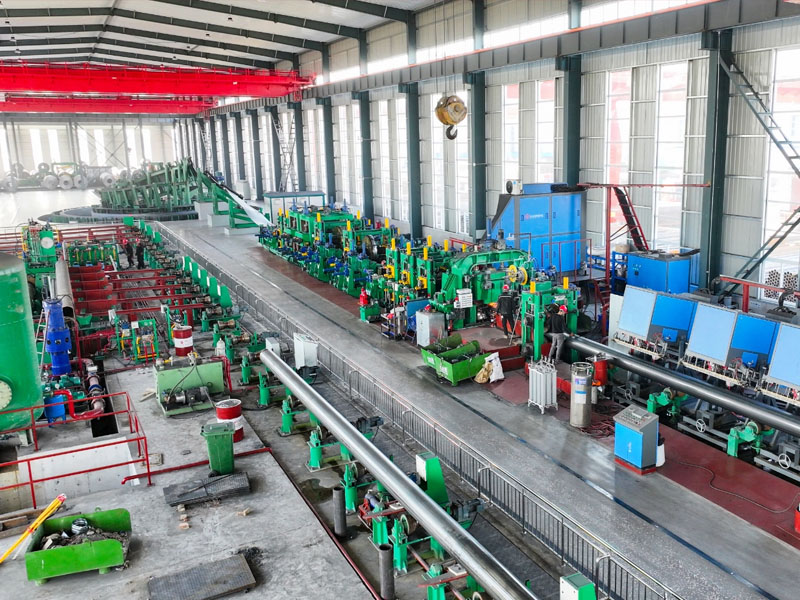
Leveraging technical expertise, rigorous QA/QC inspections, and robust supply chain networks.
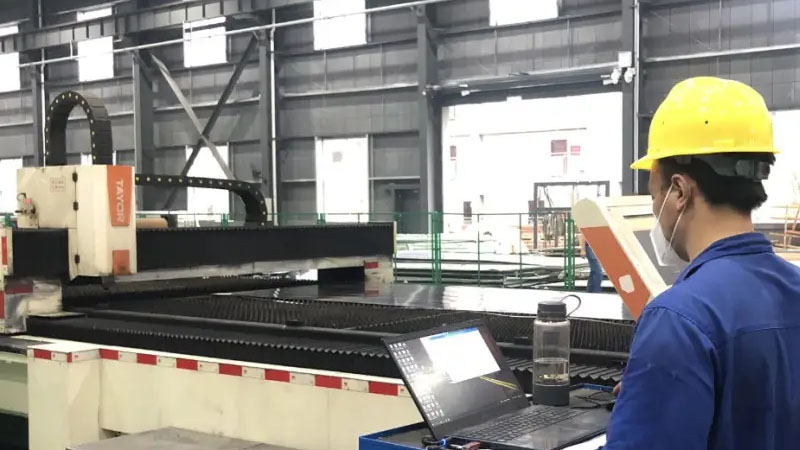
We offer more than just commodity distribution. Our service catalog includes CNC laser cutting, beveling, plate bending, post-weld heat treatment, and custom painting. Your SS400 plates arrive pre-fabricated, directly reducing job-site setup time.
Our in-house engineers average 12+ years of metallurgical expertise. We review customer technical drawings to ensure dimensional tolerances conform perfectly to international requirements, protecting projects from material misfit.
Every SS400 plate undergoes strict quality testing prior to dispatch. We support non-destructive testing (NDT), ultrasonic testing (UT ASTM A435/A578 Level C), third-party inspections (SGS, TUV, BV), and supply complete Mill Test Certificates (EN 10204 3.1).
Analyzing cross-industry performance requirements of hot-rolled structural steel plates.
JIS G3101 SS400 is not a specialized high-nickel alloy or a high-chromium tool steel. Its strength lies in its balance of structural integrity and cost effectiveness. It provides the mechanical foundation for global infrastructure projects, where massive volumes of structural steel plates are required.
In high-rise construction, bridge support beams, and municipal complexes, SS400 plates are fabricated into large H-beams, structural columns, and bracing components. Because of its predictable yield curves, structural designers can model load limits using standard structural simulation software. In areas prone to high seismic activity, the elongation rate (typically ≥21% for plates under 16mm) allows energy dissipation without sudden catastrophic failure.
Heavy excavators, structural brackets, crane booms, and mining dump truck bodies require tough, weldable base materials. SS400 is chosen because it can be easily cut using gas, plasma, or high-power fiber laser systems, and then bent into complex shapes. This ensures fabricators can optimize production speed while maintaining part geometry tolerances.
For non-critical structural components of bulk carriers, barges, and drilling platforms (such as internal decks, bulkheads, and equipment brackets), SS400 provides a balance between structural strength and weight. For marine applications, we apply specialized anti-rust primers to the plates (e.g., zinc silicate or epoxy) to prevent marine corrosion during transport and assembly.
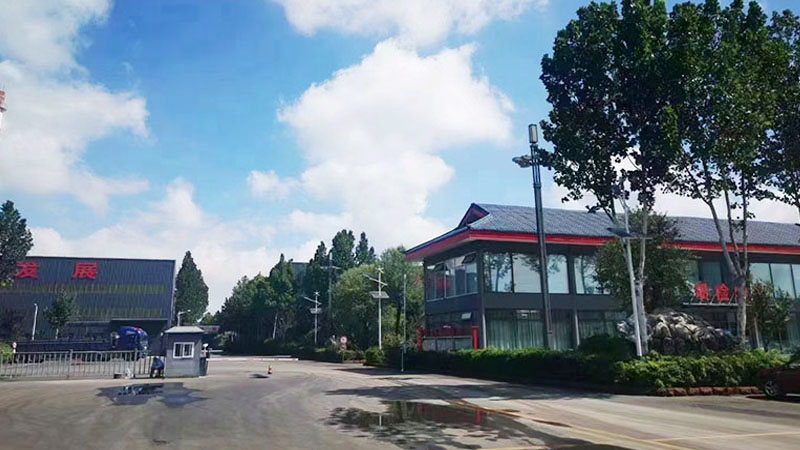
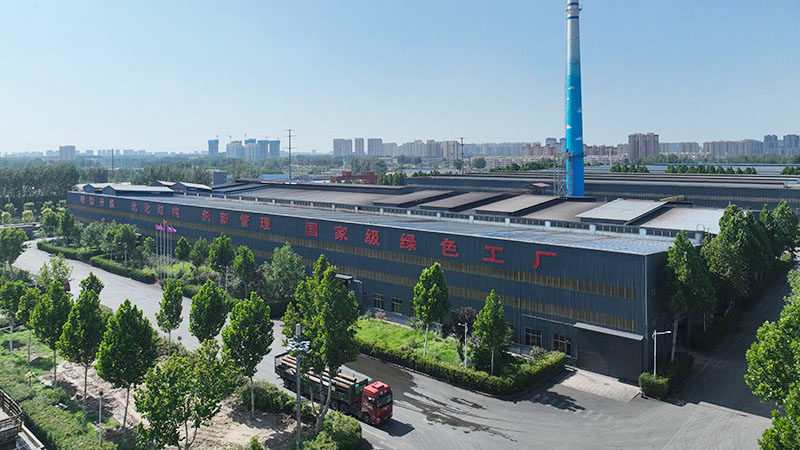
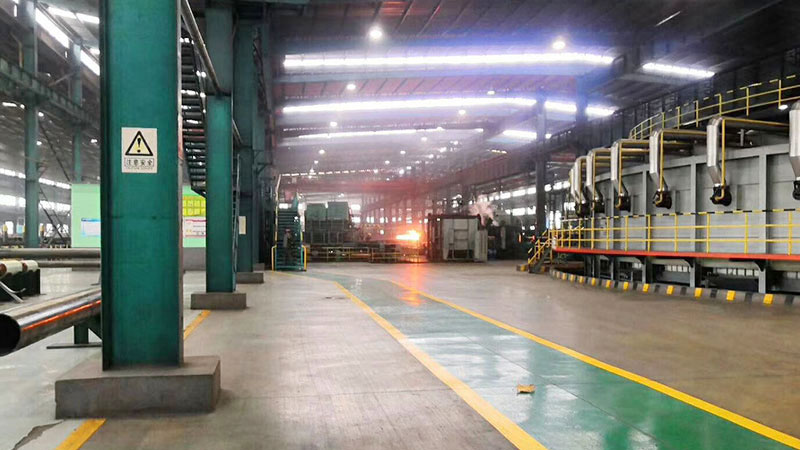
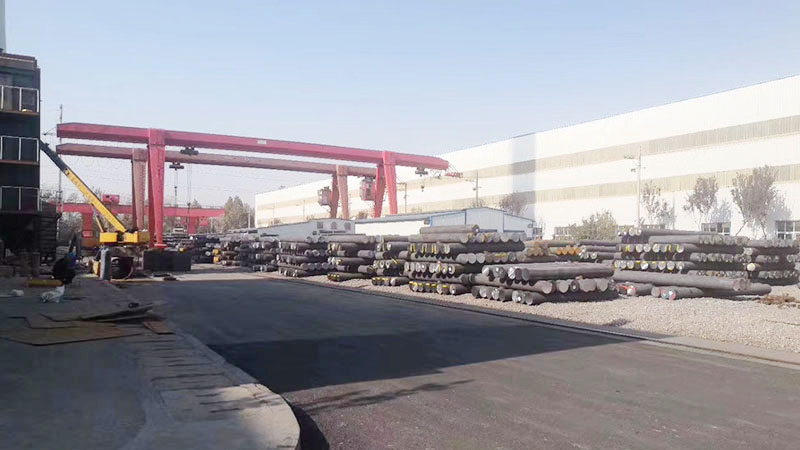
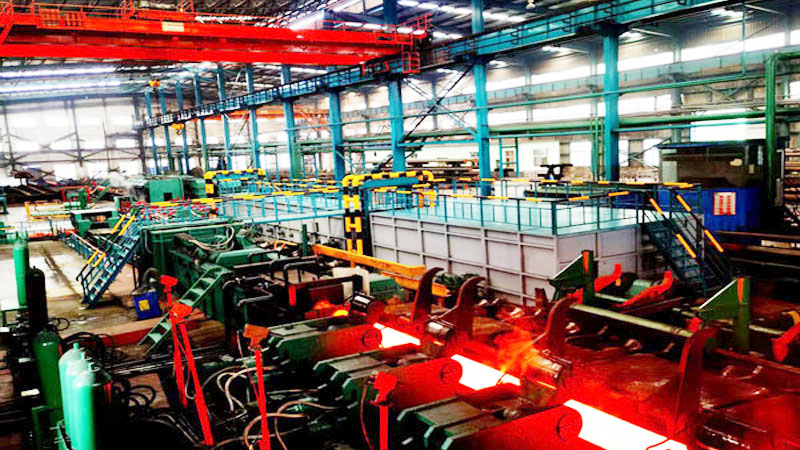
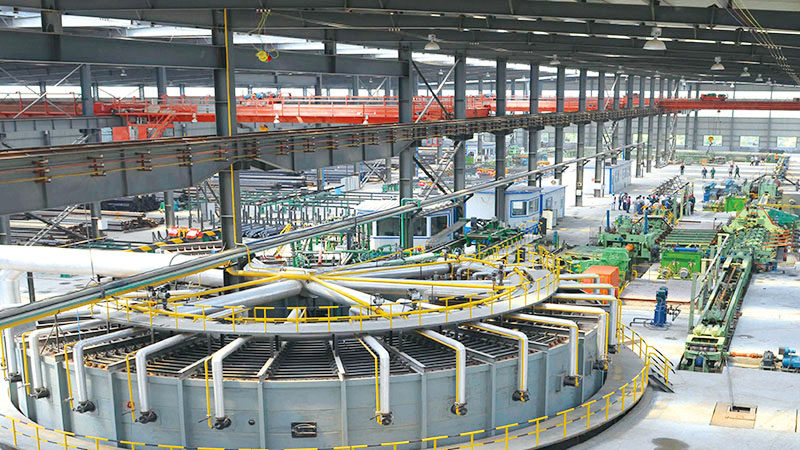
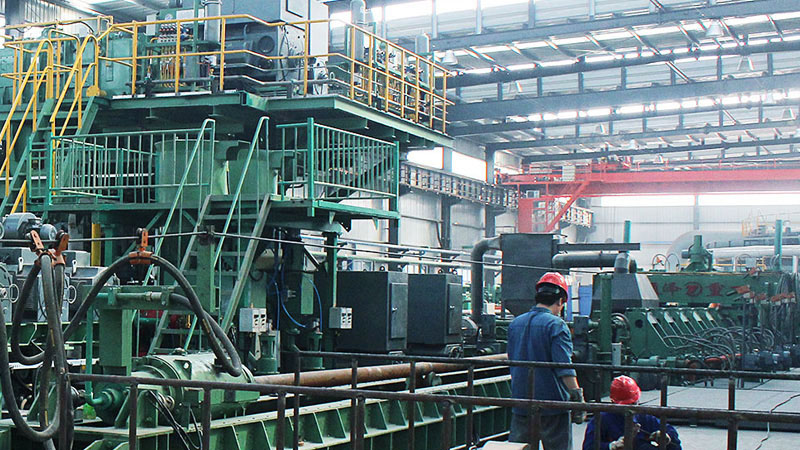
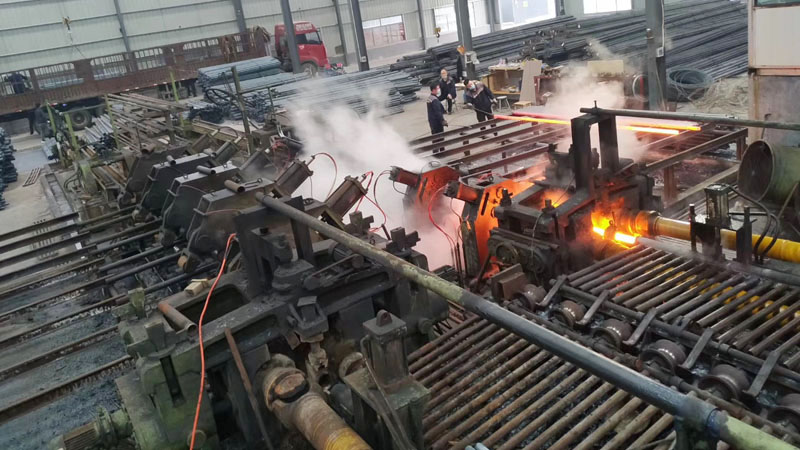
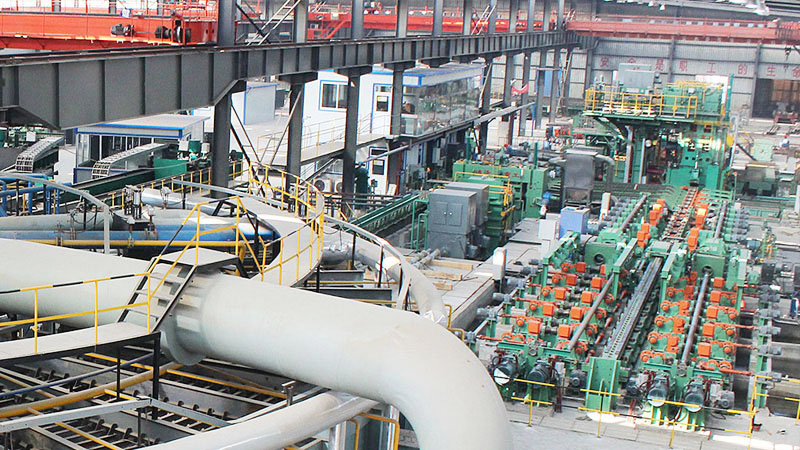
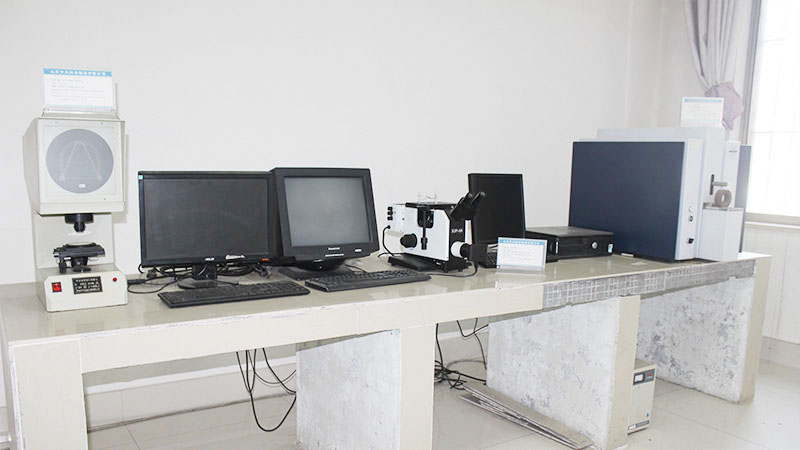
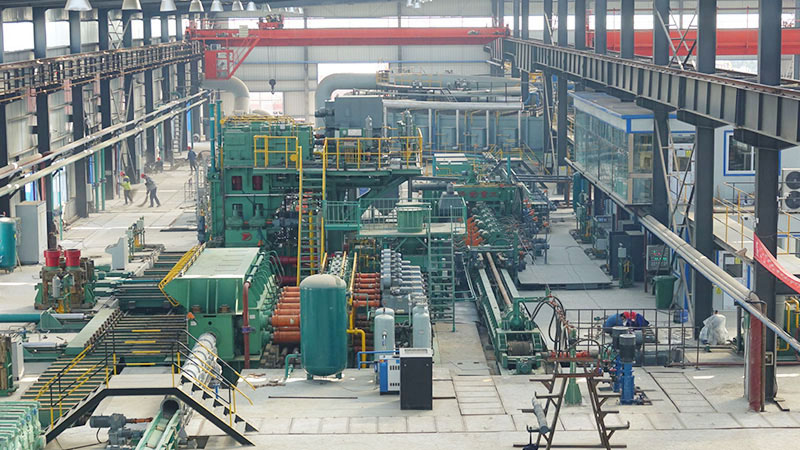
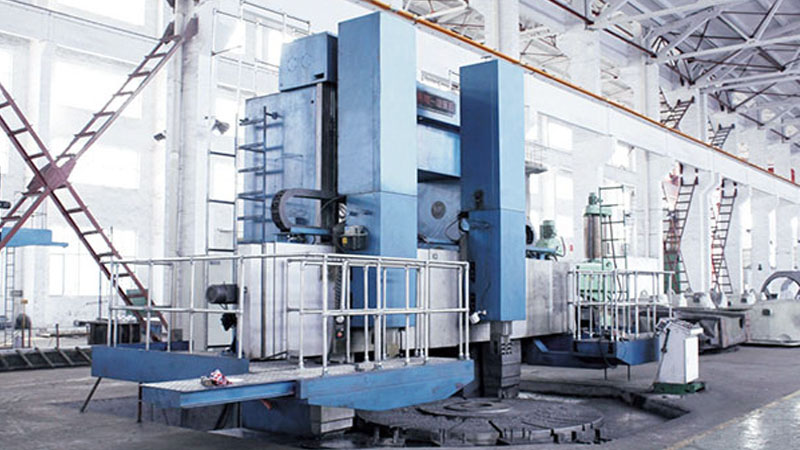
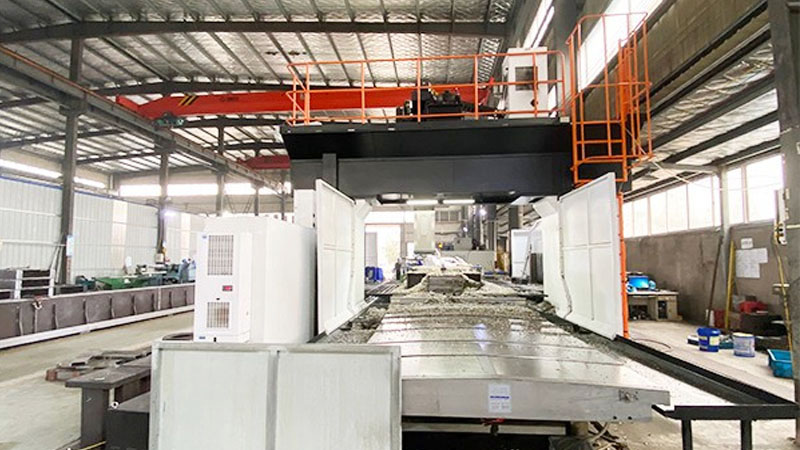
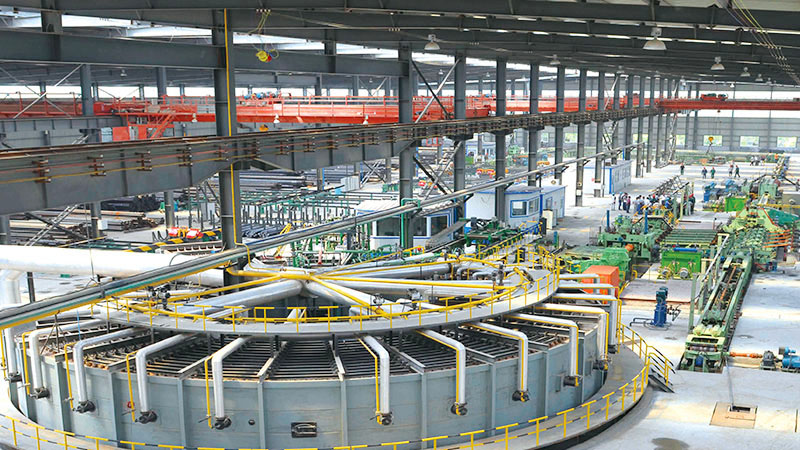
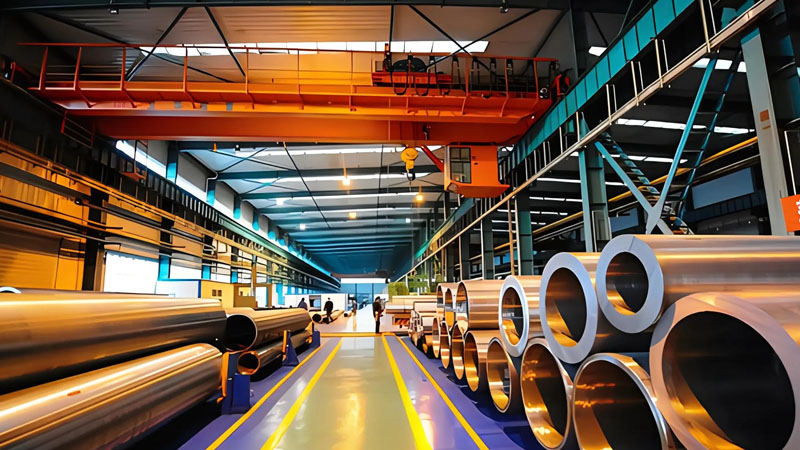
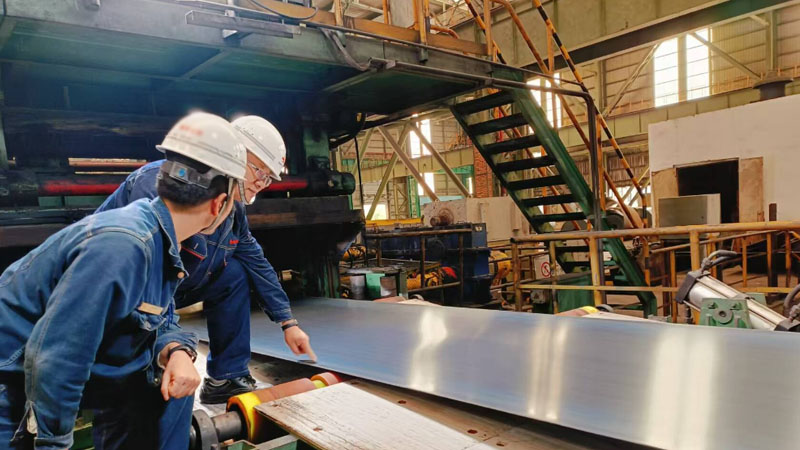
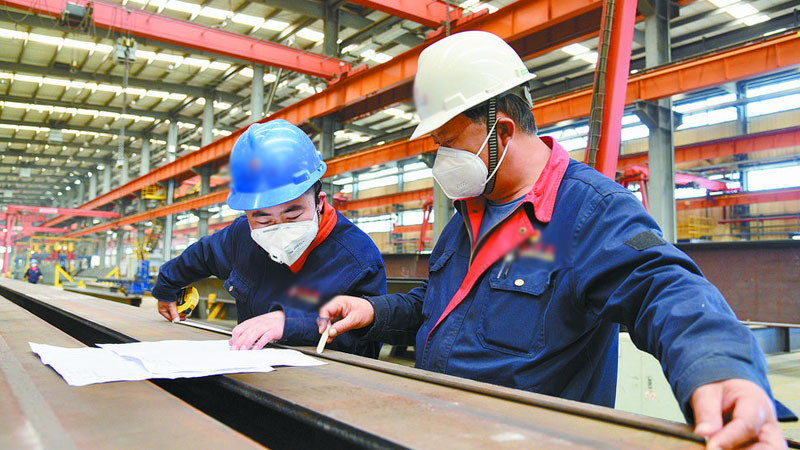
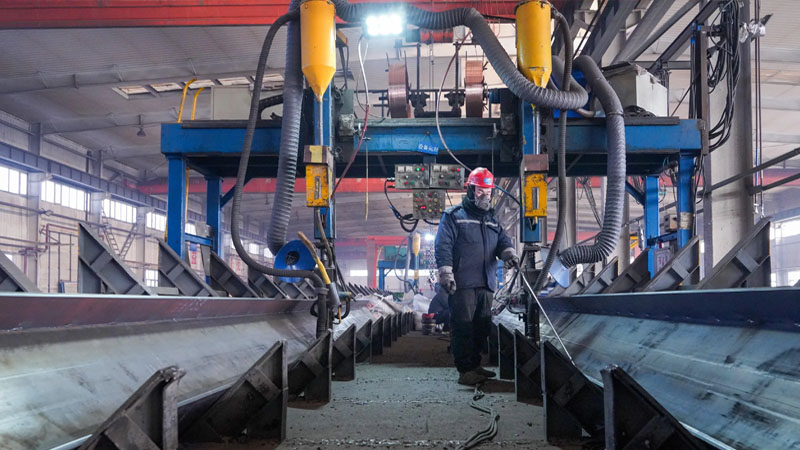
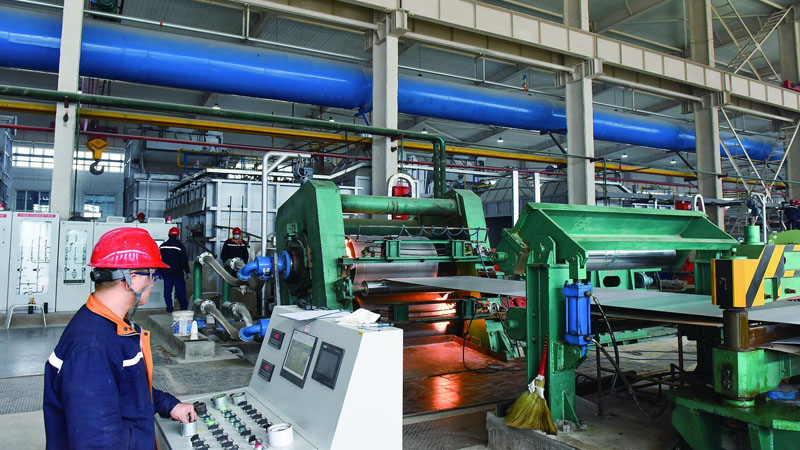
A look inside Shandong Baimaoxing's state-of-the-art production workflow, automated rolling mills, and R&D division.
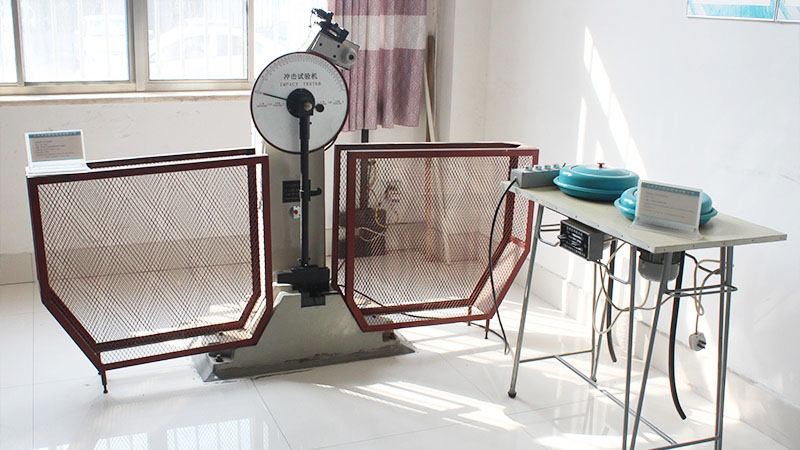
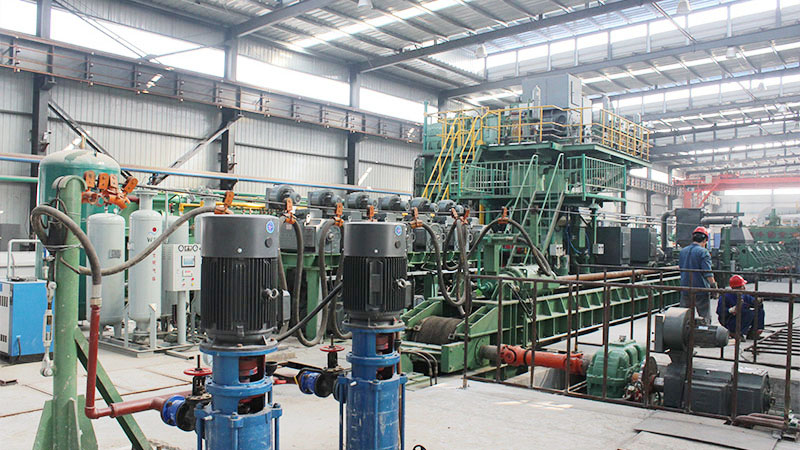
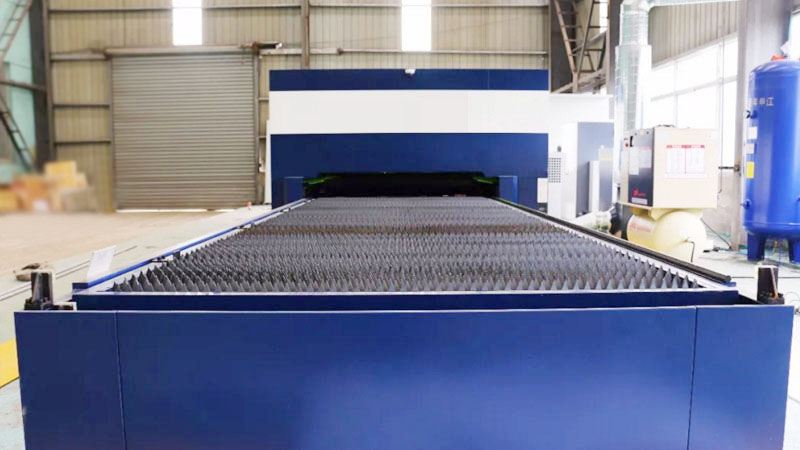
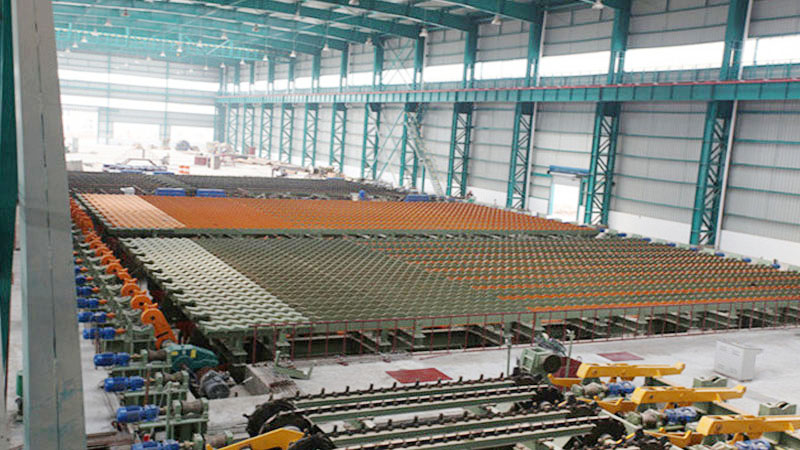
How the integration of physical metallurgy and advanced logistics keeps global supply chains running smoothly.
In today's complex international trading environment, supply chain stability is just as important as chemical composition. Operating from Liaocheng, Shandong Province, we leverage a major metallurgical manufacturing cluster. This provides immediate raw material access, reducing long-distance land transit costs before the material reaches international port facilities in Qingdao or Tianjin.
Our partners' production lines utilize automated thickness-control sensors. This ensures thickness tolerances (down to +/-0.2mm for standard plates) are more precise than standard commercial rules require. Real-time cooling systems manage the transformation from austenite to ferrite during the rolling process. This produces a uniform microstructure, avoiding hard spots that could damage laser cutting nozzles or tooling during fabrication.
Every batch of SS400 carbon steel plate is cast with heat numbers, which are stamped directly onto the plate edge. This ensures total traceability back to the ladle analysis. We accommodate multi-specification certification (MTC) requests, certifying a single raw material batch under both JIS G3101 SS400 and ASTM A36. This simplifies compliance paperwork for global projects that span multiple international standards.
Ocean transport exposes steel to high humidity and salt spray, which can cause surface rust. To prevent this, our logistics teams use custom protective packaging. This includes applying thin oil coatings, using moisture-barrier VCI paper wrapping, and securing plates on heavy timber skids with steel strapping. This prevents metal-to-metal rubbing during sea transit and ensures the plates arrive in ready-to-use condition.
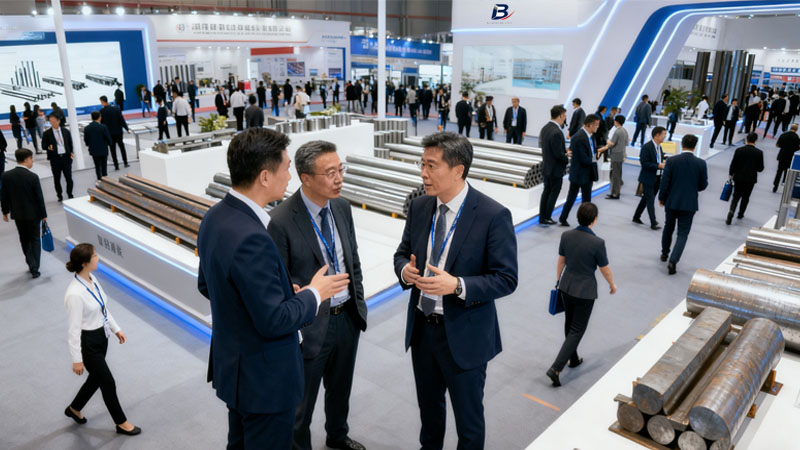
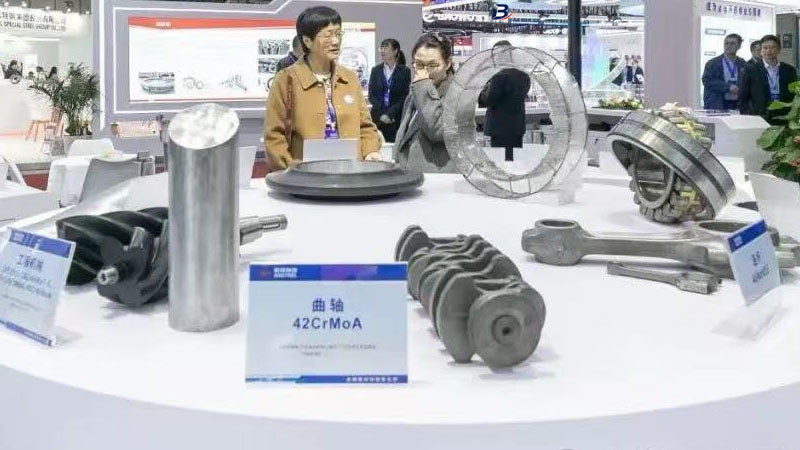
Connecting with procurement professionals and engineering firms at international trade events.
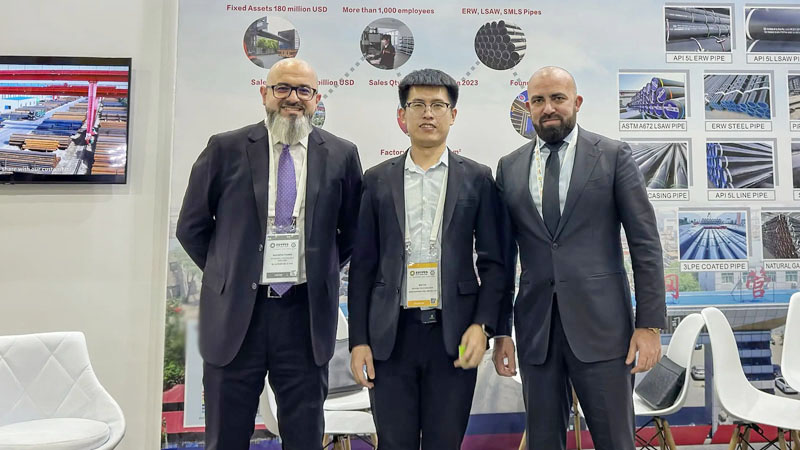
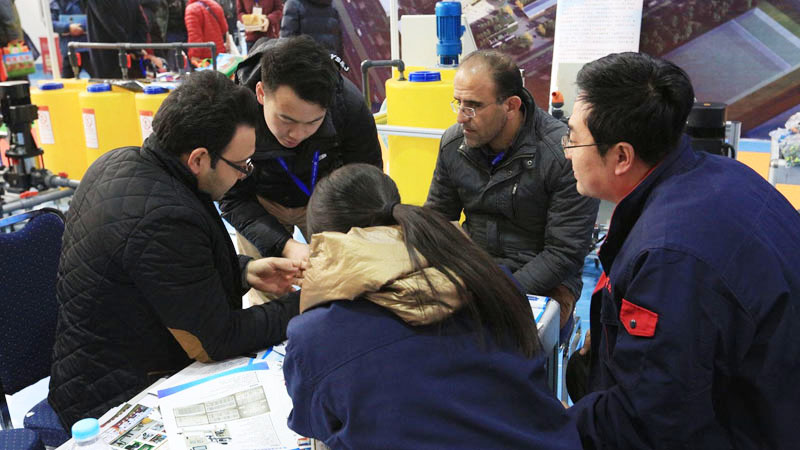
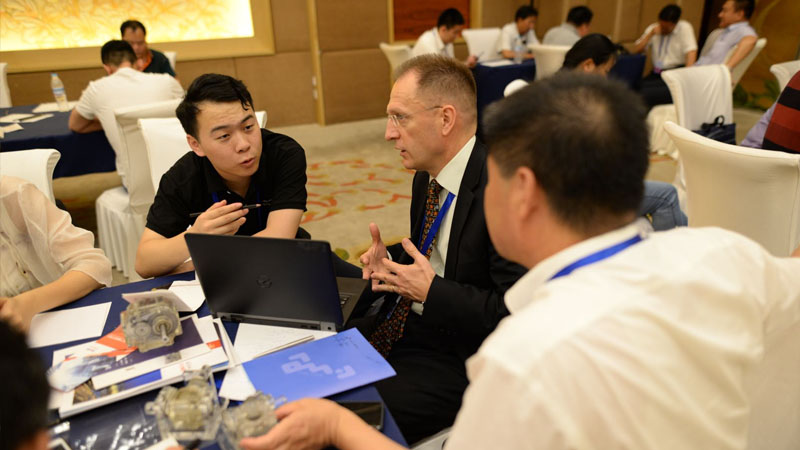
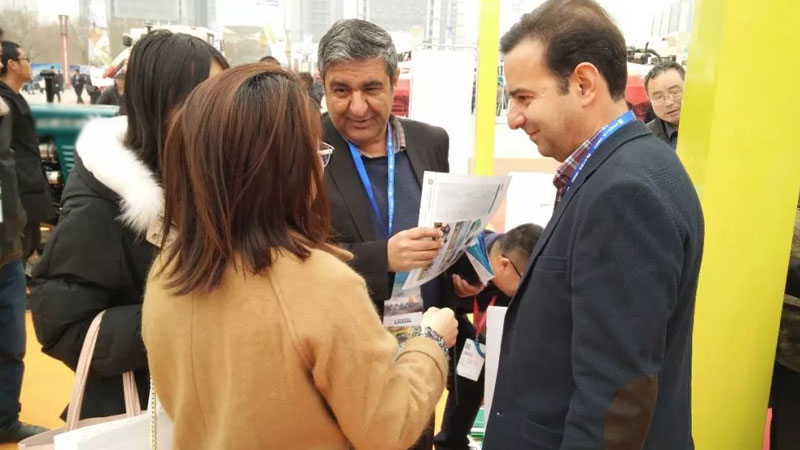
A closer look at our raw material portfolio, standard certifications, and structural grades.
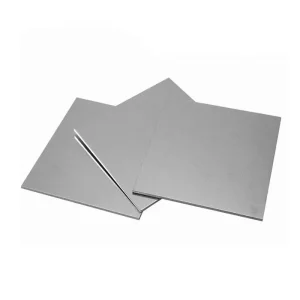
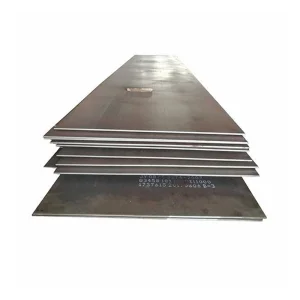
Our carbon steel plate inventory spans thicknesses from 6mm up to 200mm, with customizable plate widths (1500mm, 2000mm, 2200mm, 2500mm) and lengths up to 12 meters. We supply SS400 in hot-rolled conditions, with options for normalization heat treatments for structural applications.
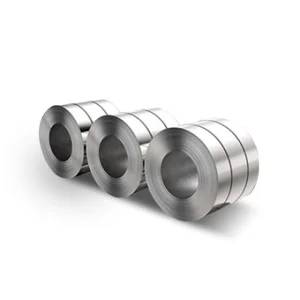
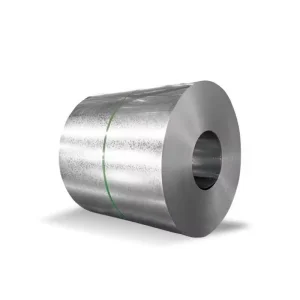
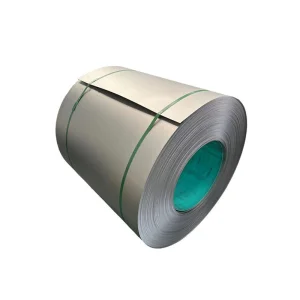
We supply hot-rolled and cold-rolled carbon steel coils for general roll-forming, ducting, and light structural framing. This includes low-carbon grades like Q195 for high ductility and drawability, Q235B for general structural applications, and Q355B for high-strength requirements.
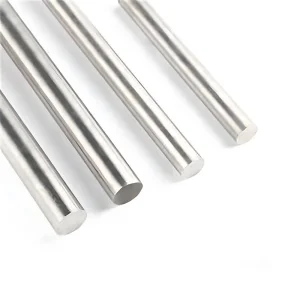
For precision machining, shaft production, and heavy equipment pins, we supply alloyed and carbon round bars. These grades offer high hardenability and wear resistance, and they are available in sizes ranging from 6mm to 600mm.
Carbon steel refers to steel with a carbon content of less than 0.8% and without significant amounts of alloying elements. Compared to high-alloy structural steels, general carbon steel has lower levels of sulfur, phosphorus, and non-metallic inclusions, resulting in balanced mechanical properties. Based on carbon content, carbon steel is divided into three categories:
A look at the metallurgic trends, carbon-reduction technologies, and next-generation coatings shaping the industry.
As structural engineering projects scale in height and span, the demand for traditional general structural steels is shifting toward cleaner chemistry, improved toughness, and lower carbon footprints. The technical roadmap for JIS G3101 SS400 steel focuses on three key areas:
By adding micro-amounts of elements like Niobium (Nb), Vanadium (V), and Titanium (Ti), steel manufacturers can refine grain structures without increasing the carbon equivalent (Ceq). This allows future variants of general structural steels to maintain the weldability of low-carbon grades while achieving the higher yield strengths typical of medium-carbon plates.
Global carbon reduction initiatives are changing how iron and steel are manufactured. The transition from traditional blast furnaces (BF-BOF) to Electric Arc Furnaces (EAF) powered by renewable energy, and the use of Hydrogen-based Direct Reduced Iron (H-DRI), are reducing the carbon footprint of structural steel plates. Our partner mills are adopting these technologies to offer certified green steel options that help projects meet their environmental goals.
To extend the service life of structures built with SS400 steel, the industry is moving toward factory-applied protective coatings. Modern thermal spray zinc coatings (zinc-aluminum-magnesium alloys) provide sacrificial cathodic protection that is up to five times more corrosion-resistant than traditional hot-dip galvanizing, helping structures last longer with less maintenance.
Clear, technical answers to common questions about SS400 structural steel procurement, welding, and compliance.
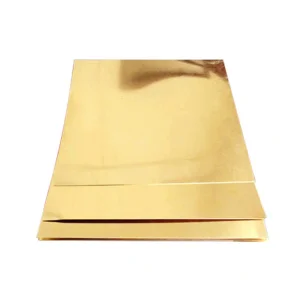
High-grade aluminum, copper, brass, stainless steel, and titanium materials for industrial applications.