 Baimaoxing
📋 Industrial White Paper: The Evolution of Stainless Steel Tie Wire
In the contemporary landscape of civil engineering and industrial assembly, the choice of fastening materials is no longer a peripheral concern but a core engineering decision. Stainless Steel Tie Wire, often referred to as lacing wire or rebar binding wire, represents a critical intersection of metallurgical science and structural integrity. As a leading supplier, we recognize that "Quality" is a multi-dimensional metric involving tensile strength, elongation, corrosion resistance, and ductility.
Metallurgical Composition and Grade Significance
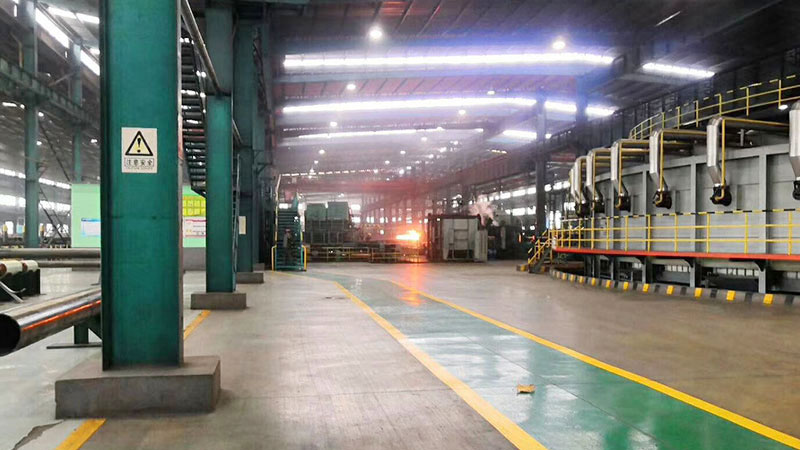
The performance of stainless steel tie wire is primarily dictated by its alloy composition. Grade 304 (UNS S30400) remains the industry standard for general-purpose applications due to its excellent balance of cost and corrosion resistance. However, for marine environments or chemical processing plants, Grade 316 (UNS S31600) is non-negotiable, offering enhanced resistance to chloride-induced pitting through its molybdenum content. Our factories utilize advanced VOD (Vacuum Oxygen Decarburization) refining to ensure ultra-low carbon levels, preventing sensitization during any subsequent welding or high-temperature exposure.
18%
Chromium Content
8-10%
Nickel Base
500+
MPa Tensile Strength
30yr
Service Life