 Baimaoxing
Baimaoxing
Baimaoxing
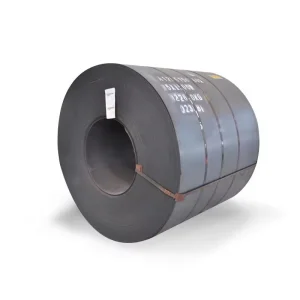
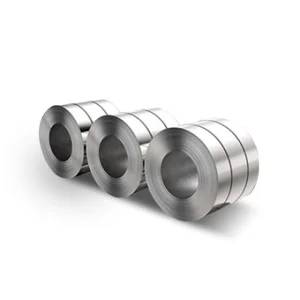
Hot rolled coil (HRC) steel remains the foundational element of the global industrial economy. As a premier OEM supplier, we understand that "hot rolling" is not merely a manufacturing process—it is the bridge between raw iron ore and the finished infrastructure of our modern world. Our commitment to E-E-A-T (Experience, Expertise, Authoritativeness, and Trustworthiness) ensures that we provide more than just material; we provide a structural guarantee for your projects.
In an era of rapid urbanization and industrial expansion, hot rolled steel coils are indispensable. Our solutions cater to high-stress applications including:
The global steel market has shifted from a volume-centric model to a value-added, customized service model. As an OEM manufacturer, we sit at the nexus of this shift. We leverage deep market intelligence to navigate fluctuations in raw material costs, ensuring price stability for our partners. By optimizing our rolling mill throughput and implementing advanced metallurgical controls, we address the common pain points of supply chain volatility—delivering on-spec material on time, regardless of geopolitical or market pressures.
The future of HRC is intrinsically linked to Digitalization and Decarbonization. We are actively integrating IoT sensors within our production lines to track thermodynamic properties in real-time, ensuring uniform grain structure and surface quality. Our roadmap includes:
Navigating international trade requires rigorous adherence to standards. We do not just export steel; we export confidence. Our products undergo stringent quality assurance processes to meet diverse regional requirements:
We provide full documentation for ASTM, JIS, DIN, and GB standards, ensuring your material is audit-ready.
ISO9001:2015 certified facilities with internal laboratories for chemical composition and mechanical stress testing.
Customized packaging, including seaworthy protection, ensuring your coils arrive in pristine condition.
Strict adherence to RoHS and REACH directives, supporting your commitment to sustainable procurement.
Hot rolled steel is manufactured at high temperatures, which makes it easier to form and shape. It is typically less expensive and better suited for heavy structural applications where precise dimensions are not the primary constraint, but toughness and tensile strength are paramount.
Yes. As an OEM factory, we specialize in adjusting rolling parameters to meet specific thickness, width, and coil weight requirements for industrial clients.
We utilize Spectrometric analysis on every batch during the smelting process to ensure carbon, sulfur, and phosphorus levels are strictly within the specified grade tolerances (e.g., Q235B, SS400).