 Baimaoxing
Baimaoxing
Baimaoxing
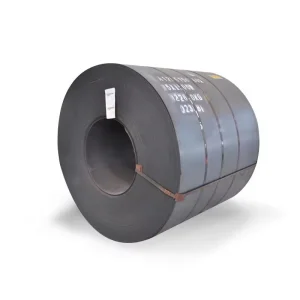
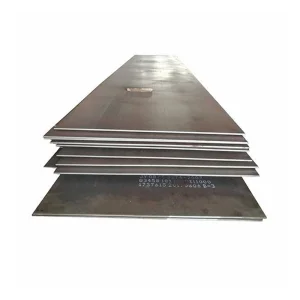
The ASTM A36 hot rolled steel plate remains the backbone of global infrastructure. As a low-carbon structural steel, its versatility is unmatched in construction, bridges, and oil and gas equipment. Currently, the global market is witnessing a shift towards Information Gain (IG) in procurement—where buyers no longer seek just a product, but a data-backed technical solution that includes chemical traceability and lifecycle analysis.
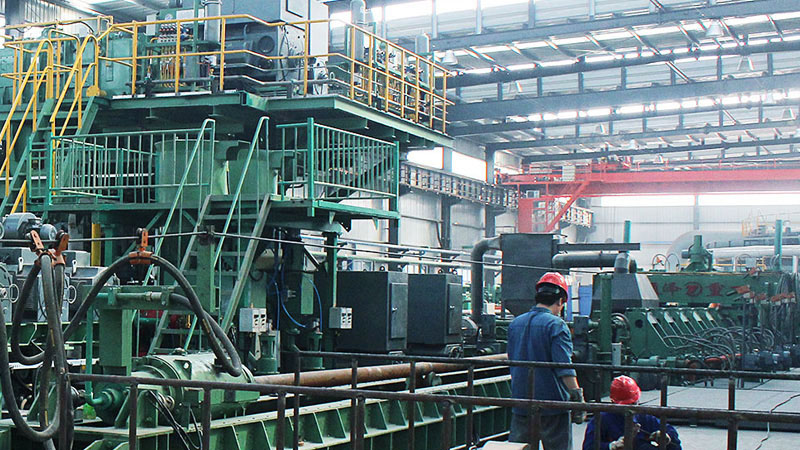
From the bustling shipyards of East Asia to the high-rise skeletal frames in the Middle East, A36 provides the requisite yield strength of 36,000 psi. In the context of 2024-2025, OEM A36 Factories are increasingly integrating AI-driven quality control to ensure that hot-rolling temperatures are optimized for grain refinement, directly impacting the toughness and weldability of the final plate.
Demand for "Green Steel" is surging. Factories are adopting EAF (Electric Arc Furnace) routes to reduce the carbon footprint of A36 production.
Adapting A36 plates for localized climates, such as offshore anti-corrosion treatments for coastal industrial zones.
Direct factory-to-site OEM models are replacing traditional multi-tier distribution to reduce lead times by 30%.
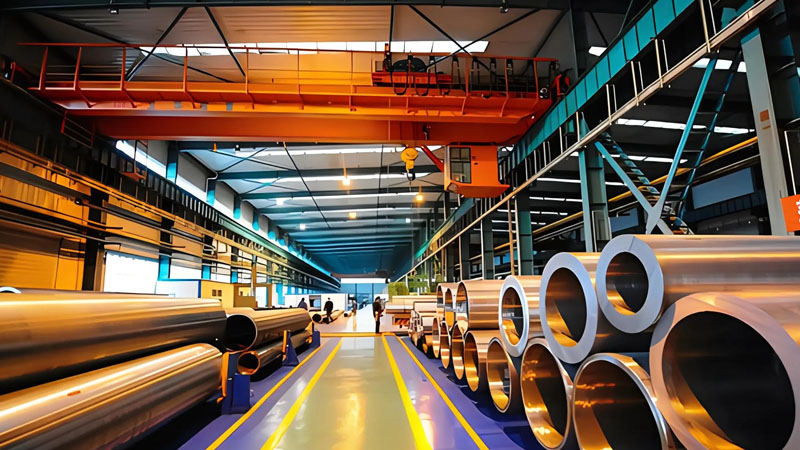
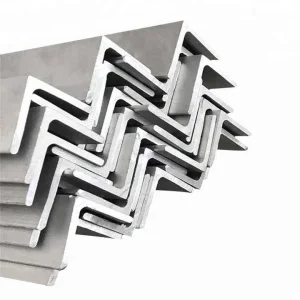
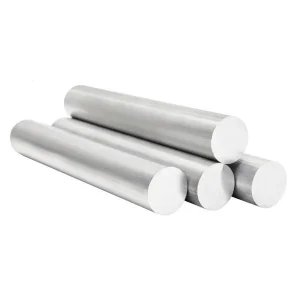
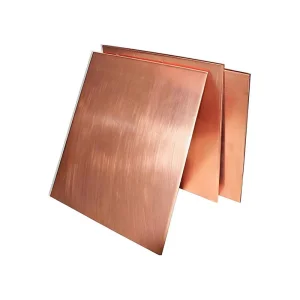
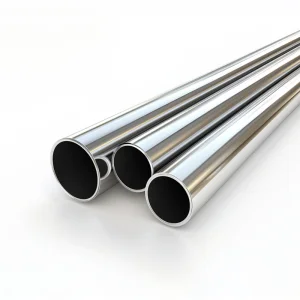
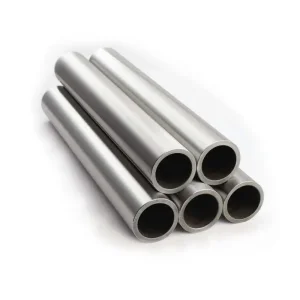
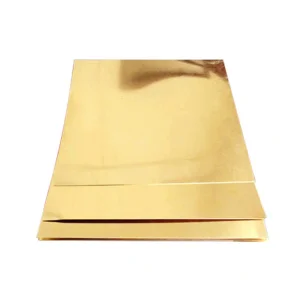
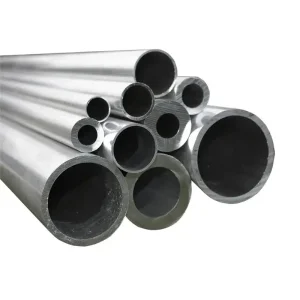
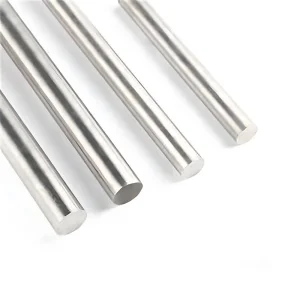
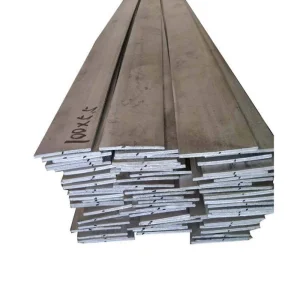
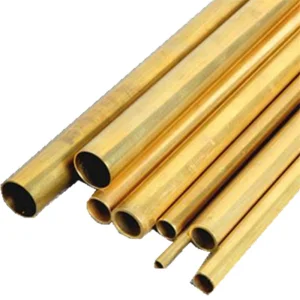
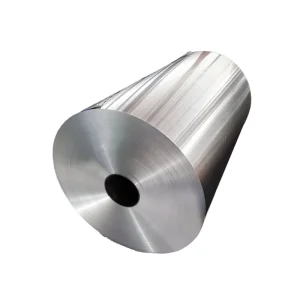
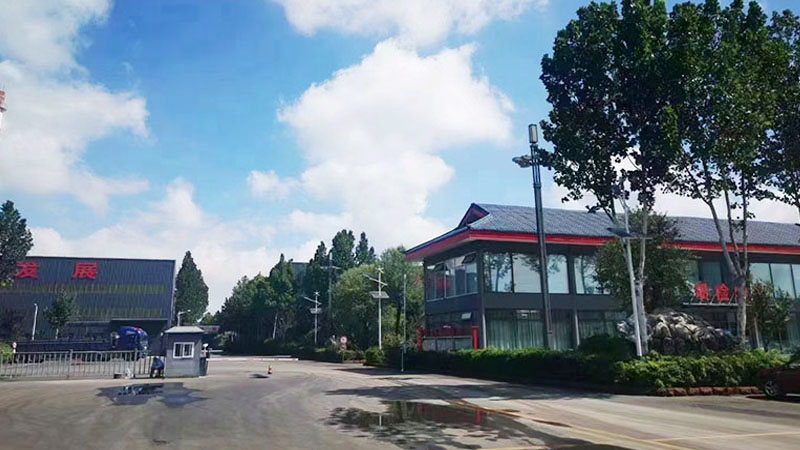
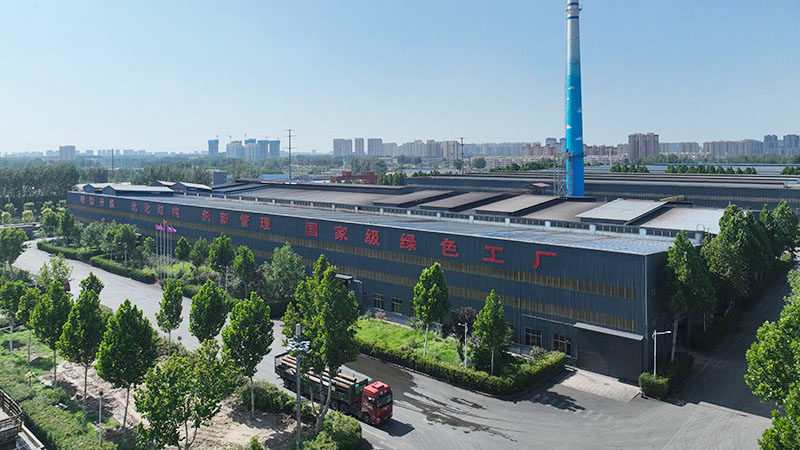
Shandong Baimaoxing Iron and Steel Co., Ltd. is located in Liaocheng City, Shandong Province, China. We are a large steel supplier specializing in research and development, processing, sales, and technical services. Our business covers steel pipes, steel plates, round bars, steel coils, angle bars, flat bars, I-beams, stainless steel plates, stainless steel coils, stainless steel pipes, copper plates, and copper bars, aluminum, and titanium products.
Baimaoxing adopts a scientific management model, and its products are widely used in aerospace, military equipment, petrochemicals, automotive parts, shipbuilding, and precision machining.
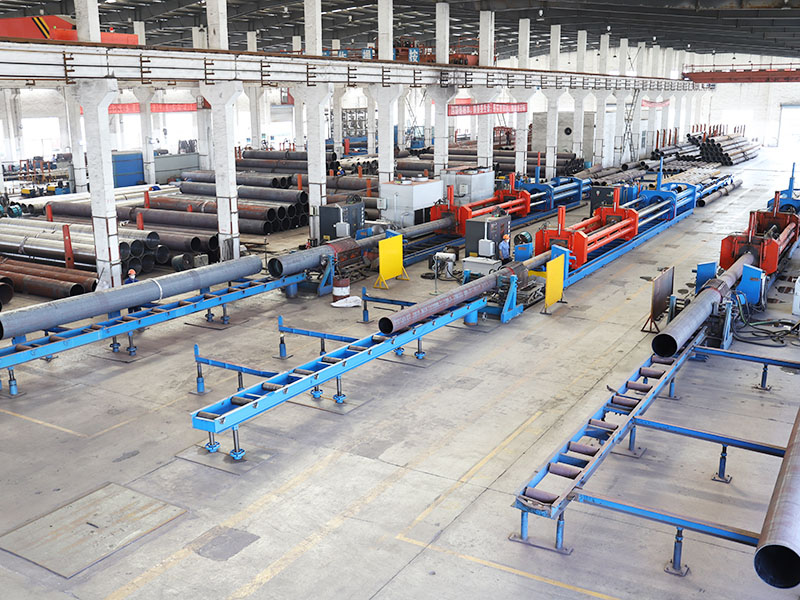
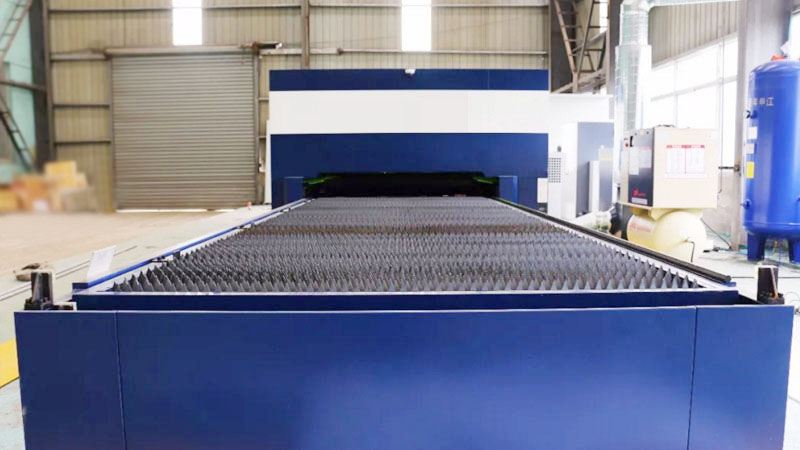
The evolution of Hot Rolled A36 Steel is moving toward high-precision thickness tolerances and surface finishing. Traditional A36 often suffered from scale buildup; however, modern OEM factories utilize Acid Pickling and Oil (P&O) lines to provide a cleaner surface for secondary processing like laser cutting and precision welding.
By 2030, the industry roadmap points toward "Smart Plates"—steel embedded with RFID or laser-etched QR codes that provide instant access to Mill Test Certificates (MTC) and chemical composition data (Carbon, Manganese, Phosphorus, Sulfur, and Silicon content). This transparency is vital for E-E-A-T principles, establishing the Authoritativeness of the manufacturer in the digital procurement space.
Custom structural skeletons for skyscrapers and warehouses.
Corrosion-resistant treated plates for ship hulls and offshore rigs.
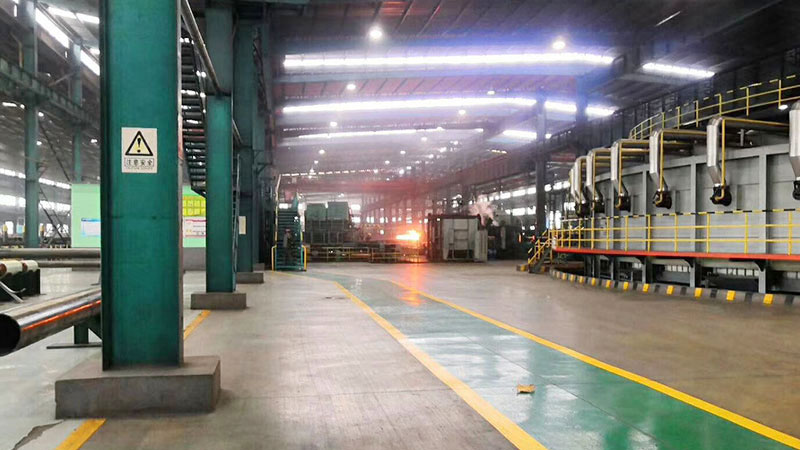
Base plates and components for heavy-duty excavators.
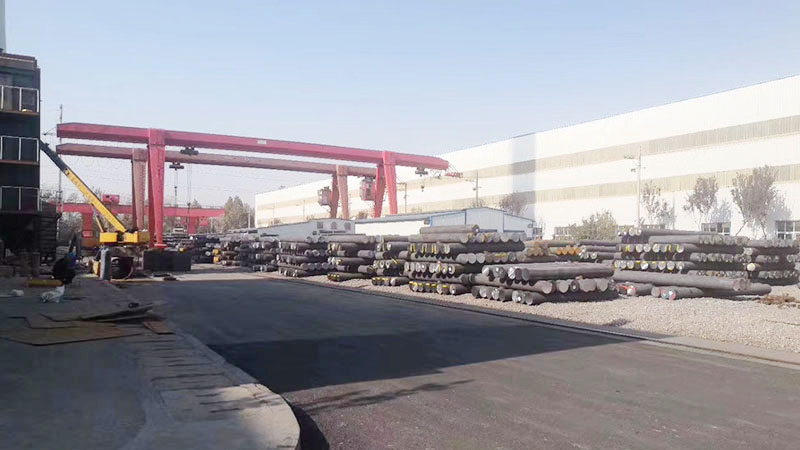
Support structures for wind turbines and solar panel arrays.
A36 is the most commonly used mild and hot-rolled steel. It provides excellent weldability and machinability, and because it has no specific alloying elements other than carbon and manganese, it is highly cost-effective for large-scale structural projects.
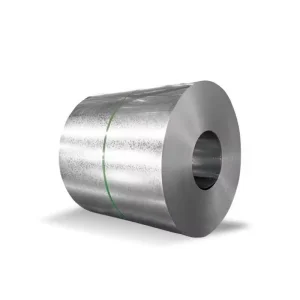
Yes. A36 steel is highly suitable for hot-dip galvanizing due to its low carbon content, which ensures a strong metallurgical bond with the zinc coating, providing decades of corrosion resistance.
Leading factories like Shandong Baimaoxing offer laser/plasma cutting, CNC bending, hole punching, and custom welding to deliver semi-finished components directly to the assembly line.
The hot rolling process (done above recrystallization temperature) allows the steel to be shaped easily into large plates while maintaining a uniform grain structure, which enhances its overall ductility.