 Baimaoxing
Baimaoxing
Baimaoxing
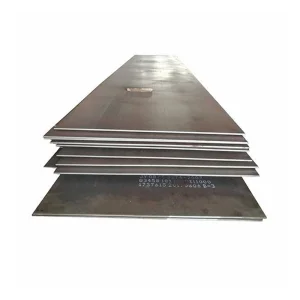
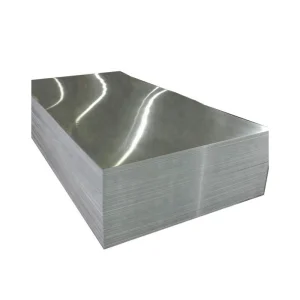
As a leading OEM 420 Stainless Steel Plate Manufacturer, our metallurgical expertise bridges the gap between raw material excellence and precision application. Grade 420 is a high-carbon martensitic stainless steel that provides excellent corrosion resistance when polished and extreme hardness (up to 50 HRC) after heat treatment. At Shandong Baimaoxing Iron and Steel Co., Ltd., we don't just supply plates; we engineer solutions that withstand the most demanding mechanical stresses.
Our 420 stainless steel (UNS S42000) production follows stringent ASTM A240 and EN 10088-2 standards. By providing significant Information Gain through technical transparency, we assist procurement officers and engineers in selecting the optimal thickness and tempering state for their specific manufacturing roadmap.
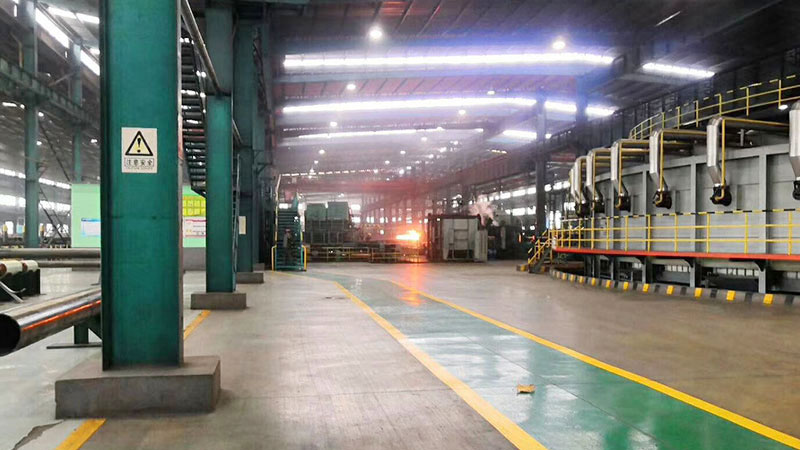
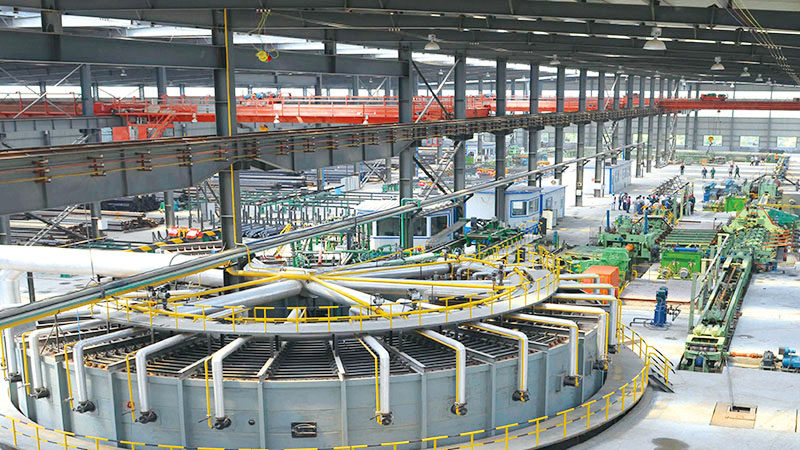
The landscape of 420 stainless steel supply has shifted. Our Liaocheng-based manufacturing hub integrates "Industry 4.0" protocols to ensure that every OEM order is processed with digital precision. For global enterprises, this means more than just low costs—it means supply chain predictability.
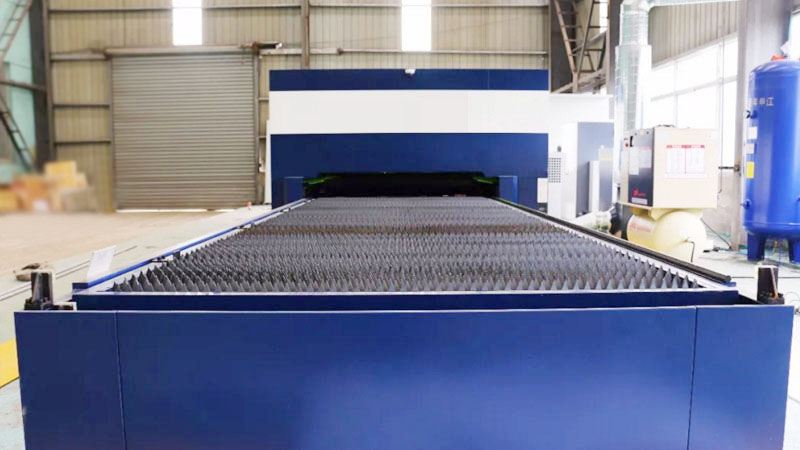
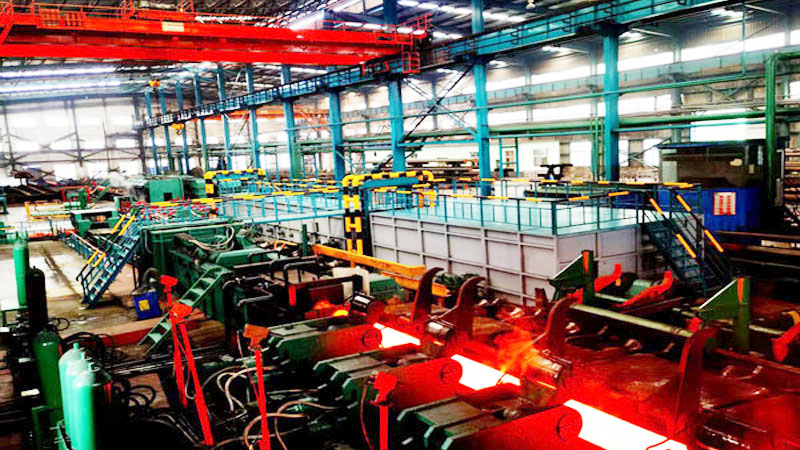
Our cold-rolling and hot-rolling lines utilize AI-driven thickness control systems, maintaining tolerances within +/- 0.02mm, essential for precision mold and cutlery manufacturing.
From the electric arc furnace (EAF) to final surface finishing, every 420 plate batch is tracked via ERP, providing customers with full MTC (Material Test Certificate) transparency.
We implement green manufacturing initiatives, reducing carbon footprints in our alloy production to meet modern ESG (Environmental, Social, and Governance) requirements for global partners.
The future of 420 stainless steel lies in enhancing its metallurgical purity. Our R&D roadmap focuses on three critical pillars to provide our clients with a competitive edge:
For high-end surgical instruments and aerospace components, we are expanding our ESR capacity. This process removes non-metallic inclusions, significantly improving the fatigue strength and polishability of 420 plates.
Moving beyond standard annealing, our future facilities include continuous bright annealing lines to ensure a scale-free surface, reducing post-processing costs for our OEM partners.
Integrating PVD (Physical Vapor Deposition) compatibility into our 420 plates, allowing for DLC (Diamond-Like Carbon) coatings that extend tool life by 300% in industrial applications.
Understanding the "Search Intent" of engineers involves looking at the macro-level challenges 420 stainless steel solves. It is the "workhorse" grade for environments requiring both moderate corrosion resistance and high mechanical strength.
Used for surgical scalpels, forceps, and needle holders. Our 420 plates offer the necessary "edge retention" after repeated sterilization cycles.
Ideal for valve seats, pump shafts, and needle valves. It resists erosion and cavitation in high-pressure fluid environments.
The standard for high-end kitchen cutlery and scissors, where a balance of stain resistance and sharpenability is paramount.
Highly favored for plastic injection molds due to its excellent thermal conductivity and resistance to corrosive plastics like PVC.
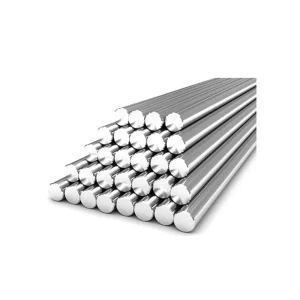
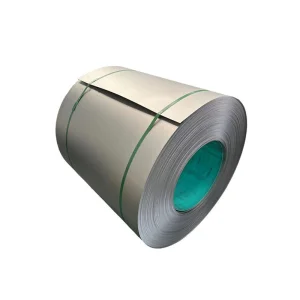
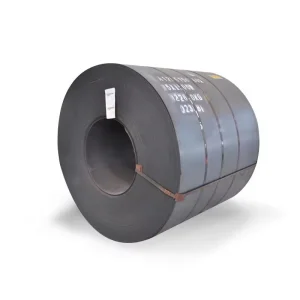
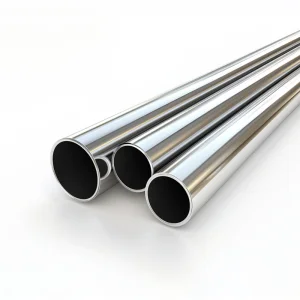
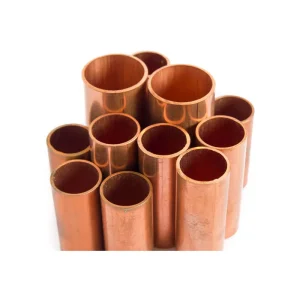
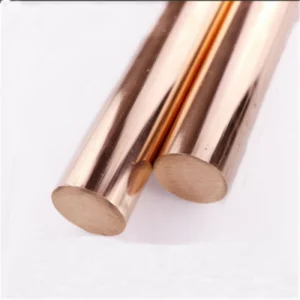
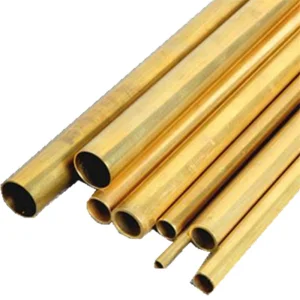
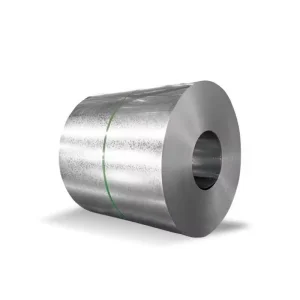
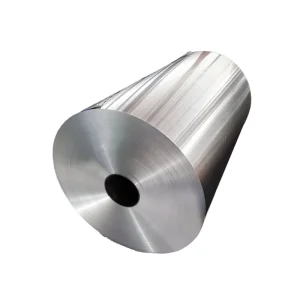
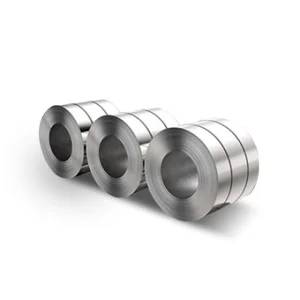
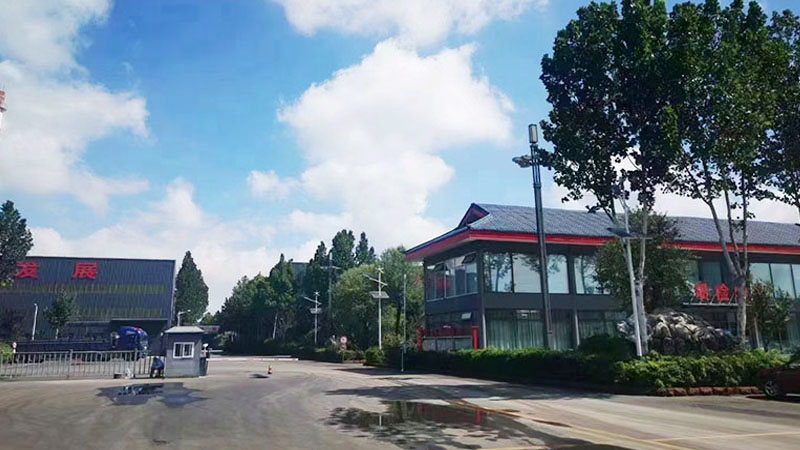
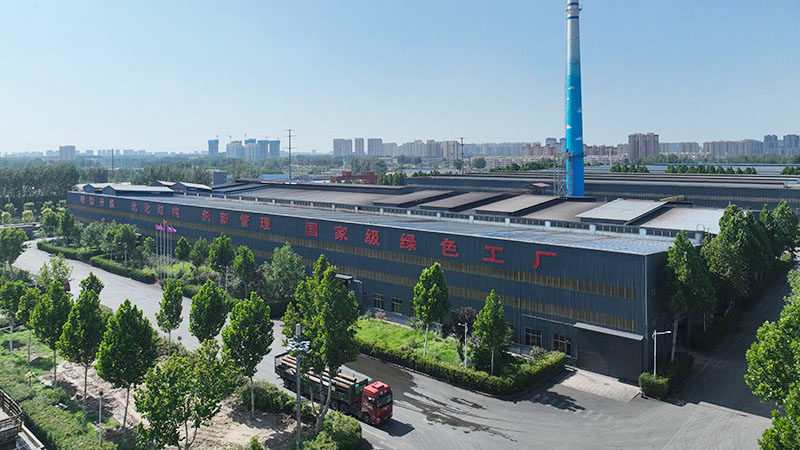
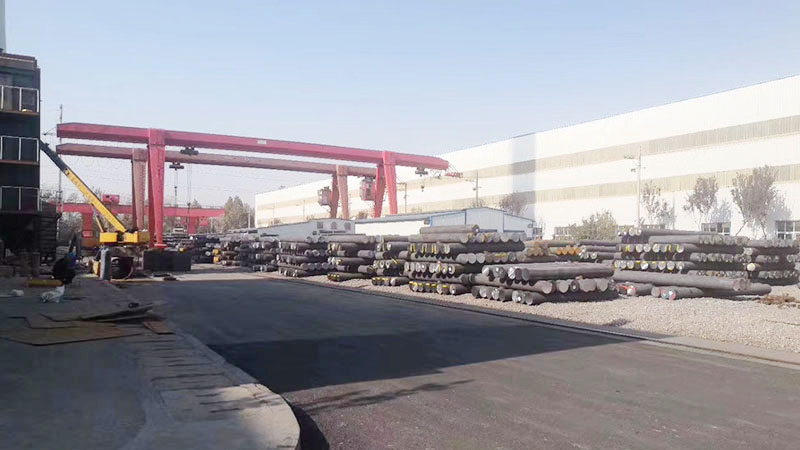
Shandong Baimaoxing Iron and Steel Co., Ltd. is located in Liaocheng City, Shandong Province, China. We are a large steel supplier specializing in research and development, processing, sales, and technical services. Our business covers steel pipes, steel plates, round bars, steel coils, angle bars, flat bars, I-beams, stainless steel plates, stainless steel coils, stainless steel pipes, copper plates, and copper bars, aluminum plates, titanium rods, and more.
Baimaoxing adopts a scientific management model, and its products are widely used in industries such as aerospace, military equipment, petrochemicals, automotive parts, shipbuilding, precision machining, and engineering machinery.
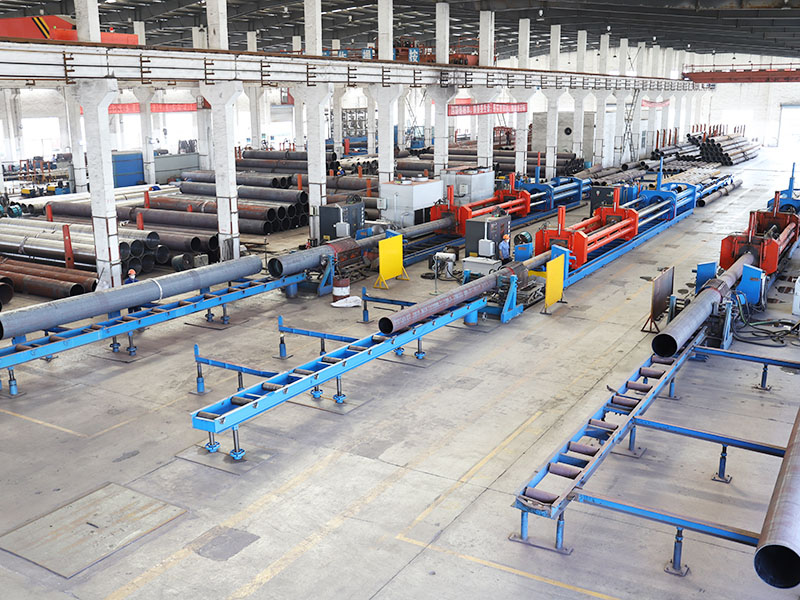
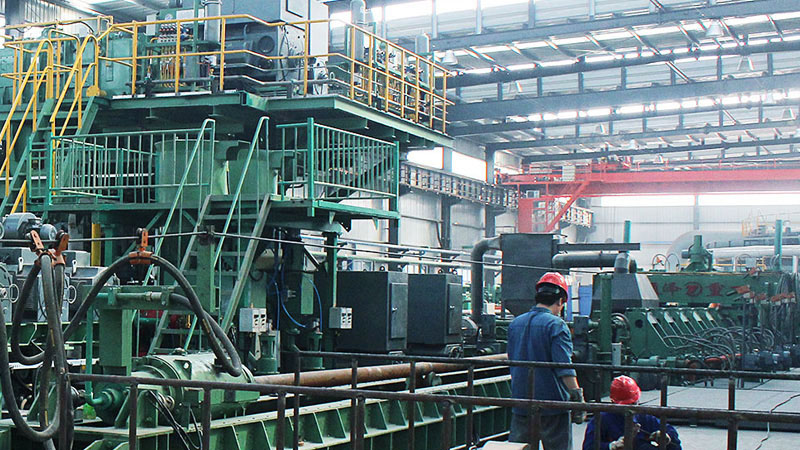
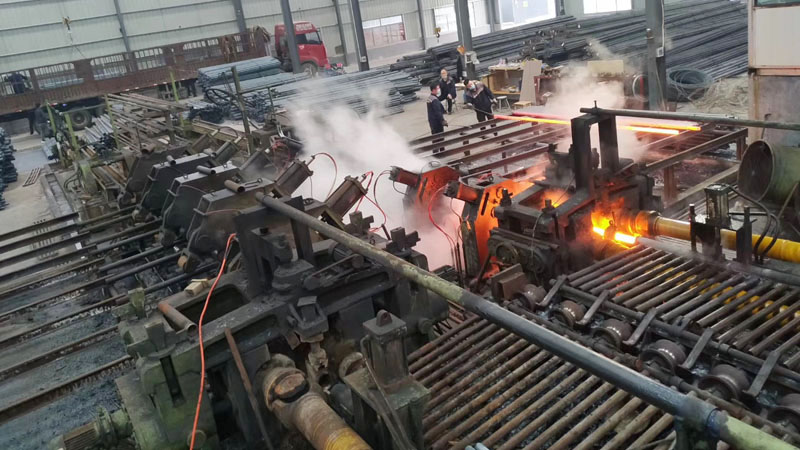
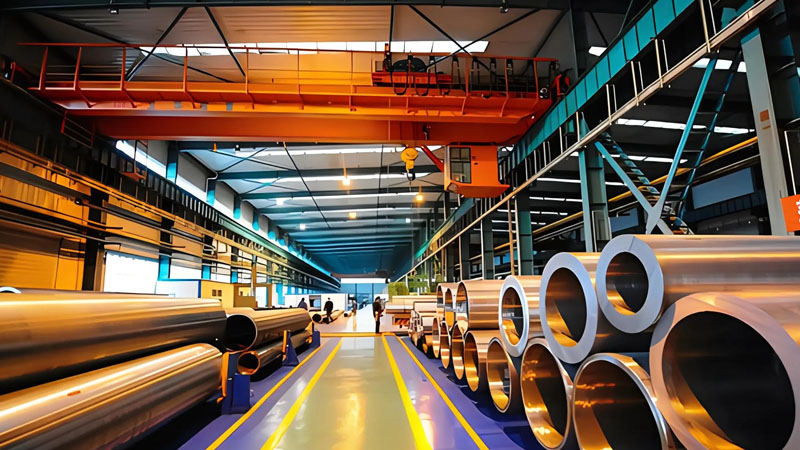
We provide customers with steel and its deep processed products, as well as customized, specialized, and one-stop services.
Tonghui has a large number of outstanding professionals with many years of work experience in the metallurgy industry.
ISO9001:2015 certified, and some products have obtained SGS environmental testing reports, complying with EU ROHS standards.
For international buyers, navigating local regulations is critical. Our OEM 420 Stainless Steel Plate export division provides comprehensive localization support:
Full compliance with REACH and RoHS standards, ensuring our stainless steel is safe for use in European and North American consumer markets.
Strategic proximity to major ports like Qingdao allows for optimized shipping schedules, reducing lead times for critical industrial projects.
Technical documentation, MTCs, and consultation are available in multiple languages to facilitate seamless communication between our engineers and your procurement team.
A: Yes, but with caution. Due to its high hardenability, pre-heating to 200-300°C and post-weld annealing are required to prevent cracking. We recommend using Grade 420 filler rods for matching properties.
A: 420 contains higher carbon than 410, which allows it to reach much higher hardness levels. While 410 is used for general purpose strength, 420 is the choice for wear resistance and cutting edges.
A: Like all martensitic grades, its corrosion resistance is lower than austenitic grades (like 304). However, when fully hardened and surface polished, it exhibits excellent resistance to atmosphere, foods, and mild acids.
A: We offer 2B, BA, No.4, and Mirror finishes. For industrial molds, we provide precision-ground finishes to meet specific RA roughness requirements.
420 stainless steel is characterized by its martensitic structure, which is achieved through a specific cooling process from an austenitic state. The primary alloying element, Chromium (typically 12-14%), provides the baseline corrosion resistance. However, it is the Carbon content (0.15% to 0.40%) that allows for the thermal transformation into a body-centered tetragonal (BCT) lattice structure, resulting in high hardness. As a leading supplier, we ensure that the sulfur and phosphorus levels are kept to a minimum (typically <0.03%), which enhances the steel's toughness and prevents "hot shortness" during the forging of 420 stainless steel plates.
Market demand for 420 stainless steel plates is projected to grow by 4.5% CAGR through 2030, driven largely by the medical device sector and automated food processing lines. Global enterprises looking for OEM 420 stainless steel plate manufacturers are increasingly prioritizing suppliers who can provide sub-millimeter precision and high-volume consistency. Our factory in Liaocheng is positioned at the center of the Chinese steel ecosystem, allowing us to source high-purity ferro-alloys and utilize state-of-the-art cold-reduction mills to meet these evolving global demands.