 Baimaoxing
Baimaoxing
Baimaoxing
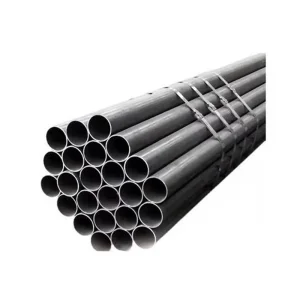
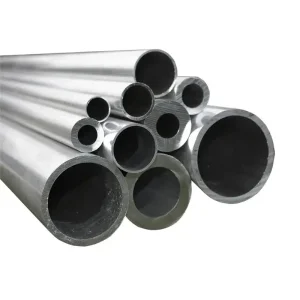
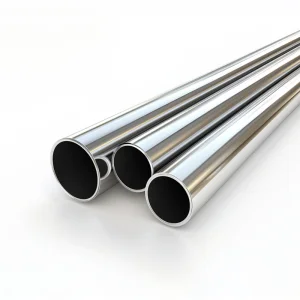
4140 alloy steel, categorized under the ASTM A519 standard for seamless mechanical tubing, is a chromium-molybdenum through-hardening steel. It is widely recognized for its exceptional strength-to-weight ratio, toughness, and high fatigue strength. As a premier 4140 alloy steel tube supplier, we recognize that the modern industrial landscape demands materials that can withstand extreme stresses while maintaining dimensional stability.
The "4140" designation signifies its chemical composition: approximately 1% chromium and 0.2% molybdenum. These elements work synergistically to provide better deep-hardening characteristics than standard carbon steels. In the global market, 4140 tubing is often supplied in various conditions, including Annealed, Normalized, and the highly sought-after Quenched and Tempered (Q&T) state, which optimizes its mechanical properties for high-load applications.
The global demand for 4140 alloy steel tubes is surging, driven primarily by the revitalization of the Oil & Gas sector, the rapid expansion of the electric vehicle (EV) supply chain, and the modernization of aerospace components. Traditionally, Western manufacturers held the monopoly on high-grade alloy production. However, a significant shift has occurred toward high-efficiency Asian manufacturing hubs, particularly China.
Current industrial trends indicate a preference for seamless 4140 tubes over welded alternatives due to their superior pressure ratings and uniformity. In Europe and North America, the focus is on "Net-Zero" manufacturing, leading to a demand for steel produced with lower carbon footprints. Meanwhile, emerging economies are utilizing 4140 tubing for massive infrastructure projects, requiring immense quantities of high-strength fasteners, hydraulic cylinders, and transmission shafts.
Used for drill collars, subs, and high-pressure fluid transportation where corrosive resistance and high torque are essential.
Critical for axle shafts, steering knuckles, and crankshaft components in both ICE and heavy-duty EV platforms.
Specified for structural components that require high fatigue resistance and the ability to operate under extreme temperature fluctuations.
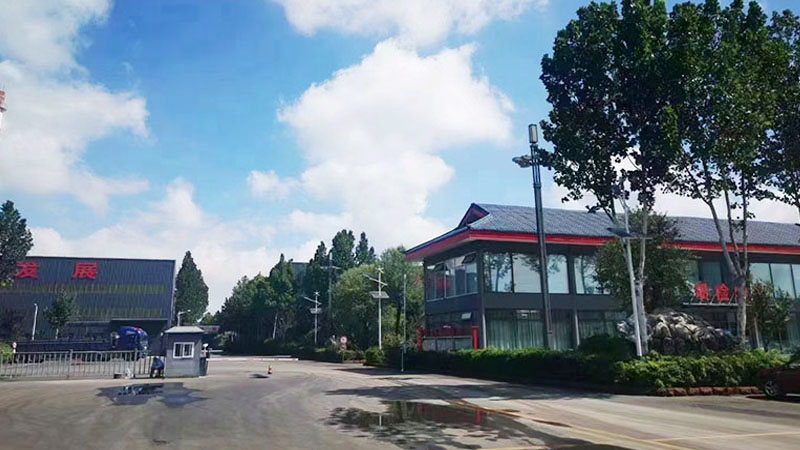
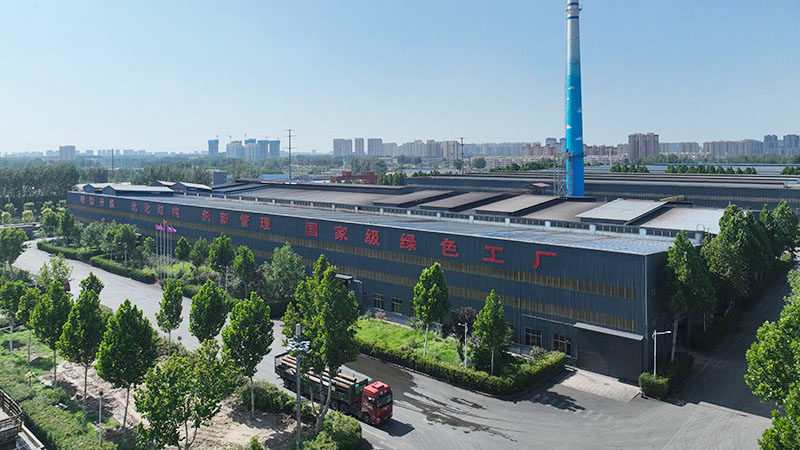
Located in Liaocheng City, Shandong Province, Shandong Baimaoxing Iron and Steel Co., Ltd. is a titan in the Chinese steel industry. We specialize in R&D, precision processing, and global distribution of 4140 alloy steel tubes, stainless steel, and non-ferrous metals.
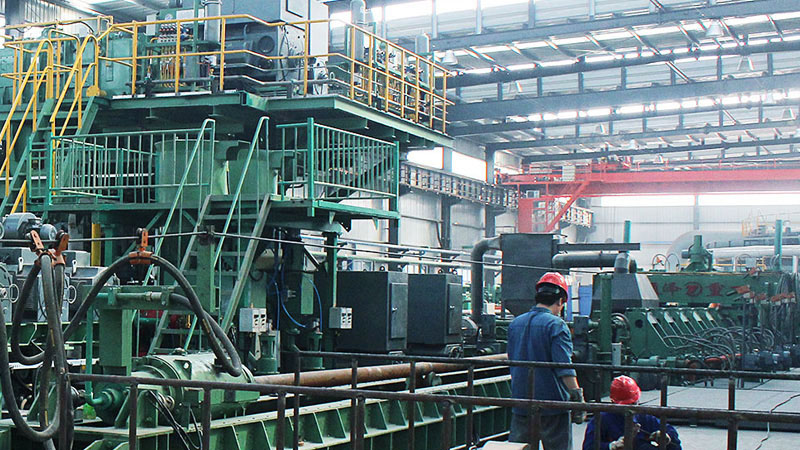
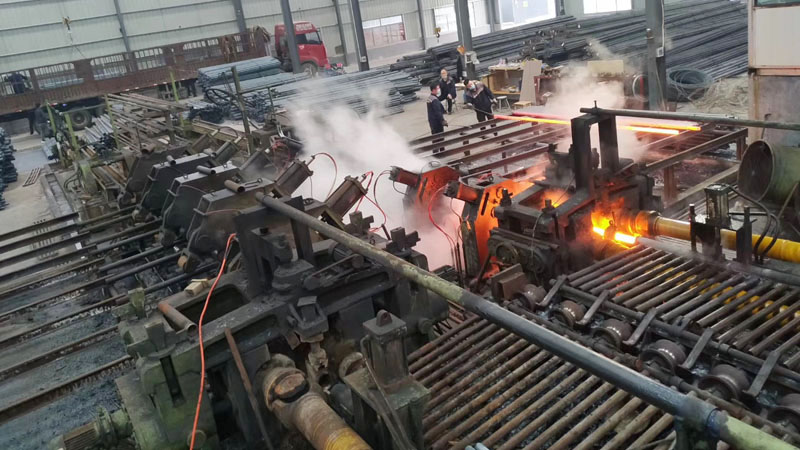
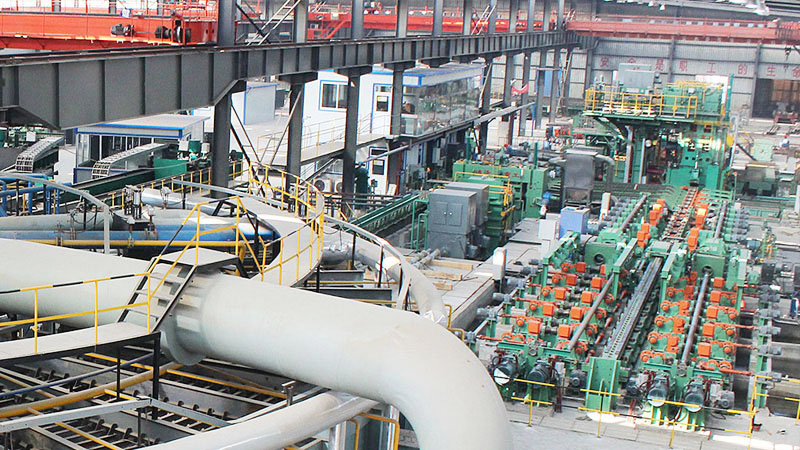
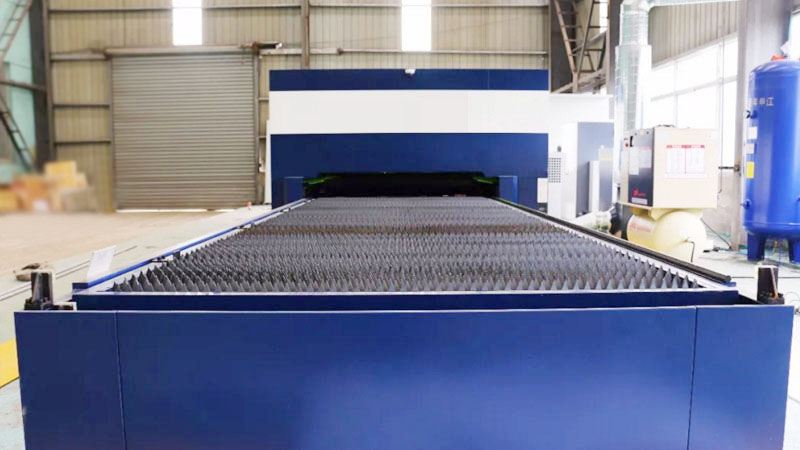
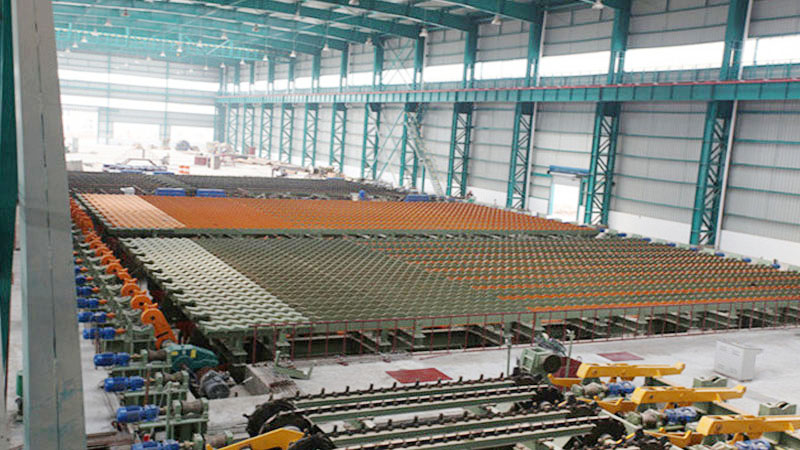
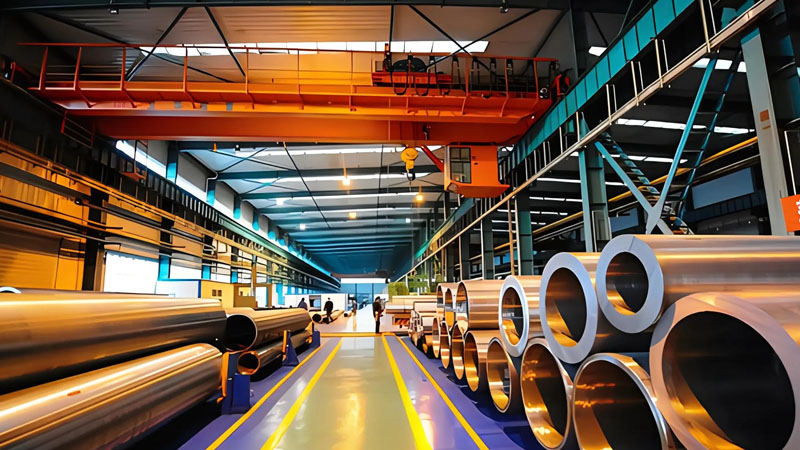
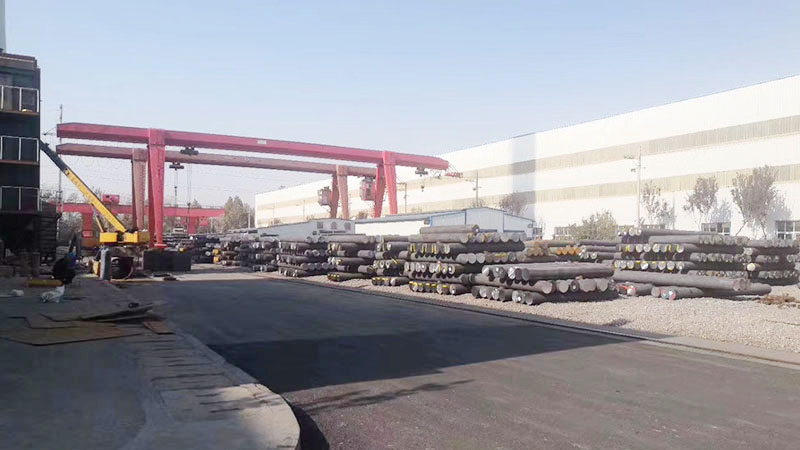
The "China Efficiency" in 4140 alloy steel production isn't just about labor costs; it's about integrated supply chain ecosystems. In regions like Shandong, the proximity of raw material refineries to high-precision cold-drawing mills and heat treatment facilities reduces lead times by up to 40% compared to Western counterparts.
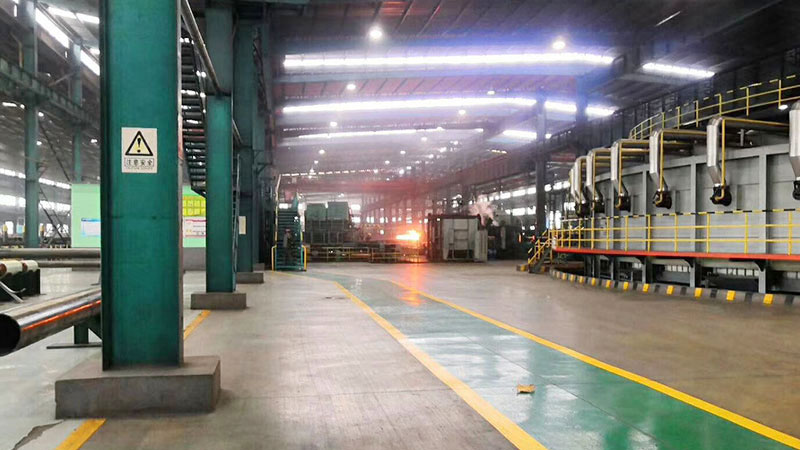
Modern Chinese 4140 alloy steel factories utilize automated rolling mills and real-time ultrasonic flaw detection. We don't just supply tubes; we provide "ready-to-use" components through advanced services:
For global procurement officers, the challenge is balancing cost with quality assurance. The trend is moving toward Information Gain—buyers now demand full traceability of the melt heat, chemical reports, and grain size analysis. To ensure the highest E-E-A-T (Experience, Expertise, Authoritativeness, Trustworthiness) standards, our factory provides a comprehensive MTC (Mill Test Certificate) with every shipment.
4140 tubes serve as the pivot pins and structural joints in excavators and cranes, where impact resistance is non-negotiable.
Machine tool spindles and collets require the dimensional stability that only high-grade 4140 annealed tubing can provide.
High-pressure telescopic cylinders in dump trucks utilize the high yield strength of 4140 to reduce wall thickness and weight.
In the petroleum industry, 4140 is the standard for completion tools and wellhead equipment due to its reliability in harsh environments.
4140 contains more carbon (0.38-0.43%) compared to 4130 (0.28-0.33%). This makes 4140 more suitable for applications requiring higher strength and hardness, while 4130 is preferred for its superior weldability in thinner wall sections.
Yes, but it requires care. Due to its higher carbon content, pre-heating and post-weld heat treatment (PWHT) are strongly recommended to prevent hydrogen cracking and maintain the material's toughness.
Standard sizes are usually in stock for immediate shipment. Custom dimensions or specific heat treatments (like specialized Q&T cycles) typically range from 2 to 4 weeks, significantly faster than many international competitors.
While 4140 has better corrosion resistance than plain carbon steel due to chromium, it is not "stainless." In corrosive environments, it should be plated (chrome/zinc) or coated to prevent oxidation.