 Baimaoxing
Baimaoxing
Baimaoxing
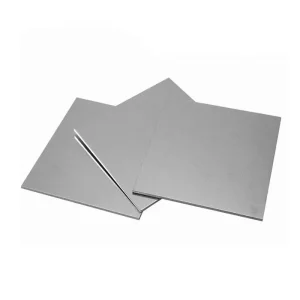
In the current era of industrial decarbonization and high-efficiency thermal processing, 321 Stainless Steel (UNS S32100) has emerged as a cornerstone material. Unlike standard 304 grades, the 321 variant is stabilized with Titanium, specifically engineered to withstand the 427°C to 816°C temperature range without the risk of intergranular corrosion.
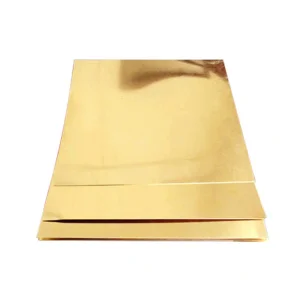
Globally, the demand for 321 stainless steel plates has seen a 12% CAGR within the aerospace and heavy chemical sectors. As a top-tier factory, we address the "Information Gain" by providing data-backed assurance that our plates maintain structural integrity where others fail. Our technical roadmap focuses on reducing sulfur impurities to further enhance weldability in high-stress environments.
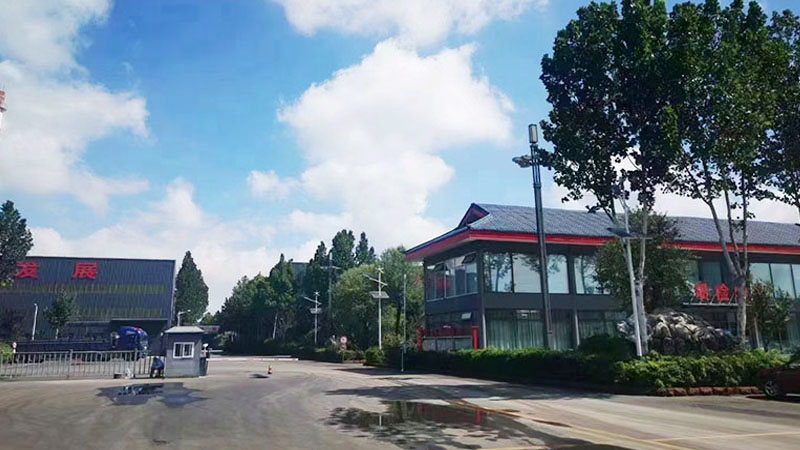
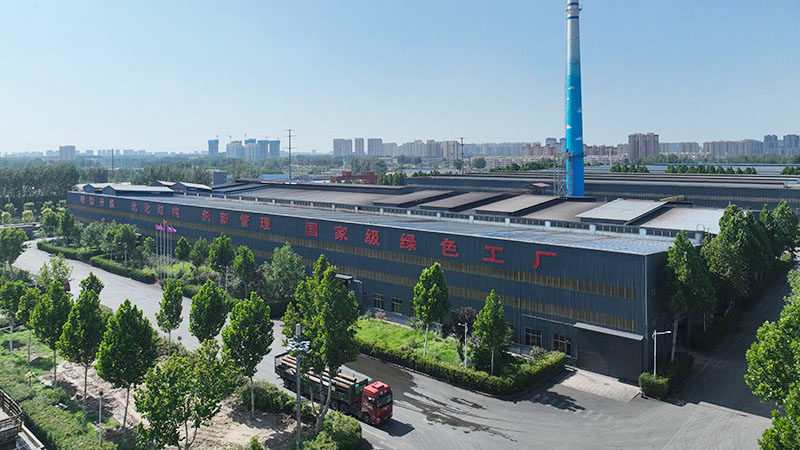
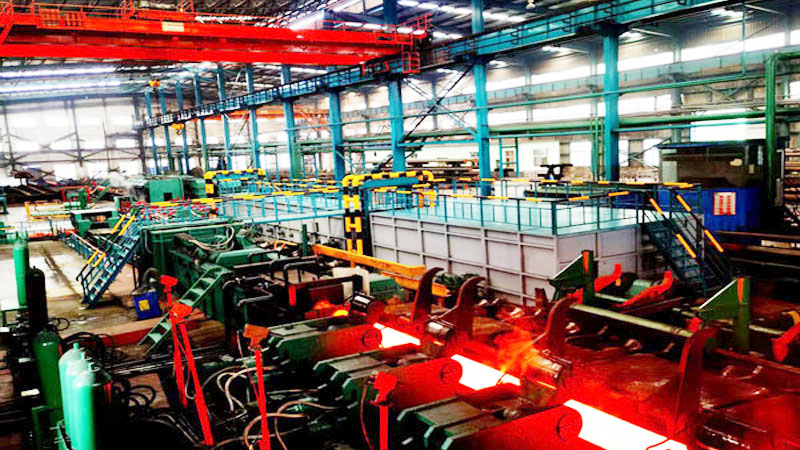
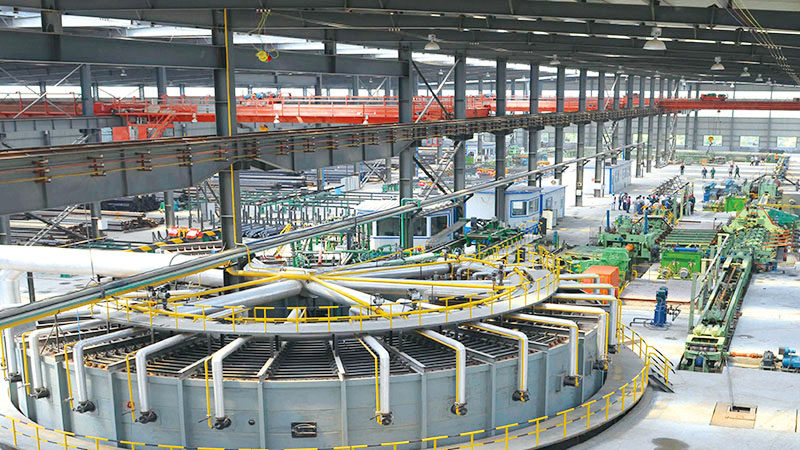
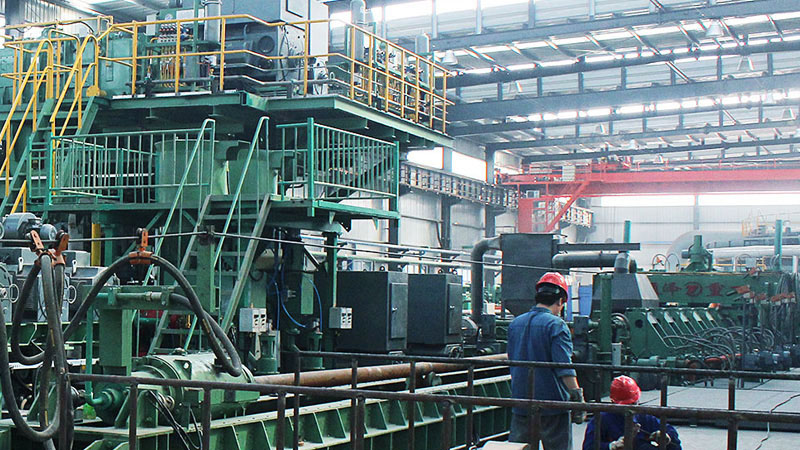
Located in Liaocheng City, Shandong Province, China, Shandong Baimaoxing Iron and Steel Co., Ltd. is a premier large-scale steel supplier. We specialize in research, development, processing, and comprehensive technical services across a vast product spectrum.
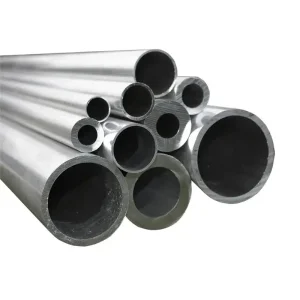
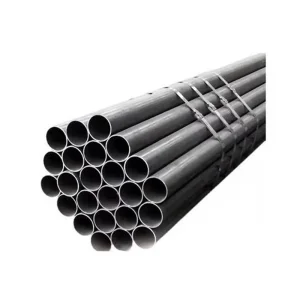
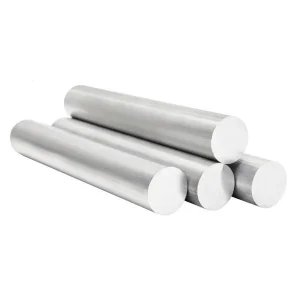
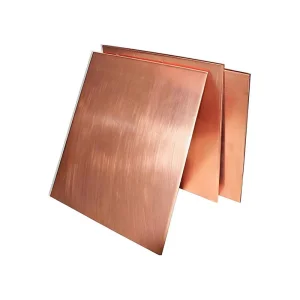
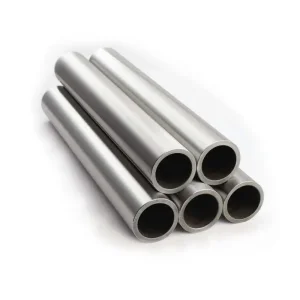
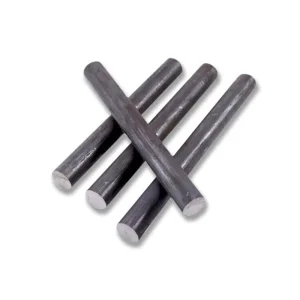
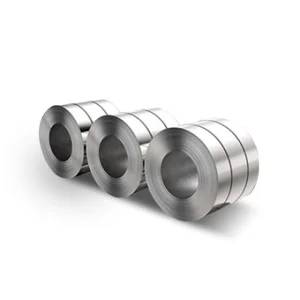
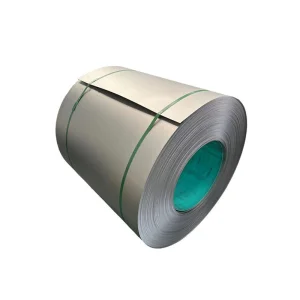
Our core business encompasses 321 stainless steel plates, stainless steel coils, pipes, and specialized alloys. Baimaoxing adopts a scientific management model, ensuring our products excel in aerospace, military equipment, petrochemicals, and precision machining. We are not just a factory; we are a strategic partner in your supply chain.
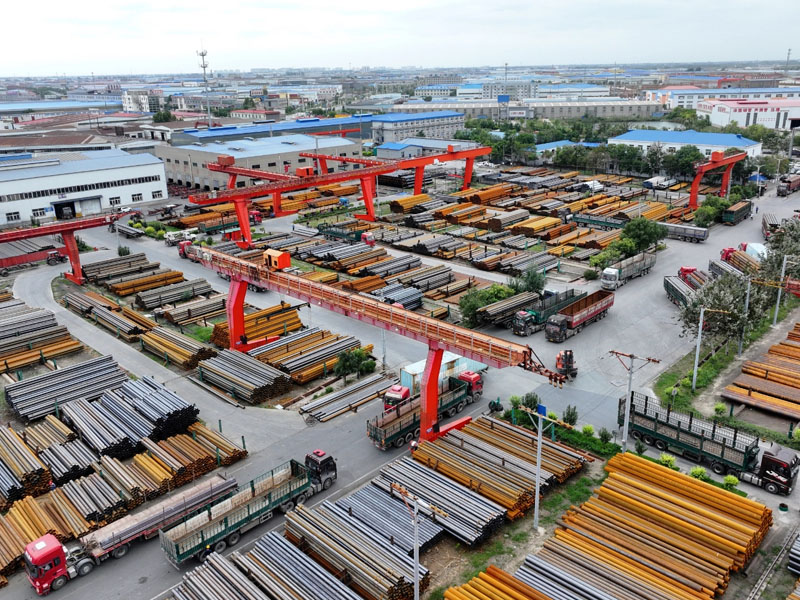
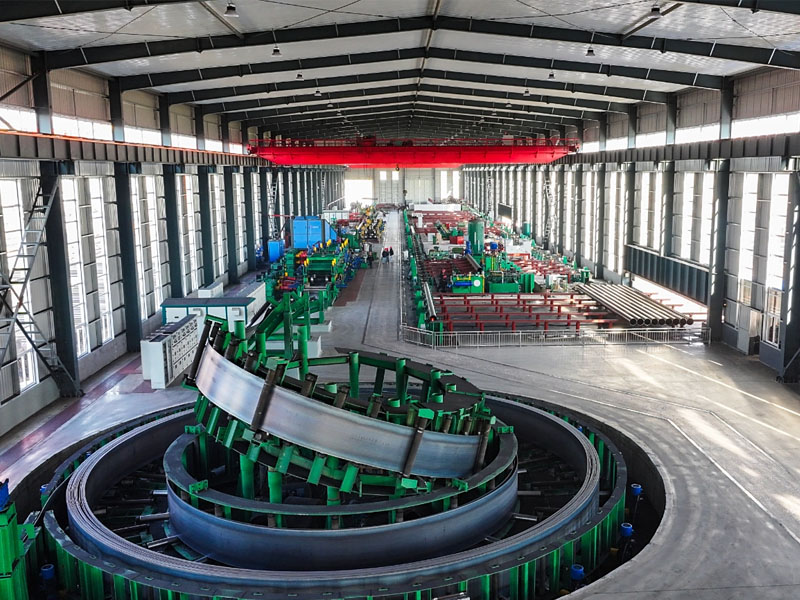
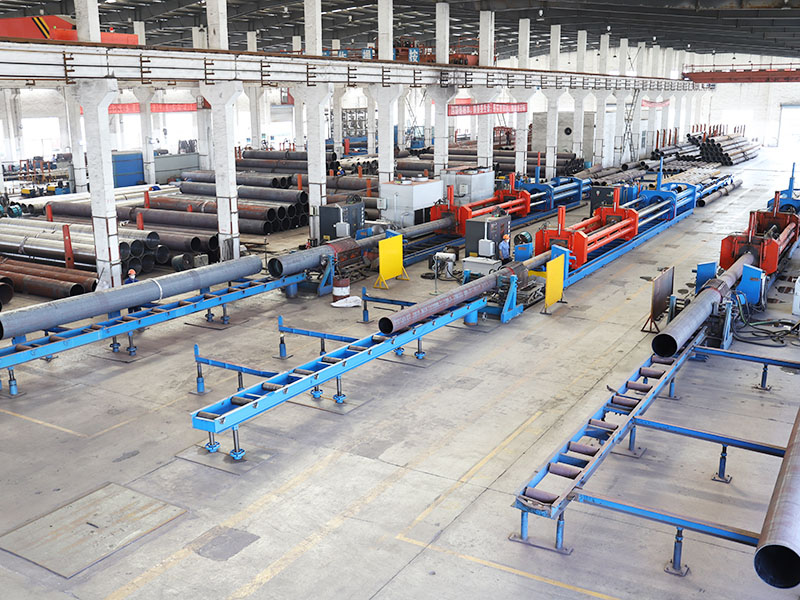
In the localized aerospace manufacturing hubs of North America and EU, 321 plates are critical for aircraft exhaust stacks and jet engine parts. Our factory provides full traceability and ASTM compliance to meet stringent military standards.
For Middle Eastern refineries, we offer 321 plates with enhanced resistance to polythionic acid stress corrosion cracking during shutdown periods, ensuring long-term refinery uptime.
Localized support for thermal power plants involves providing cut-to-size 321 plates for superheater tubes and heat exchanger shells, capable of withstanding cyclical thermal loading.
High-performance localized automotive markets (Germany, Japan) utilize our 321 stainless steel for manifold production where exhaust temperatures frequently exceed the limits of 304 or 409 grades.
As we look toward 2030, our factory is investing in Nano-Stabilization Technology. By optimizing the distribution of Titanium Carbonitrides at the molecular level, we aim to produce a "Super-321" grade with even higher creep strength. Our roadmap includes integrating AI-driven defect detection in our rolling mills to ensure a 0% failure rate in critical deep-sea and space exploration applications.
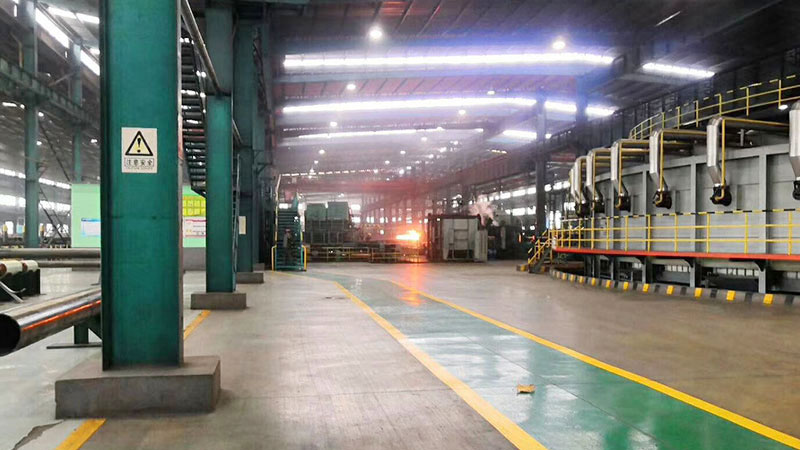
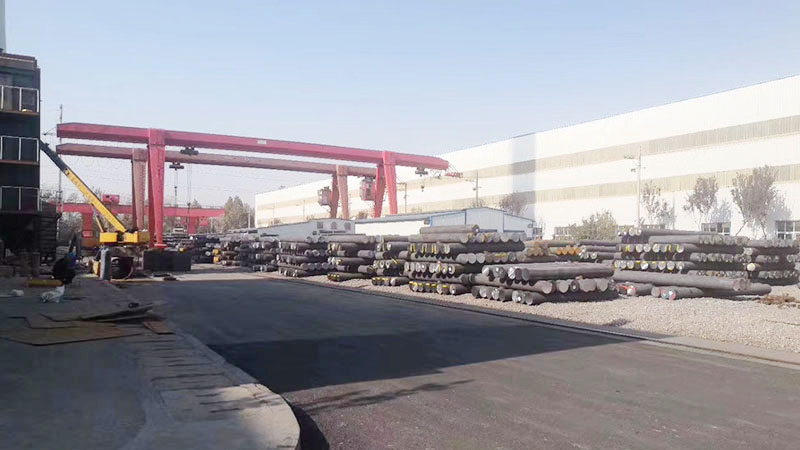
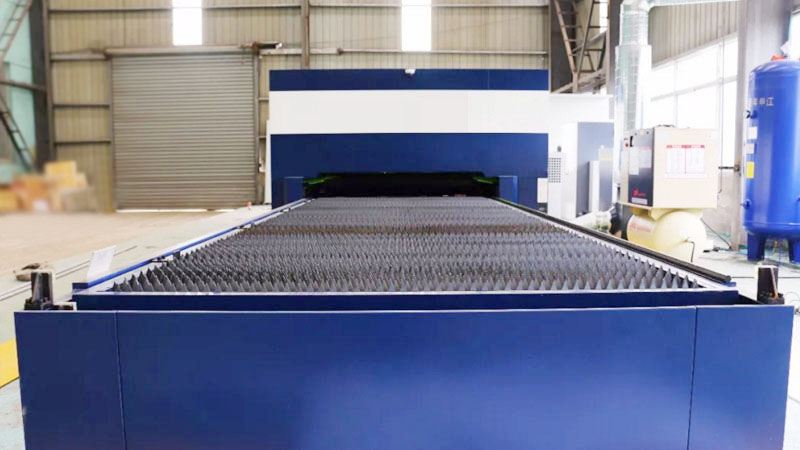
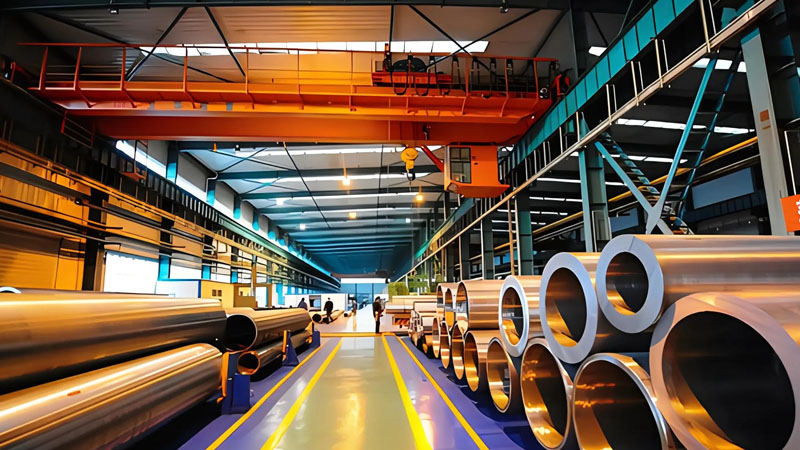
We provide customers with steel and its deep processed products, as well as customized, specialized, and one-stop services. From raw plate to precision laser cutting and bending.
Tonghui and Baimaoxing house a large number of outstanding professionals with many years of metallurgical experience, offering technical consulting for complex project specifications.
ISO9001:2015 certification. Some products have obtained SGS environmental testing reports, complying with the EU ROHS standards and ASTM A240 technical requirements.
The core difference is the addition of Titanium. Titanium has a higher affinity for Carbon than Chromium does. In the sensitized temperature range (427-816°C), Titanium forms Titanium Carbides instead of Chromium Carbides, thus preventing the depletion of Chromium at the grain boundaries and stopping intergranular corrosion.
Yes, 321 is highly weldable. However, it is recommended to use 347 filler metals (stabilized with Columbium/Niobium) or 321 filler. Because Titanium does not transfer well across a high-temperature arc, 347 is often the preferred filler for localized weld zones.
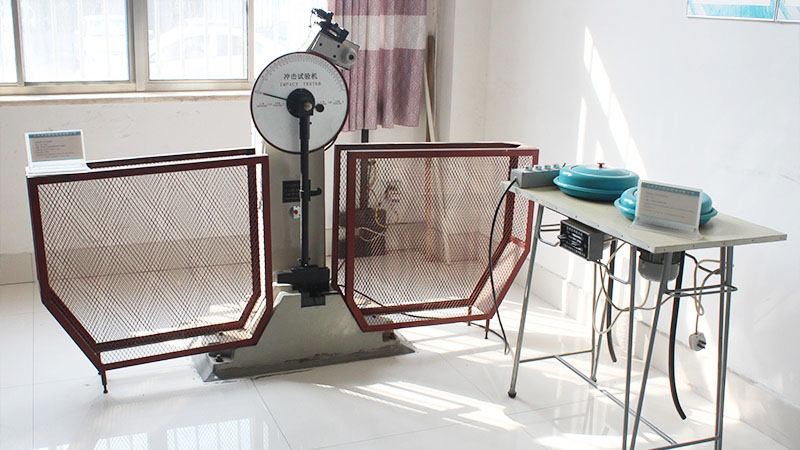
We perform rigorous heat treatment (Solution Annealing) and provide Mill Test Certificates (MTC) that verify the Titanium to Carbon ratio (typically Ti = 5 x (C+N) min). We also conduct hydrostatic and ultrasonic testing upon request.
Our factory produces 321 plates ranging from 0.3mm to 100mm in thickness, with widths up to 2500mm. We offer surface finishes including 2B, NO.1, BA, and HL (Hairline) for architectural or industrial needs.
Like other austenitic grades, 321 is essentially non-magnetic in the annealed condition. However, it may become slightly magnetic after cold working or welding due to the formation of martensite or delta ferrite.