 Baimaoxing
Baimaoxing
Baimaoxing
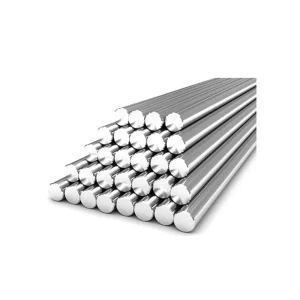
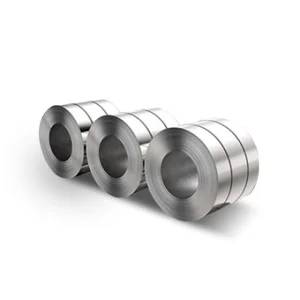
Germany, the powerhouse of European manufacturing, operates on the bedrock of precision, efficiency, and uncompromising quality standards. As industries such as automotive, aerospace, renewable energy, and pharmaceutical processing continue to evolve, the demand for high-grade stainless steel suppliers has never been more critical. Procurement professionals in Germany are increasingly looking beyond local borders, integrating high-quality Asian manufacturing capabilities with German engineering requirements. This whitepaper analyzes the synergy between global stainless steel production and the stringent demands of the German market.
Germany's "Mittelstand" companies and large-scale industrial conglomerates prioritize ISO 9001 compliance, environmental sustainability (REACH/RoHS), and supply chain resilience. Stainless steel is the lifeblood of German infrastructure, from the high-pressure environments of chemical plants in Ludwigshafen to the automotive production lines in Wolfsburg. Accessing high-quality 304, 316L, and specialized alloy grades requires suppliers who understand not just the material specifications, but the logistical and regulatory complexities of the German market.
Modern procurement in Germany is no longer solely about price; it is about "Total Value of Ownership" (TVO). This includes:
The stainless steel industry is currently undergoing a "Green Transformation." German demand is pivoting towards low-carbon production methods. Suppliers integrating advanced manufacturing—such as laser-welding, precision CNC machining, and automated rolling processes—are gaining market share. The future of the industry lies in Industry 4.0, where IoT-enabled manufacturing lines predict material defects and optimize energy usage during the smelting and finishing processes.
Partnering with a supplier that bridges the gap between China’s manufacturing capacity and German standards is the winning strategy. Our approach focuses on:
Q: What standards do your stainless steel products meet for the German market?
A: We rigorously follow international and European standards, including DIN, EN, ASTM, and ASME. Our products are tested to ensure they meet the mechanical and chemical requirements specified by German engineering standards.
Q: How do you handle supply chain transparency as required by German law?
A: We maintain comprehensive documentation for every production batch. We are prepared to assist our German partners in fulfilling their Supply Chain Due Diligence Act obligations by providing factory audits, ESG reports, and material origin transparency.
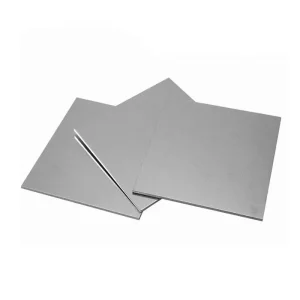
Q: Is it possible to get customized dimensions for 316L plates?
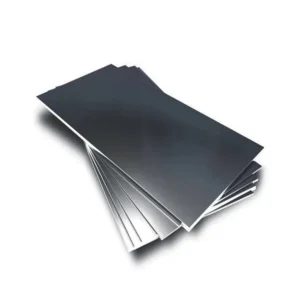
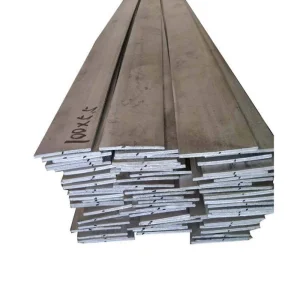
A: Absolutely. Our state-of-the-art facilities offer custom cutting, bending, and finishing services. Whether you require specific sheet thicknesses or precision-cut flat bars, our engineering team works directly from your CAD files.
Q: What is the lead time for shipping to Germany?
A: We utilize optimized logistics routes from major Chinese ports to European hubs. Depending on volume and shipping method (sea vs. rail), we provide transparent, tracked timelines to ensure your production schedule remains uninterrupted.