 Baimaoxing
Baimaoxing
Baimaoxing
Norway represents a unique, high-barrier market for carbon steel manufacturers. With its heavy focus on maritime industries, offshore oil & gas, and infrastructure development, the demand for high-strength, corrosion-resistant carbon steel is consistent. Unlike general construction markets, Norwegian procurement requires strict adherence to European norms (EN standards), such as EN 10025, ensuring safety in extreme sub-arctic and marine conditions.
As a global steel partner, we bridge the gap between high-volume, cost-effective Chinese manufacturing and the specialized technical requirements of Norway. Our supply chain model is not just about moving steel; it is about providing comprehensive metallurgical solutions that comply with both ASTM/GB and specific European directives.
China's steel industry has evolved into a powerhouse of precision. By integrating digital supply chain tracking and rigorous QC protocols (ISO 9001), we offer Norwegian businesses a competitive advantage. We provide:
Supplying structural carbon steel for platforms and ship hull reinforcement where fatigue resistance is paramount.
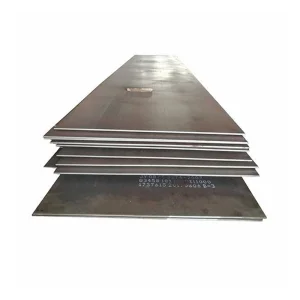
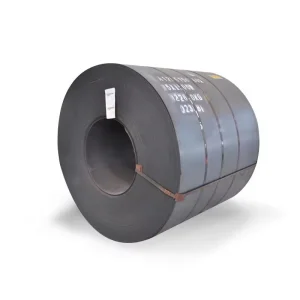
Heavy-duty steel coils and plates for shipyard repairs and container manufacturing industries in Bergen and Oslo.
Supporting the renewable energy sector with high-strength steel for onshore wind turbine towers and supporting grid infrastructure.
For international procurement managers, the primary challenges are logistics, standards compliance, and lead-time volatility. At our factories, we prioritize transparency. Our "Global Procurement Portal" allows Norwegian buyers to track batch production in real-time, view material test reports (MTRs), and communicate directly with production managers.
We work closely with Norwegian procurement teams to ensure all steel grades match specific EN standards. We provide dual-certification upon request to ensure seamless project auditing.
Leveraging major logistics hubs, we provide both FOB (Free On Board) and DDP (Delivered Duty Paid) options. Sea freight transit typically ranges from 30-45 days, depending on port congestion.
Every shipment undergoes a four-stage quality control process: Raw Material Analysis, Production Monitoring, Pre-shipment Inspection, and Third-Party Verification (SGS/TUV).