 Baimaoxing
Baimaoxing
Baimaoxing
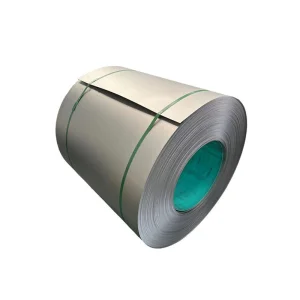
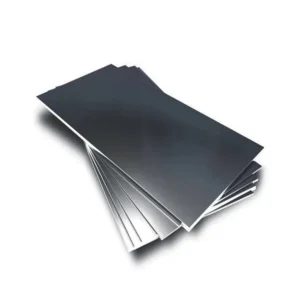
In the modern era of high-precision manufacturing and industrial infrastructure, Stainless Steel Grade 316 (SS316) serves as the cornerstone of corrosion resistance and structural integrity. As professional suppliers, we understand that 316 is not merely a material; it is a critical component in sectors ranging from pharmaceutical processing and chemical engineering to marine architectural design. Its composition—specifically the addition of molybdenum—differentiates it from standard 304 grades, offering superior resistance to pitting and crevice corrosion in chloride environments.
The "Molybdenum Advantage" transforms SS316 into an indispensable alloy for harsh environments. With a composition typically featuring 16-18% Chromium, 10-14% Nickel, and 2-3% Molybdenum, this material is engineered for longevity. Understanding the atomic structure and phase stability of 316 stainless steel allows engineers to predict long-term performance in acidic and saline conditions.
The global demand for high-quality Stainless Steel Sheet 316 is shifting towards customized, ready-to-use specifications. Procurement departments are no longer looking for raw materials but for integrated supply chain solutions. Trends include:
Looking ahead, the stainless steel sector is entering a phase of "Digital Metallurgy." The integration of IoT sensors in production facilities allows for real-time monitoring of sheet thickness uniformity, surface finish precision, and mechanical property consistency. As an authority in the supply chain, we are moving beyond traditional sales to provide value-added services: precision laser cutting, surface brushing/polishing (No. 4, BA, 8K finishes), and specialized welding preparation.
Operating as a global supplier requires adherence to strict quality regimes. Our 316 stainless steel sheets undergo rigorous testing to ensure compliance with global safety standards. Our localization strategies involve regional distribution hubs that provide:
The architectural use of 316 stainless steel is seeing a renaissance. From marine-grade structural elements in coastal bridges to clean-room wall panels in biotech facilities, the necessity of 316's specific passivation capabilities cannot be overstated. Unlike other alloys, 316 provides a self-healing chromium oxide layer that resists breakdown in high-stress environments, making it the preferred choice for mission-critical projects.
Q1: What is the primary difference between 304 and 316 Stainless Steel?
A1: The primary difference is the addition of Molybdenum in 316. This provides significantly better resistance to pitting and crevice corrosion, especially in high-chloride environments like marine or chemical processing.
Q2: Can I use 316 stainless steel in food processing equipment?
A2: Yes, 316 is often referred to as "marine grade" or "food grade." Its high corrosion resistance prevents bacterial build-up and resists interaction with acidic food products.
Q3: What certifications do you offer with your steel sheets?
A3: We provide full Mill Test Reports (MTR) covering chemical composition, mechanical properties, and heat treatment certifications, ensuring full traceability and compliance with ASTM standards.
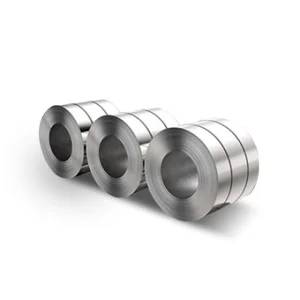
Located in Liaocheng City, Shandong Province, we specialize in the R&D, processing, and distribution of high-performance steel alloys. Our expansive product portfolio encompasses everything from industrial-grade titanium to precision stainless steel coils. We serve global industries including aerospace, military, petrochemicals, and precision machining.
We provide comprehensive solutions, from raw material procurement to custom deep-processing and finished component fabrication.
Our team comprises veteran metallurgists and industry experts with decades of practical experience.
ISO9001:2015 certified. Products meet EU ROHS standards, ensuring quality without compromise.