 Baimaoxing
Baimaoxing
Baimaoxing
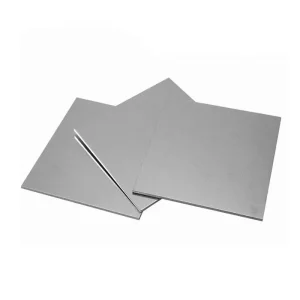
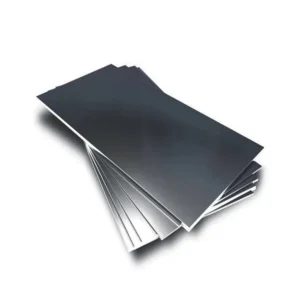
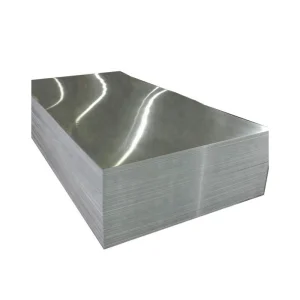
In the modern industrial landscape, 316L Stainless Steel Plate stands as the pinnacle of corrosion resistance and structural integrity. Unlike standard grades, 316L (Low Carbon) offers enhanced weldability and resistance to intergranular corrosion, making it the preferred choice for marine, pharmaceutical, and chemical processing sectors. This white paper explores the critical intersection of material science and global OEM procurement strategies.
The demand for molybdenum-bearing steels like 316L is surging globally. As industries transition to more aggressive chemical environments and offshore energy solutions, the "L-grade" variants are becoming the baseline standard for longevity and ESG compliance in infrastructure projects.
Comprising 16-18% Chromium and 10-14% Nickel, with 2-3% Molybdenum, 316L provides superior resistance to pitting and crevice corrosion in chloride-rich environments. Its low carbon content (<0.03%) eliminates harmful carbide precipitation during welding.
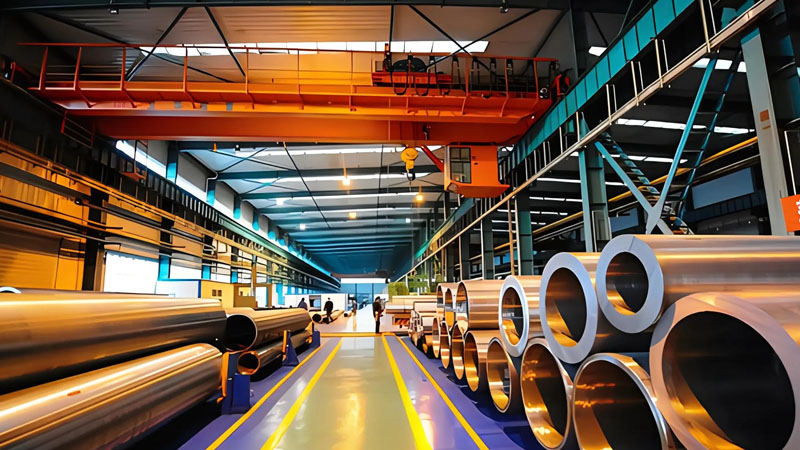
OEM 316L Stainless Steel Plate Suppliers are no longer just material providers; they are integrated partners offering custom dimensions, surface finishes (2B, BA, No.4, Mirror), and precision cutting services to reduce downstream waste for manufacturers.
Modern 316L production is shifting towards a closed-loop system. Leading suppliers are now leveraging electric arc furnaces (EAF) powered by renewable energy, with recycled scrap steel content exceeding 85%, significantly lowering the carbon footprint of the final plate.
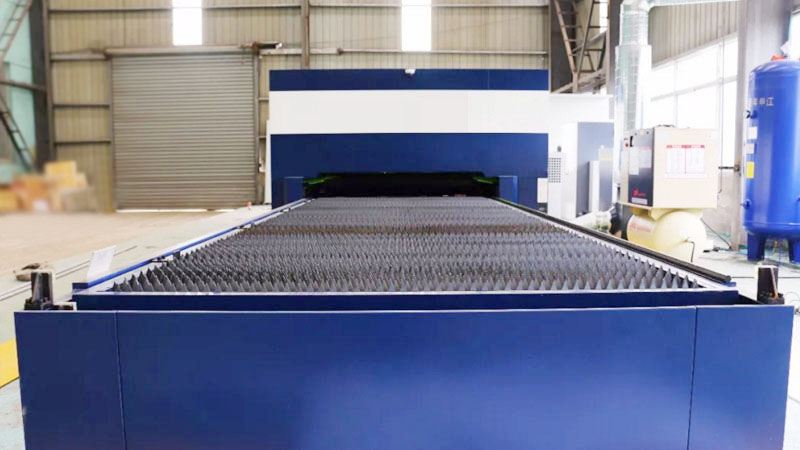
As Industry 4.0 matures, the flatness and surface consistency of 316L plates are paramount. Suppliers are investing in advanced tension leveling and automated surface inspection systems to ensure compatibility with high-speed automated fiber laser cutting lines.
Blockchain-enabled Heat Map tracing is becoming a standard requirement. Global procurement teams now demand real-time access to MTC (Material Test Certificates) and chemical analysis data before the physical material even leaves the port.
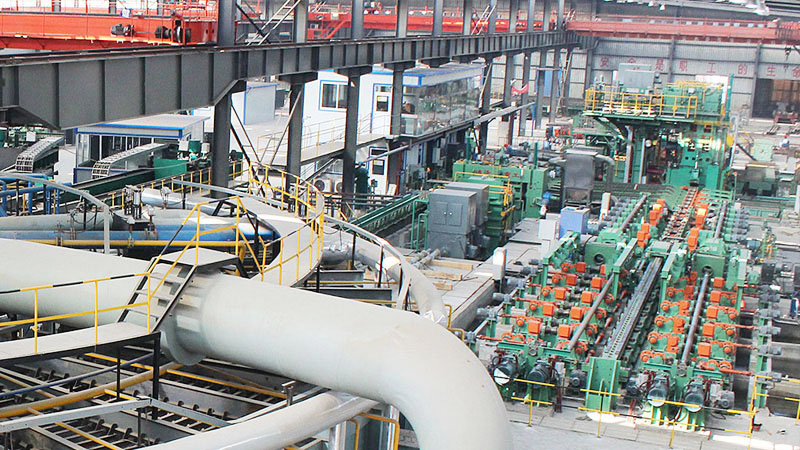
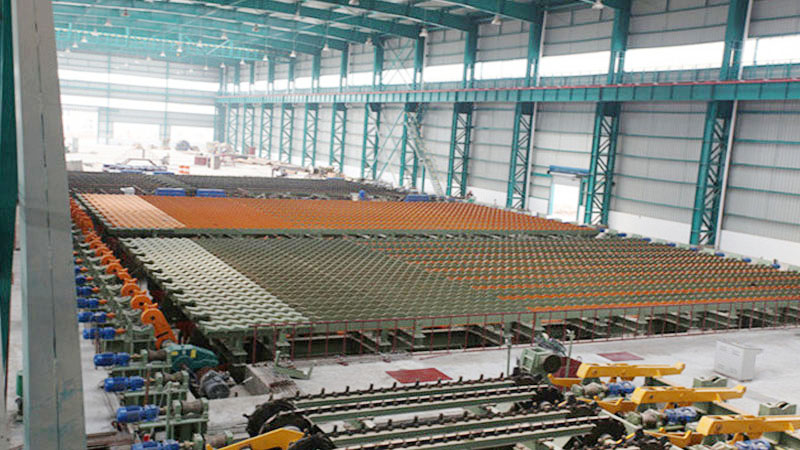
The role of Chinese manufacturers in the 316L ecosystem has evolved from high-volume production to "Smart Manufacturing." Shandong Baimaoxing Iron and Steel Co., Ltd. exemplifies this transition, blending scale with extreme customization capabilities.
Automated warehouse management systems (WMS) ensure that inventory levels of 316L, 304, and carbon steel grades are optimized for just-in-time delivery, reducing lead times for international buyers by 30%.
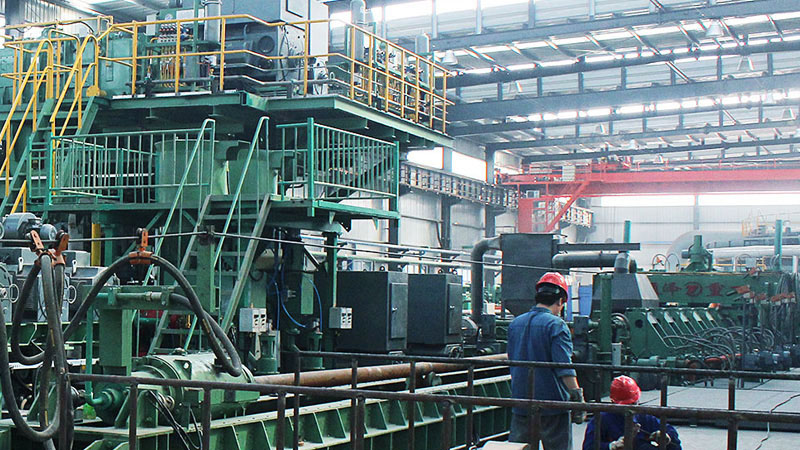
Utilizing AI-driven spectral analysis and ultrasonic flaw detection, the factory ensures that every plate meets ASTM, AISI, and EN standards. This "Zero-Defect" philosophy is the cornerstone of global reliability.
By integrating the entire value chain—from R&D to deep processing—Chinese factories provide a "One-Stop" advantage that eliminates the premium charged by middleman distributors in the West.
Global Destinations
Tons Annual Output
9001:2015 Certified
Technical Support
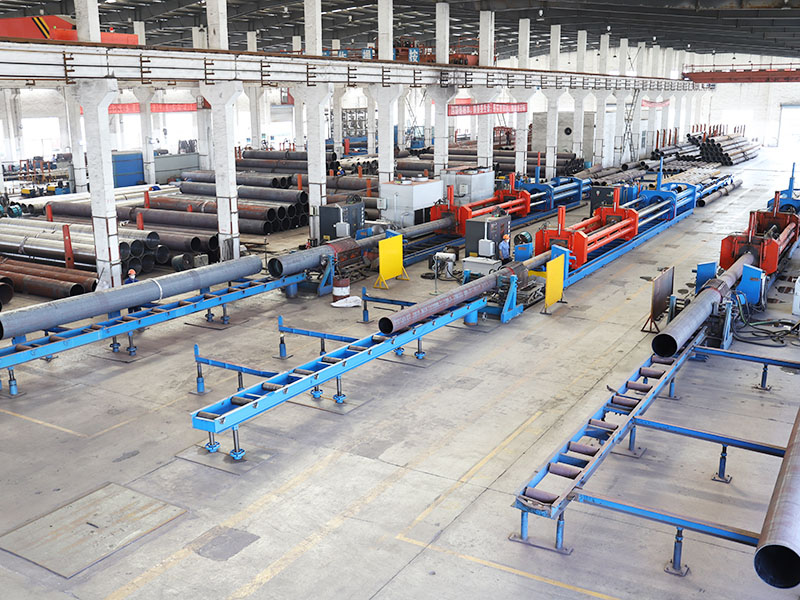
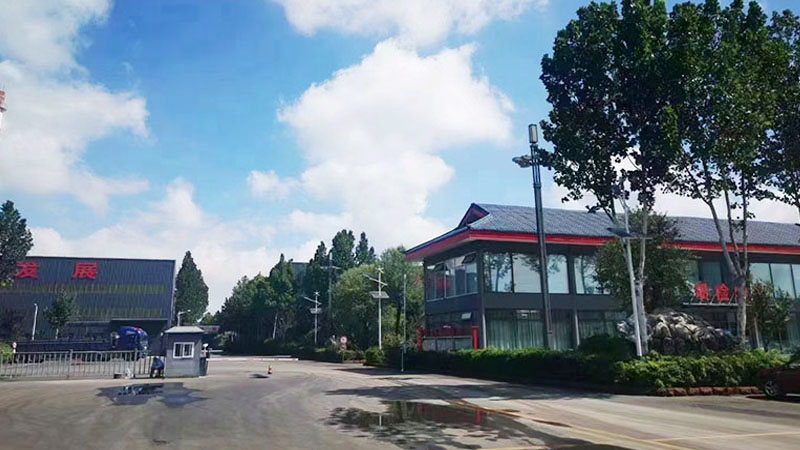
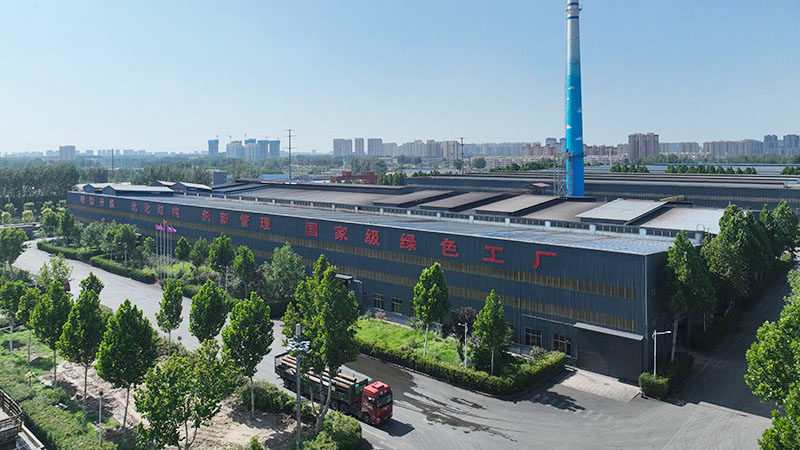
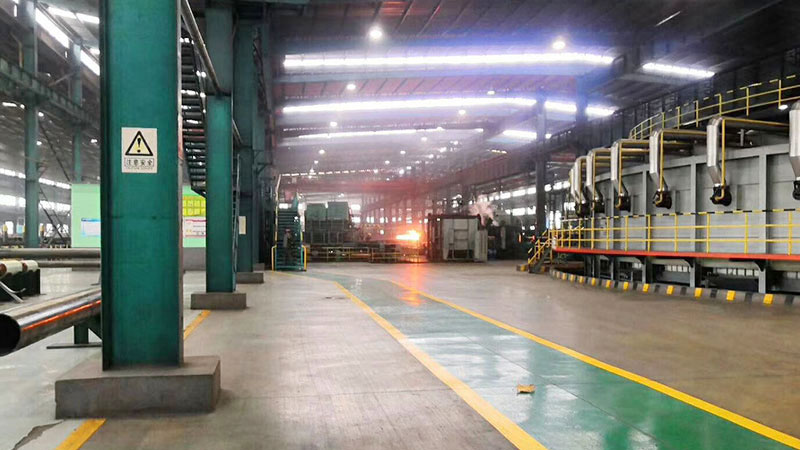
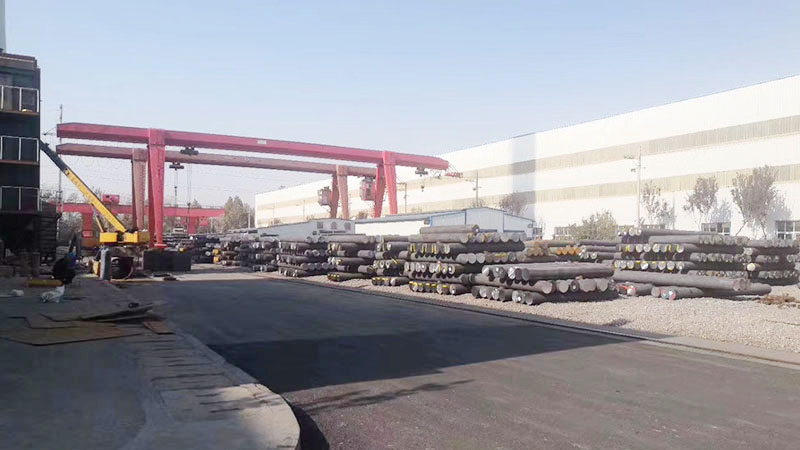
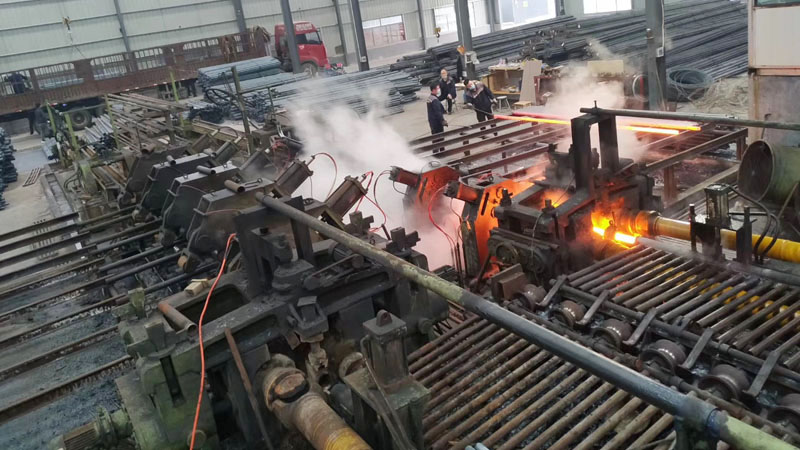
Located in Liaocheng City, Shandong Province, China, Shandong Baimaoxing Iron and Steel Co., Ltd. is a premier large-scale steel supplier specializing in research and development, processing, sales, and technical services. Our comprehensive business portfolio covers:
Baimaoxing adopts a scientific management model, and its products are widely used in industries such as aerospace, military equipment, petrochemicals, automotive parts, shipbuilding, and precision machining.
In coastal infrastructure and naval architecture, 316L is used for heat exchangers and propeller shafts to combat salt-water corrosion.
The non-reactive surface of 316L ensures purity in chemical reactors and food processing tanks, meeting stringent FDA/CE regulations.
Critical for oil and gas scrubbers and sulfur recovery units where sulfuric and phosphoric acids are present.
Providing long-lasting, maintenance-free cladding for modern high-rises and bridges in high-pollution urban areas.
The "L" in 316L stands for Low Carbon. 316L has a maximum carbon content of 0.03%, compared to 0.08% in standard 316. This makes 316L immune to sensitization (grain boundary carbide precipitation) during welding, maintaining maximum corrosion resistance in welded structures.
While no steel is 100% "rust-proof," 316L is specifically designed for marine environments. Its 2-3% Molybdenum content provides exceptional resistance to pitting caused by chlorides in seawater, making it far superior to 304 grade.
We provide comprehensive downstream processing including laser cutting, waterjet cutting, bending, welding, and surface treatments such as brushing, mirror polishing, and PVC coating to protect the surface during fabrication.
In its annealed state, 316L is austenitic and non-magnetic. However, it can become slightly magnetic after cold working (like bending or drawing) due to the partial transformation of austenite to martensite.