 Baimaoxing
Baimaoxing
Baimaoxing
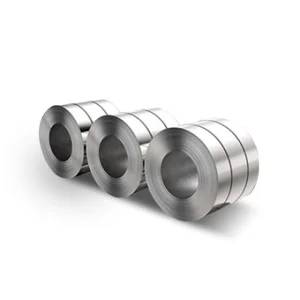
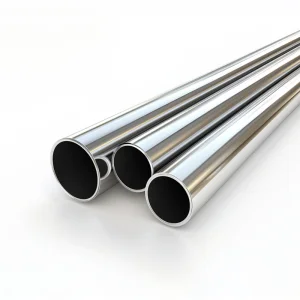
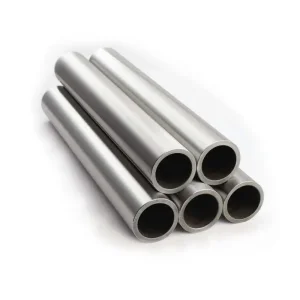
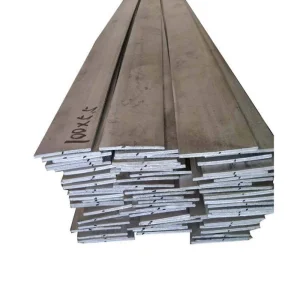
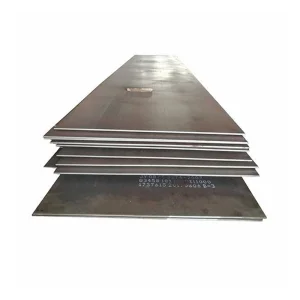
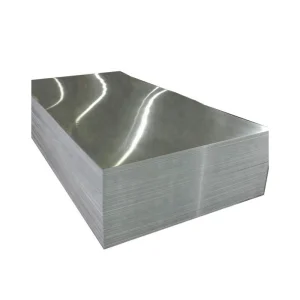
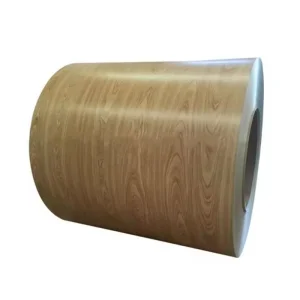
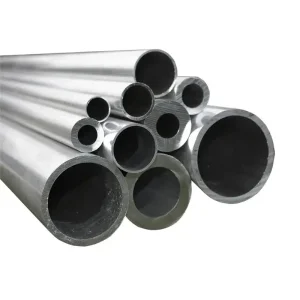
In the contemporary industrial landscape, 304 Stainless Steel remains the bedrock of manufacturing. As an Austenitic grade, it offers an unparalleled balance of corrosion resistance, formability, and durability. For global procurement managers and engineers, sourcing from top-tier OEM 304 Stainless Steel Coil Plate Manufacturers is no longer just about cost—it is about securing a supply chain that guarantees material integrity.
The global demand for 304 stainless steel is shifting toward high-precision applications. From the green energy sector—where stainless steel is used for specialized storage vessels—to the automotive sector's lightweighting initiatives, the material requirements are becoming more stringent. Factories are moving away from commodity-grade production toward specialized, high-tolerance manufacturing (ISO 9001 compliant) to meet EU and ASTM international standards.
Chinese manufacturing has evolved from simple bulk output to high-tech, integrated process management. The "China Efficiency" advantage is built on:
304 Stainless Steel (18/8 Chrome-Nickel composition) is the gold standard for versatility. Unlike 201 or 400 series, 304 offers superior resistance to oxidation. In coil form, it is the preferred raw material for kitchenware, chemical storage, and architectural paneling.
Modern applications range from Medical Equipment (due to ease of sterilization) to Automotive Exhaust Systems (thermal resistance). Our OEM factories provide specific surface finishes (2B, BA, No.4, Hairline) tailored to these distinct environments, ensuring that the material is "application-ready" upon arrival.
A: 304L is the "Low Carbon" version. It prevents carbide precipitation during welding, making it essential for structures that require intensive fabrication and welding to ensure corrosion resistance remains intact at the joints.
A: Always request MTC (Mill Test Certificates). A reputable manufacturer will provide chemical composition analysis (Chromium/Nickel percentages) and mechanical properties data (Tensile/Yield strength) for every heat batch.
A: True OEM partners provide value-added services such as CNC precision cutting, protective film application for transit, and logistics consolidation, reducing your total landed cost rather than just the unit price.