 Baimaoxing
Baimaoxing
Baimaoxing
Analyzing Commercial Significance and Strategic Value in Modern Industry
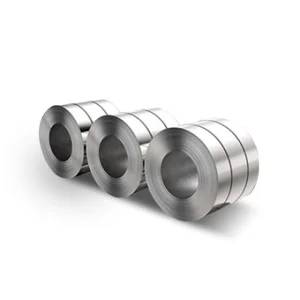
304 Stainless Steel, often referred to as 18/8 stainless steel, accounts for over 50% of the world's total stainless steel production. Its unique balance of chromium (18%) and nickel (8%) provides exceptional corrosion resistance and formability, making it the "universal" alloy for everything from household appliances to massive industrial heat exchangers.
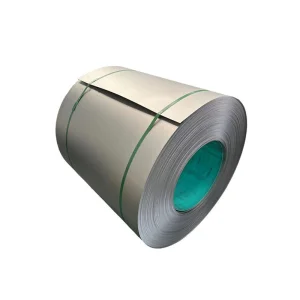
In the industrial sector, the shift towards "Lightweighting" and "Longevity" has positioned 304 stainless steel coils as a critical raw material. Global supply chains rely on OEM manufacturers to provide ultra-thin, high-precision coils that meet the rigorous standards of the medical, aerospace, and semiconductor industries.
The price of 304 coils is heavily influenced by the LME (London Metal Exchange) nickel prices. As a leading manufacturer, we leverage large-scale procurement and optimized smelting processes to buffer our clients from market volatility, ensuring stable pricing and consistent supply for long-term projects.
Evolving Manufacturing Processes for the Next Generation of Steel
Bridging the Gap Between Material Science and Real-World Implementation
In North American and European markets, our 304 coils are primarily used in medical surgical instruments and commercial food processing units. The non-porous surface prevents bacterial growth and resists harsh sterilization chemicals.
The transition to New Energy Vehicles (NEVs) requires stainless steel for battery housing and exhaust components. Our high-tensile 304 coils provide the necessary safety ratings while reducing overall vehicle weight.
Used in localized urban infrastructure, such as coastal railings and decorative facades. The material’s resistance to salt-air corrosion makes it the preferred choice for marine-adjacent construction projects.
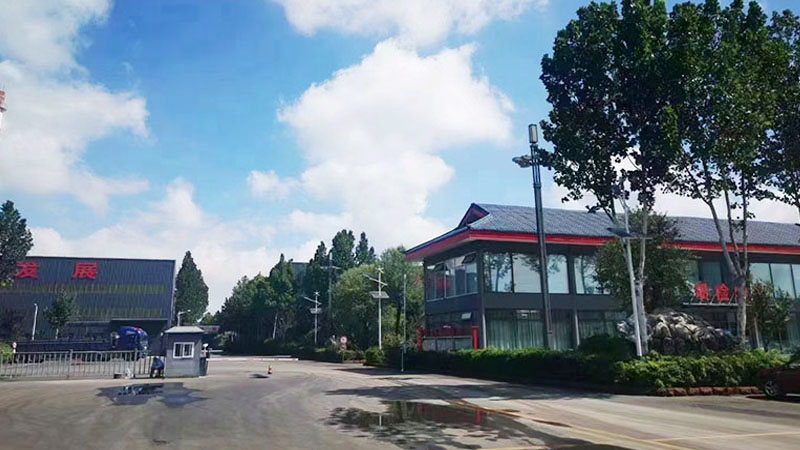
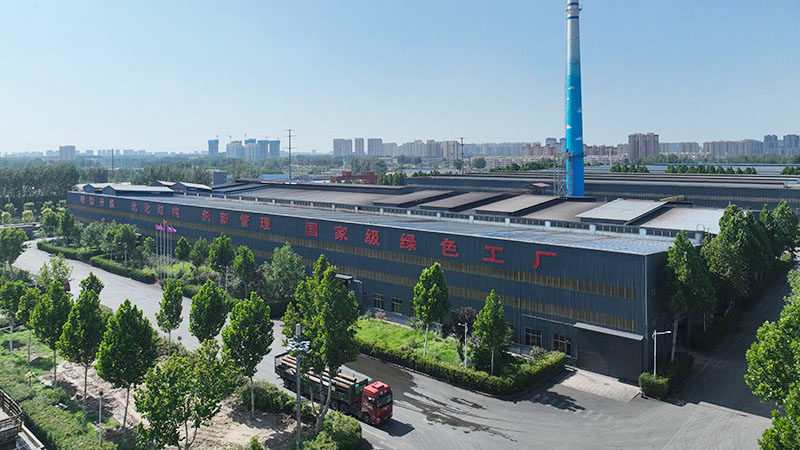
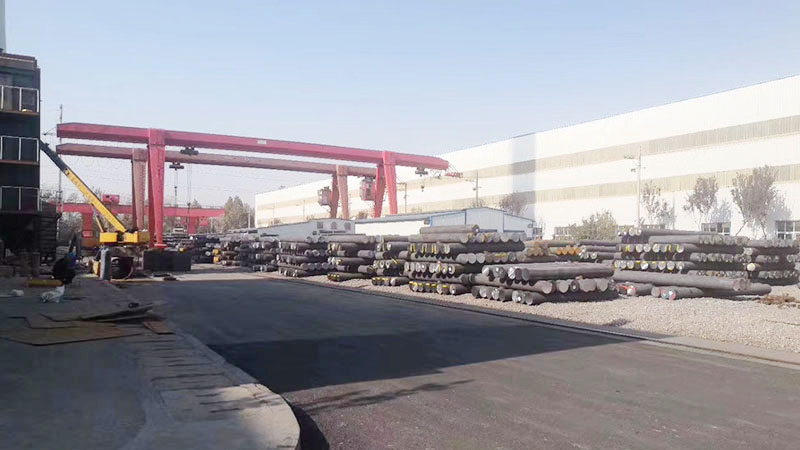
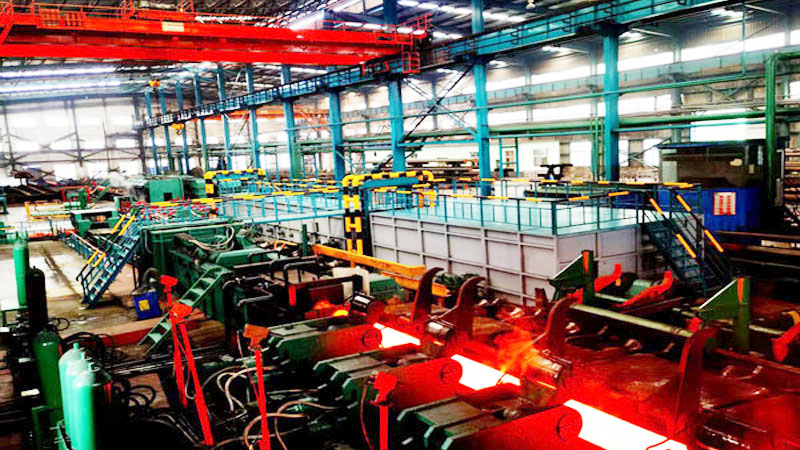
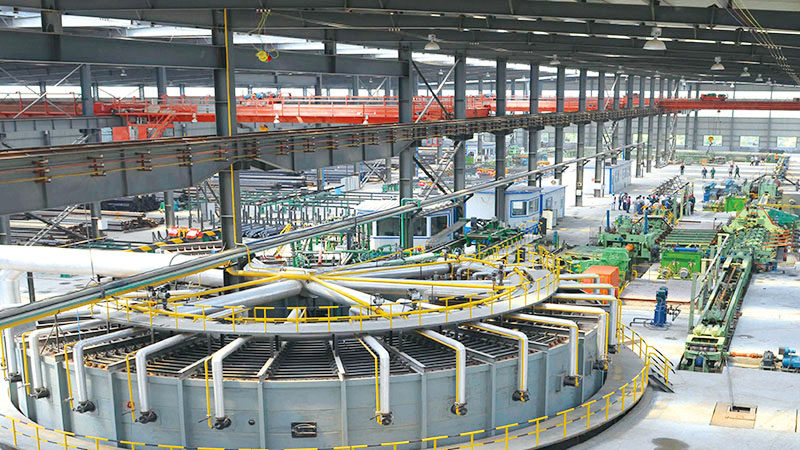
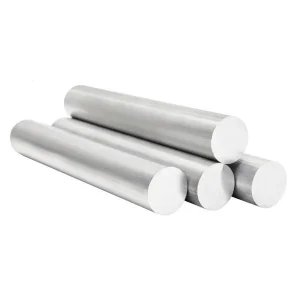
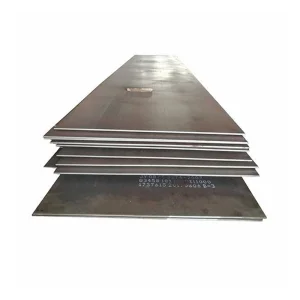
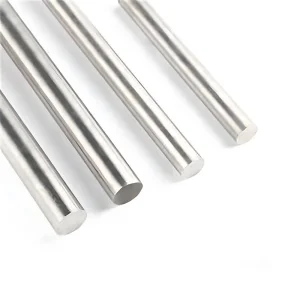
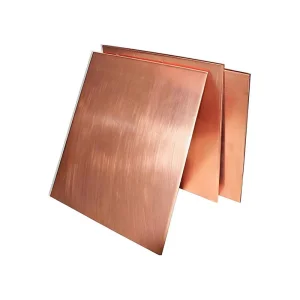
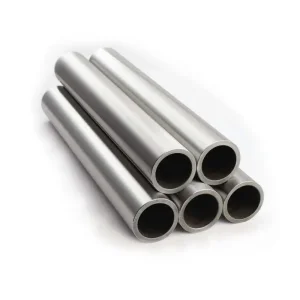
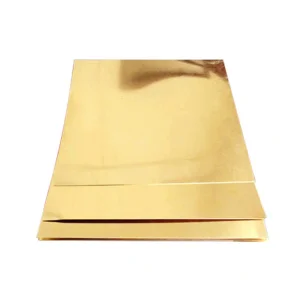
Located in Liaocheng City, Shandong Province, we are a large-scale steel conglomerate specializing in R&D, processing, and global distribution. Our portfolio spans from stainless steel coils to titanium rods and copper plates.
We adopt a Scientific Management Model, ensuring our products serve mission-critical industries including Aerospace, Military Equipment, Petrochemicals, and Precision Machining. Our commitment to E-E-A-T principles is reflected in our ISO9001:2015 certification and RoHS compliance.
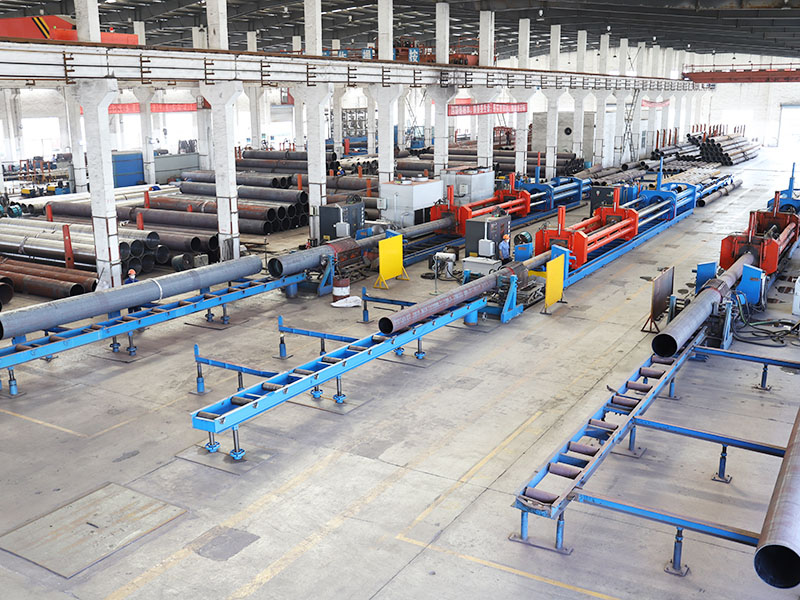
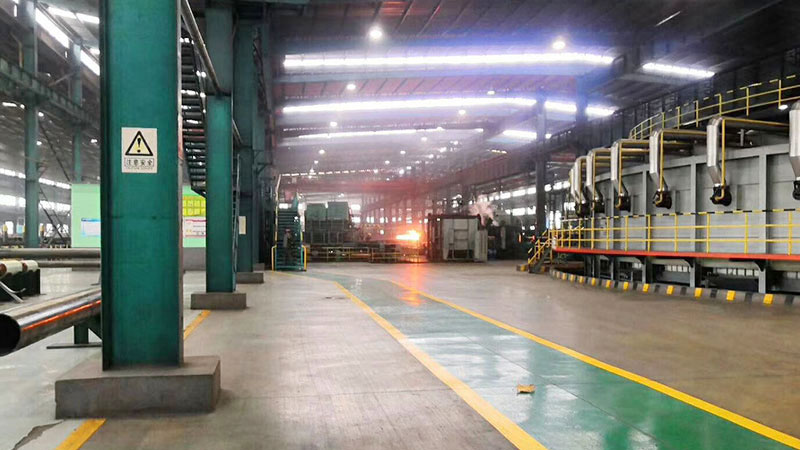
We provide customers with steel and its deep processed products, as well as customized, specialized, and one-stop services from slitting to polishing.
Our team consists of metallurgical experts and logistics professionals with decades of experience in global steel trade and quality assurance.
ISO9001:2015, SGS reports, and EU ROHS standards. We ensure your materials meet every regulatory hurdle for international markets.
For large OEM buyers, material consistency is more important than price. We provide "Heat Traceability" for every coil, allowing clients to track chemical compositions back to the original melt, ensuring zero-defect manufacturing for high-risk components.
We are integrating recycled scrap management into our production line, allowing for a higher percentage of recycled content without compromising the structural integrity of the 304 alloy, helping our clients meet their ESG (Environmental, Social, and Governance) targets.
Annual Tonnage Capacity
Countries Exported To
Precision Tolerance
Technical Support
Expert Insights into 304 Stainless Steel Procurement
304L is a low-carbon version of 304. The "L" stands for low carbon (max 0.03% vs 0.08%). This makes 304L superior for welding applications as it prevents "sensitization" or carbide precipitation during the welding process, which can lead to corrosion in the heat-affected zone.
BA finish is achieved by heat-treating the coil in a controlled atmosphere furnace. We use 100% pure hydrogen or nitrogen-hydrogen mixed gas to ensure no oxidation occurs, followed by skin-pass rolling to achieve a mirror-like reflectiveness.
While 304 has excellent corrosion resistance, it is susceptible to pitting in high-chloride (salty) environments. For direct marine contact, Grade 316 (which contains molybdenum) is usually recommended. However, 304 is often used for coastal architectural elements that are not submerged.
We offer custom widths (from 3mm precision strips to 1500mm full coils), edge conditioning (slit, deburred, or rounded), and a variety of protective films (PE, PVC, Laser-PE) to suit your specific processing machinery.