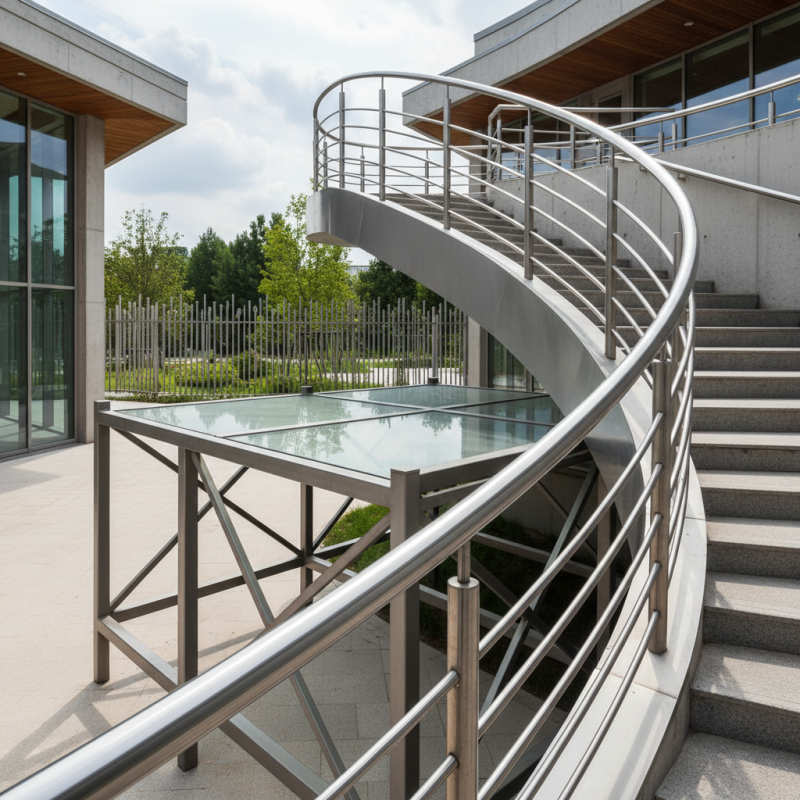
Decorative Steel Pipe plays a vital role in modern construction. It offers both functionality and aesthetic appeal. This type of pipe is designed to enhance the visual aspect of structures. Builders and architects often choose Decorative Steel Pipe for its polished look and durability.
In construction, it serves multiple purposes. It can be used for railings, frames, and even fencing. Its strength ensures safety while also contributing to the overall design of a project. However, not all Decorative Steel Pipes are made equal. Some may lack the necessary coatings for longevity and protection.
It is essential to consider the quality when selecting Decorative Steel Pipe. A well-made pipe will resist corrosion and wear, ensuring longevity. In contrast, inferior products may lead to costly repairs. Awareness of both the benefits and potential limitations is crucial for successful application in construction.
Definition and Characteristics of Decorative Steel Pipe in Construction
Decorative steel pipe has become a vital element in modern construction. It is not just functional but also enhances aesthetic appeal. Typically, this type of pipe is made from carbon steel or stainless steel. Its smooth finish and durability make it suitable for various applications. Architects and designers often prefer it for railings, stairs, and frames. This choice reflects both strength and style.
The characteristics of decorative steel pipe are noteworthy. It offers high resistance to corrosion and wear. The ability to be easily molded into different shapes expands its usability. Decorative steel pipes can be painted or coated, allowing for various colors and finishes. This versatility caters to diverse design preferences. However, installation can be challenging without professional assistance. Precise measurements are essential to avoid costly mistakes. If not handled correctly, decorative features may lose their intended appeal.
Overall, decorative steel pipe showcases a blend of utility and beauty in construction. Its strength complements creative designs. As construction trends evolve, its role could grow. There may be new finishes or applications on the horizon. Continued experimentation in construction will likely refine its uses further. Exploratory designs and innovative installations show the potential for this material.
Common Types of Decorative Steel Pipes Used in Architectural Design
Decorative steel pipes play a significant role in architectural design. They add elegance and functionality to various structures. Common types include hollow sections, round pipes, and square tubes. These pipes can enhance visual appeal while providing strength.
Hollow sections are often favored for their versatility. They can be used for railings, columns, and even furniture. Round pipes are popular in both structural and decorative elements. Their smooth surface complements many design aesthetics. Square tubes are excellent for modern designs, giving a bold look.
Tips: Consider the finish of the steel pipes. Powder coating or galvanization can improve durability and appearance. Choose the right pipe size for your project. Larger pipes provide a more substantial presence, while smaller ones can add delicate detailing. Always consult with a structural engineer to assess load-bearing capacities and safety.
Selecting the wrong type of decorative steel pipe can lead to design flaws. For instance, using lightweight tubing in load-bearing areas might compromise stability. Reflect on your design intentions carefully and evaluate your choices thoroughly. Balancing aesthetics and functionality is crucial in achieving successful architectural projects.
Applications of Decorative Steel Pipe in Modern Construction Projects
Decorative steel pipes are gaining popularity in modern construction. Their aesthetic appeal adds character to buildings. Structures featuring decorative steel pipes benefit from unique designs. The versatility of these pipes allows for various applications, including railings, support columns, and decorative facades.
In recent industry reports, it was noted that the use of decorative steel pipes in commercial projects increased by 25% in the past five years. This growth reflects a rising trend among architects prioritizing design as much as functionality. For instance, many urban spaces now incorporate decorative steel elements to enhance visual appeal. These installations not only beautify but also contribute to structural integrity.
While decorative steel pipes offer many advantages, challenges remain. Corrosion resistance is a vital concern that builders must address. Protective coatings can mitigate this issue, but they may require regular maintenance. Moreover, the initial costs can be higher than traditional materials. Yet, the long-term benefits often outweigh these concerns, as aesthetically pleasing structures attract more interest.
Benefits of Using Decorative Steel Pipe for Aesthetic and Structural Purposes
Decorative steel pipe is often overlooked in construction. Yet, it serves dual purposes: aesthetic appeal and structural integrity. Builders appreciate its sleek design and versatility. You can find decorative steel pipes used in railings, gates, and interior design elements. They offer a modern touch, enhancing visual appeal without compromising strength.
One major benefit is the durability of steel. Unlike wood, it resists weather, pests, and decay. This longevity is appealing for both residential and commercial structures. Furthermore, steel pipes can be coated for increased corrosion resistance, extending their life even further. However, the installation process can be complex. Miscalculations in measurements can lead to costly mistakes.
While decorative steel pipe adds elegance to any project, it’s essential to consider potential downsides. The cost may be higher than other materials. Also, meticulous planning is vital to ensure proper integration with existing structures. Despite these challenges, the aesthetic and practical benefits of decorative steel pipes outweigh the drawbacks, making them a wise choice for modern construction.
Industry Standards and Regulations Governing Decorative Steel Pipe Usage
Decorative steel pipe has gained popularity in the construction industry for its aesthetic appeal and durability. Industry standards regulate its use to ensure safety and quality. The American Society for Testing and Materials (ASTM) sets specifications for various steel products, including decorative pipes. ASTM A500 outlines the requirements for cold-formed steel structural tubing, which can also apply to decorative applications. Such standards are crucial for maintaining consistency and performance across projects.
The International Code Council (ICC) focuses on safety and efficiency in building materials. Decorative steel pipe must comply with the International Building Code (IBC), especially regarding structural integrity. For instance, pipes used in façades may need to withstand specific wind loads and seismic forces. Additionally, the National Fire Protection Association (NFPA) provides guidelines that affect the installation of decorative steel in fire-prone areas. Such regulations ensure that these materials contribute to a safe environment for inhabitants.
Quality control is a persistent concern. Not all manufacturers adhere to industry standards, which can lead to flawed products. Construction professionals often rely on certifications to verify compliance. This shows the importance of thorough inspections and quality assurance processes. Builders must constantly evaluate suppliers to maintain standards in decorative steel usage. Regular audits and checks help sustain trustworthiness in the construction sector.
FAQS
: Decorative steel pipe enhances visual appeal while providing structural integrity. It's durable and versatile for multiple applications.
Unlike wood, steel resists weather, pests, and decay. This makes it a longer-lasting option for construction projects.
Yes, the installation can be complex. Miscalculations during measurements may lead to costly errors and frustrations.
They are commonly used in railings, gates, and various interior design elements, adding a modern touch to spaces.
Standards like ASTM ensure safety and quality. Compliance helps maintain performance consistency across construction projects.
Not all manufacturers meet industry standards. Regular inspections and audits help ensure reliability and safety in construction materials.
Yes, coatings can enhance corrosion resistance, increasing the pipes' longevity and durability, which is essential for their use.
They should account for installation costs and the need for meticulous planning to ensure proper integration with existing structures.
While durable, they may need specific treatments for fire-prone areas, according to safety guidelines, which require careful consideration.
In some cases, the cost might outweigh the benefits, especially for smaller projects. Evaluating necessity is essential in such situations.
Conclusion
Decorative Steel Pipe plays a crucial role in modern construction, merging functionality with aesthetic appeal. Defined by its distinctive designs and durability, this type of pipe is commonly utilized in architectural elements such as railings, columns, and façades. Among its various types, options like painted, galvanized, and polished finishes are popular for enhancing visual impact.
In modern construction projects, Decorative Steel Pipe is utilized not only for structural integrity but also to elevate the overall design aesthetic of buildings. Its benefits include strength, versatility, and low maintenance requirements, making it a favored choice among architects and builders. Additionally, adherence to industry standards and regulations ensures that Decorative Steel Pipe meets safety and quality requirements, further establishing its importance in the construction industry.
 Baimaoxing