
Baimaoxing
Choosing the right square tube for your project can seem daunting. The decision involves more than just dimensions. It requires understanding materials, weights, and strengths. Mike Anderson, a leading expert in structural engineering, once noted, “Selecting the proper square tube isn't just about quantity; it’s about quality.” His insight highlights the complexity of this choice.
Square tubes come in various materials such as steel, aluminum, and plastic. Each type has its pros and cons. Steel offers strength, while aluminum provides lightness. The right choice depends on your project needs. You may encounter a situation where the aesthetic of the square tube clashes with its functional requirements.
It's essential to consider both the structural demands and the project’s budget. A square tube that looks good might not hold up under pressure. Assessing these factors requires careful thought. Balancing aesthetics and engineering integrity can be tricky but is crucial for project success.
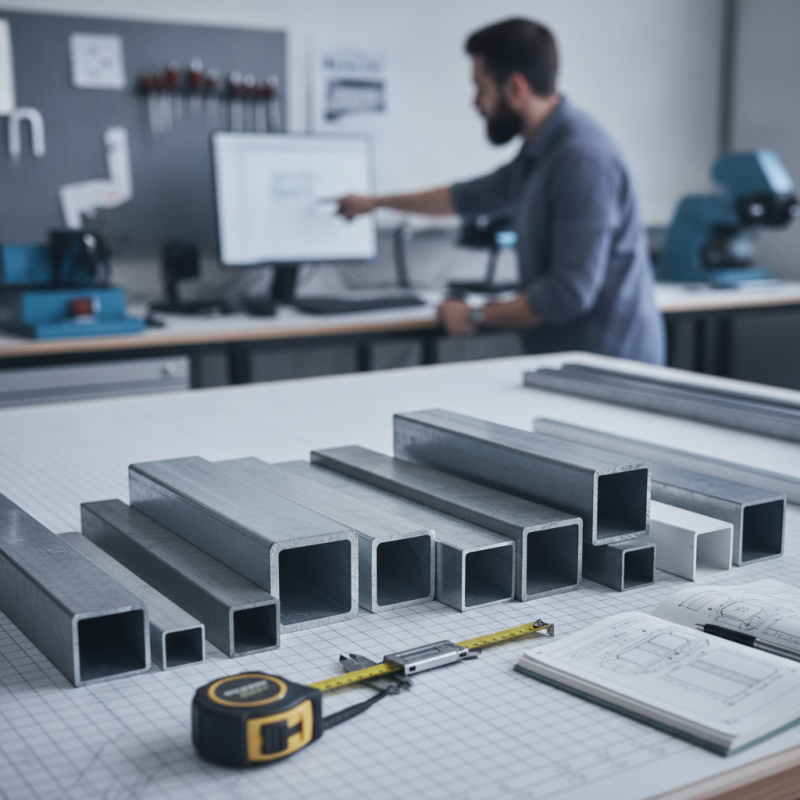
When selecting square tubes for your project, understanding the types and materials is vital. Square tubes come in various sizes and materials. Common choices include aluminum, steel, and stainless steel. Each type offers unique advantages and drawbacks. Aluminum is lightweight but may not provide the strength of steel. On the other hand, steel offers durability and strength. It could be heavier, which might not suit all projects.
Tips: Always consider the weight requirements and the environment where the tube will be used. Will it face moisture or extreme conditions? Choose materials accordingly. Stainless steel is resistant to corrosion but can be more expensive.
You should also think about the tube thickness. Thicker tubes can bear more load but add weight. This can complicate project assembly. A balance is key. Some projects might require a specific type for aesthetics. In those cases, galvanized steel could provide both visual appeal and functionality.
Tips: Don’t overlook the importance of finish and coating. They impact both strength and appearance. Reflect on what your project really needs. Choosing the wrong material can lead to costly mistakes. Make sure to analyze your project requirements closely to choose wisely.
When selecting a square tube for your project, several key factors come into play.
Material is paramount.
Steel, aluminum, and plastic each serve unique functions.
Steel offers strength and durability.
Aluminum, while lightweight, is corrosion-resistant.
Plastic can be an excellent choice for specific applications that require less weight and flexibility.
Next, consider the dimensions of the tube.
The size and wall thickness directly affect its load-bearing capacity.
A thicker wall can support greater weight, but adds bulk and cost.
Assess your project’s requirements carefully.
Are you prioritizing strength over weight or vice versa?
Lastly, think about the intended use.
Will it endure outdoor exposure or high temperatures?
Environmental factors may alter your choice significantly.
Sometimes, a less popular option might suit your project better.
Reflect on these aspects thoroughly, as they will guide you to the right square tube for your needs.
When choosing a square tube for your project, evaluating dimensions and tolerances is crucial. The size of the tube impacts weight, strength, and overall functionality. Measure the precise dimensions you need. Think about length, width, and wall thickness. Each choice affects your structure's integrity. For instance, a thicker wall often results in added strength, but it may also increase weight.
Consider how tolerances fit into your design. Manufacturing processes can create slight variations in dimensions. These variations can be significant in precision applications. Too loose a fit could lead to instability, while too tight may cause stress points. Be aware of these potential issues. Make sure your project can accommodate slight discrepancies. Relying on specified tolerances helps foresee fitting problems before construction begins.
Understanding your specific project requirements will guide your decisions. Evaluate the environment where the tube will be used. Will it face high stress or harsh conditions? Such factors influence material choices as well. Balance your needs against available options, and adapt as necessary. Each element you decide must serve a practical purpose while ensuring reliability and safety.
When selecting the right square tube, assessing strength and load-bearing requirements is vital. The load capacity depends on the tube's material, thickness, and dimensions. Aluminum, steel, and stainless steel have varying strengths. For heavier loads, steel offers excellent durability. Aluminum is lighter, making it suitable for projects requiring less weight but still decent strength.
Tips: Always calculate the expected load before deciding. Consider dynamic loads versus static loads. The latter is easier to predict, while dynamic loads can change. Ensure you factor in safety margins. Overestimating the strength can lead to waste, while underestimating can risk structural failure.
Choosing the wrong size or thickness can lead to issues down the line. A tube that seems adequate may buckle under pressure. It’s essential to conduct tests on materials. Performing a simple flexural test can provide insights into how your chosen tube will behave under different conditions. Remember, it’s not just about picking a tube; it’s about ensuring it meets your project’s unique needs.
When selecting a square tube for your project, consider the specific application requirements. Structural integrity is crucial. For instance, according to the American Institute of Steel Construction, the right size can support the anticipated load without compromising safety. The material’s yield strength is equally important. Aluminum and steel serve different purposes, influencing both design and cost.
In manufacturing, precision counts. Tolerances must meet project needs. Industry reports suggest that a 1% discrepancy in dimensions can lead to significant assembly challenges. Make sure to verify that the square tube complies with industry standards. This reduces the risk of defects.
Tips: Always consult with an expert before making bulk purchases. It saves resources and ensures you gain reliable data for your project's specifications. Assess your project’s environment. Will this tube be exposed to moisture or chemicals? Your choice must withstand these conditions. Understanding these factors can save time and money in the long run.
: Steel offers strength and durability. Aluminum is lightweight and corrosion-resistant. Plastic is flexible for certain applications.
Measure the length, width, and wall thickness. Thicker walls provide strength but increase weight and cost.
Tolerances affect fit and stability. Too loose can lead to instability; too tight may cause stress points.
Consider exposure to moisture and high temperatures. Choose materials that can withstand harsh environmental conditions.
Verify that the square tube complies with industry standards. This reduces risks of defects and ensures structural integrity.
Yes, consulting an expert can save resources and provide reliable data for your project's specifications.
Slight variations can cause assembly challenges. Ensure your design can accommodate discrepancies for stability.
Not necessarily. Evaluate your project requirements. Sometimes, weight reduction may be more critical.
Yes, sometimes less popular materials may fit your needs better. Reflect on your specific project requirements.
Material type, size, and wall thickness all impact costs. Balance your budget with functional requirements.
When choosing the right Square Tube for your project, it is essential to first understand the various types and materials available. Square Tubes come in different configurations, each suited for specific applications. Key factors to consider include the intended use, the environmental conditions, and aesthetic requirements of your project.
Evaluating the dimensions and tolerances of the Square Tube ensures it fits seamlessly within your design parameters. Additionally, it’s crucial to assess strength and load-bearing requirements to guarantee the structural integrity of your project. Finally, application-specific considerations, such as corrosion resistance or welding compatibility, will further guide your selection process, ultimately leading to a successful implementation of your design.
