
Baimaoxing
Choosing the right alloy tube for your projects can be challenging. Many factors come into play when making this decision. Understanding the performance characteristics of alloy tubes is essential. Different alloys provide various benefits. They vary in strength, weight, and corrosion resistance. A small mistake can lead to project failure. The right alloy tube can enhance durability and efficiency.
Consider your project's specific needs. The application will influence your choice of alloy tube. For example, aerospace projects prioritize weight and strength. Conversely, construction may require more emphasis on corrosion resistance. Analyze the environments where your alloy tube will be used. This reflection can help narrow down your choices.
Ultimately, gaining insights from experienced professionals can guide your decision. Research and ask questions about alloys and their applications. Practical knowledge is valuable. Each project poses unique challenges. Evaluating your requirements will help find an appropriate alloy tube. Balancing performance and cost is crucial. This careful consideration will lead you to the best solution for your project.
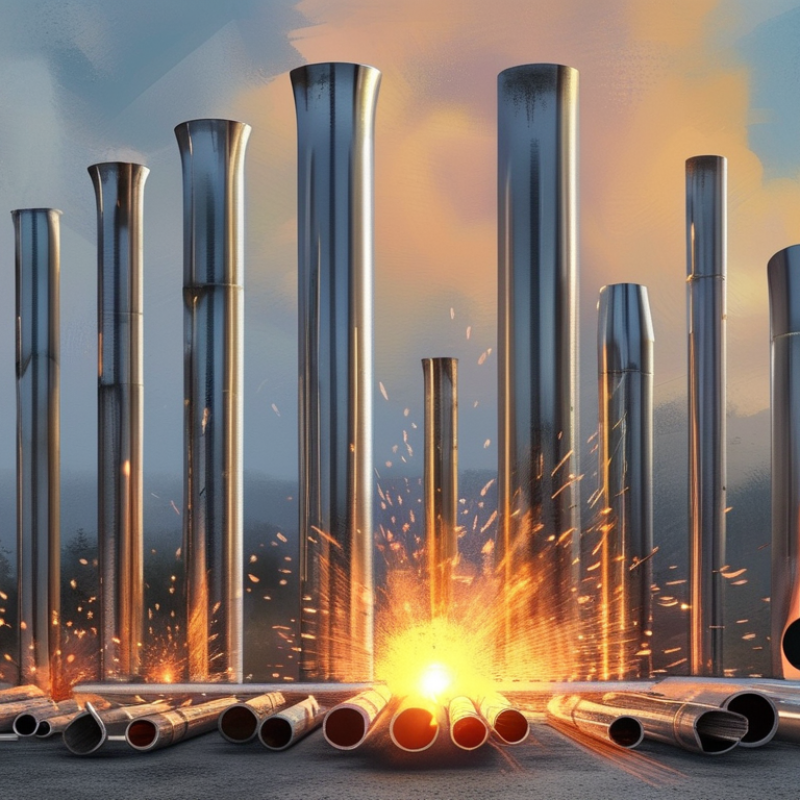
Alloy tubes are essential components in various industries, known for their enhanced strength and durability. They often combine different metals to achieve superior properties. Common materials include aluminum, steel, and titanium. Each has unique characteristics suited for specific applications. For instance, aluminum alloy tubes are lightweight and resistant to corrosion. Steel offers robustness, making it ideal for structural applications.
Choosing the right alloy tube depends on several factors such as intended use, environmental conditions, and mechanical requirements. Consider the temperature range and exposure to chemicals. Do you need lightweight material? Aluminum might be your choice. If strength and weight are less of an issue, steel could work better.
Remember, not all alloy tubes are created equal. Quality and manufacturing processes vary significantly. Inspect certifications and test reports when sourcing materials. Engage with knowledgeable suppliers to understand material properties better. Reflect on your project needs and how certain alloys fit into those requirements. This careful selection process can lead to more efficient outcomes and lasting success.
Choosing the right alloy tube for your projects requires considering several crucial factors. Alloy type is a primary element, impacting strength, corrosion resistance, and weight. Aluminum alloys, for example, are lightweight and versatile. In contrast, stainless steel alloys offer superior strength and high corrosion resistance. According to the Aluminum Association, using aluminum can yield weight savings of approximately 30% without sacrificing performance.
The tube's dimensions also play a critical role. Diameter and wall thickness affect the load-bearing capacity and pressure rating. A thinner wall may reduce weight but risks failure under stress. A study from the International Journal of Pressure Vessels and Piping indicates that the right dimensional balance is essential for safety and efficiency in industrial applications.
It's important to assess the intended environment for the alloy tube. Exposure to chemicals or extreme weather can significantly reduce its lifespan. Regular inspections are essential to ensure durability. Environmental considerations often lead to unexpected challenges.
Consider sourcing materials from reputable suppliers. Establishing a relationship with trusted manufacturers can provide insights into material behavior and application suitability. Remember, making informed choices can enhance project success, but some decisions may still lead to unforeseen issues. Always be prepared to adapt and refine your strategy based on real-world outcomes.
When selecting alloy tubes for projects, understanding material properties is key. Different alloy materials provide unique advantages and drawbacks. Aluminum alloys are lightweight and resistant to corrosion. They are ideal for applications that require minimal weight, like aerospace. However, aluminum may not perform well under extreme heat. According to the Aluminum Association, aluminum can lose up to 50% of its strength at elevated temperatures.
Stainless steel alloys offer impressive strength and resistance to rust and staining. They excel in harsh environments. A study from the International Stainless Steel Forum shows that stainless steel can endure temperatures up to 1,500°F without significant structural changes. However, they are heavier and more expensive than aluminum. This poses a challenge in cost-sensitive projects where weight is less critical.
Titanium alloys stand out for their high strength-to-weight ratio and resistance to corrosion. Applications in medical devices and aerospace benefit from this. Yet, titanium can be challenging to machine, leading to higher manufacturing costs. The latest market reports indicate that while the demand for titanium increases, production remains limited, driving prices higher. Careful consideration of these factors is crucial in choosing the best alloy tube for specific needs.
When selecting an alloy tube for your projects, dimension and specification requirements are critical. The diameter, wall thickness, and length of the tube must match your specific application. For example, a thick wall can enhance strength but may add weight. Conversely, a thin wall may save weight but reduce durability. Understanding the balance between these factors is essential.
Next, consider the alloy's properties. Different alloys offer varying levels of corrosion resistance, strength, and flexibility. For a project exposed to harsh conditions, you may require a more robust alloy. On the other hand, for lighter applications, a less dense alloy may suffice. Pay attention to the specifications listed, but also be aware that real-world performance can differ. Practical testing is often needed to assess the material under your unique conditions. Gathering data from past projects can provide insights into what worked well and what didn't.
This bar chart illustrates key specification requirements for selecting the best alloy tube for various projects, including diameter, wall thickness, length, and weight. Understanding these dimensions helps ensure that the tube meets the project's mechanical and structural needs.
When sourcing quality alloy tubes, understanding the materials' specifications is crucial. Stainless steel, aluminum, and titanium are common choices. According to the Global Alloy Tubes Market Report 2022, demand for aluminum alloy tubes has increased by 15% in construction applications due to their lightweight properties. Selecting the right alloy for your project begins with knowing the intended use and environmental conditions.
Look for suppliers who provide detailed technical specifications. This includes tensile strength, corrosion resistance, and thermal properties. The American Society for Testing and Materials (ASTM) sets standards that can guide you in evaluating material performance. Reports indicate that nearly 30% of alloy tube failures stem from poor quality sourcing practices. Reflected in industry feedback, buyers emphasize the importance of certification and reliability.
Seek out manufacturers who demonstrate a commitment to quality and compliance with industry standards.
While unique projects may demand specialized alloys, the balance between cost and quality should not be overlooked. Variability in manufacturing processes may lead to inconsistencies. Regular audits of supply chains report up to 20% of suppliers failing to meet quality benchmarks. Establishing relationships with reputable sources can mitigate these risks and ensure a steady supply of high-quality materials for your projects.
: You should consider the diameter, wall thickness, and length of the tube for your application.
A thick wall enhances strength but adds weight. A thin wall saves weight but may reduce durability.
Different alloys have varying corrosion resistance, strength, and flexibility based on your project's exposure to harsh conditions.
Practical testing is crucial to understand real-world performance, which may differ from specifications.
Look for suppliers providing detailed technical specifications and compliance with industry standards for quality assurance.
Nearly 30% of alloy tube failures are due to poor quality sourcing practices, highlighting the need for careful selection.
Establish relationships with reputable suppliers and check certifications to mitigate risks and secure quality materials.
Variability in manufacturing can lead to inconsistencies, affecting the overall quality of the alloy tubes.
While cost is important, balancing it with quality is crucial for successful project outcomes.
Analyzing data from previous projects helps in understanding what materials performed well and what did not.
When selecting the best alloy tube for your projects, it's essential to understand the various types of alloy tubes and their specific applications. Different industries may require distinct material properties, making it crucial to analyze factors such as strength, corrosion resistance, and weight. Additionally, comparing the pros and cons of various alloy materials can help you determine which is best suited for your needs.
Beyond material selection, evaluating the dimension and specification requirements is vital to ensure compatibility with your project's design. Finally, sourcing quality alloy tubes from reputable suppliers can significantly impact the performance and durability of your final product. By considering these aspects, you can make informed decisions that lead to successful project outcomes involving alloy tubes.
