
Baimaoxing
In recent years, the demand for Stainless Steel Pipe has surged globally. According to the "Stainless Steel Market Report," the industry is projected to grow at a CAGR of 6.8% from 2021 to 2028. This growth highlights the increasing preference for durable and corrosion-resistant materials across various sectors. Industries such as automotive, construction, and oil and gas are significant consumers of these pipes.
Stainless Steel Pipe is favored for its excellent mechanical properties and longevity. Reliable suppliers often emphasize quality compliance, but inconsistencies still exist. Some buyers may find it challenging to navigate the competing options in the global marketplace. Additionally, various grades of stainless steel can affect both performance and cost, posing a dilemma for decision-makers.
For global buyers, selecting the right Stainless Steel Pipe requires careful consideration. Factors such as finish type, diameter, and intended application must align with specific industry standards. Addressing these needs can be complicated. However, understanding the market trends and supplier profiles can lead to better purchasing decisions. Establishing partnerships with reputable manufacturers can help navigate this complex landscape.
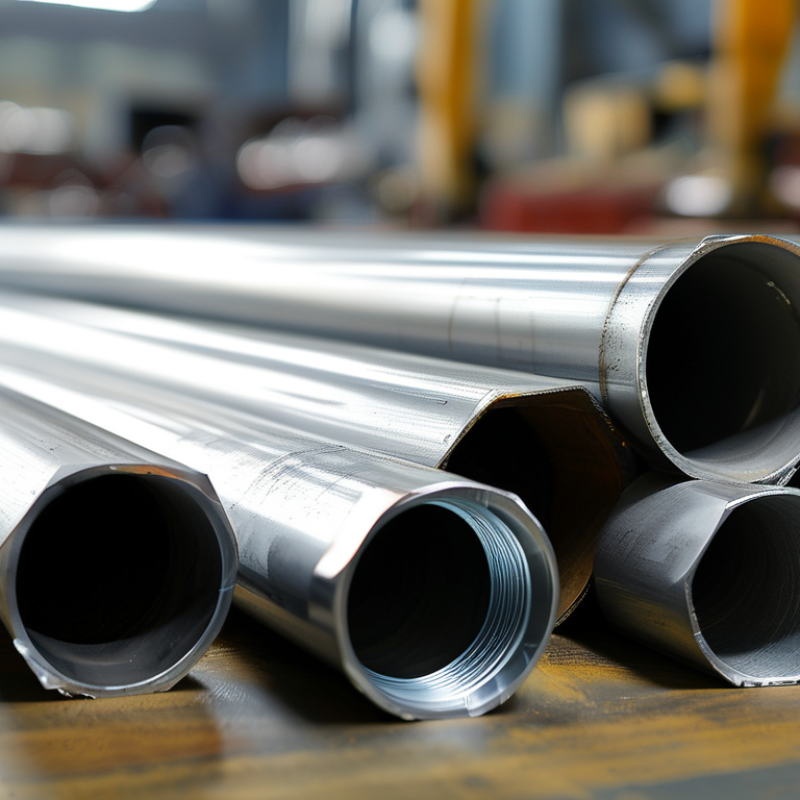
Stainless steel pipes are essential in various industries, including construction and automotive. They are durable, resistant to corrosion, and can withstand high temperatures. According to the Global Steel Pipe Market Report, the industry is expected to grow significantly, reaching a value of $82 billion by 2024. This growth is driven by increasing urbanization and infrastructure development.
There are several types of stainless steel pipes, including seamless and welded options. Seamless pipes are preferred for high-pressure applications. They are stronger and more reliable than welded ones. On the other hand, welded pipes are cost-effective and easier to produce. Each type serves different needs, but many buyers face challenges in choosing the right type for specific applications.
Current trends show a rising demand for stainless steel pipes in emerging markets. Reports suggest that Asia-Pacific is leading this growth, with a compound annual growth rate (CAGR) projected at 7.5%. However, fluctuating raw material prices pose a risk. Buyers need to stay informed about market trends and technology advancements to make educated decisions. Understanding these factors can be complex but crucial for making sound purchases in the global market.
When selecting stainless steel pipes, buyers should consider various key factors. The grade of the stainless steel is crucial. Different grades offer varying levels of corrosion resistance and strength. For example, 304 stainless steel is common for general applications, while 316 shines in marine environments. Buyers must also evaluate the intended use of the pipes. Are they for construction, plumbing, or industrial applications? Each context may demand specific qualities from the material.
Another important aspect is the pipe's diameter and wall thickness. These dimensions affect flow rates and pressure tolerance. A thicker wall may be necessary for high-pressure systems, while thin-walled pipes might be suitable for lighter applications. Additionally, buyers should factor in the finish of the pipe. A polished surface can enhance both aesthetic appeal and resistance to corrosion. Furthermore, consider the certifications and standards that the pipes meet. Regulatory compliance ensures safety and reliability in various uses.
Lastly, the supplier's reputation matters. A trusted supplier can offer valuable insights into material choices and sourcing. Researching reviews and testimonials can provide a clearer picture of their reliability. Even with high-quality pipes, poor installation can lead to issues. It’s essential to engage qualified professionals for the installation process. Balancing these considerations will help buyers make informed decisions when selecting stainless steel pipes.
When selecting stainless steel pipes, a comparative analysis of manufacturers becomes essential for global buyers. Industry reports indicate that the stainless steel pipe market is projected to grow at a CAGR of 5.1% from 2023 to 2030. This growth is driven by increasing demand in construction and automotive sectors. Manufacturers vary significantly in quality, material grades, and dimensional standards. Understanding these differences is crucial for making informed choices.
Buyers should consider factors like corrosion resistance, tensile strength, and manufacturing techniques. A recent study highlighted that over 70% of top manufacturers emphasize the importance of proper welding methods to enhance pipe durability. However, not all manufacturers maintain standardized quality control, leading to potential compromises. This inconsistency makes thorough research vital.
Tips: Always request detailed specifications and certifications from suppliers. Check customer reviews and industry reports for authenticity. Remember, a lower price does not always equate to better value. Investing time in sourcing reliable manufacturers pays off in the long run. When analyzing data, look for trends indicating material performance under various environmental conditions. This insight can help make better purchasing decisions.
This bar chart represents the tensile strength of different types of stainless steel pipes, providing insight into their mechanical properties, which are essential for global buyers in selecting the best option for their needs.
Stainless steel pipes have a wide range of applications across various industries. They are essential in sectors like construction, automotive, and pharmaceuticals. According to a recent industry report, the stainless steel pipe market is projected to grow at a CAGR of 6.2% from 2021 to 2028. This growth is mainly driven by the increasing demand for corrosion-resistant materials.
In the construction industry, stainless steel pipes are used for plumbing and structural applications. Their durability makes them ideal for high-stress environments. In the automotive sector, they are utilized in exhaust systems and fuel lines, where heat resistance is crucial. The pharmaceutical industry relies on stainless steel pipes for hygienic applications, ensuring product safety and compliance with regulations.
Tip: When selecting stainless steel pipes, consider factors like grade and thickness. These can significantly impact performance. Also, be mindful of environmental conditions. Corrosion resistance is vital in certain applications.
However, challenges exist. Some manufacturers struggle with maintaining quality control, leading to inconsistent product performance. Transparency in sourcing and manufacturing practices is often lacking, which can cause trust issues among buyers. Companies need to address these concerns to improve the overall reputation of stainless steel pipes in the market.
The global demand for stainless steel pipe products is evolving rapidly. As industries focus on sustainability, stainless steel's durability and corrosion resistance are key selling points. Many sectors now prefer stainless steel for construction, automotive, and chemical applications. This shift reflects a growing awareness of material longevity and performance.
Emerging markets are also showing interest in these products. Countries in Asia and Africa are investing in infrastructure. For instance, urbanization in these regions increases the need for sturdy plumbing and piping systems. However, manufacturers must address challenges such as fluctuating raw material costs. Quality control and sourcing reliable suppliers are also crucial concerns.
Despite these trends, there's room for improvement. Many producers still grapple with eco-friendly practices. Sustainable sourcing and waste reduction remain serious issues. Ensuring that production methods are environmentally responsible is critical for future growth. Therefore, stakeholders must prioritize sustainable practices to meet global expectations.
: The primary types are seamless and welded pipes. Seamless pipes are stronger, while welded pipes are more cost-effective.
Seamless pipes offer greater strength and reliability, making them suitable for environments with high pressure.
Key industries include construction, automotive, and pharmaceuticals. They use pipes for plumbing, exhaust systems, and hygienic applications.
The market is expected to grow significantly, reaching a value of $82 billion by 2024, driven by infrastructure development.
Buyers should consider the grade, thickness, and environmental conditions. Corrosion resistance is particularly important for certain applications.
Manufacturers struggle with quality control. Inconsistencies in product performance can lead to trust issues among buyers.
Increased urbanization drives demand for construction materials, including stainless steel pipes, contributing to market growth.
Transparency helps build trust between manufacturers and buyers. Lack of it can lead to skepticism about product quality.
Advances in technology are essential for improving product quality and meeting the evolving demands of the market.
Fluctuating prices can affect production costs and pricing strategies, impacting buyers’ purchasing decisions in the market.
This article provides a comprehensive overview of stainless steel pipe options tailored for global buyers, highlighting various types available in the market. It discusses key factors to consider when selecting stainless steel pipes, such as material grade, dimensions, and corrosion resistance, which are crucial for ensuring optimal performance in diverse applications.
Additionally, the article presents a comparative analysis of leading manufacturers in the stainless steel pipe industry, elucidating their strengths and market presence. It explores the wide range of applications across different industries, illustrating the versatility of stainless steel pipes. Finally, the article touches upon the current trends influencing global demand for stainless steel pipe products, emphasizing the growing interest in sustainable and high-quality materials.
