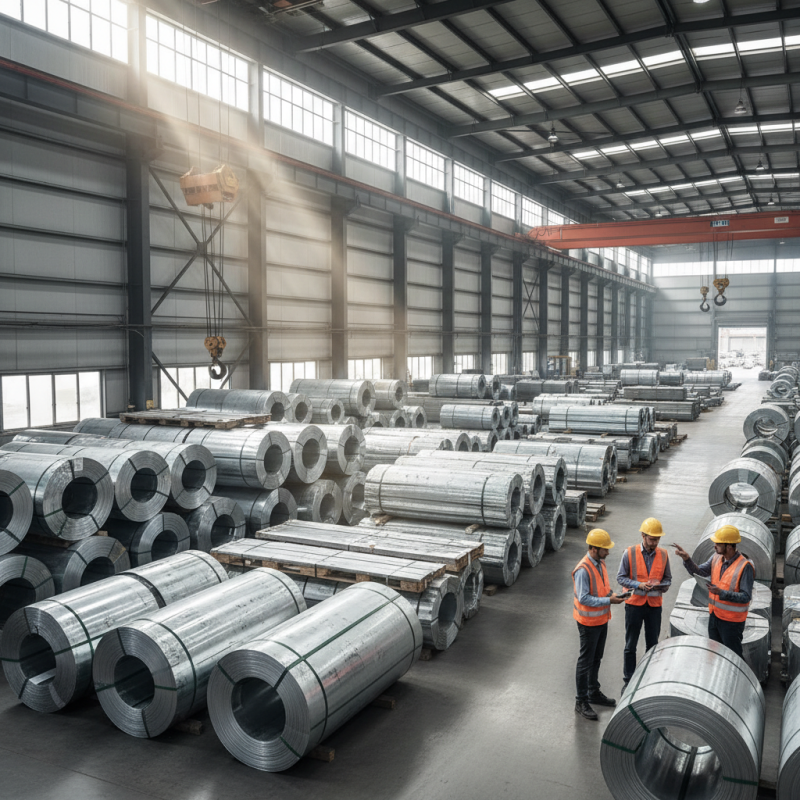
When it comes to global procurement, finding the right suppliers for Galvanized Steel is crucial. This material is widely used in various industries. Its resistance to corrosion makes it a favorite among manufacturers. However, not all suppliers meet high standards.
Navigating the market can be challenging. Many companies claim to offer the best product and service. Yet, quality varies significantly. It is vital to know how to identify reputable Galvanized Steel suppliers. Customer reviews and expert recommendations can provide insight into a supplier's reliability.
Moreover, understanding the specifications of Galvanized Steel is essential. Different applications require different grades and coatings. Buyers must consider these factors when selecting suppliers. The goal should be not only to get a good price but also to ensure quality. Choosing wisely can save time and resources in the long run.
Overview of Galvanized Steel and Its Applications
Galvanized steel is essential in various industries. Its unique properties make it ideal for construction, automotive, and agricultural applications. This steel undergoes a galvanization process, which increases its resistance to corrosion. The zinc coating forms a protective barrier, prolonging the life of the steel. This durability is crucial in environments exposed to moisture or harsh conditions.
When sourcing galvanized steel, understanding its applications can guide your procurement decisions. For instance, in construction, galvanized steel is commonly used for roofing and structural supports. It ensures that buildings withstand environmental stress. Meanwhile, in agriculture, it is often utilized for fencing and equipment due to its outstanding longevity.
Tips: Consider ordering galvanized steel in bulk to lower costs. Check the certification of your supplier to ensure quality. Pay attention to local regulations on steel specifications, as they can vary significantly. Choosing the right grade for your specific use is vital—understand your requirements fully before making a commitment. This informed approach can prevent future headaches and unexpected expenditures.
Criteria for Selecting Top Galvanized Steel Suppliers
When selecting top galvanized steel suppliers, understanding industry standards is crucial. According to the World Steel Association, the galvanized steel market is projected to grow at a CAGR of 4.5% from 2021 to 2026. The demand is driven by construction and automotive industries, which require high-quality materials. Suppliers must adhere to stringent quality certifications, like ISO 9001 or API standards.
Another important criterion is production capacity. Reports indicate that suppliers with an annual capacity exceeding 50,000 tons demonstrate a greater ability to meet large-scale procurement needs. Timely delivery is also vital. Delays can disrupt project timelines and incur additional costs. Thus, assessing a supplier’s history of on-time deliveries is imperative.
Pricing structures can't be overlooked. A competitive price point is important but must correlate with quality. Transparency in pricing is a requirement for building trust. However, not all suppliers maintain this transparency, which necessitates scrutiny. In seeking reliable partners, organizations should conduct thorough research and even request references from past clients. This approach allows for informed decisions based on actual experiences, rather than market hype.
Top Galvanized Steel Suppliers: Overview of Key Metrics
Global Leaders in Galvanized Steel Manufacturing
In recent years, galvanized steel has become a crucial material for various industries. Its durability and resistance to corrosion make it a preferred choice. The global galvanized steel market is projected to reach USD 210 billion by 2027, growing at a CAGR of about 5.2% from 2020. This growth reflects the increasing demand across construction, automotive, and shipping sectors.
Many leading manufacturers excel in producing high-quality galvanized steel. They adopt advanced technologies to enhance production efficiency and product consistency. This is essential, as quality assurance in galvanized steel can vary among suppliers. Seeking out suppliers that prioritize strict quality control can help mitigate risk in procurement.
Tip: Always review a supplier’s certifications and industry reputation. This can provide insight into their production standards. Additionally, evaluate their capacity to meet large purchase orders. Reliable suppliers should easily handle both small and large-scale projects.
Another aspect to consider is sustainability. The steel industry has significant environmental impacts. Suppliers that invest in eco-friendly practices often offer a more responsible product. However, not all suppliers promote their sustainability efforts transparently. Choose those that willingly share their environmental performance data for a more informed decision.
Sourcing Strategies for Galvanized Steel Procurement
When sourcing galvanized steel, it's crucial to implement effective strategies to meet global procurement needs. Begin with understanding the specific requirements of your projects. The type and thickness of galvanized steel can vary significantly. This will help you communicate your needs clearly to potential suppliers.
Tip: Establish a checklist detailing specifications. This includes dimensions, coatings, and intended usage. It ensures no detail is overlooked during procurement.
Building relationships with reputable suppliers can increase reliability. Explore suppliers known for their quality control processes. Request documentation for their materials to guarantee standards. However, not every supplier will meet expectations. It’s wise to consider feedback and reviews before making commitments.
Tip: Use pilot orders to assess supplier performance. It’s a low-risk way to verify quality and service.
Always keep market trends in mind. Prices can fluctuate based on demand and production costs. This might impact your budget and procurement timeline. Adapting to these changes requires flexibility in your sourcing strategies. Be prepared to rethink your options if your initial choice does not deliver desired results.
Evaluating Supplier Reliability and Quality Assurance
When sourcing galvanized steel, supplier reliability is crucial. Companies often face challenges in ensuring the quality of materials. A recent report by the Steel Industry Association revealed that 25% of buyers express concerns about the consistency of product quality from suppliers. This statistic underscores the importance of a robust supplier evaluation process.
In evaluating suppliers, it is essential to look beyond basic credentials. Comprehensive assessments should include quality assurance measures, delivery performance, and customer service records. A study from McKinsey indicates that companies implementing rigorous supplier audits can reduce material failures by up to 30%. These data-driven insights show that reliability goes hand in hand with quality assurance.
Close attention to supply chain transparency also plays a vital role. Suppliers should provide detailed information on their sourcing and manufacturing processes. For instance, certifications like ISO 9001 can be indicative of a supplier's commitment to quality management. However, it is worth noting that some suppliers may present these certifications without adhering to strict compliance. This often leads to a gap between expectation and reality, highlighting the need for due diligence.
FAQS
: Industry standards, production capacity, delivery times, and pricing transparency are crucial factors to consider.
Suppliers with higher production capacity can better meet large-scale procurement needs and avoid delays.
Conduct thorough research, request references, and evaluate the supplier’s industry reputation before making a decision.
Certifications like ISO 9001 indicate adherence to quality standards and can help identify reputable suppliers.
Request documentation of materials and review customer feedback. Pilot orders can also help verify their standards.
Competitive pricing should align with quality. Transparency in pricing builds trust and aids informed decision-making.
Prices fluctuate with demand and production costs, requiring flexibility and adaptability in sourcing strategies.
Yes, suppliers with eco-friendly practices can offer responsible products. Look for those that openly share sustainability data.
Dimensions, type of coatings, thickness, and intended usage should be clearly specified to avoid mistakes.
Stay flexible and ready to rethink your options if your supplier does not deliver as expected.
Conclusion
Galvanized Steel is a versatile material widely used across various industries for its durability and resistance to corrosion. The article begins by providing an overview of the applications of Galvanized Steel, which include construction, automotive, and manufacturing sectors, due to its ability to withstand harsh environments. It then outlines the criteria for selecting top suppliers, emphasizing the importance of quality, reliability, and compliance with international standards.
Additionally, the article identifies global leaders in Galvanized Steel manufacturing and offers effective sourcing strategies for procurement. Evaluating supplier reliability and quality assurance measures is crucial for businesses aiming to secure high-quality Galvanized Steel. By following these guidelines, companies can make informed decisions when seeking suppliers that meet their global procurement needs effectively.
 Baimaoxing