In the construction industry, "Galvanized Sheets" have become a vital material for various projects. James Hargrove, a respected expert in metal construction, states, “Using galvanized sheets ensures longevity and durability in any build.” This highlights the significance of choosing the right materials for your projects.
Galvanized sheets are coated with zinc to protect against corrosion. This gives them extra strength and a longer lifespan. They are lightweight, making them easy to handle and install. For projects exposed to harsh weather, galvanized sheets are a smart choice. Their versatility allows them to be used in roofing, siding, and more.
Despite their many benefits, not all projects may benefit equally from galvanized sheets. Some applications may require thicker materials or different coatings. It's essential to evaluate each project's specific needs. Knowing when to use galvanized sheets is crucial for optimal performance. Understanding the nuances can ensure you make informed decisions for your construction ventures.
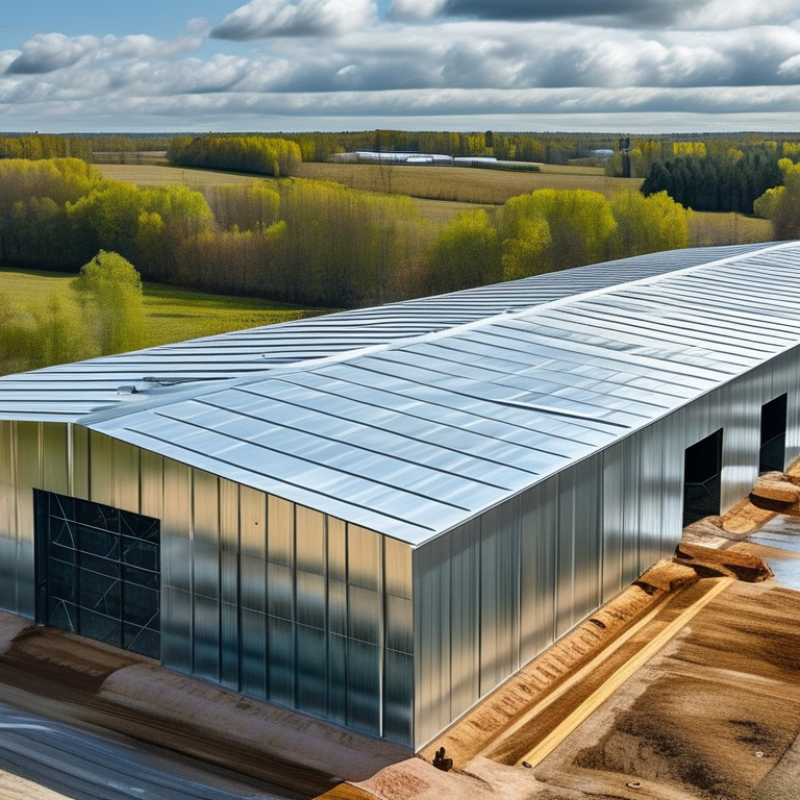
Benefits of Galvanized Sheets in Construction Projects
Galvanized sheets play a crucial role in construction projects. Their resistance to corrosion makes them ideal for various applications. This durability extends the lifespan of structures, reducing long-term costs. In environments with high humidity or exposure to harsh chemicals, galvanized sheets excel. They create a protective barrier, ensuring that underlying materials remain safe from damage.
Using galvanized sheets can enhance the aesthetic value of any building. They are available in different finishes and colors. This versatility allows designers to use them in creative ways. However, care must be taken during installation. Poor handling can lead to scratches that compromise the protective layer. Such issues may require repairs, which can add unforeseen expenses.
Another benefit of galvanized sheets is their ability to withstand significant wear and tear. This makes them suitable for both roofing and siding. Their lightweight nature allows for easy transport and installation. Yet, one must consider their thermal conductivity; in some cases, additional insulation may be necessary. This could lead to added complexity in design, highlighting the need for careful planning.
Durability and Corrosion Resistance of Galvanized Materials
Galvanized sheets offer significant durability and corrosion resistance, making them an excellent choice for various projects. These sheets are coated with zinc, which protects the underlying steel from moisture and oxygen. As a result, they can withstand harsh weather conditions without rusting. In outdoor applications, such as roofing or fencing, galvanized sheets can last for decades. Their long lifespan can be a game changer for your investment.
However, it’s worth noting that not all galvanized materials are created equal. Different coating thicknesses affect performance and longevity. For certain projects, lighter coatings may suffice, while others demand heavier ones. A misjudgment here could lead to premature deterioration in specific environments. Therefore, knowing your project’s requirements is crucial.
Moreover, the visual appeal of galvanized sheets is undeniable. They have a unique aesthetic that can enhance any building or structure. Yet, some designers might overlook them due to their industrial look. This could lead to missed opportunities for creative applications. Embracing galvanized sheets requires an open mind and a willingness to explore their potential.
Benefits of Using Galvanized Sheets for Your Projects
| Benefit |
Description |
Applications |
| Durability |
Galvanized sheets are coated with zinc to protect against physical damage and wear over time. |
Construction, roofing, and automotive industries. |
| Corrosion Resistance |
The zinc coating provides a barrier against moisture and environmental factors that cause corrosion. |
Outdoor structures, electric poles, and bridges. |
| Low Maintenance |
Requires less maintenance compared to non-galvanized materials, saving time and costs. |
Industrial facilities and agricultural buildings. |
| Cost-Effectiveness |
Long service life and lower maintenance needs lead to reduced overall costs over time. |
Manufacturing and construction projects. |
| Versatility |
Can be used in a variety of applications and can be easily cut, shaped, and formed. |
Home improvement, furniture, and HVAC systems. |
Cost-effectiveness and Longevity of Galvanized Sheets
Galvanized sheets bring significant cost-effectiveness to various projects. Their production involves a coating of zinc, which enhances durability. This additional layer protects the metal from rust and corrosion. Over time, this feature proves beneficial, as it reduces maintenance costs. You save on frequent repairs or replacements.
Longevity is another vital aspect. Galvanized sheets can last several decades, even in harsh environments. This lifespan makes them an attractive option for construction and outdoor applications. Many constructions have stood strong for years, showcasing their resilience. However, improper installation can lead to unexpected failures. It's crucial to follow best practices during application.
Yet, while galvanized sheets offer many advantages, they are not without challenges. The initial investment may be higher than regular sheets. Consider the long-term savings to justify the cost upfront. Understanding these nuances can lead to informed decisions in material selection.
Environmental Advantages of Utilizing Galvanized Materials
Using galvanized sheets in construction offers notable environmental benefits. Galvanization involves coating steel with zinc, creating a durable material that resists corrosion. This process extends the lifespan of steel structures. Longer-lasting materials mean less frequent replacements, reducing waste in landfills.
Additionally, galvanized materials can be recycled at the end of their life cycle. This recycling capability aligns with sustainability goals. It conserves natural resources and minimizes environmental impact. However, the recycling process itself must be done properly to maximize benefits. Improper recycling can negate many of the environmental advantages.
Choosing galvanized sheets can contribute to eco-friendly building practices. They reduce the overall carbon footprint of construction projects. Still, one must consider the energy used in galvanization. A balance between efficiency and environmental impact is crucial. Engaging in thoughtful sourcing and implementation can lead to more responsible use of galvanized materials.
Versatility in Applications: Why Choose Galvanized Sheets?
Galvanized sheets have gained popularity in numerous industries. Their versatility makes them an essential choice for various applications. According to a report by the Metal Construction Association,
over 25% of metal building products use galvanized materials. This statistic highlights their widespread adoption due to excellent corrosion resistance and structural durability.
In construction, galvanized sheets are commonly utilized for roofing and wall cladding. They provide a sturdy barrier that withstands harsh environmental conditions. Moreover, their lightweight nature enables easy installation, reducing labor costs.
Reports indicate that using galvanized sheets can extend the lifespan of structures by up to 50% compared to non-galvanized alternatives.
Tip: Always assess your project's specific requirements. Consider factors like environmental exposure and load-bearing capacity before selecting materials.
Galvanized sheets are also popular in the automotive and appliance industries. They offer significant protection against rust, enhancing the longevity of components. Interestingly, some manufacturers are exploring innovative treatments to enhance the corrosion resistance of galvanized materials further.
It is important to stay informed as these advancements may impact your material choices in the future.
Tip: Regularly review the market for new technologies that improve performance. This could lead to better outcomes in your projects.
Conclusion
Galvanized sheets offer numerous benefits for construction projects, primarily due to their durability and corrosion resistance. These materials are designed to withstand harsh environmental conditions, significantly extending their lifespan compared to non-galvanized options. Cost-effectiveness is another crucial advantage, as the longevity of galvanized sheets reduces the need for frequent replacements, ultimately saving on maintenance costs.
Additionally, galvanized sheets present environmental advantages by being recyclable and contributing to sustainable building practices. Their versatility allows them to be utilized in a wide range of applications, from roofing to structural components, making them an ideal choice for various construction needs. In summary, choosing galvanized sheets not only enhances the durability and cost-effectiveness of projects but also supports eco-friendly initiatives.
 Baimaoxing
