
Baimaoxing
Copper strips are becoming increasingly popular in various industries due to their outstanding properties. Professional reports indicate that copper's excellent conductivity makes it a preferred choice for electrical applications. A study by the International Copper Association highlights that copper strips are essential in renewable energy, improving efficiency in solar panels and wind turbines.
Moreover, they offer significant anti-corrosion benefits, enhancing durability in construction. In a survey by the World Copper Conference, 73% of engineers stated that copper strips improved the lifespan of products. As industries push for sustainable solutions, copper's recyclability and low environmental impact are pivotal. These attributes make copper strips a reliable option.
However, while copper strips provide many advantages, challenges persist. Sourcing quality copper may pose difficulties, and cost fluctuations in material can affect budgets. Understanding market dynamics is crucial for optimal project outcomes. Overall, incorporating copper strips can result in superior efficiency and durability across projects, validating their growing use.
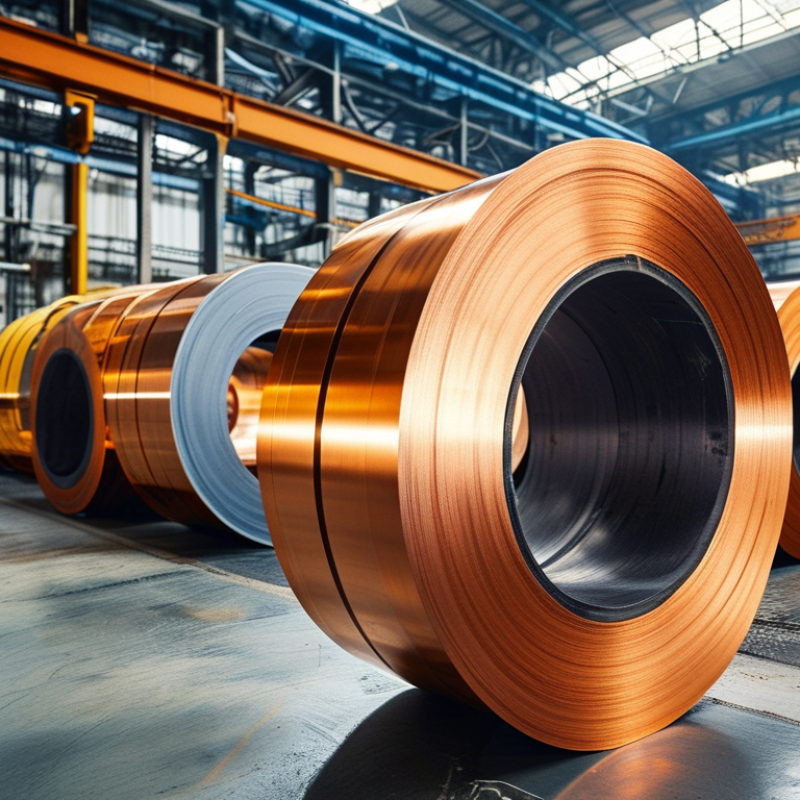
When it comes to conductivity, copper strips lead the way. Their atomic structure allows for the easy movement of electrons. This makes them ideal for electrical projects. From circuit boards to grounding systems, their performance is unmatched. Projects requiring efficiency and reliability benefit greatly from this material.
One common tip for using copper strips is to ensure proper soldering technique. Poor connections can lead to significant energy loss. Use a clean surface when soldering to enhance conductivity. Ensure that the area is free from oxidation. A well-prepared surface allows for better electrical flow.
Another valuable tip is to consider the thickness of the copper strip. Thicker strips can handle more current, but they may be less flexible. Assess the specific needs of your project before making a choice. Sometimes, a thinner strip can be more beneficial in tight spaces. Evaluate both options carefully to achieve optimal performance.
Copper strips are increasingly popular in various projects, largely due to their corrosion resistance and longevity. These materials can withstand harsh environmental conditions. Unlike many metals, copper develops a protective patina over time, preventing further oxidation. This unique property ensures that objects made from copper have a much longer lifespan, making them a cost-effective choice in the long run.
Tips: Always ensure proper ventilation when working with copper. This helps avoid potential health risks associated with fumes during cutting or welding. For outdoor projects, consider additional coatings to enhance protection against extreme weather.
While copper provides significant durability, it's essential to handle and maintain it properly. Improper installation can lead to premature wear or unintended reactions with other materials. Regular inspection can prevent issues, such as tarnishing or corrosion, ensuring that your copper strips remain functional and visually appealing. Don't overlook the importance of cleaning and storing copper appropriately to maximize its longevity.
Copper strips are increasingly recognized for their versatility across various applications. These thin metal strips are commonly used in electrical wiring and circuit boards due to their excellent conductivity. Many choose copper for its ability to efficiently transmit electricity. This makes it ideal for both professional and DIY projects.
In construction, copper strips can serve multiple purposes. They are excellent for roofing, providing a durable and weather-resistant option. Artists appreciate copper strips for crafting intricate designs. However, working with copper can pose challenges. It requires proper tools and techniques to avoid bending or breaking. Sometimes, the cost can also be a consideration, leading to tough decisions for budget-conscious projects.
Home improvement enthusiasts benefit from using copper strips for decorative elements. They can create stunning accents that enhance aesthetic appeal. Yet, not every project may warrant copper's higher cost. Individuals need to evaluate if the benefits justify the investment. The versatility of copper strips makes them a valuable resource, but weighing options is essential for optimal results.
| Benefit | Description | Application Examples |
|---|---|---|
| Corrosion Resistance | Copper is resistant to corrosion, making it ideal for outdoor and wet environments. | Piping, Electrical Systems |
| Electrical Conductivity | Copper offers excellent electrical conductivity, making it a top choice for wiring. | Electronics, Power Cables |
| Thermal Conductivity | High thermal conductivity ensures quick heat distribution. | Heat Exchangers, Cookware |
| Malleability | Copper can be easily shaped and molded for different applications. | Sculptures, Jewelry |
| Antimicrobial Properties | Copper surfaces kill a wide range of harmful microbes. | Hospital Surfaces, Door Handles |
| Sustainability | Copper is recyclable, making it an eco-friendly choice. | Recycling Programs, Sustainable Construction |
| Aesthetic Appeal | Copper's rich color and sheen add visual appeal to projects. | Architectural Details, Art Installations |
| Cost-Effectiveness | Long lifespan and low maintenance costs make copper a cost-effective choice. | Construction, Infrastructure |
| Compatibility | Copper works well with other metals and materials in various applications. | Mixed-Material Projects, Plumbing |
| Strength | Copper's strength makes it suitable for heavy-duty applications. | Supports, Structural Components |
When considering the cost-effectiveness of using copper strips in projects, several factors come into play. Copper strips are known for their durability and low maintenance requirements, which can lead to significant savings over time. According to industry reports, the lifespan of copper materials can exceed 50 years, reducing replacement costs. This longevity ensures that initial investments pay off in the long run.
Further analysis shows that copper strips have excellent thermal and electrical conductivity. This attribute minimizes energy losses, leading to lower utility bills. A study by the Copper Development Association indicated that using copper in electrical applications improved efficiency by up to 20%. Such improvements can be a game changer for budget-conscious projects.
While copper strips may come with a higher upfront cost compared to alternatives, the long-term savings often outweigh these initial expenses. However, it is essential for project planners to consider the specific requirements and conditions of each project. Not every use case justifies the expense, and weighing the pros and cons is crucial. Copper’s environmental impact should also be evaluated, as sourcing methods and recycling processes can vary in sustainability.
When it comes to design projects, the flexibility of materials plays a crucial role.
Copper strips are highly regarded for their easy fabrication and manipulation. Designers appreciate their malleability, allowing them to bend and shape the metal with relative ease. This quality enables intricate designs that are both functional and aesthetically pleasing.
According to a recent report by the Copper Development Association, over 90% of designers prefer using copper due to its versatility. This metal’s excellent thermal and electrical conductivity makes it suitable for various applications. However, while working with copper, some might face challenges such as oxidation. This occurs when copper is exposed to air, affecting its appearance. Designers must consider how to treat or finish copper to maintain its luster.
Precision is key in crafting with copper strips. They can be cut to specific lengths, ensuring that each project meets precise requirements. Yet, achieving this precision may require specialized tools. Many projects could benefit from a deeper understanding of copper’s characteristics to avoid common pitfalls. Engaging with community forums and industry experts can provide valuable insights that enhance the design process.
: Copper strips provide excellent conductivity, allowing efficient electron movement. This enhances performance in circuit boards and grounding systems.
Ensure a clean surface free from oxidation. Proper soldering technique can enhance conductivity and prevent energy loss.
Thicker strips can handle more current but may be less flexible. Assess your project needs carefully before choosing thickness.
Yes, they are used in electrical wiring, roofing, and artistic designs. Their adaptability makes them valuable in various fields.
Copper strips have a lifespan exceeding 50 years, reducing replacement costs and minimizing maintenance expenses over time.
Yes, their excellent conductivity minimizes energy losses. This can lead to lower utility bills and improved project efficiency.
Not necessarily. Evaluate the benefits against the expense, especially for budget-conscious projects. Costs should align with project requirements.
Working with copper requires proper tools to avoid bending or breaking. Cost can also be a significant factor for some projects.
Evaluate the environmental impact; sourcing methods and recycling processes can greatly vary in terms of sustainability.
They should weigh specific project requirements, costs, and potential long-term benefits before making a decision on materials.
Copper strips offer numerous advantages for a variety of projects, making them an excellent choice for designers and engineers alike. One of the primary benefits is their enhanced conductivity, which facilitates efficient electrical flow in various applications. Moreover, copper strips are renowned for their corrosion resistance, ensuring longevity and reliability over time, even in challenging environments.
In addition to their performance, copper strips are highly versatile, adaptable to different projects and requirements. They provide a cost-effective solution, balancing quality and affordability. Lastly, the easy fabrication and manipulation of copper strips allow designers to create innovative and customized solutions with minimal hassle. Overall, incorporating copper strips into projects can lead to improved outcomes and enhanced functionality.
