Baimaoxing
In 2026, the galvanized steel market is witnessing significant trends that buyers need to understand. Galvanized steel, known for its corrosion resistance and durability, is essential in construction and manufacturing. As environmental concerns rise, buyers are looking for sustainable options in materials.
The increased demand for galvanized steel is not without its challenges. Sourcing quality products from reliable suppliers is crucial. Problems can arise in the form of varying steel grades and coatings. Buyers must evaluate their suppliers' expertise to ensure compliance with industry standards.
Moreover, staying informed about technological advancements is vital. Innovation in galvanization processes can lead to better quality steel options. Recognizing these trends early can empower buyers to make informed decisions. Ultimately, understanding the complexities and nuances of galvanized steel will lead to more strategic purchasing.
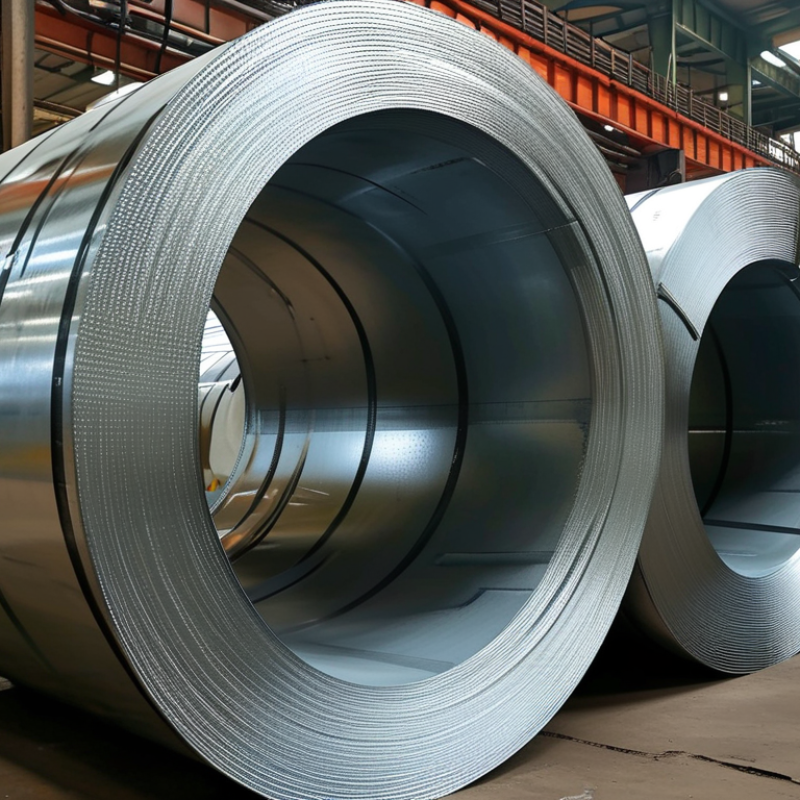
Emerging innovations in galvanized steel are shaping how industries approach construction and manufacturing in 2026. As sustainability becomes a priority, companies are exploring eco-friendly galvanizing processes. These advancements reduce environmental impact and enhance material longevity. Improved corrosion resistance is a key development, enabling better performance in challenging conditions.
Tips: Consider the environmental benefits of new galvanizing technologies. Assess the lifecycle of galvanized steel products for a smarter purchase.
Smart coatings are another trend gaining traction. These coatings respond to environmental changes and help prevent wear and tear. This innovation saves costs over time and extends the lifespan of structures. However, it’s essential to evaluate the initial investment against potential savings.
Tips: Always ask about the durability of coatings. Understand the maintenance requirements for prolonged effectiveness.
Investors and buyers should be aware of the shift toward automation in steel treatment. Automated processes enhance consistency and quality control. Yet, this shift might mean less human oversight. Industry players must reflect on the balance between technology and traditional expertise as the market evolves.
Sustainability is essential in galvanized steel manufacturing. According to a recent report by the World Steel Association, over 50% of steel production now incorporates recycled materials. This shift significantly reduces carbon footprints. Galvanized steel, known for its durability, also contributes to sustainability efforts. The protective zinc coating extends the life of steel products, minimizing waste.
Consumers are increasingly aware of sustainable choices. They seek products that align with their values. A 2023 Gallup poll found that 70% of consumers prefer eco-friendly options. Enhanced recycling processes help galvanized steel producers meet this demand. Industry experts stress the importance of transparency in sourcing materials. This builds trust and shows commitment to sustainability.
Tips: Look for certifications that indicate sustainable practices. Verify the supply chain for more responsible sourcing of materials. Support companies that prioritize eco-friendly processes. This encourages a broader shift toward sustainability in the industry. As we move toward 2026, buyers must stay informed and engaged in eco-conscious decisions.
Galvanized steel is gaining traction in various sectors. Its durability, resistance to corrosion, and cost-effectiveness make it a preferred choice for construction, automotive, and industrial applications. As buyers evaluate their options for 2026, they must consider key demand drivers influencing this trend.
One significant factor is sustainability. Increasing environmental regulations push manufacturers to adopt eco-friendly materials. Galvanized steel fits this requirement since it can be recycled. Moreover, the growing interest in green building practices boosts its popularity. Buyers should also note the rise of infrastructure projects. Urbanization and population growth drive demand for robust construction materials like galvanized steel.
However, not all trends lead to clear benefits. Supply chain challenges may disrupt availability. Prices can fluctuate based on raw material costs. It’s essential for buyers to stay informed about these dynamics. Understanding their implications can guide better decision-making. Remember, being adaptable in a changing market is crucial for success. More insights and awareness can ultimately shape better purchases.
The evolution of technology significantly impacts galvanized steel products and applications. Innovative processes are enhancing the durability and corrosion resistance of steel. According to a report from Allied Market Research, the global galvanized steel market is projected to reach $154 billion by 2025, highlighting its growing importance in construction and manufacturing.
Advanced technologies like hot-dip galvanizing have transformed production practices. This method provides a robust coating, extending the lifespan of steel structures. However, some manufacturers struggle to adapt to these technological changes. Challenges in maintaining quality during scaling can hinder progress. Research from Markets and Markets indicates that technology-led improvements can increase steel efficiency by up to 40%.
In addition, automation in galvanized steel production is a key trend. Automation can reduce labor costs and enhance precision. However, the high initial investment creates barriers for smaller producers. The industry must address the skills gap in the workforce to fully leverage these technological advancements. This reality presents both opportunities and challenges for galvanized steel stakeholders.
As the galvanized steel market evolves in 2026, buyers must remain vigilant. Understanding market trends is essential. Hot-dip galvanization is gaining traction due to its durability and corrosion resistance. Buyers should evaluate local suppliers. Domestic sourcing can reduce lead times and support local economies.
Sustainability concerns are also vital. Eco-friendly production processes are becoming standard. Buyers should inquire about a supplier's environmental practices. Transparency in sourcing materials is crucial as well. A commitment to ethical sourcing builds trust. Not all suppliers prioritize these elements, so research is important.
Pricing fluctuations can impact purchasing decisions. Keeping an eye on global market conditions helps anticipate changes. Buyers should engage with industry reports and attend trade shows. Networking with professionals offers insights that can inform decisions. Questions are essential. The more informed the buyer, the better choices can be made.
This chart illustrates the projected market demand for galvanized steel across various sectors in 2026, highlighting key areas such as construction, automotive, appliances, infrastructure, and packaging. Understanding these trends will help buyers make informed purchasing decisions.
: Innovations include eco-friendly galvanizing processes and improved corrosion resistance, enhancing performance and sustainability.
These technologies significantly reduce environmental impact and extend the lifespan of products, promoting a greener approach.
Smart coatings adapt to environmental changes and protect against wear, saving costs and prolonging structure lifespans.
Buyers must evaluate the initial investment and consider the durability and maintenance of coatings for long-term effectiveness.
Over 50% of steel production now uses recycled materials, reducing carbon footprints and promoting eco-friendly practices.
Many consumers align purchases with their values; a significant percentage prefer eco-friendly products for ethical reasons.
Certifications that indicate sustainable practices are essential for verifying responsible sourcing and production methods.
Automation enhances quality control but may reduce human oversight, prompting industry reflection on the balance of expertise.
Transparency in sourcing materials builds trust and shows dedication to responsible environmental practices.
Being informed helps consumers make eco-conscious decisions and support a broader shift towards sustainable practices in the industry.
The article titled "2026 Top Galvanized Steel Trends What Buyers Should Know" explores the evolving landscape of galvanized steel for the upcoming year. It highlights the emerging innovations in the production and application of galvanized steel, emphasizing advancements that improve performance and durability. Sustainability trends are also examined, showcasing how manufacturers are increasingly adopting eco-friendly practices in their processes.
Additionally, key factors driving the demand for galvanized steel in 2026 are identified, such as urbanization and infrastructure development. The impact of technology on galvanized steel products is discussed, illustrating how digital tools enhance manufacturing efficiency and product quality. Finally, market insights are provided to help buyers make informed decisions, considering factors such as pricing, availability, and application suitability in a rapidly changing market. Overall, the article serves as an essential guide for understanding the galvanized steel market's current trends and future outlook.
